
The Rise of HMPV: Powerful Insights and Its Rapid Spread
January 8, 2025
Innovative Pest Management Standard HACCP for Your Food Safety Management
December 1, 2025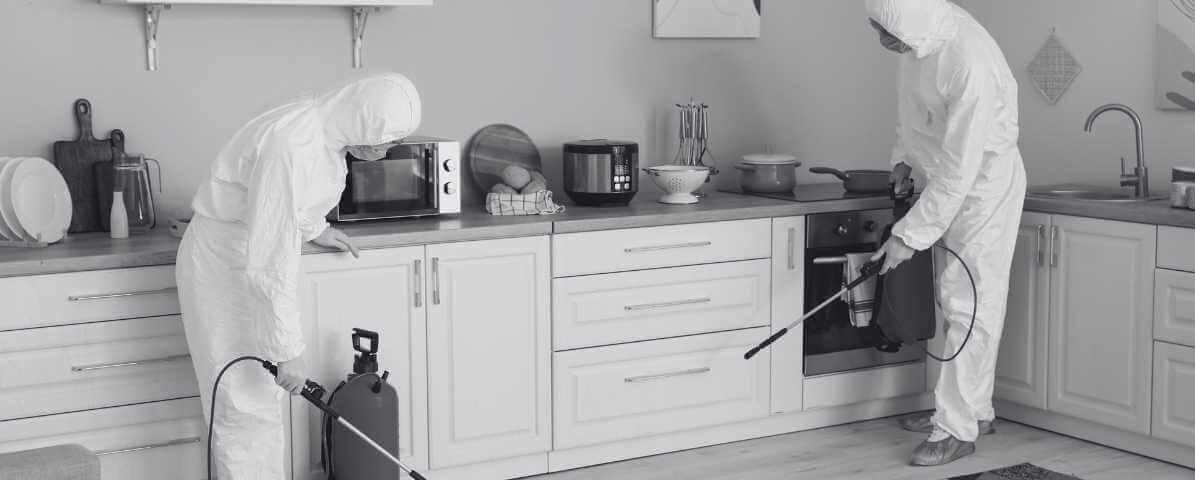

HMPV belongs to the Pneumoviridae family of respiratory viruses. First formally identified in 2001, it has since been recognised as one of the leading causes of acute respiratory tract infections worldwide — accounting for 5–15% of all respiratory hospitalisations in children under 5 years. In Singapore's dense urban environment, understanding HMPV prevention strategies is increasingly important.
- ✓HMPV spreads via respiratory droplets and contaminated surfaces — the same vectors as influenza
- ✓There is currently no approved vaccine or specific antiviral treatment for HMPV
- ✓Prevention is entirely behavioural: hygiene, ventilation, and avoiding sick individuals
- ✓Pest infestations can contribute to poor indoor air quality, increasing respiratory infection risk
- ✓A clean, pest-free environment significantly reduces respiratory health risk factors at home
What is HMPV? Understanding the Virus and Its Impact
Human Metapneumovirus (HMPV) is a paramyxovirus that causes respiratory infections ranging from mild cold-like symptoms to severe bronchiolitis and pneumonia. It infects people of all ages but disproportionately affects:
HMPV is one of the top 3 causes of bronchiolitis in infants. Young immune systems cannot effectively fight the virus, leading to higher hospitalisation rates.
Adults over 65 with weakened immune systems or chronic lung conditions (COPD, asthma) are at significant risk of HMPV progressing to severe pneumonia.
Cancer patients, transplant recipients, and HIV patients face higher risk of severe HMPV disease. In this group, the virus can be life-threatening.
Those with pre-existing asthma, COPD, or cystic fibrosis are at elevated risk of HMPV triggering severe exacerbation requiring hospitalisation.
- • Cough (persistent, worsening)
- • Runny nose and congestion
- • Sore throat
- • Fever (low to moderate)
- • Wheezing (in children)
- • Shortness of breath (severe cases)
- • No sudden high fever onset
- • Less body ache than influenza
- • Longer coughing duration
- • More likely to cause wheezing
- • Flu tests often negative
- • No antiviral like Tamiflu available
How HMPV Spreads — Transmission Routes in Singapore
Understanding how HMPV spreads is the foundation of effective prevention. The virus transmits through:
Coughing, sneezing, or talking by an infected person releases droplets containing HMPV. These droplets can travel up to 1–2 metres and infect others who breathe them in or touch their face after contact.
HMPV can survive on hard surfaces for 5–7 days. High-touch surfaces — door handles, lift buttons, tables, and shared devices — are significant transmission points in Singapore's urban environment.
Hugging, kissing, or sharing utensils with an infected person transmits the virus directly. HMPV spreads rapidly in family households, childcare centres, schools, and healthcare facilities.
Singapore Context: Singapore's dense living conditions (HDB flats, shared lifts, MRT), year-round warm temperatures, and frequent community gatherings create ideal conditions for HMPV transmission. The humid climate also means surfaces dry slowly, extending viral survival time.
7 HMPV Prevention Strategies for Singapore Households
With no vaccine available, HMPV prevention relies entirely on behavioural and environmental controls. These seven strategies significantly reduce your household's risk:
Wash hands with soap and water for at least 20 seconds before eating, after using the toilet, after coughing or sneezing, and after touching shared surfaces. This single measure reduces respiratory virus transmission by up to 50%.
If you are experiencing respiratory symptoms, wear a surgical mask in public and at home around elderly or infant family members. This significantly reduces the range and concentration of respiratory droplets exhaled.
Open windows and allow fresh air circulation throughout your home daily. Good ventilation dilutes airborne viral particles and reduces transmission risk indoors. Avoid fully air-conditioned spaces with poor air exchange.
Wipe door handles, light switches, table surfaces, TV remotes, and shared devices with 70% isopropyl alcohol or a 1:99 diluted household bleach solution daily. HMPV is inactivated on contact with standard disinfectants.
Keep young children and elderly family members away from anyone displaying respiratory symptoms. HMPV-infected individuals are most contagious during the first 3–5 days of illness.
Ensure adequate sleep (7–9 hours), balanced nutrition, and regular exercise. Annual influenza vaccination does not protect against HMPV specifically but reduces co-infection risk and overall respiratory illness burden.
Cockroach allergens, rodent droppings, and pest frass are known triggers for respiratory inflammation. Homes with active pest infestations have elevated levels of allergens that weaken respiratory defences — increasing susceptibility to HMPV and other respiratory viruses.
How Pest Infestations Increase Respiratory Infection Risk
The link between pest infestations and respiratory health is well-established. In Singapore's urban environment, cockroach allergens are one of the most significant indoor allergen sources. Here's how pests compromise respiratory health:
Cockroach droppings, shed skins, and body parts become airborne allergens that trigger asthma and respiratory inflammation, lowering immune defences against viruses like HMPV.
Dried rat and mouse droppings release fine particulate matter that inflames lung tissue. Hantavirus, carried by rodents, directly attacks respiratory systems in a manner similar to HMPV.
Dust mite populations thrive in Singapore's humid conditions. Their waste particles are a major asthma trigger, creating chronic respiratory inflammation that increases HMPV severity.
Pest activity creates food debris and moisture that encourage mould growth. Mould spores are potent respiratory allergens that compromise lung defences and increase infection risk.
Practical implication: Homes free of cockroach, rodent, and booklice infestations maintain significantly better indoor air quality. A pest-free environment is not just about hygiene — it is an active component of respiratory health protection, particularly relevant when HMPV and other respiratory viruses are circulating in the community.
Eliminate Pests — Improve Your Indoor Air Quality
A pest-free home reduces allergen load and supports respiratory health. Book a professional inspection to identify and eliminate pest infestations that may be compromising your family's health.
HMPV Treatment — Managing Symptoms and When to Seek Help
There is currently no specific antiviral treatment approved for HMPV. Management focuses on symptom relief and preventing complications:
- • Rest and adequate fluid intake
- • Paracetamol or ibuprofen for fever
- • Saline nasal spray for congestion
- • Avoid spreading to vulnerable contacts
- • Breathing becomes laboured
- • Fever above 39°C in children
- • Symptoms worsen after day 5
- • Wheezing or chest pain develops
HMPV Awareness — A Clean Environment is Your Best Defence
A holistic approach to HMPV prevention combines personal hygiene practices with environmental health measures. In Singapore homes, this means addressing all factors that compromise indoor air quality and respiratory health:
Weekly mopping with disinfectant, monthly decluttering of allergen-harbouring items, and regular vacuuming of upholstery and curtains reduces allergen and pathogen load.
HEPA-filter air purifiers capture airborne allergens including cockroach frass, dust mite waste, and mould spores — improving indoor air quality in households with known respiratory sensitivities.
Professional pest control eliminates allergen sources — cockroach populations, rodent activity, and booklice — that chronically compromise respiratory health and infection resistance.
Maintain indoor relative humidity below 60% to reduce dust mite populations, mould growth, and HMPV surface survival time. Dehumidifiers are effective in Singapore's climate.
HMPV Frequently Asked Questions
A Pest-Free Home is the Foundation of Respiratory Health
Cockroach allergens, rodent droppings, and pest frass compromise the indoor air quality that protects your family from respiratory infections. Our NEA-licensed team eliminates infestations that weaken your home's health defences.