
Anti-Termite Soil and Corrective Treatment
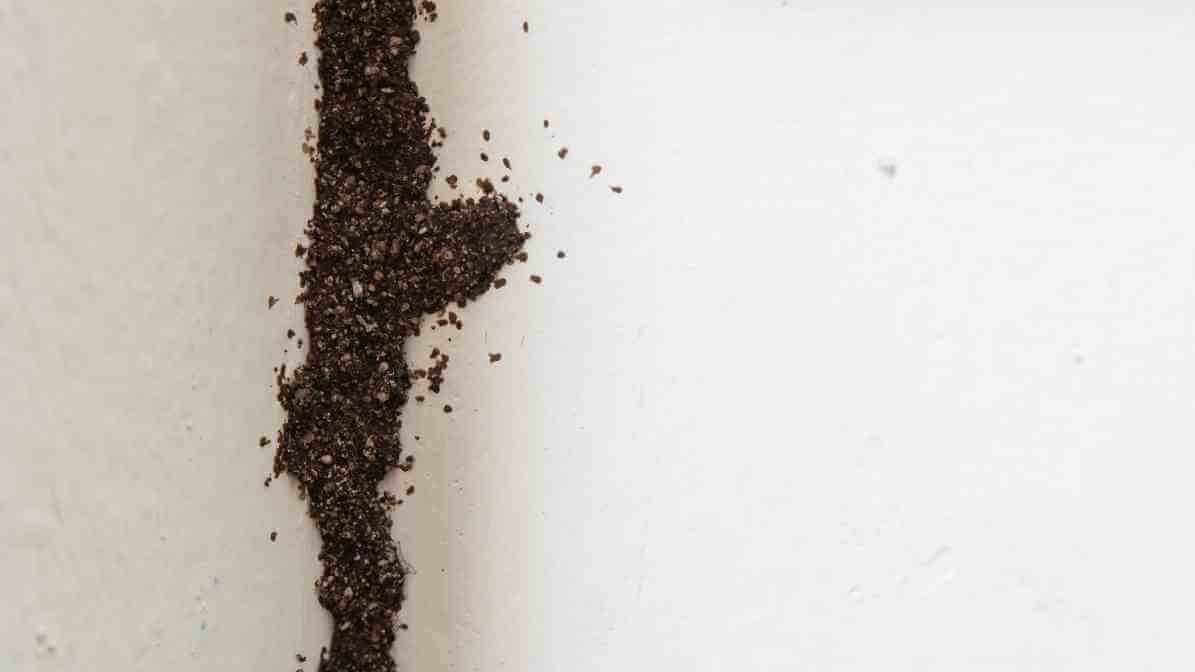
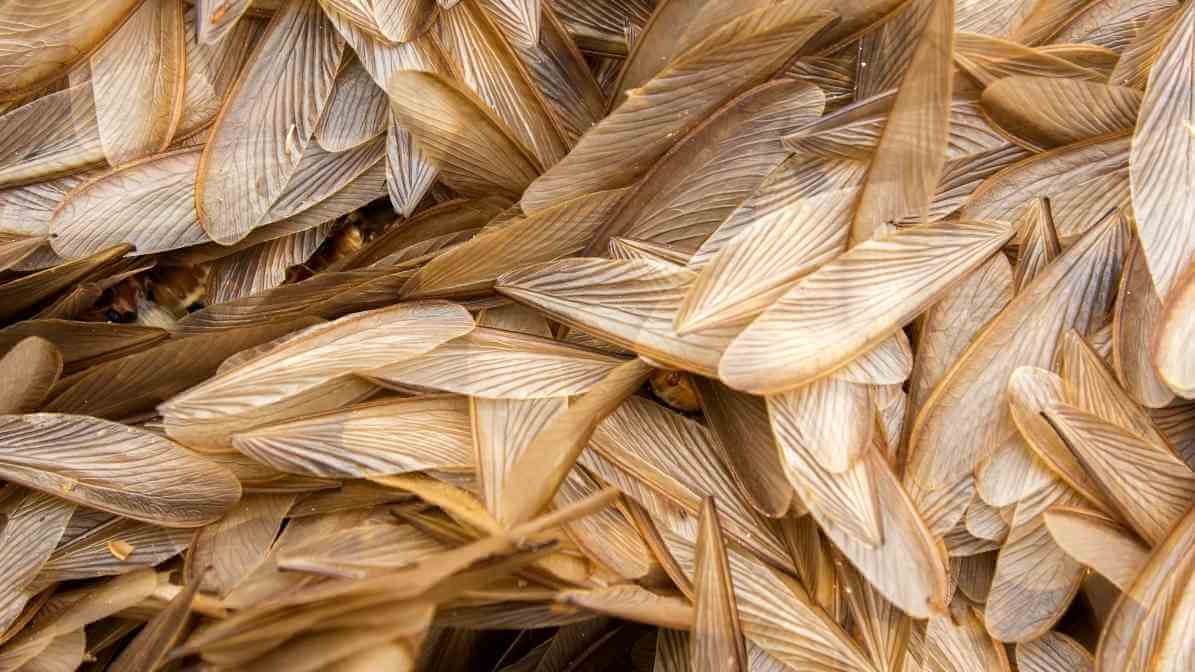
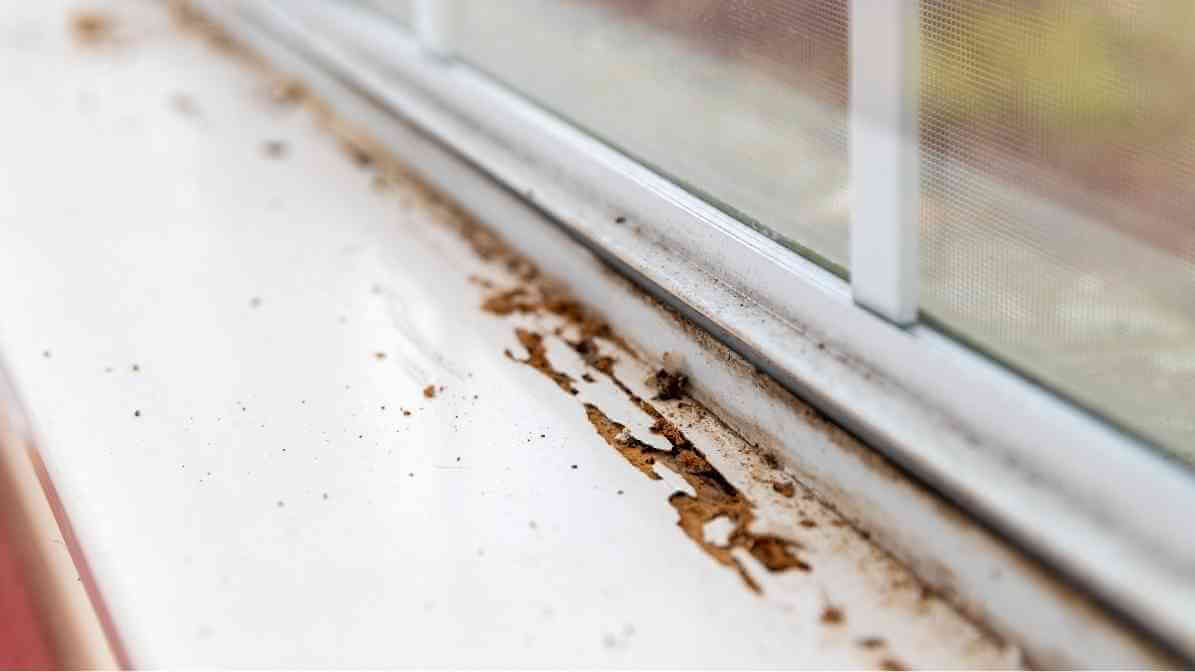
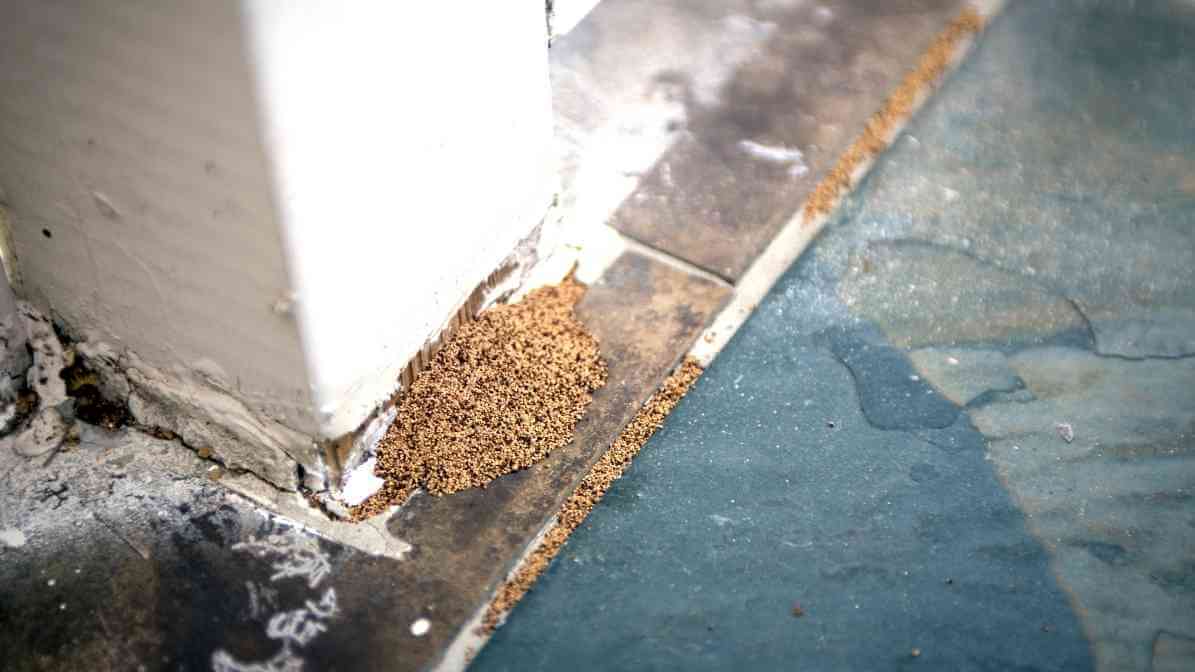
Common Signs of Termite Activity
Anti-Termite Treatment Methods
Soil Barrier Treatment
Most CommonWood Treatment Injection
Active GalleryReticulation System
10-Year ProtectionRodding Treatment
Soil PerimeterPreventative or Corrective: Which Do You Need?
- Recommended for any property with no existing treatment or expired warranty
- Applied as pre-construction soil treatment before the concrete slab is poured
- Black polythene cover sheet applied over treated soil to protect from rain and sun degradation
- Most cost-effective form of termite protection — full soil access means complete coverage
- Ideal for new builds, properties undergoing major renovation and early-stage landed homes
- Required for BCA and HDB structural warranty programmes — documented treatment certificate issued
- Applied after infestation is confirmed by thermal imaging and moisture meter survey
- Drill-and-inject method delivers termiticide beneath the existing slab and into wall voids
- Rodding used where slab access is limited due to finishes, tiles or raised foundation
- Treatment effective within 4 to 8 weeks as colony absorbs termiticide through trophallaxis
- Property can be occupied throughout treatment — no evacuation required
- Corrective report issued documenting all treatment points and warranty terms for insurance records
Step-by-Step Corrective Treatment Process
Corrective Soil Treatment — Live Field Work
When Is Soil Treatment Recommended vs Baiting?
Use Soil / Chemical Treatment When:
- Active infestation in structural members requiring immediate control
- New construction — pre-construction treatment before slab pour
- Property with subfloor soil access for injection
- Corrective treatment after previous termite damage
- High-risk commercial property requiring long-term chemical barrier
- Property warranty requires chemical barrier record
Consider Baiting When:
- Minimal structural access for drilling
- HDB flat or condo — no subfloor access
- Owner prefers no chemical injection inside the building
- Preventive monitoring programme after existing treatment expires
- Infestation is confirmed subterranean and accessible from outside
- You want colony elimination including the queen, not just a barrier
How Termite Control Works in Singapore
Pre-Construction vs Post-Construction Anti-Termite Treatment
- Termiticide applied to exposed soil before slab pour — penetrates deeply into foundation soil
- Physical termite barrier membrane installed over treated soil in some applications
- Coverage includes all foundation contact zones, plumbing penetration points and expansion joints
- Most cost-effective form of anti-termite protection — soil is fully accessible
- BCA and HDB structural warranty programmes require documented pre-construction treatment
- Active protection period: 5 to 10 years depending on soil conditions and termiticide used
- Drill-and-inject method: holes drilled at 30cm intervals through floor slab, skirting boards, external walls
- Termiticide injected under pressure to create soil barrier beneath existing slab
- Additional injection into active gallery sites and infested timber elements
- More complex than pre-construction — some areas may have limited access
- Corrective report documents all treatment areas for insurance and property records
- Recommended when: active infestation found, existing treatment warranty expired, buying second-hand property
What to Expect From Your Treatment Warranty
What to Do After Anti-Termite Treatment
Immediately (Day 1 to 7)
- Allow treated areas to dry completely before foot traffic over injection points
- Do not water garden areas adjacent to treated soil for 7 days — this dilutes the termiticide barrier
- Ventilate treated rooms for 24 hours if indoor injection was performed
- Keep children and pets away from drill-point areas until fully patched
Short-Term (Week 2 to 8)
- Monitor for any continuing termite activity — some may continue feeding on existing bait for up to 6 weeks
- Do not disturb treated soil areas — avoid deep digging or planting near the building perimeter
- Contact us immediately if you observe fresh mud tubes or active swarming
- First follow-up inspection is scheduled within 4 to 8 weeks of treatment
Long-Term (Annual)
- Schedule annual termite inspection — thermal imaging to confirm barrier integrity
- Renew treatment before warranty expiry — do not wait for new infestation
- Keep records of treatment date, termiticide used and warranty documents for property resale
- Address any moisture issues — leaking pipes, poor drainage — as water attracts termites to treated areas
Property Sale Preparation
- Request a formal treatment report from us — documents chemical used, application method and warranty period
- New owners should be informed of treatment history and upcoming inspection schedule
- For older properties, consider commissioning a pre-sale inspection report as a selling point
- Treatment records are increasingly reviewed by property valuers in Singapore
What You Get With Every Anti-Termite Treatment
Anti-Termite Treatment FAQs
How do I know if I need corrective anti-termite treatment?⌄
A corrective treatment inspection is recommended if you notice mud tubes on walls or skirting boards, hollow-sounding timber, bubbling or blistering paint, discarded termite wings, or visible frass near wooden structures. You should also consider treatment if you are buying a second-hand property with no pest certificate, or if your existing treatment warranty has expired.
What happens during the inspection and treatment visit?⌄
Our technician first conducts a thermal imaging and moisture meter survey of the property to map active termite galleries without destructive opening. Based on findings, a treatment plan is drawn up. For corrective treatment, holes are drilled at regular intervals through the slab and skirting boards, termiticide is injected under pressure, and all drill points are sealed and patched. A written report with warranty terms is issued at completion.
Which termiticide products do you use?⌄
We use Altriset (chlorantraniliprole) and Premise (imidacloprid) — both NEA-registered and approved for use in Singapore residential and commercial buildings. The choice depends on infestation type, property construction and owner preference.
Is anti-termite treatment safe for my family?⌄
Yes. Both Altriset and Premise are applied into soil and are not airborne. Altriset has exceptionally low mammalian toxicity — it is classified by the WHO as Unlikely to Present Hazard to Humans. Treatment areas can be occupied within hours of application.
Do I need pre-construction treatment for my new landed property?⌄
Yes. Pre-construction anti-termite soil treatment is strongly recommended and required for certain structural warranty programmes. It is far more cost-effective than corrective treatment and provides 5 to 10 years of protection. It must be applied before the concrete slab is poured.
Do you provide a written warranty for anti-termite treatment?⌄
Yes. Every corrective and pre-construction treatment we carry out is issued with a written warranty certificate. The warranty documents the product used, area treated, coverage period and inspection schedule. This certificate is important for property resale and for structural warranty compliance with BCA and HDB programmes.
Can you treat after renovation or when buying a resale property?⌄
Yes. Post-renovation treatment is common where groundworks have disturbed an existing chemical barrier. For resale properties, we can inspect and treat before or after the transaction is completed. If no pest certificate exists for the property, a thermal imaging inspection before purchase is strongly recommended to assess infestation risk and treatment requirements.