
Rapid Growth Invasion of Cockroaches in Cars Across Singapore
May 27, 2018
Innovative Helping the Vulnerable: NKF Singapore Bedbug Treatment
May 29, 2018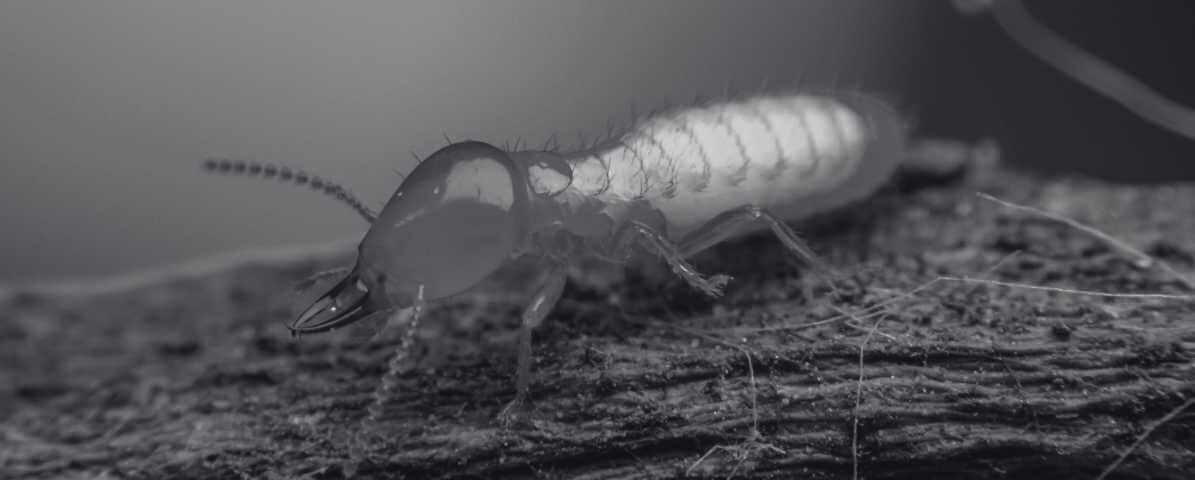
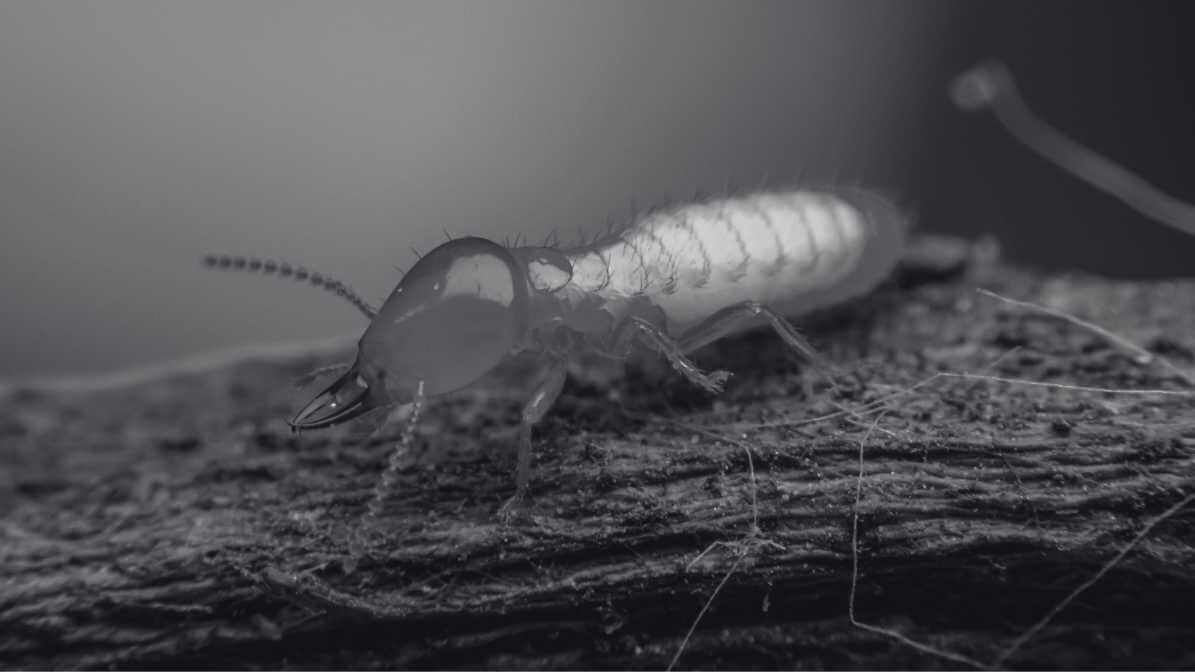
Termites are one of Singapore's most destructive pests, silently damaging homes, offices and warehouses every year. A colony can cause structural damage worth thousands of dollars before any visible signs appear. Among all available termite control methods, the termite baiting system consistently delivers the most thorough outcome for subterranean species: colony elimination from within.
01. What Is Termite Baiting?
Termite baiting is a pest control method that uses slow-acting insect growth regulators to eliminate subterranean termite colonies from within. Rather than applying a chemical barrier to repel or kill termites on contact, baiting exploits the social feeding behaviour of termite colonies to spread the active compound across the entire population.
The active ingredient in Xterm bait stations is noviflumuron, developed by Sumitomo Chemical. When foraging worker termites consume the bait, they carry it back to the colony and share it with other members through trophallaxis, the process by which termites regurgitate and transfer food. The IGR then disrupts the moulting cycle of colony members, gradually preventing population growth and leading to full colony collapse.
This guide explains how and why baiting works at the colony level. For service details, station types, coverage areas and booking, see the service pages:
02. Understanding Subterranean Termites and Their Behaviour
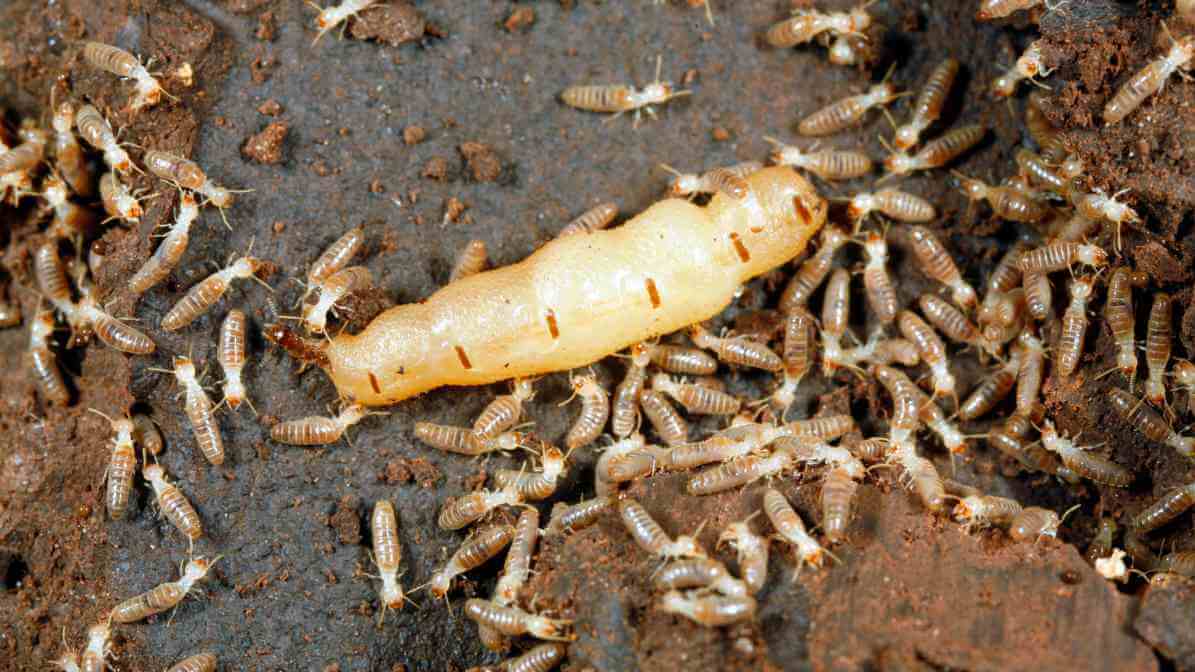
To understand why termite baiting is effective, it helps to understand how subterranean termites are organised. These termites live underground or within concealed wall voids, forming colonies that can number in the hundreds of thousands. Unlike drywood termites, subterranean species require soil moisture to survive and build mud tubes to reach above-ground food sources such as timber and cellulose.
The queen is protected deep within the nest, far from any surface-applied treatment. This is why traditional chemical methods rarely eliminate the colony. Baiting reaches the queen by using the colony's own workers as carriers.
Responsible for reproduction. The queen can lay thousands of eggs daily. Eliminating the queen causes permanent colony collapse.
Feed the colony, maintain mud tunnels and forage for cellulose. Workers are the primary carriers of the IGR back to the nest.
Defend the colony. Cannot feed themselves and rely on workers for nutrition, making them susceptible to IGR spread through trophallaxis.
Winged termites that leave the colony to form new nests. Swarming indoors is a strong indicator of an established nearby colony.
03. Why Traditional Termite Treatments Fall Short
Many property owners facing a termite infestation initially reach for liquid termiticides, foams or contact dusts. These methods can kill termites on contact but rarely address the colony itself.
Note: Soil treatment and termite baiting serve different purposes. Soil treatment creates a chemical barrier for new construction or to protect a building's perimeter. Baiting eliminates an active subterranean colony. For many Singapore properties, both methods are used in combination.
› Anti-Termite Soil and Corrective Treatment04. How the InnoTermite Xterm System Works
The InnoTermite Xterm system is a licensed termite baiting programme using Sumitomo Chemical's Xterm bait stations. It combines in-ground and above-ground station types with scheduled monitoring to deliver systematic colony elimination.
A detailed inspection identifies termite species, activity zones, mud tube locations and entry points. This determines whether in-ground stations, above-ground stations or a combination is appropriate for the property.
In-ground (IG) stations are placed around the perimeter in high-risk zones. Above-ground (AG) stations are deployed at active gallery sites and visible mud tube locations. All stations are tamper-proof and discreet.
Worker termites find the bait, feed on it and return to the colony. Through trophallaxis, the noviflumuron IGR is shared with soldiers, nymphs and ultimately the queen.
As the IGR disrupts moulting across the colony, worker and soldier populations decline. The colony loses the ability to feed itself and collapses over six to twelve weeks.
Each inspection is documented with a digital service report. Bait consumption, station status and any new activity are recorded. Bait is replenished and additional stations installed if needed.
For full service coverage, station specifications, property suitability and booking information, see the dedicated service pages:
Book a Free Termite Inspection
Our licensed specialists will identify the termite species, assess the colony extent and recommend whether baiting, soil treatment or a combination applies to your property.
05. Termite Baiting System Reviews: What Clients Experience
Termite baiting system reviews from Singapore homeowners and commercial clients consistently highlight three outcomes: visible reduction in termite activity within weeks, minimal disruption during installation, and confidence in the ongoing monitoring programme.
Most clients observe a noticeable reduction in mud tube activity and swarming within four to eight weeks of bait station installation. Full colony elimination is typically confirmed by the three-month inspection.
Feedback consistently highlights punctual scheduling, transparent service reporting and accessible technician notes. Every service visit generates a digital report documenting station status and bait consumption.
Bait station installation is non-invasive. In-ground stations require small ground-level placements along the perimeter. No drilling into floors or walls is required unless above-ground stations are deployed at active sites.
Clients with long-term maintenance contracts report confidence in the warranty terms and the structured follow-up inspection schedule. Transparent documentation of each visit supports property records and resale requirements.
06. Safety and Environmental Benefits
The InnoTermite Xterm baiting system is designed for safety and minimal environmental impact. Because the bait is contained within tamper-proof ground stations rather than applied as a liquid spray, exposure risk to occupants is virtually eliminated.
Early detection matters. Because subterranean termites cause no immediately visible surface damage, many property owners underestimate the risk. Annual termite inspections using thermal imaging are the most reliable way to detect colony activity before structural damage occurs.
07. Frequently Asked Questions
Eliminate Termite Colonies at the Source
If you suspect a subterranean termite infestation, early inspection is the most important step. Our licensed specialists identify the species, assess the colony extent and recommend the right treatment. Do not wait for structural damage to become visible.