

Innovative Ways to Pest-Proof Your Landed Property in Singapore
August 17, 2023
Powerful Tips to Treat Painful Ant Bites in Singapore
July 14, 2025

In Singapore, the Aedes mosquito — the primary vector of dengue, Zika, and chikungunya — breeds exclusively in clean, stagnant water. The NEA's approach to mosquito control is built on a single principle: eliminate all standing water. Every mosquito control tip in this guide is rooted in that understanding.
- ✓Eliminating breeding grounds is the single most effective mosquito control tip available
- ✓Check all 9 breeding site categories weekly — not just the obvious ones
- ✓Aedes mosquitoes breed in as little as 1 teaspoon of still water
- ✓Physical barriers (mosquito nets, window screens) prevent bites even when outdoor breeding exists
- ✓Professional fogging and BTI larviciding address breeding that DIY methods cannot reach
Why Preventing Mosquito Breeding Matters — The Singapore Context
Singapore's year-round warm, humid climate creates ideal conditions for continuous mosquito breeding. Unlike temperate countries with seasonal mosquito breaks, Singapore residents must implement mosquito control tips consistently throughout the year. The consequences of uncontrolled mosquito breeding are serious:
Singapore reports thousands of dengue cases annually. Severe dengue causes haemorrhagic fever and can be fatal. The Aedes mosquito is the primary vector and breeds in urban environments.
Transmitted by Aedes mosquitoes, Zika is particularly dangerous during pregnancy. Singapore has documented Zika outbreaks and the risk remains persistent due to the active mosquito population.
Causes severe joint pain that can last weeks to months. Singapore has seen localised chikungunya clusters in residential areas. Prevention is significantly more effective than treatment.
Failure to eliminate mosquito breeding grounds on your property can result in NEA fines of up to $200 per breeding spot found during inspections. Repeat offences carry higher penalties.
How to Stop Mosquito Breeding — 9 Breeding Sites to Eliminate
The most critical mosquito control tip is weekly inspection of all potential breeding sites. These are the 9 most common locations where mosquitoes breed in Singapore homes — many of which homeowners overlook:

Clear outdoor puddles, depressions in soil, and low-lying paved areas that accumulate rainwater. Mosquitoes can complete larval development in water as shallow as 1cm.
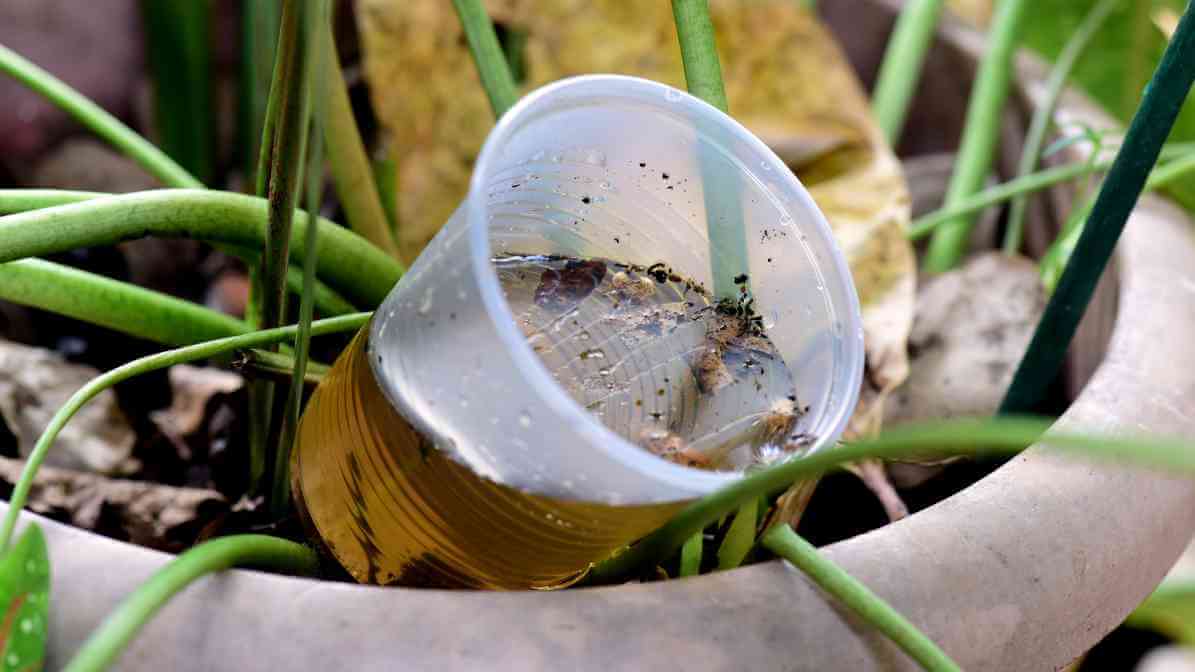
Remove all water-collecting containers: empty cans, pails, old tyres, bottles, and plant saucers. Turn containers upside down when not in use. This is the most important mosquito control tip for households.
Flush and scrub plant saucers and drip trays weekly. Standing water in potted plant trays is one of the most commonly missed breeding sites in Singapore HDB flats.
Flower vases, bamboo luck plant containers, and decorative water features with still water support larval development. Change water in vases every 2–3 days and scrub the interior.
Roof gutters blocked with leaf litter create standing water pools invisible from the ground. Clear gutters monthly — particularly during Singapore's rainy season when gutters fill rapidly.
Old tyres, buckets, and vehicle parts stored outdoors collect and hold rainwater for weeks. Store tyres under cover or drill drainage holes. This is a classic high-volume Aedes breeding site.
Unmaintained ponds and water features allow still water to stagnate. Stock ornamental ponds with mosquito-eating fish, maintain water circulation, and apply BTI larvicide monthly.
Dry floor traps where the water seal has evaporated can allow mosquito entry from drains. Pour water into dry floor traps weekly and apply BTI granules to active drains showing larval activity.
Natural cavities in trees, bamboo stumps, and plant axils collect rainwater. Fill tree holes with sand or cement mortar. Cut bamboo stems at the node to prevent water pooling inside.
How to Get Rid of Mosquitoes Inside Your Home
Once mosquitoes enter your home, eliminating them requires a multi-layered approach combining physical barriers, chemical treatment, and room-level control:
Mosquitoes are poor fliers in moving air. Placing fans at doorways and windows creates an air curtain that prevents mosquito entry and dramatically reduces their ability to land and bite.
Pyrethrin-based mosquito coils or electric mat vaporisers are effective in enclosed rooms. Use in well-ventilated areas — avoid prolonged exposure to coil smoke for respiratory health.
Intact mosquito screens on all windows and doors are the single most effective passive mosquito control measure for Singapore homes. Inspect screens monthly for tears or gaps.
Impregnated mosquito nets for beds provide chemical-free protection especially for young children and elderly family members during peak dengue season. Replace nets that show significant wear.
How to Prevent Mosquito Bites — Personal Protection Tips
Eliminating breeding grounds stops new mosquito generations. Personal protection tips reduce your exposure in the meantime and when you are outdoors:

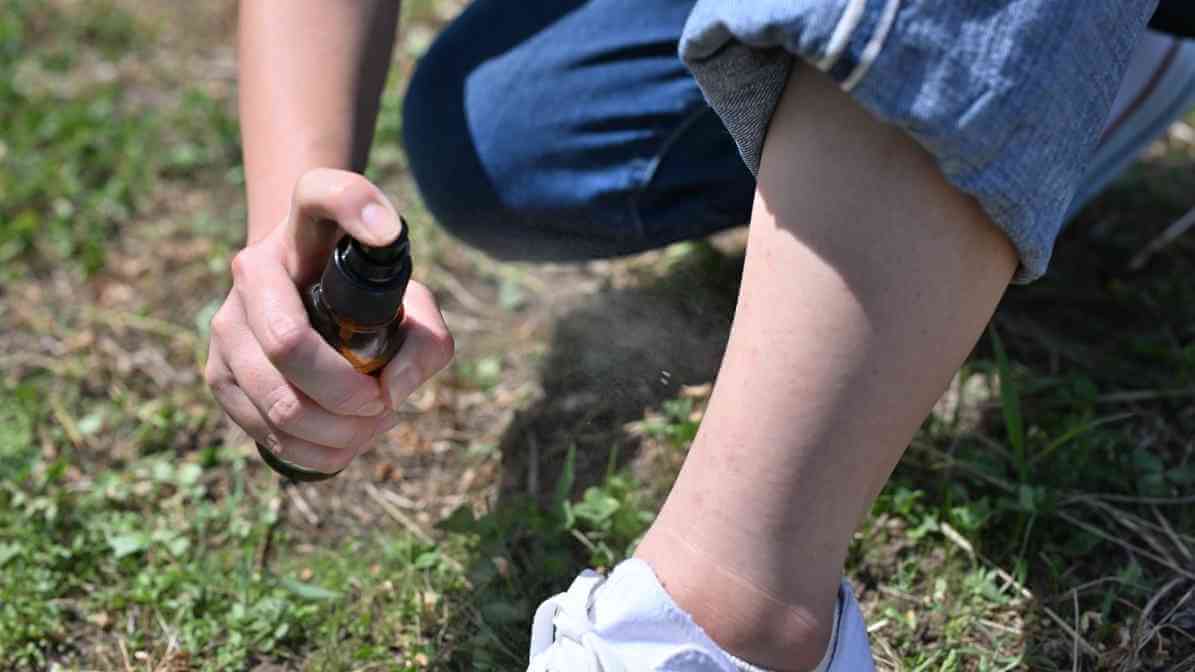
Apply 20–30% DEET repellent to exposed skin. Reapply every 4–8 hours. Picaridin-based repellents are an effective alternative that is less irritating to skin and clothing.
Light-coloured long sleeves and trousers during outdoor activities — particularly at dawn and dusk when Aedes mosquitoes are most active in Singapore.
CDC-approved as a natural alternative to DEET. Oil of lemon eucalyptus provides 6-hour protection and is suitable for adults and children over 3 years of age.
Aedes mosquitoes are most active 2 hours after sunrise and several hours before sunset. Schedule outdoor activities to avoid these windows during dengue season.
Book a Mosquito Inspection & Treatment
Our NEA-licensed team inspects all breeding sites, applies professional larvicide, and conducts targeted fogging to eliminate active mosquito populations in and around your property.
Mosquito Control Tips That Actually Work — The Weekly Routine
The NEA's Mozzie Wipeout campaign recommends the B-L-O-C-K mosquito control tips as a weekly home routine. Here is what each step means in practice:
Loosen hardened soil in potted plants to prevent water pooling on the surface. Add sand on top of soil in plant pots to reduce surface water retention.
Empty, clean, and scrub all flowerpot plates and saucers weekly. Remove any black slime — this can contain mosquito eggs that survive even after water is removed.
Turn all unused pails, buckets, and water collection containers upside down when not in use. Even inverted containers can collect water in depressions — remove completely if possible.
Replace water in vases, aquatic plant displays, and lucky bamboo containers every 2–3 days. Scrub inner surfaces to remove egg rafts that adhere to container walls.
Clear gutters and downpipes of leaf debris monthly. Install gutter guards to reduce accumulation. Inspect roof drain outlets to ensure free flow after every heavy rainstorm.
When to Call a NEA-Licensed Mosquito Control Professional
DIY mosquito control tips are effective for maintenance — but professional intervention is required in these situations:
Thermal fogging kills adult mosquitoes in large outdoor areas rapidly. Effective for immediate population knockdown before a dengue cluster develops. Licensed professionals only.
Bacillus thuringiensis israelensis (BTI) is a biological larvicide applied to water bodies that cannot be emptied — drains, ponds, and large containers. Safe for humans, fish, and wildlife.
Professional inspection covers all potential breeding sites including inaccessible roof spaces, concealed drains, and garden areas that homeowners cannot safely inspect.
Scheduled quarterly professional mosquito control treatment keeps adult populations suppressed and breeding sites treated throughout Singapore's year-round mosquito season.
Mosquito Control Tips — Frequently Asked Questions
Professional Mosquito Control Tips in Action — From Inspection to Elimination
Our NEA-licensed mosquito control team conducts full breeding site audits, applies professional larvicide, and delivers targeted fogging to eliminate mosquito populations across your entire property.