
Pre Move Checklist for Moving into Your New Home
August 17, 2023
The Expert Guide to Prevent Mosquito Breeding and Bites
January 31, 2025

Pest-proofing a landed property is fundamentally different from treating an HDB flat. You have a garden, direct soil contact, more windows and doors, drainage systems, roof spaces, and often older structural elements. Every one of these represents a potential entry point or breeding site. This guide walks through the systematic approach IPM uses for landed properties across Singapore.
- ✓Landed properties face significantly higher risk from termites, rodents, ants, and mosquitoes than HDB flats
- ✓Structural gaps, garden soil, and drainage systems are the primary pest entry and breeding pathways
- ✓Termites cause the most expensive damage — and are active before you see any visible signs
- ✓A quarterly pest maintenance programme is the most cost-effective approach for landed homes
Why Landed Properties in Singapore Face Higher Pest Pressure
Landed properties in Singapore present a fundamentally more complex pest management challenge than high-rise HDB units. The structural and environmental characteristics that make landed living desirable — gardens, space, older architecture, mature trees — also create concentrated pest risk:
The building structure contacts soil directly — the natural habitat of subterranean termites, ants, rodents, and ground-dwelling beetles. HDB units have no soil contact below the 2nd floor.
Bungalows and terrace houses have 4–6 exterior doors, multiple garage access points, many windows, and utility penetrations — each a potential pest entry point if not properly sealed.
The garden provides a permanent pest reservoir. Ant colonies, mosquito breeding water, rodent nesting ground, and subterranean termite colonies all originate in garden soil and migrate indoors.
Pitched roofs, roof spaces, and suspended floor cavities provide sheltered, difficult-to-inspect areas where rodents, cockroaches, and snakes can establish undisturbed nesting sites.
Common Pest Threats That Enter Your Landed Home
These are the six primary pest threats facing Singapore's landed property owners — and how each enters and damages the property:
Formosan and Asian subterranean termites travel through soil to access your foundation and timber elements. They work silently — a colony can cause $50,000+ in structural damage before visible signs appear. All wooden structural elements in landed homes are at risk.
Roof Rats (Rattus rattus) access your attic via roof overhangs and trees. Brown Rats (Rattus norvegicus) burrow under garden soil to access the sub-floor. Both gnaw electrical wiring, contaminate food, and spread leptospirosis.
American cockroaches (large, dark brown) enter through drains and garden. German cockroaches infest kitchens rapidly once introduced. Cockroach allergens are a serious asthma risk and they contaminate food surfaces as they move through your kitchen at night.
Landed gardens host fire ant colonies, carpenter ant nests in garden wood, and ghost ant supercolonies that migrate indoors. Fire ants near recreational areas and play areas pose a direct safety risk to children.
Garden areas generate significantly more mosquito breeding opportunities than HDB balconies. Blocked drains, flower pot saucers, garden containers, tree holes, and ornamental ponds create year-round Aedes breeding sites on your property.
Introduced via second-hand furniture, luggage, or visitors. Larger landed homes with multiple guest rooms and more sleeping areas increase bed bug spread risk. Heat treatment is the most effective elimination method.
Key Areas to Inspect in Your Semi-Detached, Terrace, or Bungalow Home
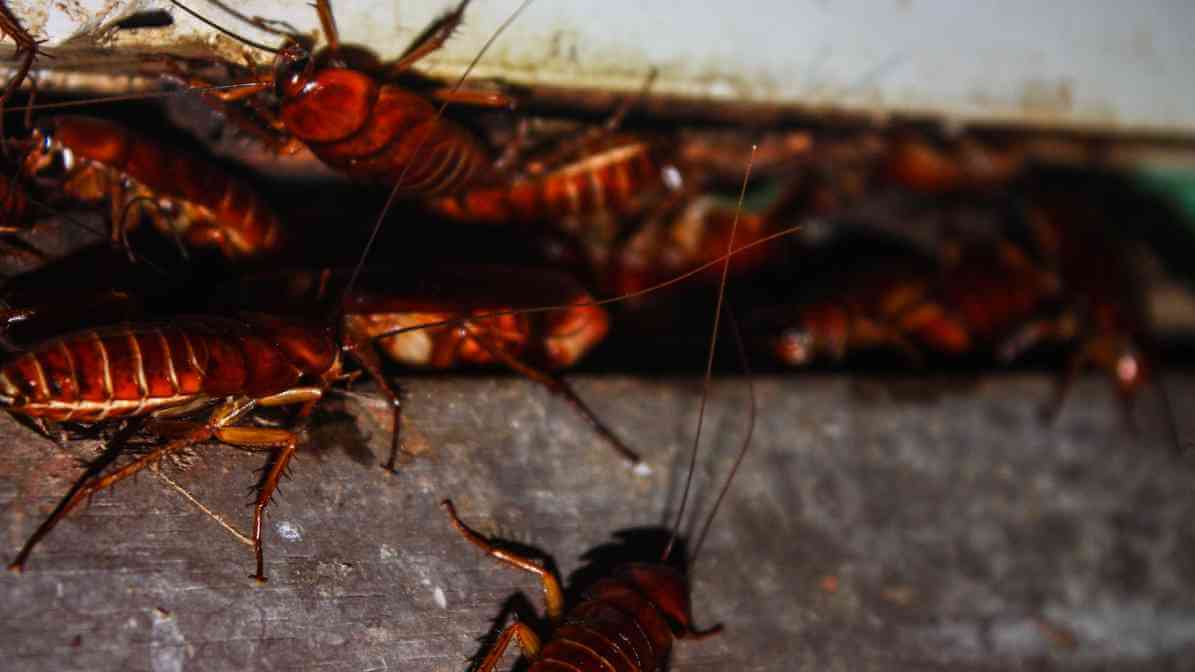
A systematic pest inspection covers every zone of your landed property. These are the critical inspection areas IPM technicians assess:
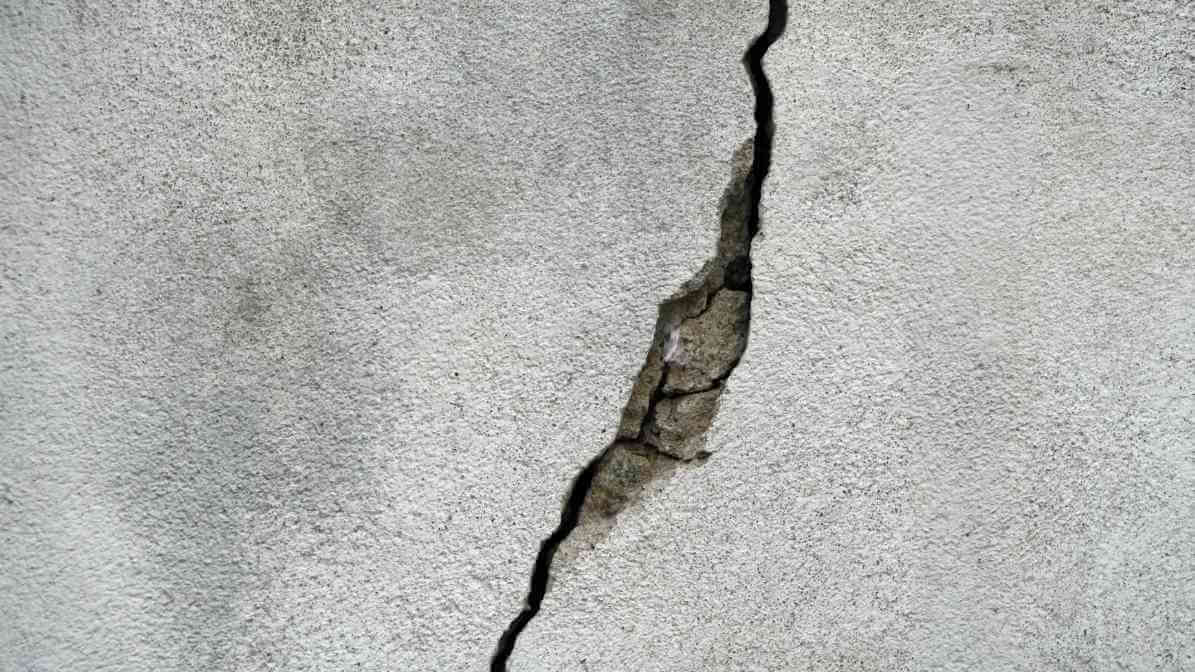
Check sub-floor areas for rodent burrows, termite mud tubes, moisture damage, and ground contact wood. Foundation cracks wider than 3mm require sealing with mortar.
Inspect roof voids for rodent droppings, gnawed insulation, rodent entry holes at eaves, and any bird nesting that attracts bird mites or secondary pest infestations.
Inspect all floor traps, toilet bowl connections, and outdoor drain points for cockroach activity. Check drain covers are intact — broken covers are primary cockroach and rodent entry routes.
Check garden beds for ant mounds, look for fire ant activity in lawn areas, inspect compost bins, and identify all standing water sources within the property boundary.
Inspect all timber elements — roof beams, window frames, skirting boards, garden decking, and decorative woodwork — for termite mud trails, hollow-sounding timber, and frass deposits.
Garages are high-risk areas due to their ground connection, storage of cardboard, and vehicle entry point gaps under roller doors that rodents and cockroaches use freely.
Termite Threats in Landed Homes — Early Warning Signs
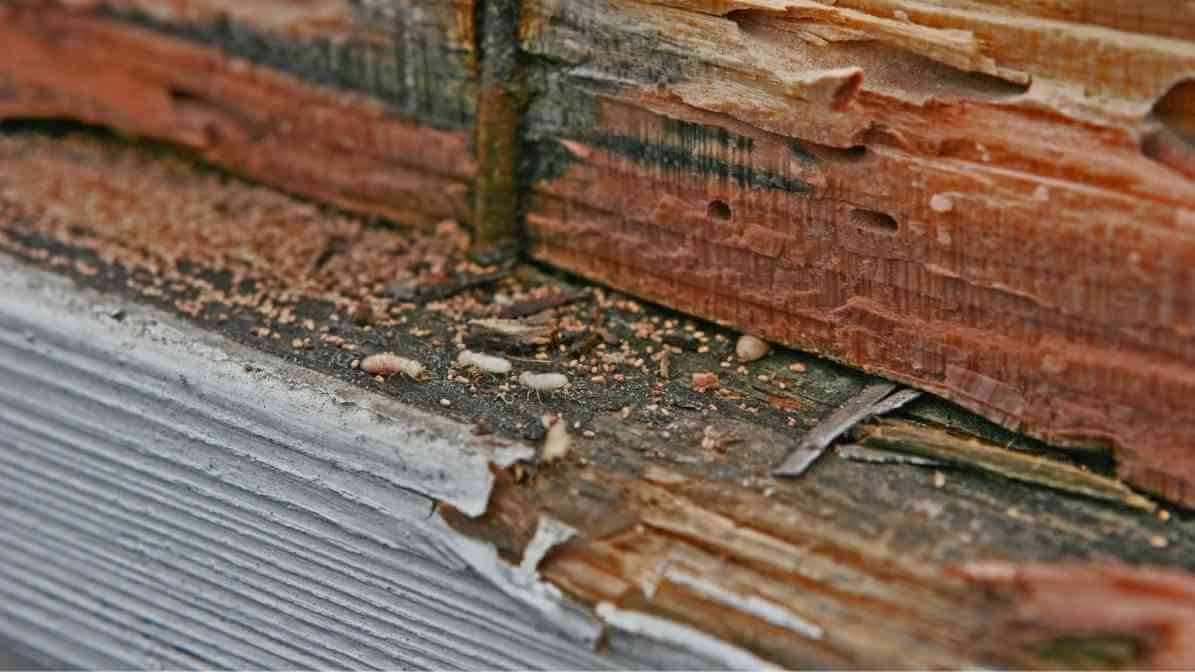
Termites are the most financially damaging pest for Singapore's landed property owners. Look for these early warning signs before structural damage becomes severe:
Pencil-width mud tubes along foundation walls, skirting boards, or wooden beams are the clearest sign of subterranean termite activity. Never remove them without first calling a professional.
Tap window frames, skirting boards, and structural timber. A hollow or papery sound indicates termite tunnelling inside. Externally intact timber can be internally completely hollow.
Piles of small wings near window sills or light sources after a warm rain indicate a termite swarm — reproductives have left an established colony nearby to found a new one.
Termite activity produces moisture that can cause wooden door and window frames to swell, making them stick. This is often dismissed as humidity — but it can indicate active termite tunnelling inside the frame.
Implementing Effective Pest-Proofing Strategies for Landed Homes
Effective pest-proofing for a landed property operates on three levels: structural exclusion, environmental management, and professional treatment. All three are required for lasting control.
Book a Full Landed Property Pest Inspection
IPM technicians conduct room-by-room, roof-to-subfloor inspection covering all 6 major pest threats for Singapore's landed properties.
Use silicone sealant on all gaps around pipe penetrations, window frames, electrical conduits, and skirting board joints. Pay particular attention to gaps at ground level.
Rodents and cockroaches enter through the gap under exterior doors. Brush-type door sweeps and rubber threshold seals close this primary entry pathway.
Broken floor trap covers and outdoor drain grates are the most common cockroach and rodent entry routes in Singapore's landed homes. Replace within 48 hours of discovery.
Roof Rats access roof spaces via tree branches overhanging the roof. Maintain a minimum 1-metre clearance between tree branches and roof edges.
Weekly inspection and removal of all standing water in plant trays, garden containers, blocked drains, and clogged gutters — the BLOCK routine from NEA.
Clear garden clutter, remove wood piles directly on soil, and store cardboard boxes off the floor. Clutter provides nesting and harborage for every major pest species.
Maintain a 30–50cm bare soil or gravel border between your garden beds and the building perimeter. This breaks the moisture and harborage connection between garden and structure.
All food in airtight containers. Pet food lifted off the floor after each meal. Outdoor bird feeders attract both birds and the rodents that follow them — consider removing if rodent pressure is high.
Benefits of Professional Pest Control for Your Landed Property
For landed property owners, DIY pest control addresses symptoms. Professional pest control addresses the cause. Here's what a professional landed property pest programme includes:
Room-by-room, subfloor to roof inspection using professional detection tools including moisture meters and thermal imaging to locate active termite activity invisible to the naked eye.
Termiticide soil injection creates a chemical barrier around your foundation perimeter that prevents subterranean termite colony access. IPM provides both pre-construction and corrective soil treatment.
Tamper-resistant rodent bait stations placed at entry points and along perimeter walls provide continuous 24/7 rodent control without risk to pets or children.
Quarterly pest control visits for landed properties cover cockroach gel baiting, ant gel treatment, mosquito breeding audit, rodent monitoring, and termite inspection — all in one visit.
Landed Property Pest-Proofing FAQ
Pest-Proof Your Landed Property with Professional Precision
Our NEA-licensed team specialises in landed property pest control — full subfloor-to-roof inspection, anti-termite soil treatment, rodent perimeter control, and quarterly maintenance programmes for Singapore's bungalows, semi-detached, terrace, and cluster homes.