
Surprising Queen Bee Long Life is A Revolutionary Science
September 11, 2025
Reliable SFA-Compliant Pest Control for F&B Pest Management Singapore
September 17, 2025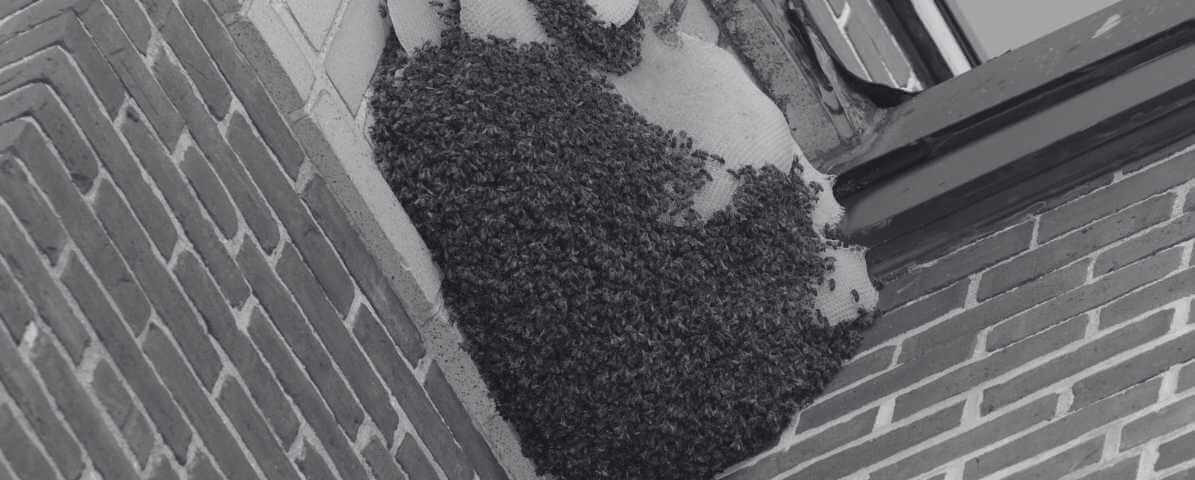
Singapore's urban density and year-round tropical climate create ideal conditions for bees. Green rooftop initiatives, community gardens and the Urban Redevelopment Authority's push for biophilic design have dramatically increased the number of flowering plants across HDB estates and commercial buildings — bringing bees with them. Most are harmless and ecologically vital. But when a colony establishes itself inside a wall cavity, ceiling void or aircon ledge, professional removal becomes necessary. Knowing your bee from your hornet, and understanding when a colony poses real risk, can prevent a dangerous encounter.
- ✓Singapore is home to several bee species — honey bees, carpenter bees, stingless bees and sweat bees are all regularly encountered in modern residential and commercial buildings.
- ✓Most solitary bees pose negligible risk; established colonies of honey bees or Malayan bees in structural cavities require professional removal — attempting DIY removal provokes mass stinging and can result in anaphylactic emergencies.
- ✓Carpenter bees drill into timber beams, fascia boards and furniture — the structural damage from repeated nesting seasons compounds significantly over time.
- ✓NEA-licensed removal uses targeted treatment and protective equipment — the only safe method for established colonies in occupied residential or commercial buildings.
Why Bees Are Thriving in Urban Singapore
Singapore's commitment to being a City in a Garden has created an unintended but welcome consequence — a thriving urban bee population. The proliferation of vertical gardens, sky parks, rooftop farms and community plots across Bishan, Tampines, Buona Vista and Punggol has transformed the urban food landscape for pollinators.
Honey bees in particular are opportunistic cavity nesters. In natural settings they colonise tree hollows; in Singapore's built environment they find equivalent spaces in roof eaves, aircon ledge gaps, wall cavities, meter box chambers and void deck recesses. A swarm that appears to "choose" your HDB corridor wall is simply doing what evolution programmed — finding a dry, enclosed space close to a food source.
Singapore context: NParks reports bee-related enquiries rising year on year as urban greening intensifies. Most encounters are with harmless foraging bees; however, colony establishment in structures requires professional intervention, not amateur spraying.
Bee Species Most Commonly Found in Singapore Buildings
Not all bees are the same. Identifying the species is the first step in assessing risk and determining the appropriate response.
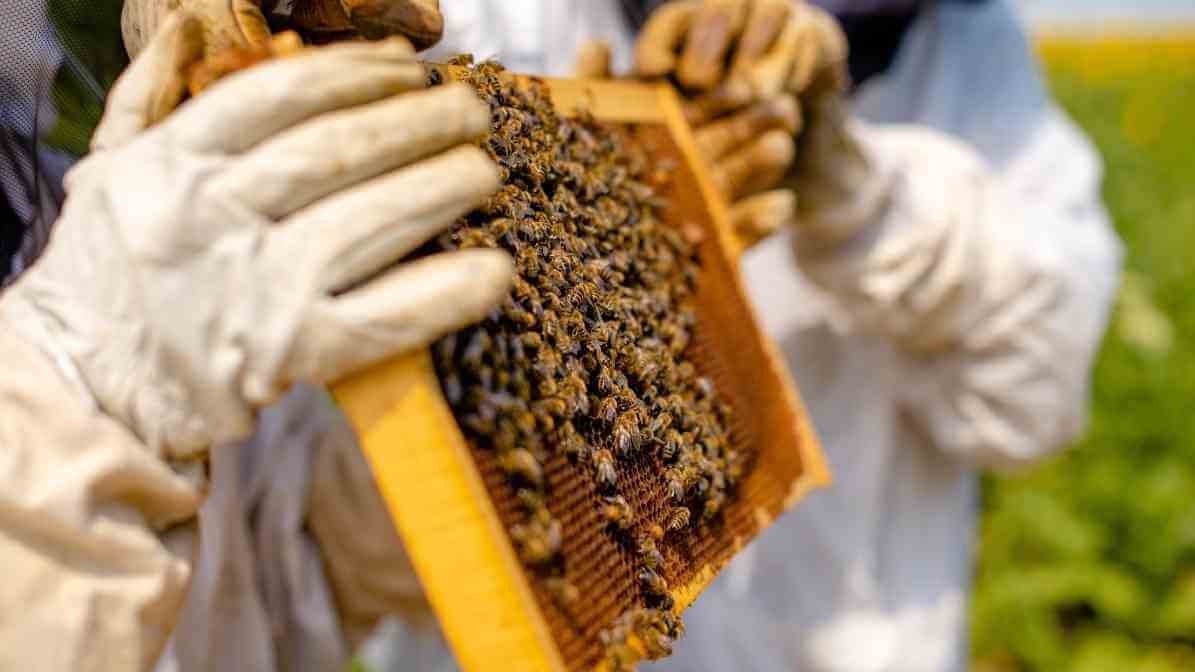
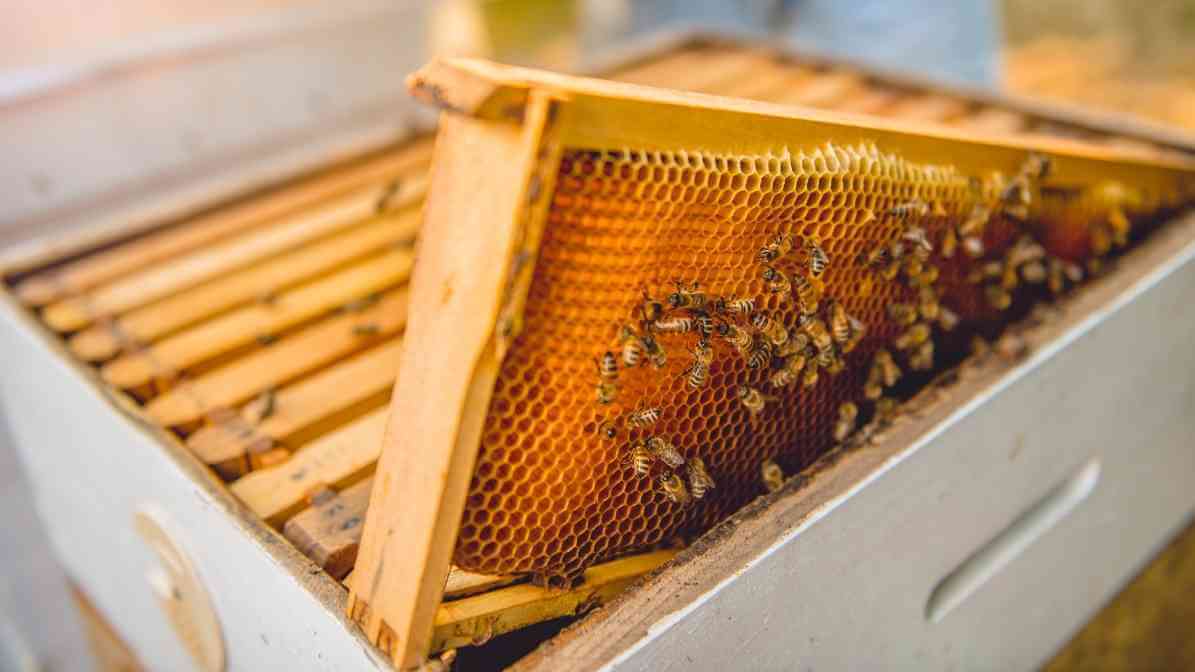
The most commonly encountered bee species in Singapore buildings. Golden-brown with darker banding, 12–15mm long. Honey bees build wax combs and establish permanent colonies that can grow to 50,000 individuals. They are defensive when disturbed but not inherently aggressive. Risk level: Medium — requires professional removal once established.
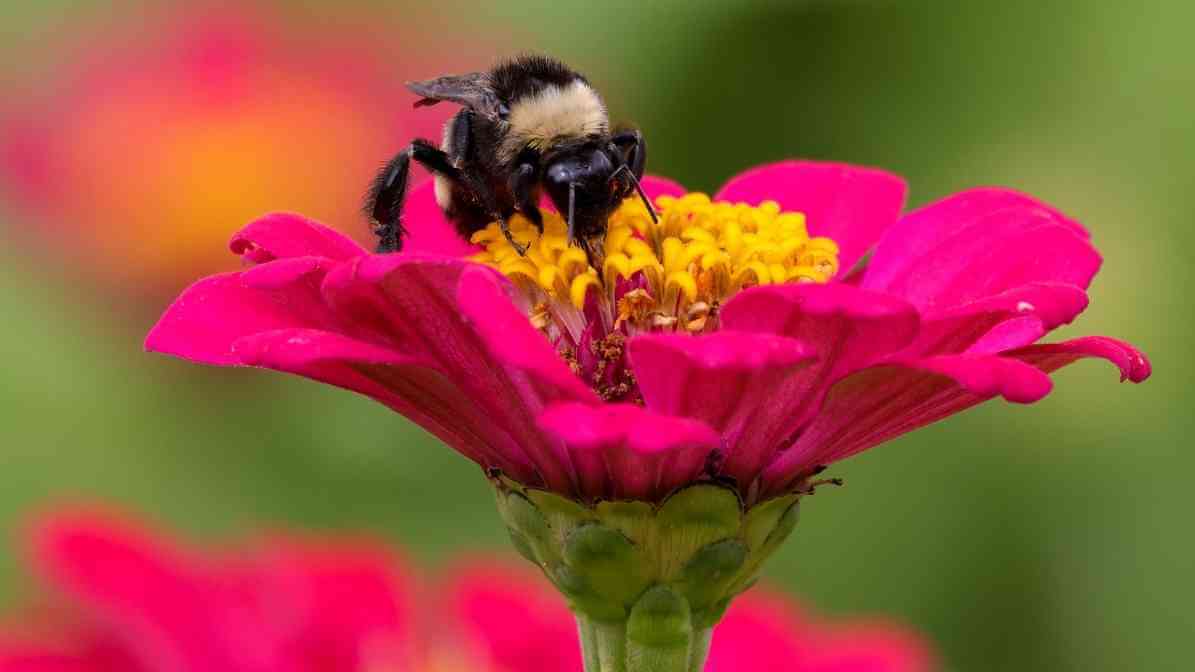
Large, robust bees (20–25mm) with a shiny black abdomen. Females drill near-circular holes 10–13mm wide into timber structures to create nesting galleries. Fascia boards, wooden pergolas, garden furniture and decking are primary targets. Risk level: Low sting risk, High structural damage risk.
Also called the Giant Honey Bee. Builds large open combs on building facades, under highway bridges, on transmission towers and tall trees. Extremely aggressive when disturbed — capable of pursuing threats over hundreds of metres. Risk level: High — do not approach. Call professionals immediately.
Tiny bees (5–8mm) attracted to human perspiration for the salts and moisture. Commonly encountered in outdoor dining areas, sports facilities and jogging paths. Solitary nesters — not colonial. Risk level: Very low — only sting if physically pressed against skin.
How Bees Behave in Modern Urban Settings
Understanding bee behaviour helps you assess whether a situation warrants professional intervention or simply patient observation.
A bee swarm is a colony in transit — they have left their old hive and are resting while scouts find a new home. Swarms typically move on within 24–72 hours if undisturbed. Do not spray, smoke or agitate them. Keep pets and children indoors and call a pest professional if the swarm has not moved after 48 hours.
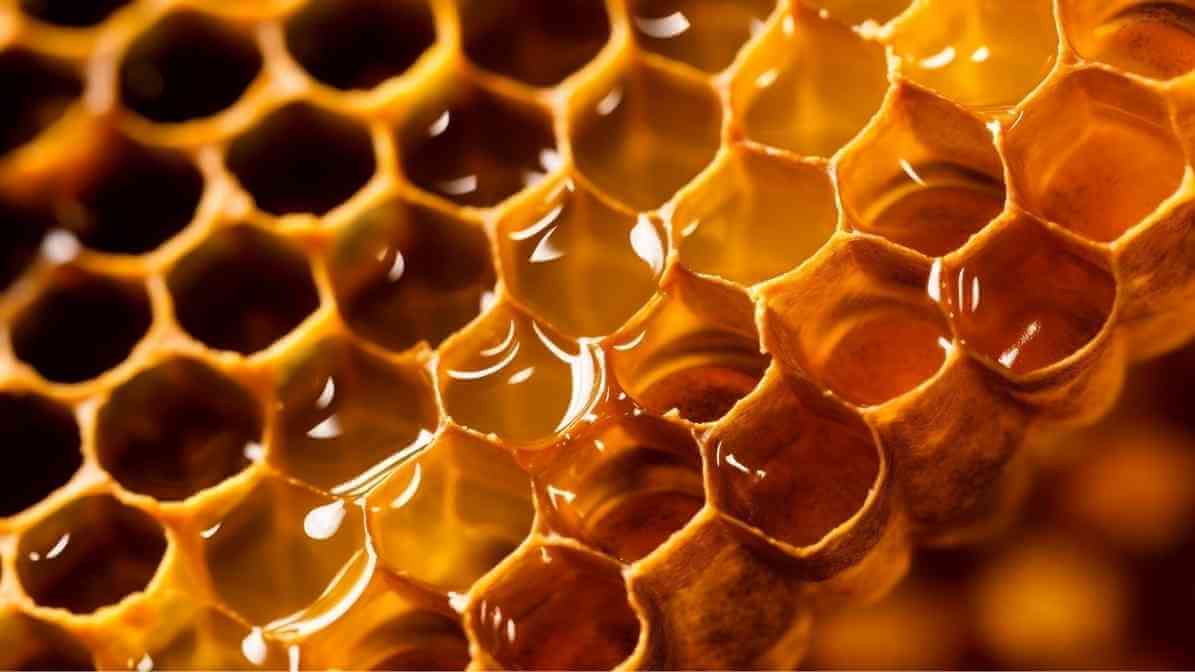
Once scouts select a cavity and workers begin building comb, the colony becomes established. Established colonies do not move on — they grow. A colony inside a wall cavity can reach 20,000–50,000 bees within a season and cause structural damage as wax comb and honey seep into building materials.
Bees sting to protect the colony. Vibration (drilling, hammering), strong scents (perfume, sweat), sudden movement near the nest entrance and dark clothing that resembles natural predators can all trigger defensive behaviour. The larger the colony, the more intense the defensive response.
Signs of a Bee Colony in Your Property
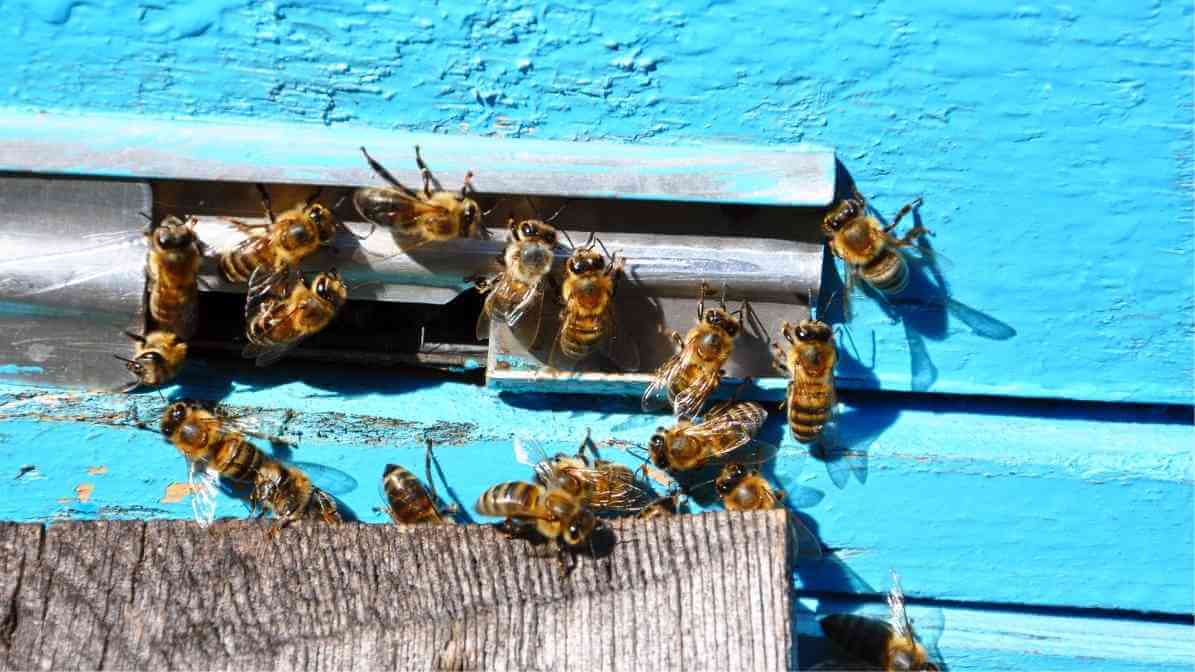
A consistent flight path entering and exiting a single point — a gap, crack, weep hole or vent — indicates an established colony inside the structure.
Dark staining or sticky patches on walls or ceilings, sometimes accompanied by a sweet odour, indicate wax comb and honey expanding inside cavities.
A low constant buzzing heard from walls, ceiling voids or floor cavities, especially noticeable in the late afternoon when the colony is most active.
Near-perfect circular holes approximately 10–13mm in diameter in unpainted timber, often with sawdust or yellow staining below. Check fascia boards, pergolas and garden furniture.
NEA-licensed specialists. Safe removal for all bee species. 7 days a week including public holidays.
Why DIY Bee Removal Is Dangerous
The internet is full of advice about smoking out bees, spraying insecticide directly into nest entrances or blocking the entrance hole. All of these approaches can trigger mass defensive stinging and none of them fully eliminate the colony.
Does not reach the interior of large colonies. Dying bees at the entrance release alarm pheromones that trigger an aggressive response from the rest of the colony.
Traps the colony inside walls, forcing bees to find alternative exits — often into the living space. The comb left behind will melt in Singapore's heat, causing significant structural and property damage.
Even a small disturbed colony can deliver hundreds of stings in seconds. Multiple stings carry cumulative venom load that can overwhelm even individuals with no prior bee allergy.
Professional Bee Removal in Singapore
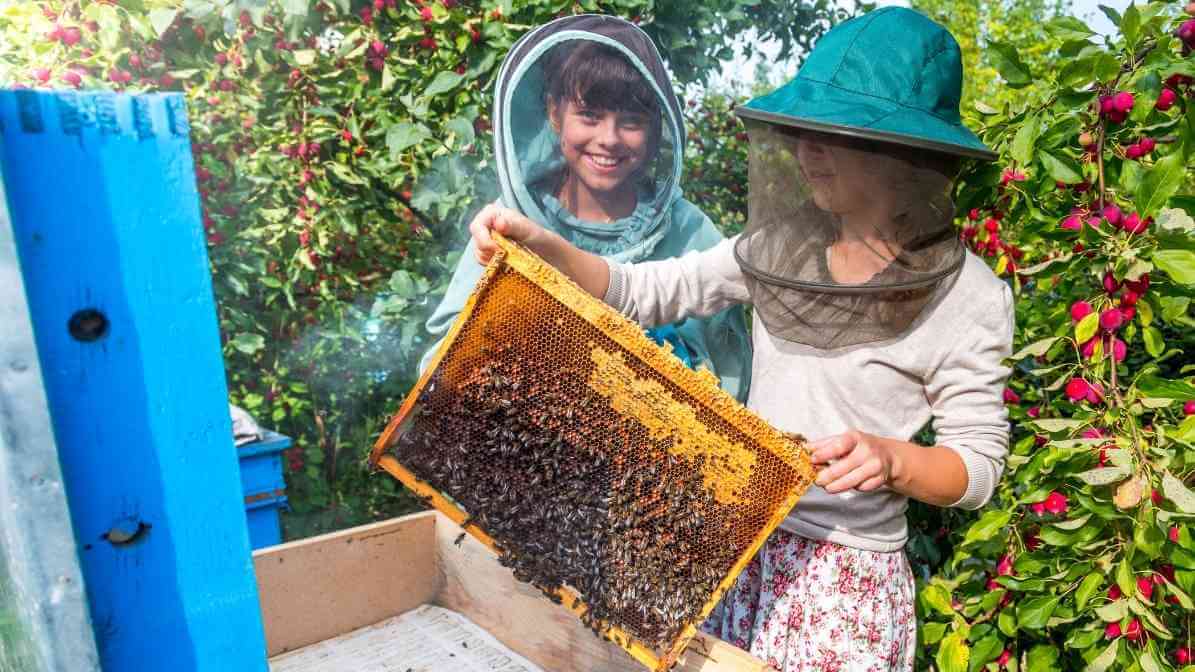
Innovative Pest Management's NEA-licensed technicians carry full protective equipment and use targeted treatments designed to eliminate the colony safely without triggering mass stinging events.
Site assessment to identify species, colony size, entry points and structural access requirements. Determines treatment protocol and equipment needed.
NEA-approved insecticide applied directly into colony harborage using injection equipment — minimising product spread and maximising contact with the full colony including brood and queen.
Where structurally accessible, dead comb is removed to prevent secondary pest attraction (ants, beetles) and honey seepage. Entry points are sealed to prevent re-colonisation.
Frequently Asked Questions
Bees in Your Building?
Call Singapore's Specialists.
From honey bee swarms to carpenter bee infestations, our NEA-licensed technicians handle every species safely — with full protective equipment and targeted treatment that eliminates the colony without dangerous DIY risk.