
Powerful Tips to Treat Painful Ant Bites in Singapore
July 14, 2025
The Powerful Anti Ant Gel in Singapore That Stops Ant Invasion
August 6, 2025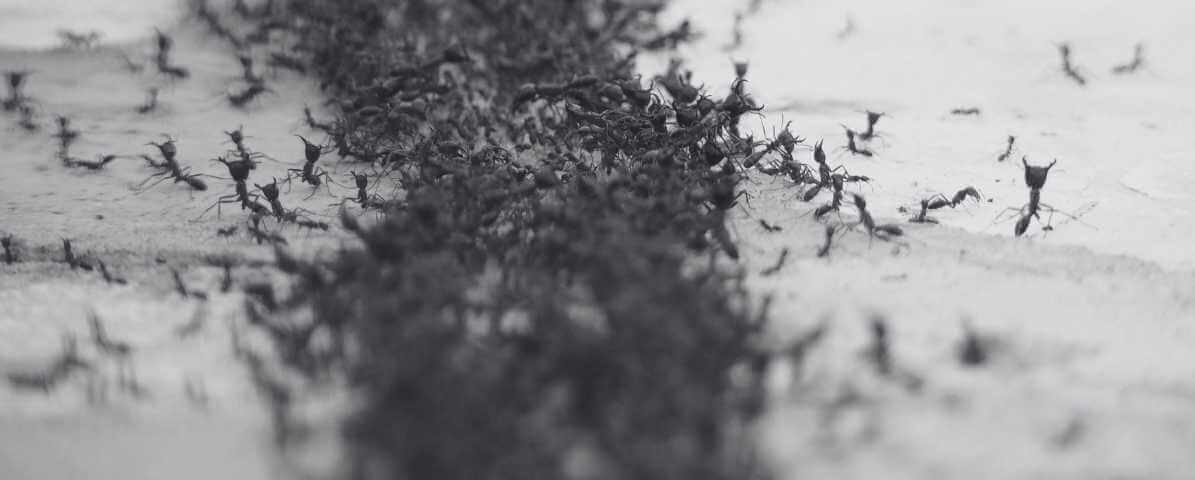

Natural ant repellents work by interfering with the pheromone communication trails ants use to navigate and recruit other workers to food sources. When you disrupt or mask these chemical signals, forager ants cannot return reliably to your kitchen — and the colony loses its ability to exploit your home as a food source. The effectiveness of each natural repellent varies by ant species, so understanding the science helps you choose the right remedy.
- ✓Natural ant repellents work by masking pheromone trails, not by killing ants or colonies
- ✓White vinegar and lemon juice are the most effective natural ant repellents for Singapore homes
- ✓Natural repellents work best for prevention — not for eliminating an existing infestation
- ✓Consistent application is required — most natural deterrents lose potency within 24–48 hours
- ✓Combine repellents with sanitation and sealing for the best long-term results
Why Choose Natural Ant Repellent? Understanding Ant Behaviour
Ants are social insects that rely almost entirely on chemical communication. Every time a forager ant finds food, it lays down a pheromone trail — an invisible chemical message — on the way back to the nest. Other workers follow this trail, reinforce it with their own pheromones, and within hours you have a disciplined ant highway running directly to your pantry.
Natural ant repellents work by one of three mechanisms: masking the pheromone trail with a stronger scent (vinegar, lemon, peppermint), creating a physical barrier ants avoid (diatomaceous earth, cinnamon, coffee grounds), or irritating ant sensory organs to deter feeding (citrus oils, cloves). None of these eliminate the colony — but applied consistently, they make your home an unattractive target.
Singapore Context: Ghost Ants, Pharaoh Ants, and Crazy Ants — the three most common indoor species in Singapore — respond strongly to pheromone disruption. Fire Ants and Carpenter Ants, which establish outdoor colonies, are less affected by natural repellents and usually require professional gel baiting.
6 Effective Natural Ant Repellents and Home Remedies for Singapore
These six natural ant repellents can be made from items readily available in any Singapore supermarket or pharmacy. Each works differently, and the best results come from rotating or combining several methods.
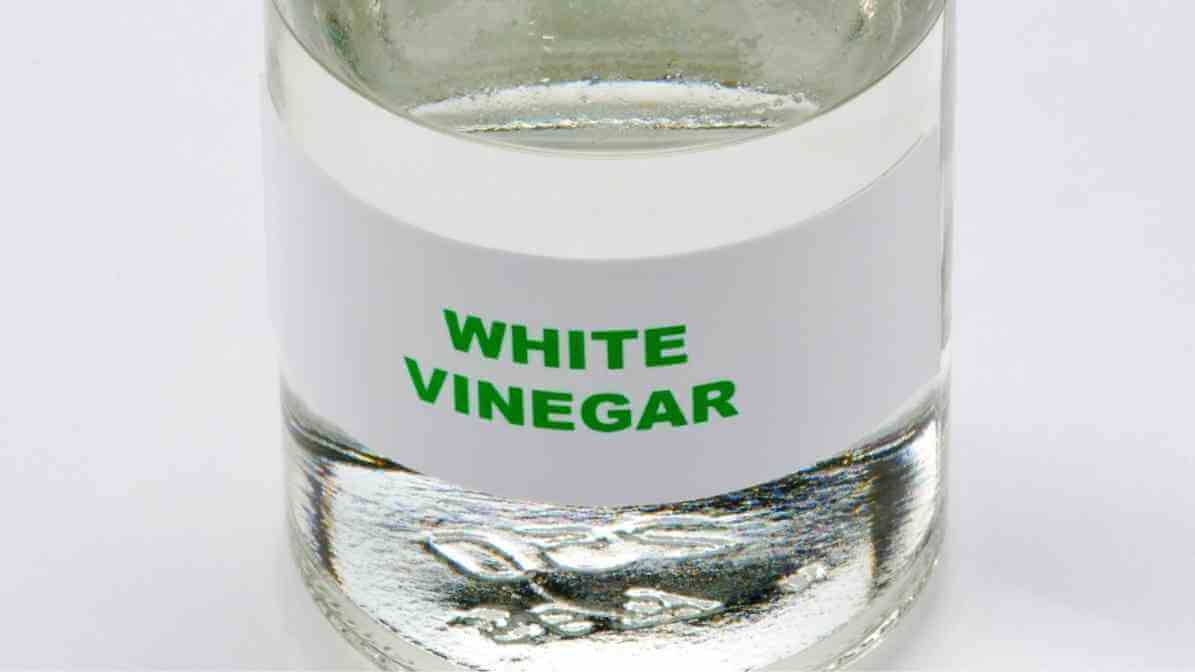
Mix equal parts white vinegar and water in a spray bottle. Apply directly to ant trails, entry points, and surfaces ants frequent. The acetic acid erases pheromone trails completely.
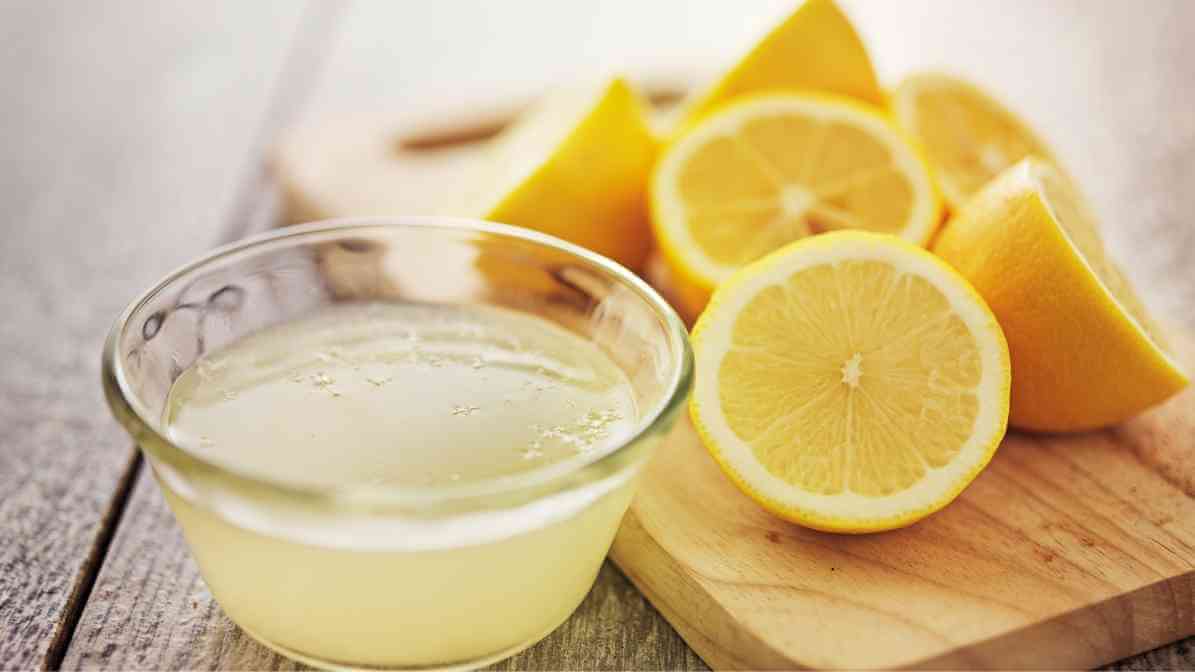
Squeeze fresh lemon juice along window sills, door frames, and ant entry points. The citric acid and d-limonene compounds disrupt ant chemical sensors and mask pheromone trails.
Add 10–15 drops of peppermint essential oil to 250ml water. Spray along baseboards and ant trails. The strong menthol odour overwhelms ant olfactory receptors, disorienting scouts.
Sprinkle ground cinnamon or draw a line with cinnamon powder across doorways and along skirting boards. Ants avoid crossing cinnamon barriers due to the strong cinnamaldehyde compound.
Apply food-grade diatomaceous earth (DE) along ant entry points. The microscopic silica particles pierce ant exoskeletons, causing dehydration. Effective even after drying but loses effectiveness when wet.
Place whole cloves or clove oil-soaked cotton balls at ant entry points, inside pantry corners, and beneath kitchen appliances. Eugenol — the active compound in cloves — repels ants effectively.
Top Natural Ant Repellent Tips for Singapore Homes
Singapore's climate presents specific challenges for natural ant repellent application: high humidity causes some deterrents to lose effectiveness faster, and frequent rain or cleaning quickly washes away barriers. Here's how to maximise results in a tropical environment:
Apply repellents where ants enter, not just where you see them. Common entry points: around pipes, window gaps, door frames, electrical outlets, skirting board gaps.
Mopping and surface cleaning removes pheromone trails anyway. Apply your natural repellent immediately after cleaning while surfaces are dry for maximum contact time.
Ants can partially adapt to consistent scent deterrents over 2–3 weeks. Rotating between vinegar, peppermint oil, and citrus treatments maintains disruption of their chemical navigation.
No natural ant repellent will hold if food sources remain accessible. Seal food in airtight containers, clean cooking surfaces after every meal, and fix leaking taps that create moisture attractants.
For gaps around pipes and conduits that cannot be sealed completely, diatomaceous earth or cinnamon provides a longer-lasting physical deterrent barrier than liquid sprays.
Long-Term Benefits — Combining Natural Repellents with Structural Prevention
The most effective long-term ant prevention strategy combines natural repellent application with physical exclusion. Used alone, natural repellents will reduce ant activity but cannot eliminate the colony that is generating forager traffic to your home. Here's the full prevention strategy:
Clean stovetops and counters after every use. Store honey, sugar, and condiments in sealed containers. Empty rubbish bins daily and use lids on all bins.
Fix dripping taps and leaking pipes. Ensure under-sink cabinets are dry. Ant colonies need water — moisture is a primary nest attractant in Singapore homes.
Use silicone sealant around all pipe penetrations, gaps in skirting boards, and cracks in walls. Door gap brushes block the most common outdoor ant entry routes.
Trim plants away from exterior walls. Remove decaying wood and leaf litter near the house. Outdoor ant nests in garden soil are the source of most indoor infestations.
Get a Professional Ant Inspection
If natural repellents have been applied consistently for 2 weeks without success, the colony has established a nest within your property. Our NEA-licensed team will locate and eliminate it.
When Natural Ant Repellent Is Not Enough — Say Goodbye to the Infestation
Natural ant repellents are excellent preventive tools — but they have clear limitations. If any of the following are true, natural remedies alone will not resolve your ant problem:
The ant colony is nesting inside your walls, beneath flooring, or within electrical conduits
You are seeing Fire Ants (red, painful sting) or Carpenter Ants (large, dark, in wood) — both require targeted professional treatment
Ant activity has continued for more than 3 weeks despite consistent natural repellent application
Ants are appearing in commercial kitchen or food preparation areas requiring NEA-compliant pest control
In these cases, Innovative Pest Management's NEA-licensed team will conduct a full inspection, identify the ant species, locate the nest, and apply species-matched ant gel bait to eliminate the colony at source — complementing and completing what your natural repellents started.
Natural Ant Repellent — Frequently Asked Questions
When Natural Repellents Need Professional Backup
Natural ant repellents are a great first step — but persistent infestations require colony elimination. Our NEA-licensed team provides targeted ant gel treatment with same-day inspection appointments across Singapore.