Unlock the Secrets of Natural Ant Repellent and Simple Home Remedies
August 4, 2025
Unveiling The Type of Ants and Their Fascinating Lifecycle
August 7, 2025

Ant gel bait works differently from conventional sprays. Rather than repelling ants at the surface, it uses a sweet or protein-based attractant laced with a slow-acting insecticide. Forager ants carry the gel back to the nest and share it with the colony — including the queen. Without eliminating the queen, any ant treatment will only provide temporary relief.
- ✓Ant gel bait eliminates entire colonies — not just the ants you can see
- ✓Singapore has 15+ ant species — correct bait selection matters for effectiveness
- ✓Avoid cleaning bait placements or using surface sprays alongside gel treatment
- ✓Professional gel application achieves 95%+ success vs DIY spot treatments
- ✓Recurring ant infestations signal a nest nearby — sealing entry points is essential
Why Ants Keep Coming Back — and the Signs to Watch For
If you have treated an ant infestation once, only to see the ants return a week later, the colony was never eliminated. Surface sprays and ant killer traps placed at random only address foragers — the workers you see. The queen, who can lay thousands of eggs daily, remains safe and active deep inside the nest.
Singapore's warm, humid climate means ant colonies can establish anywhere — inside wall cavities, beneath kitchen cabinets, in potted plants, or within electrical junction boxes. Common signs of an ant infestation that warrants ant gel treatment:
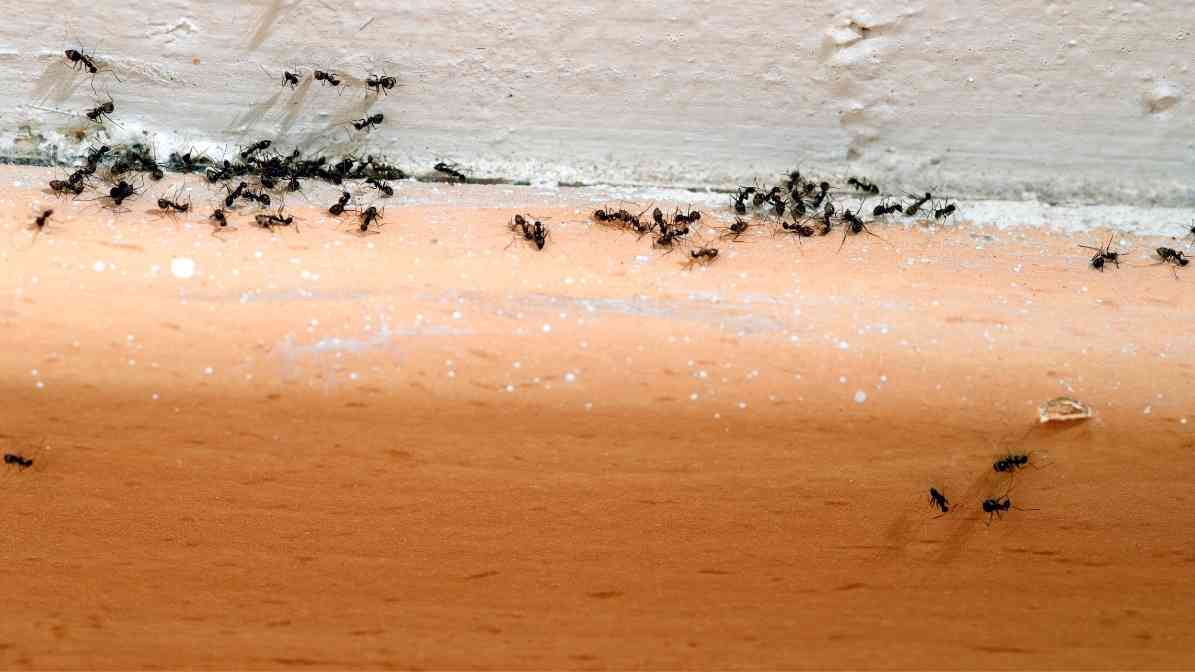
Forager ants following a consistent path to a food source — a strong sign of an established nearby colony.
Fine wood shavings near skirting boards or door frames indicate carpenter ants nesting inside wooden structures.
Ants in pantries, on counters, or inside sealed packaging indicates forager ants have located a food source close to the colony.
Seeing different ant sizes or colours suggests multiple colonies or a satellite nest system, requiring targeted bait selection.
How Ant Gel Works — The Slow-Kill Colony Elimination Method
Professional ant killer gel uses a two-stage approach that conventional products cannot replicate. The active ingredient — typically Fipronil, Imidacloprid, or Indoxacarb depending on the target species — is suspended in a palatable gel matrix that ants actively seek out and feed on.
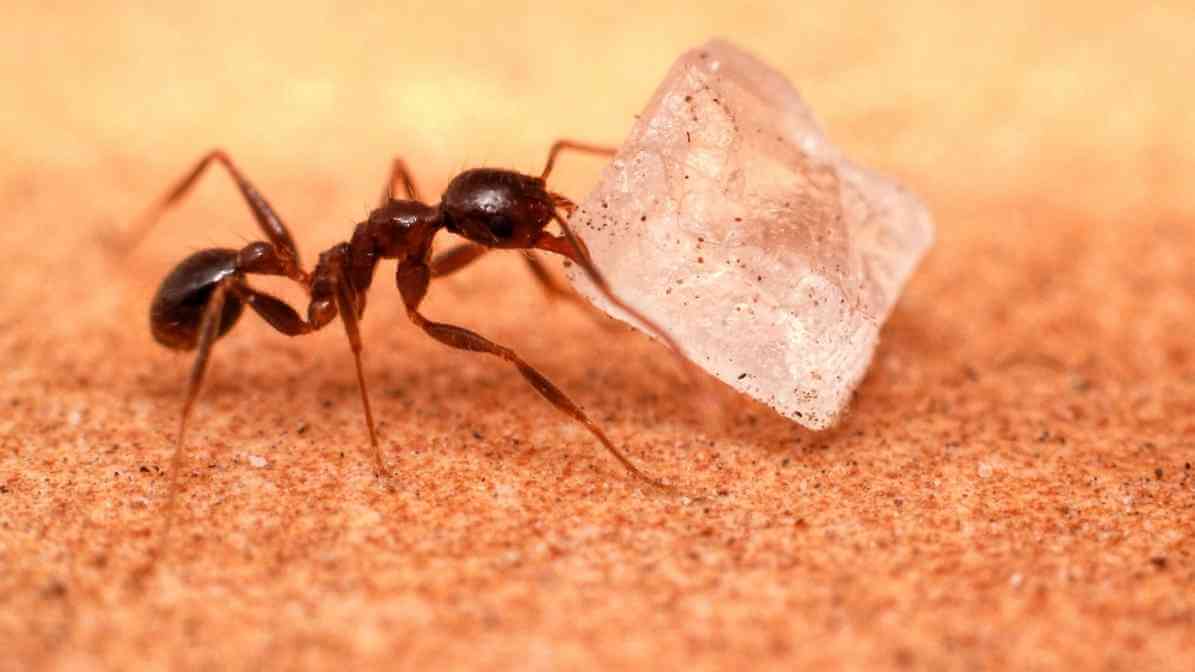
Forager ants detect the attractant in the gel, feed on it, and carry droplets back along their pheromone trail to the nest.
The bait is shared mouth-to-mouth (trophallaxis) throughout the nest, reaching workers, larvae, and ultimately the queen.
The slow-kill formulation is critical — a fast-acting poison kills the forager before it returns to the nest, defeating the purpose. Professional ant gel is calibrated to allow 48–72 hours of activity before the forager dies, maximising colony transfer.
Why Innovative Pest Management's Ant Gel Is Your Best Solution
Not all ant gels deliver the same results. Over-the-counter ant gel products from hardware stores use lower-concentration active ingredients and generic attractant bases. Singapore's most common ant species — Ghost Ants, Pharaoh Ants, Crazy Ants, Carpenter Ants, and Fire Ants — each respond differently to protein-based vs sugar-based attractants.
IPM identifies the ant species before selecting the bait type. Ghost Ants require sugar-based gel; Carpenter Ants prefer protein-based formulas. Wrong bait = zero uptake.
Gel is applied at precisely identified bait points — along forager trails, near entry cracks, behind appliances, inside wall voids — not at random locations.
A follow-up visit checks gel consumption rates and bait point activity, replenishing or adjusting placement based on forager traffic data.
Gel is placed in cracks, behind fixtures, and inside bait stations — inaccessible to children and pets. No broadcast sprays, no residual chemical odour.
How IPM Technicians Apply Ant Gel Effectively
Effective ant gel application follows a structured protocol that begins with inspection and species identification. The process IPM follows at every ant gel treatment:
Technicians identify the species, trace forager trails, and locate probable nest sites before selecting bait formulation.
Precise bait points are identified — along active trails, at entry cracks, inside wall voids, behind refrigerators and electrical panels.
Small drops (0.1–0.3g) of species-appropriate gel are applied at each bait point. Over-application reduces uptake — correct quantity is critical.
Do not wipe bait points, do not spray insecticides alongside gel, and avoid cleaning near treated areas for 48–72 hours after application.
Return visit to assess gel consumption, replenish active points, and confirm colony reduction before closing out the treatment.
Important: Never use surface sprays or aerosol insecticides alongside ant gel treatment. Repellent sprays contaminate bait points and alert foragers, causing the colony to shift locations and rendering the gel ineffective.
Book a Professional Ant Gel Treatment
NEA-licensed technicians identify your ant species, apply species-matched gel at precise bait points, and follow up to confirm colony elimination.
Effective Use of Ant Gel Baits — Additional Long-Term Strategies
Ant gel treatment is most effective when combined with structural exclusion and sanitation measures. Even the best ant killer gel will only provide temporary results if the conditions attracting ants are not addressed.
Use silicone sealant along gaps around pipes, window frames, electrical conduits, and skirting board joints where ants enter.
Store all food in sealed containers. Clean spills immediately — even small crumbs are sufficient to sustain an ant colony for days.
Ants are attracted to damp areas. Fix leaking taps, clear blocked drains, and ensure no standing water beneath kitchen or bathroom fixtures.
Quarterly gel baiting maintenance programmes keep colonies suppressed before they re-establish in new locations within your property.
When to Seek Professional Ant Control Services
Not every ant sighting requires a professional. However, these situations consistently call for professional ant gel application by a licensed pest control company:
DIY ant killer gel or ant traps have been applied for 2+ weeks with no reduction in activity
Ants are appearing from multiple locations simultaneously, suggesting more than one colony
Fire ants or carpenter ants are identified — both species require specific gel formulations and carry structural or safety risks
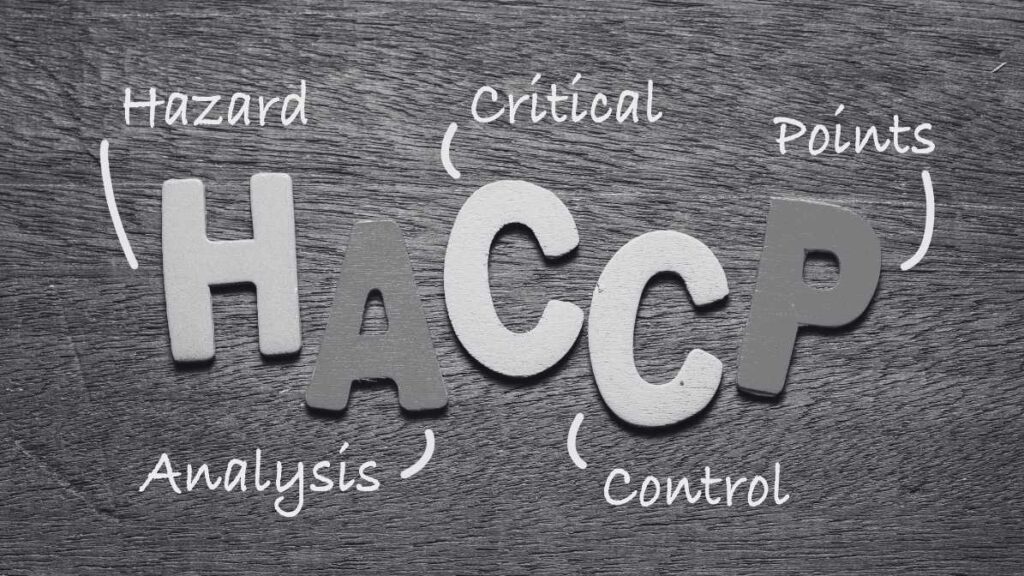
Infestation is in a food preparation area, restaurant, or commercial kitchen requiring HACCP-compliant treatment
Ants are nesting inside electrical panels or wall voids, posing both a pest and potential electrical hazard
Ant Gel Singapore — Frequently Asked Questions
Stop Ant Infestations with Professional Ant Gel Treatment
Our NEA-licensed technicians identify your ant species, apply species-matched gel at strategic bait points, and follow up to confirm colony elimination — all with the same-day service Singapore residents rely on.