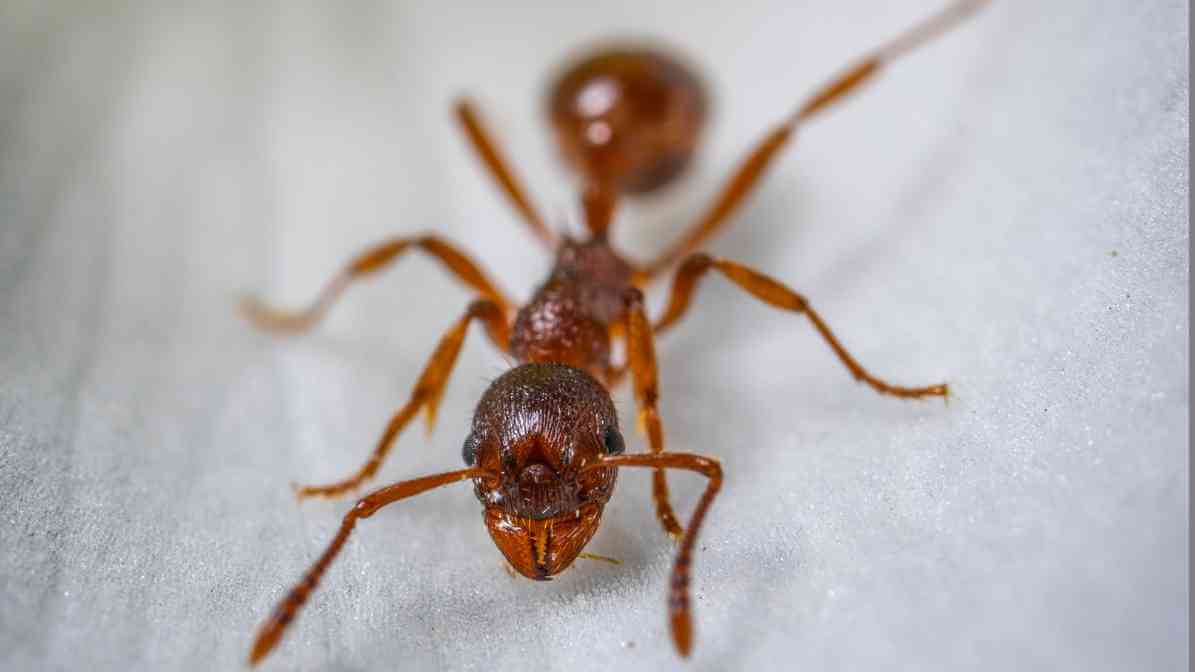
Ants are among the most persistent household pests in Singapore. This expert-backed guide covers the four most common ant species, early warning signs, DIY home remedies that actually work, and when you need professional ant control.
Leia Rassid•April 2024•9 min read•NEA-Licensed
4
Common Species
7
DIY Remedies Covered
24h
Response Time
NEA
Licensed Experts
Singapore’s tropical climate — heat, humidity, and abundant food sources — makes it the ideal breeding ground for ants. A single carpenter ant colony can harbour up to 10,000 workers. Left unchecked, ant infestations contaminate food, damage wooden structures, and signal deeper pest problems. This guide gives you the expert knowledge to act fast and effectively.
Key Takeaways
✓Identify the ant species before treating — different ants need different approaches
✓NEA-licensed professionals use gel baits that reach and eliminate the colony queen
01
Know Your Enemy
Common Ant Species in Singapore
Singapore is home to dozens of ant species, but four cause the majority of household and commercial infestations. Identifying the species correctly determines which treatment approach will actually work.
Species 01
Carpenter Ants (Camponotus spp.)
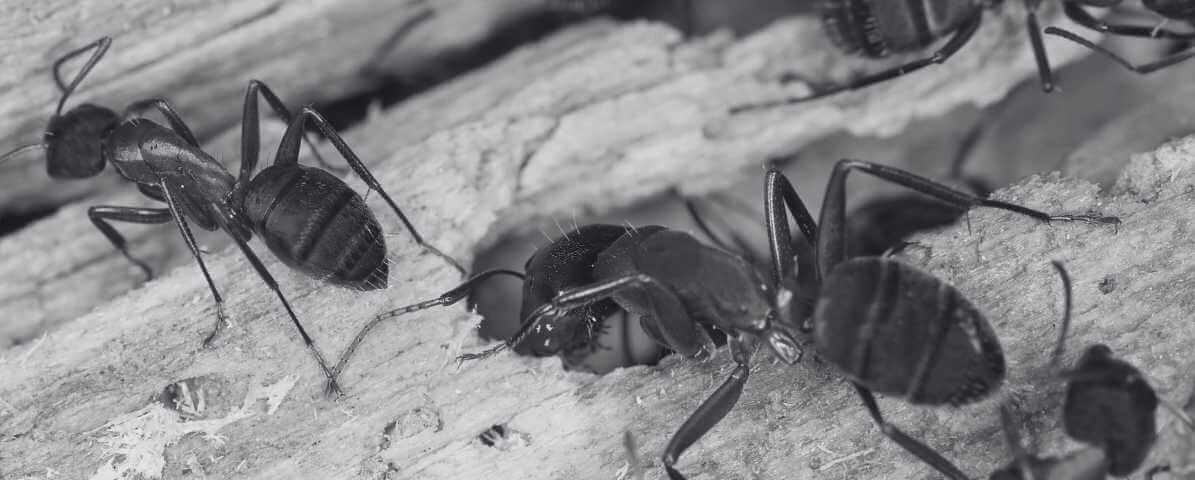
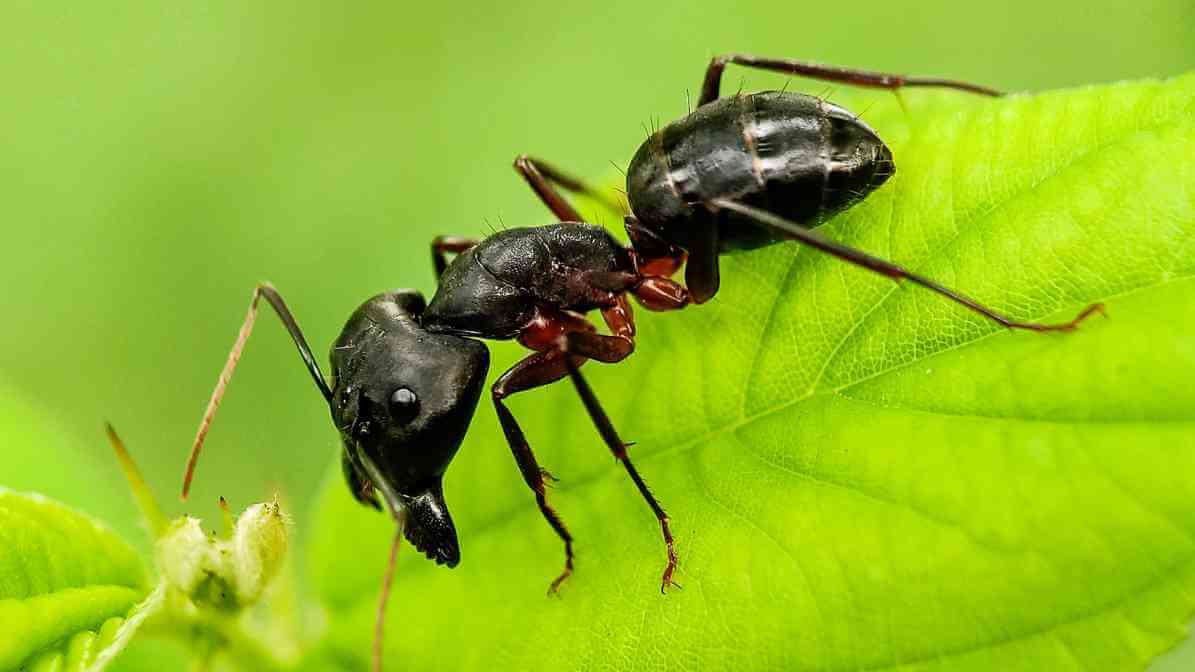
Singapore’s largest common ant species (12–25 mm), carpenter ants excavate wood to build their galleries — they do not eat it. They prefer moist or decaying timber: door frames, window sills, roof beams, and flooring. A mature colony produces winged reproductives (alates) that swarm to start new nests, often mistaken for termites.
Warning Signs: Fine sawdust frass, rustling sounds in walls at night, presence of winged ants indoors
Species 02
Odorous House Ants (Tapinoma sessile)
Named for the rotten-coconut odour they release when crushed, these small ants (2–3 mm) have multiple queens per colony — colonies can contain hundreds of thousands of individuals. They trail reliably to sweet foods and become a major kitchen problem. Nesting sites include wall voids, under floors, and in decaying wood.
Warning Signs: Dense trails on kitchen counters, contaminated sugar and syrup, rotten-coconut smell when ants are crushed
Species 03
Pavement Ants (Tetramorium caespitum)
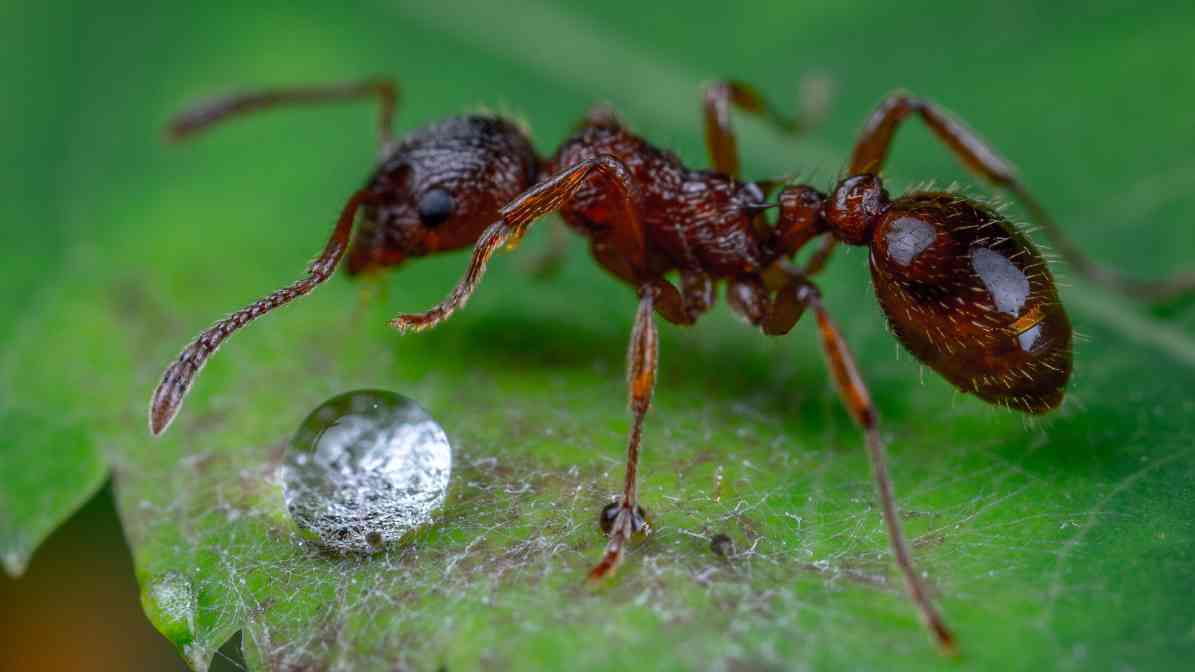
Pavement ants build their primary nests beneath concrete slabs, pavement blocks, and building foundations. They enter structures through cracks in the slab and expansion joints, then trail indoors for food. Though they rarely damage structures, they contaminate food stores and can be extremely difficult to eliminate without treating the underground nest.
Warning Signs: Fine sand or soil pushed up through pavement cracks, trails entering from floor level, nesting mounds near walls
Species 04
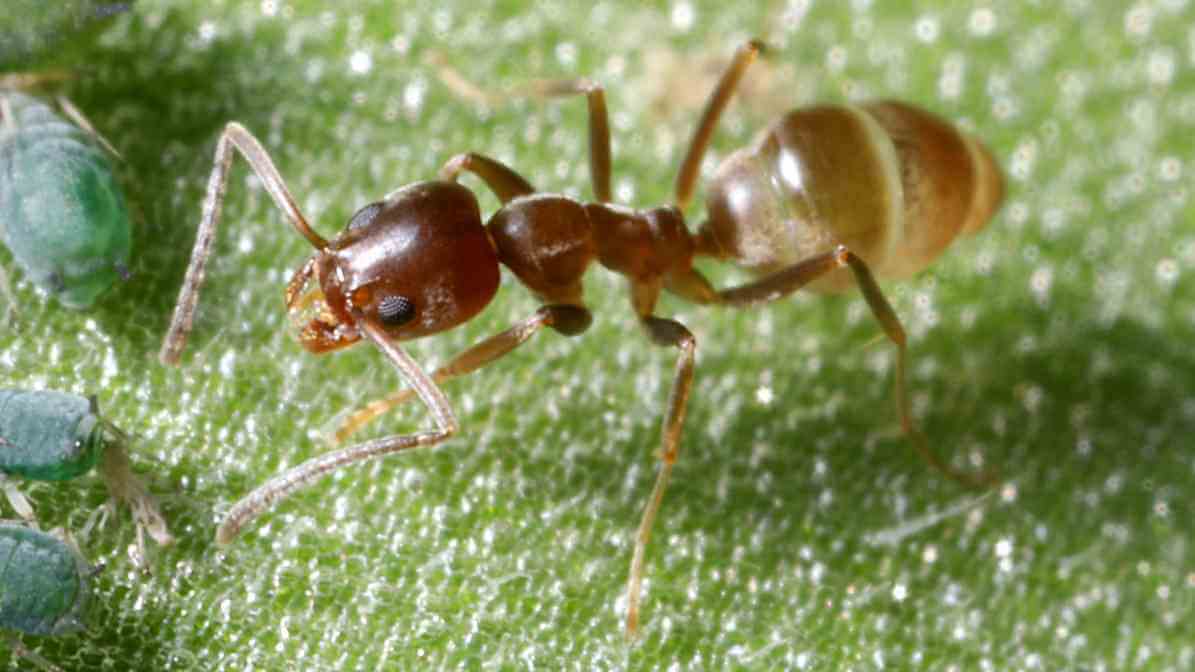
Argentine Ants (Linepithema humile)
One of the world’s most invasive ant species, Argentine ants form enormous “supercolonies” spanning multiple buildings. Unlike most ants, they are non-aggressive toward their own species, allowing colonies to merge and expand rapidly. They outcompete and displace native ant species, move seamlessly between units in condominiums and HDB blocks, and are particularly resistant to DIY treatments because queens simply relocate.
Warning Signs: Massive wide trails (often 3–4 ants wide), rapid spread across multiple rooms, resistance to repellent sprays
02
Early Detection
Signs of an Ant Infestation
Early detection saves significant time, money, and structural damage. Most homeowners notice ants only after a colony is well-established. These three evidence types are the clearest indicators of an active infestation.
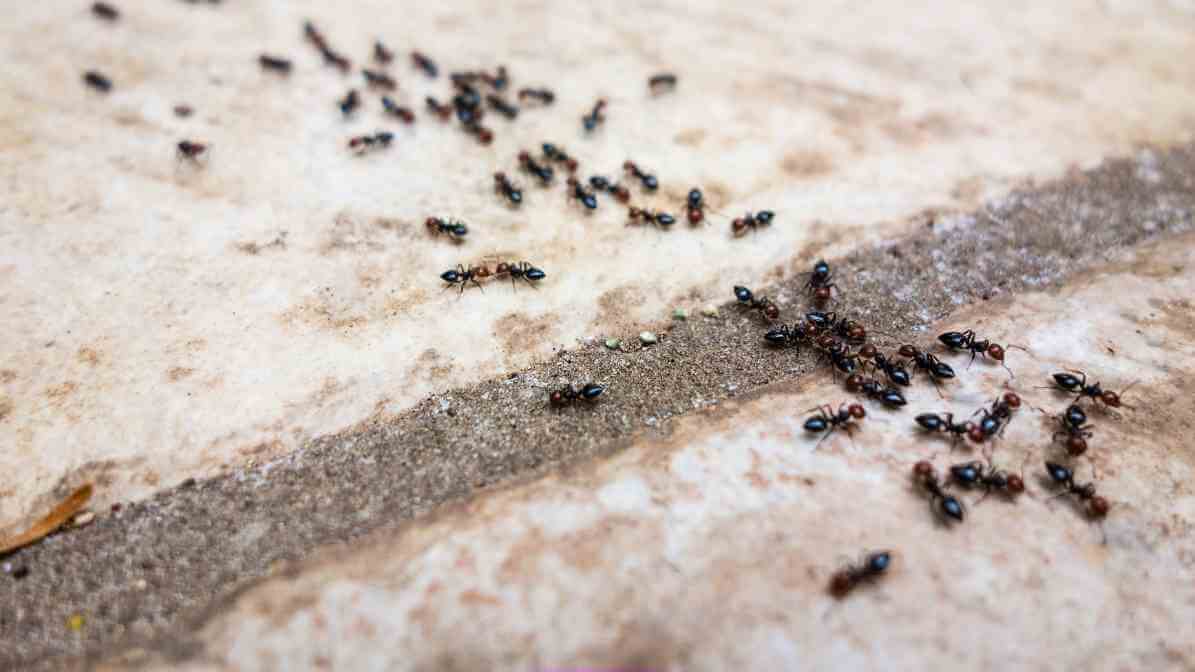
Visible Ant Trails
Ants follow pheromone trails. A visible line of ants between a nest and food source is a clear infestation signal. Trails often follow grout lines, skirting boards, and pipe runs.
Soil & Debris Piles
Small mounds of loose soil, sawdust frass, or debris near walls, skirting boards, or outside entry points indicate active nesting. Carpenter ants produce distinctive wood shavings.
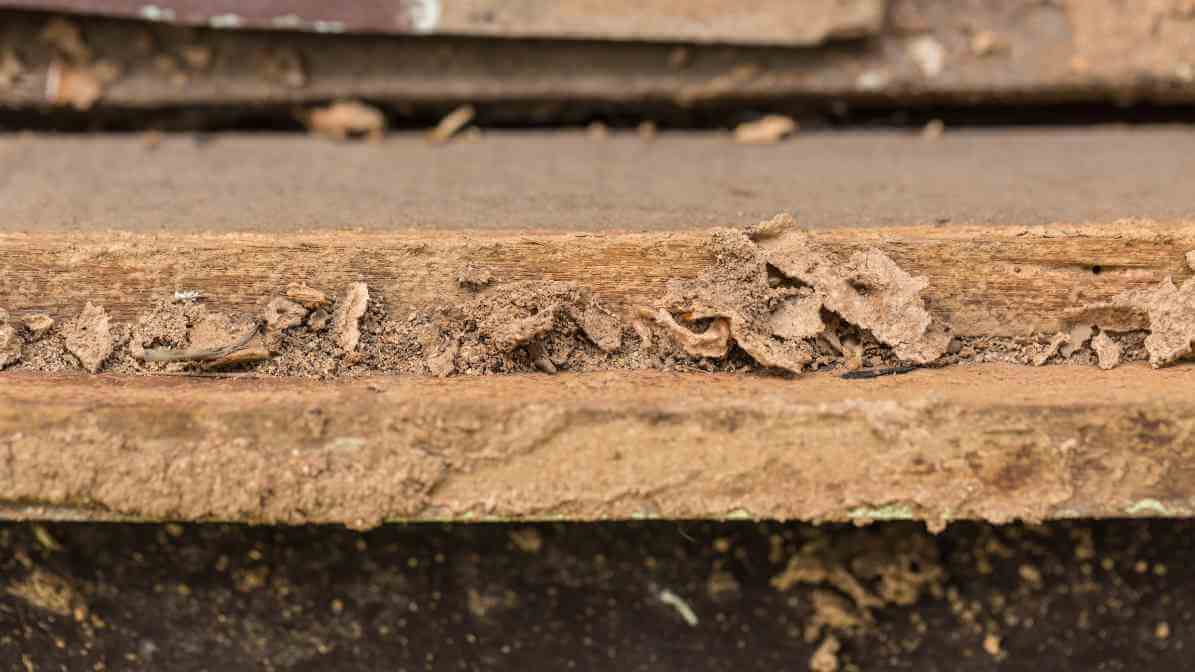
Damaged Wood
Hollowed-out timber, weakened door frames, or smooth-walled galleries within wooden structures indicate carpenter ant damage — this should be inspected immediately to prevent costly repairs.
Pro Tip: If you see ants during the day, the colony is large. Most ants forage at night — daytime activity means the nest is overflowing and foragers are being pushed out at all hours. Act immediately.
03
DIY Solutions
Home Remedies That Actually Work
These are not myths — they are scientifically grounded methods that disrupt ant communication and repel foragers. They work best as a first response or for small, early-stage infestations.
🍀
Peppermint & Tea Tree Oil
Mix 10 drops peppermint essential oil with 250 ml water. Spray along ant trails, entry points, and window ledges. The volatile compounds overwhelm ant pheromone receptors, breaking the chemical trail. Reapply every 48 hours for best results.
🥤
White Vinegar Solution
Equal parts white vinegar and water applied directly on trails erases pheromone signals instantly. It also kills ants on contact. Use on kitchen surfaces, around bin areas, and near entry points. Note: the smell dissipates after drying and does not deter pets.
🌿
Cinnamon & Cloves
Ground cinnamon and whole cloves placed at entry points act as natural deterrents. The eugenol compound in cloves is toxic to ants. Particularly effective at windowsills, door sweeps, and kitchen cabinets. Replace weekly as potency fades.
▲
Boric Acid Bait (Borax)
Mix 1 tablespoon borax with 3 tablespoons sugar and enough water to make a paste. Place small amounts near trails. Ants carry the bait back to the colony, where it kills workers and queens over 3–7 days. This is the most effective home remedy for reaching the colony — but keep away from children and pets.
💧
Diatomaceous Earth
Food-grade diatomaceous earth (DE) is a fine powder that damages the exoskeleton of ants, causing dehydration and death. Dust lightly around baseboards, behind appliances, and under kitchen cabinets. Works on any ant species that walks through it. Reapply after rain or cleaning.
Important Limitation: Home remedies are effective against forager ants and small colonies. For Argentine ant supercolonies, large carpenter ant infestations, or persistent recurrence despite treatment, professional intervention is required. DIY sprays often scatter queens, making the infestation harder — not easier — to eliminate.
04
Prevention
How to Prevent Ants From Entering Your Home
🔒
Seal Every Entry Point
Ants can enter through gaps as thin as 1 mm. Use silicone sealant on gaps around pipes, conduit, window frames, and door sweeps. This is the single most impactful prevention step.
🛒
Store Food Properly
Transfer sugar, cereals, and dry goods to airtight containers immediately after purchase. Never leave open packets in cupboards. Clean up spills — even tiny drops of syrup — within minutes.
🚱
Manage Moisture
Fix dripping taps and pipe condensation immediately. Ants — especially carpenter ants — are attracted to damp wood. Ensure adequate ventilation under floors and behind walls.
🌿
Trim Vegetation
Tree branches and shrubs touching your walls or roof create ant highways into your home. Keep vegetation trimmed back at least 30 cm from the structure. Remove dead wood and leaf litter from the garden regularly.
Still seeing ants after trying home remedies?
Get a Professional Ant Inspection — Free Assessment
Our NEA-licensed specialists identify the species, locate the queen, and apply targeted gel bait treatments that eliminate the colony — not just the foragers you can see.
Home remedies address foragers but rarely reach the colony. Professional ant control is necessary when:
✦
Ant trails persist or worsen despite repeated home treatment
✦
You see carpenter ants indoors — structural damage may already be occurring
✦
Multiple ant species are active at once, suggesting multiple nesting sites
✦
Ants are entering from shared walls — Argentine supercolonies span entire buildings
✦
You operate a food business — NEA regulations require swift, documented pest response
Innovative Pest Management uses non-repellent gel bait technology that forager ants cannot detect. They carry the bait back to the colony, where it eliminates the queens and reproductives over 5–14 days. This is the only method proven to collapse entire colonies without scattering them. Learn more at our Ant Control Singapore service page.
06
Quick Reference
Ant Prevention Checklist
✓Seal gaps around pipes and conduit
✓Store all food in airtight containers
✓Wipe counters after every meal
✓Fix leaking taps and pipe condensation
✓Empty rubbish bins daily
✓Trim trees and shrubs from walls
✓Remove dead wood from garden
✓Apply vinegar weekly to entry points
✓Use silicone sealant on door sweeps
✓Schedule annual professional inspection
07
Common Questions
Frequently Asked Questions
The borax bait method is the most effective home remedy because it reaches the colony. Mix 1 tablespoon borax with 3 tablespoons sugar and a little water, then place near ant trails. Ants carry it back to the nest, where it kills the queen over 5–7 days. For immediate relief, white vinegar spray erases pheromone trails quickly. For large or recurring infestations, professional gel bait treatment is the only reliable solution.
Spraying kills only the forager ants you can see — typically 10–15% of the colony. The queen and reproductives remain safe inside the nest. When they detect the repellent, many species “bud” — the queen splits the colony and creates multiple new nests. This is why spraying often makes the problem worse. The colony must be eliminated at the source using bait that workers carry back undetected.
Carpenter ants have a clearly pinched waist (narrow thorax), elbowed antennae, and two pairs of wings of different sizes. Termites have a broad, uniform waist, straight bead-like antennae, and two pairs of wings of equal length. Both produce sawdust-like frass but carpenter ant frass is coarse and fibrous, while termite frass (from drywood termites) is pellet-shaped. If unsure, contact a licensed pest specialist immediately — both cause serious structural damage.
Most common household ants in Singapore are not directly dangerous, but they carry bacteria (including Salmonella and E. coli) on their bodies and contaminate food. Fire ants — an invasive species expanding in Singapore — deliver painful stings that can cause anaphylactic shock in sensitive individuals. Carpenter ants can bite if handled and their bite is strong enough to break skin. Always treat ant infestations promptly to avoid food safety and health risks.
Professional gel bait treatments typically show a significant reduction in ant activity within 48–72 hours. Full colony elimination takes 5–14 days as foragers carry the bait back and it spreads through the colony. During this period, you should see ants actively feeding on the bait — this is normal and expected. Do not disturb or spray the bait stations. A follow-up inspection is included to confirm colony collapse.
Our NEA-licensed specialists use gel bait technology that reaches the colony queen. No scattering. No recurrence. Guaranteed results or we return for free.
I am committed to turning complex pest-management insights into clear, practical information that anyone can understand. Through my work, I aim to empower homeowners and businesses to make informed decisions that protect their health, property and environment.