
Unveiling The Type of Ants and Their Fascinating Lifecycle
August 7, 2025
Ultimate Guide to Bedbug Control and Management
August 19, 2025

One of the most persistent myths about bedbugs is that they are caused by uncleanliness. In reality, bedbugs are found in five-star hotels, brand new HDB flats and immaculate private homes across Singapore. Cimex lectularius is a passive traveller — it does not fly or jump, but conceals itself in luggage, clothing, mattresses and furniture, then waits. Once inside a home, a single fertilised female can establish an infestation of hundreds within weeks. Understanding what causes bedbugs in Singapore — and the specific pathways through which they enter — is essential for protecting your household.
- ✓Bedbugs are not caused by poor hygiene — they are transported into homes through travel, second-hand furniture, shared facilities and infested neighbouring units in HDB blocks and condominiums.
- ✓Singapore's warm, humid climate means bedbug eggs hatch in as little as 5–7 days, and nymphs reach reproductive maturity in 5 weeks — far faster than in temperate countries.
- ✓DIY sprays and steam treatments rarely eliminate an entire infestation — bedbugs retreat deeper into harbourage when disturbed, surviving incomplete treatment and rebuilding the population.
- ✓Professional bedbug pest control using heat treatment at 50°C or targeted residual insecticide treatment eliminates all life stages including eggs — the only approach proven to fully resolve established infestations.
What Causes Bedbugs? The Real Reason They Appear

Singapore context: Singapore's status as one of the world's busiest aviation hubs and its dense high-rise residential landscape make it particularly susceptible to bedbug introductions. A single international traveller returning from an infested hotel can introduce bedbugs that, left untreated, spread to multiple neighbouring units within months.
The 5 Most Common Causes of Bedbug Infestations in Singapore
Each of these pathways is a documented cause of bedbug infestations in Singapore residential and commercial properties.
Hotel rooms, hostels, Airbnb properties and transit lounges are high-risk environments. Bedbugs hide in mattress seams, luggage racks and upholstered headboards. They transfer into your luggage, clothing or laptop bag — often without any visible sign. This is the single most common cause of bedbug infestations in Singapore homes.
Bedbugs and their eggs are invisible to the naked eye in mattress seams and furniture joints. A pre-owned sofa, bed frame, mattress or even a wooden chest of drawers can harbour an established population. This is a common cause of sudden bedbug infestations with no travel history.
In Singapore's high-density housing, bedbugs migrate between adjoining units through pipe chases, electrical conduit gaps, shared wall cracks and under door gaps. An untreated infestation in one unit can seed several neighbouring apartments — which is why whole-floor treatment is sometimes required.
Communal laundry rooms in HDB blocks, condominiums and student dormitories present a transfer risk. Bedbugs can move from infested clothing in a washing machine or dryer to the next user's laundry. Heat at 60°C kills bedbugs — but only if the dryer reaches that temperature throughout the load.
Bedbugs can transfer onto your clothing, bag or jacket during a visit to an infested home, guesthouse or commercial premises. You carry them home without any awareness. This pathway is why a household can develop an infestation despite never having travelled or purchased second-hand items — a social visit is sufficient.

How Quickly Does a Bedbug Infestation Spread?
Singapore's year-round temperature of 25°C–32°C creates near-ideal reproductive conditions for bedbugs. There is no winter slowdown. Once a fertilised female is inside your home, the infestation timeline is swift.
Why DIY Bedbug Treatment Fails
Over-the-counter sprays, natural remedies and partial heat treatments are the most common reason bedbug infestations persist for months or years. Understanding why they fail helps explain why professional treatment is not optional — it is necessary.
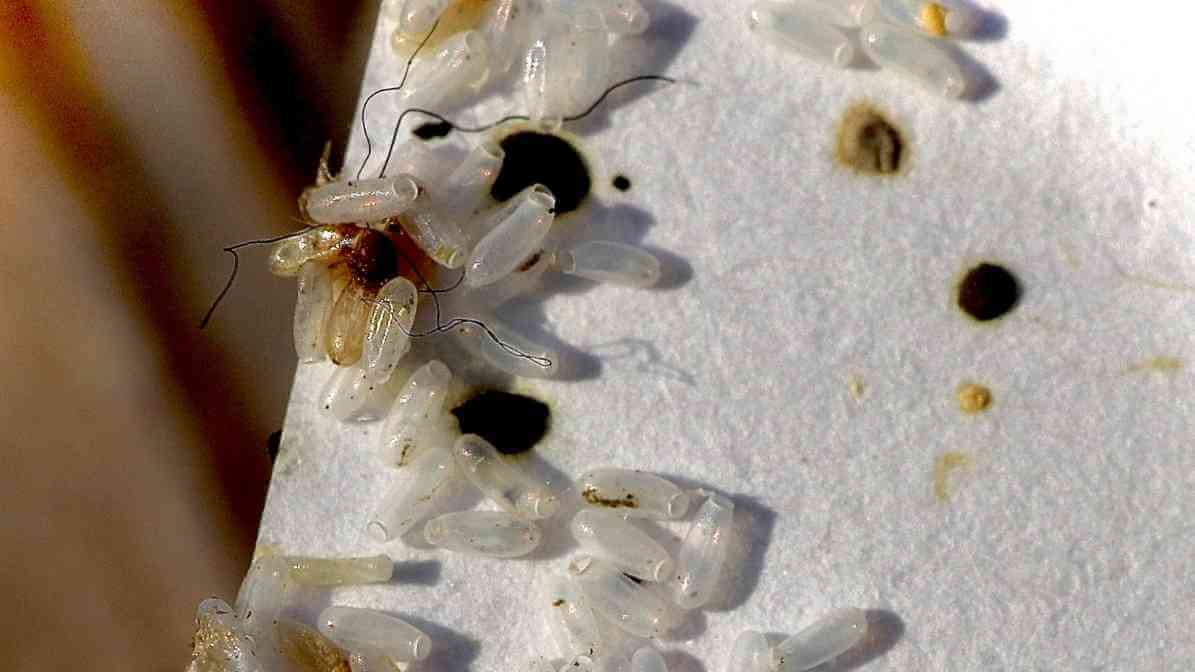
Most insecticide sprays kill adult bedbugs on contact but have no effect on eggs, which are protected by a hard shell. A single treated room can re-infest itself from hatching eggs within one week.
When disturbed, bedbugs retreat deeper into wall cavities, behind skirting boards and under floorboards. Partial treatment disperses the population into new areas, making subsequent professional treatment more difficult.
A handheld steamer kills bedbugs at the surface it contacts, but cannot reach bugs inside wall cavities, deep mattress layers or the underside of furniture frames. It takes less than one surviving female to restart the infestation.
Discarding an infested mattress removes only a fraction of the population — the rest are in the bed frame, wall junction, skirting and furniture around the room. A new mattress placed in the same room becomes infested within days.
NEA-licensed specialists. Heat and chemical treatment available. 7 days a week including public holidays.
Professional Bedbug Pest Control That Eliminates All Life Stages
Innovative Pest Management's NEA-licensed bedbug treatment programmes are designed to eliminate every life stage — eggs, nymphs and adults — across all harbourage sites in the affected area.
The room is raised to 50°C for several hours using specialist heating equipment. Heat penetrates all harbourage sites — mattress interiors, wall cavities, furniture joints — killing all life stages including eggs without chemical residue on sleeping surfaces. Preferred treatment for severe infestations or when chemical sensitivity is a concern.
NEA-approved residual insecticide is applied to all harbourage sites, cracks, crevices and furniture joints. Bedbugs pick up a lethal dose as they cross treated surfaces. Multiple follow-up visits over a 3–4 week programme ensure newly hatched nymphs are eliminated before they reach reproductive maturity.
Follow-up inspection verifies full elimination and identifies any secondary harbourage sites that may have been missed. For severe multi-room or multi-unit infestations, a structured programme of 2–3 treatments spaced 2 weeks apart is typically required.
Prevention: Reducing Your Risk of Reintroduction
After professional treatment, the following measures significantly reduce the risk of reintroduction — addressing each of the five causes identified above.
Check seams and pockets of bags before bringing them into the bedroom. Store luggage outside the bedroom or in sealed bags between trips.
Use a torch to check all seams, joints and recessed areas. When in doubt, have a professional inspect before positioning in the bedroom.
Have an electrician or contractor seal cable entry points, pipe chase gaps and skirting-board gaps that connect to neighbouring units.
A fully sealed mattress encasement eliminates the mattress as a harbourage site — the most common primary location for bedbug colonies.
Frequently Asked Questions
Now You Know What Causes Bedbugs.
Let Us Eliminate Them.
Whether you came back from a hotel trip, bought second-hand furniture or suspect migration from a neighbour — our NEA-licensed technicians will inspect, identify and fully eliminate your bedbug infestation using heat treatment or residual insecticide programmes. 7 days a week across Singapore.