Home›Pest Blog›Types of Ants & Lifecycles in Singapore
Ants SingaporeCommon Ants
Types of Ants in Singapore: Identification, Lifecycle & Control
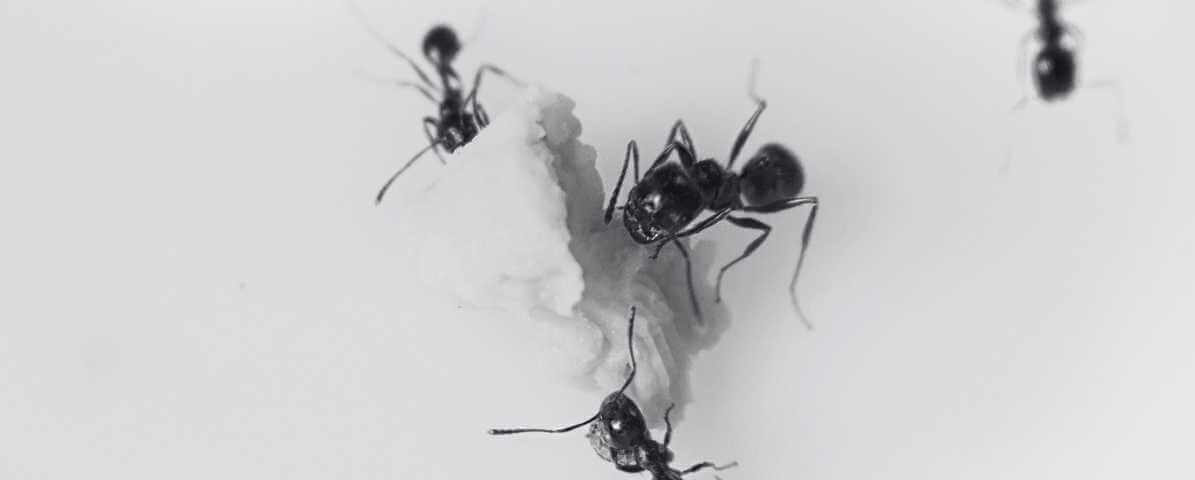
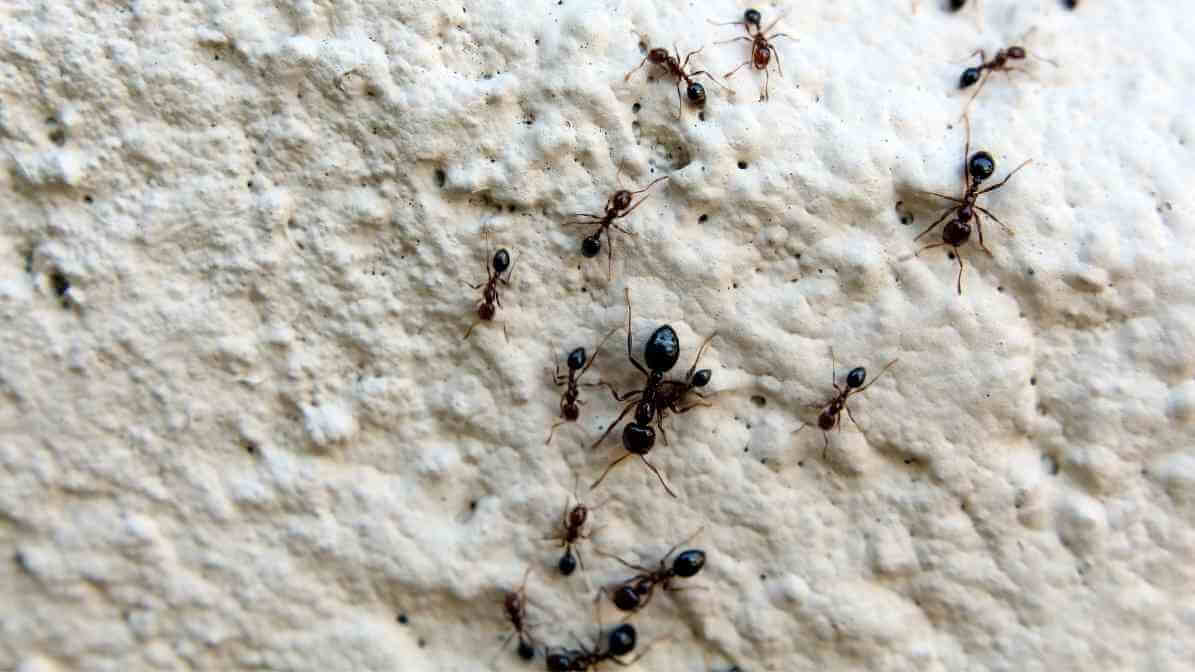
Ants are one of the most persistent pest problems in Singapore homes and businesses. With Singapore's tropical climate providing an ideal year-round environment, ant colonies thrive in wall voids, under flooring, in garden soil and inside electrical equipment. Identifying the type of ants you are dealing with is the essential first step — different ant species require completely different control approaches. This guide covers the 5 most common ants in Singapore, the ant life cycle and proven control strategies.
Innovative Pest Management
|Updated August 2025|10 min read|NEA Licensed
5
Common ant species in Singapore homes and businesses
4
Life stages in the ant colony lifecycle
Gel Bait
Most effective treatment for common ants Singapore
NEA
Licensed ant control specialists Singapore
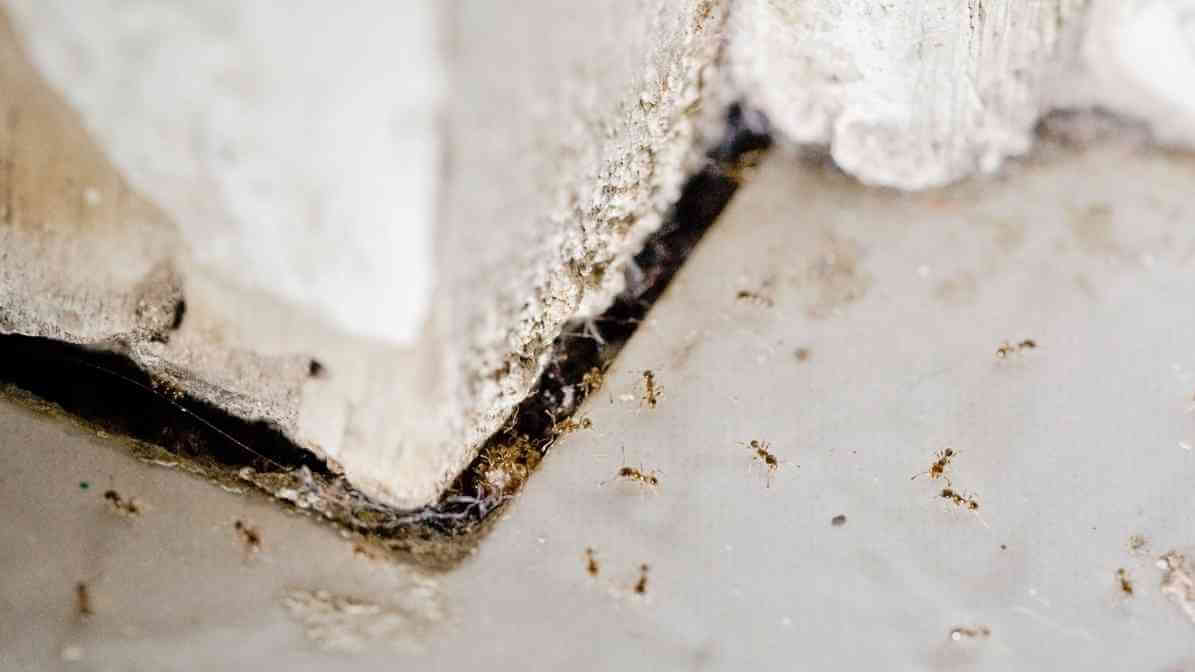
Ants in Singapore are a year-round pest challenge. Unlike temperate countries where ant activity subsides in winter, Singapore's consistent warmth and humidity allow ant colonies to grow, forage and reproduce without seasonal interruption. Ghost ants invade kitchen benchtops; crazy ants swarm electrical equipment; Argentine ants form multi-queen super-colonies that resist conventional treatment. Understanding which species of ants you are dealing with is not optional — it is the foundation of choosing a treatment strategy that actually works.
Key Takeaways
✓The five most common ants in Singapore homes are ghost ants, sugar ants, crazy ants, Argentine ants and fire ants — each requiring a different identification approach and control strategy.
✓Ant gel (slow-acting bait) is the most effective control method for most common ants in Singapore. Workers carry the bait back to the colony, poisoning the queen and eliminating the nest at source.
✓Contact insecticide sprays are counterproductive for most species — they kill workers on contact but cause the colony to split ("budding"), creating multiple new colonies elsewhere.
✓Persistent ant infestations despite treatment usually indicate Argentine ants or a multi-queen colony where multiple nest sites exist simultaneously, requiring a comprehensive professional programme.
Section 01
5 Common Types of Ants in Singapore
Correct species identification is the foundation of effective ant control. Misidentification leads to the wrong bait choice — and wasted time and money:
Ghost Ants
Tapinoma melanocephalum
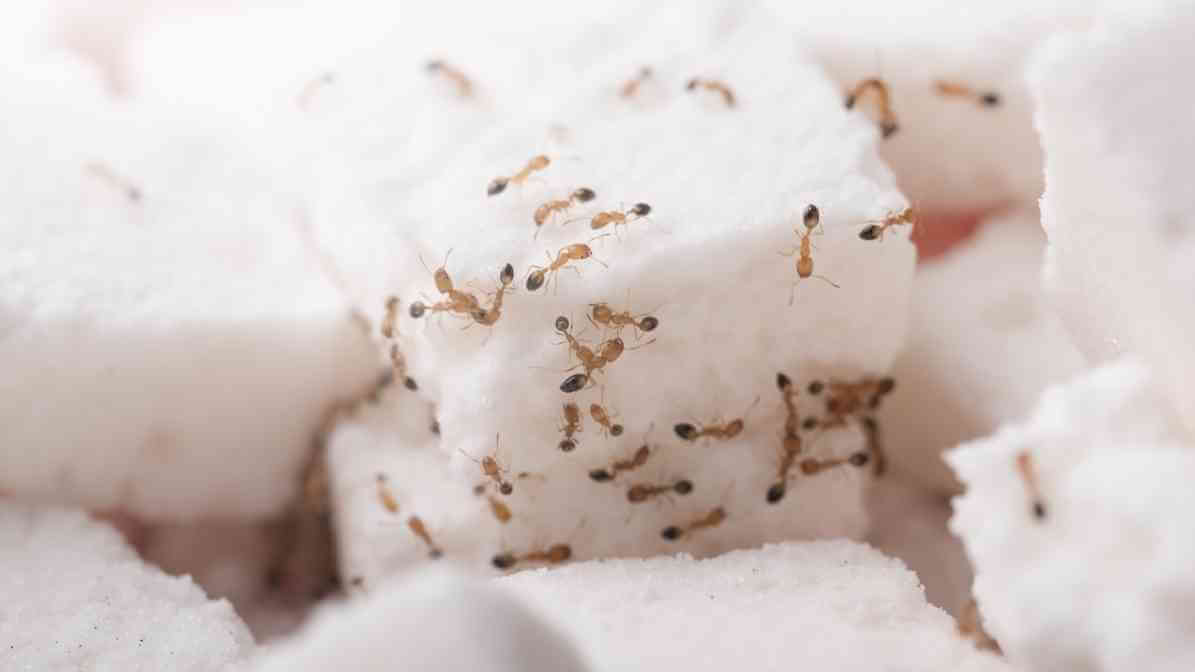
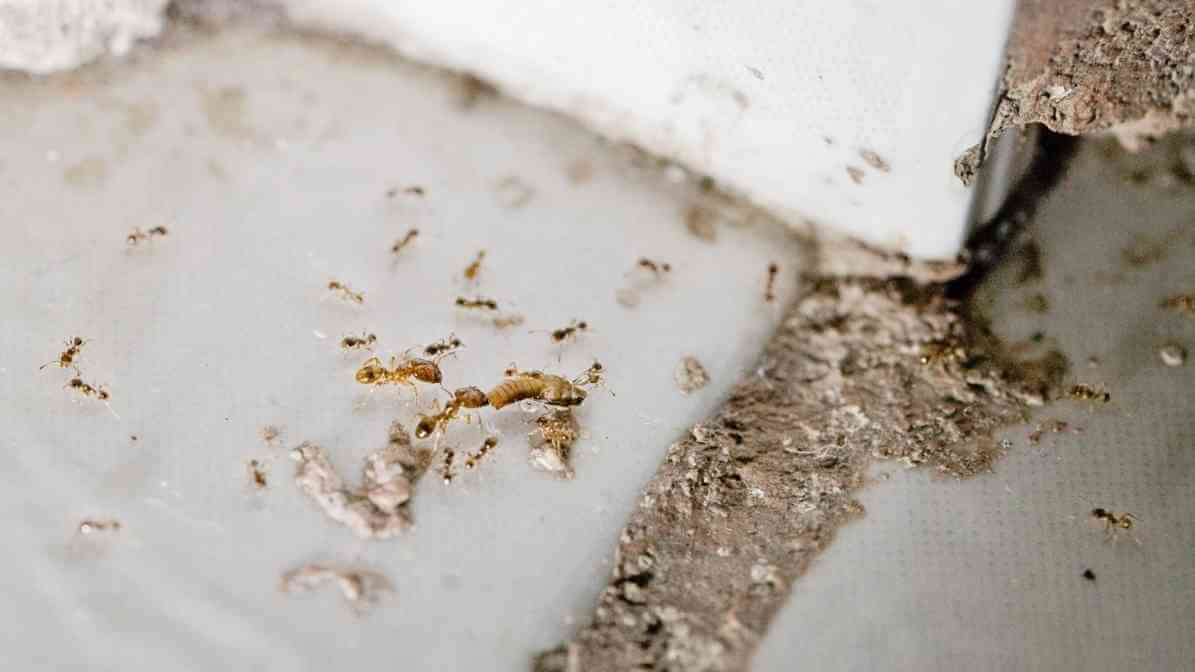
The most commonly reported ant in Singapore homes. Tiny (1.3–1.5mm), with a dark head and translucent pale abdomen and legs — giving them a "ghost-like" appearance. Ghost ants invade kitchens and bathrooms, foraging for sweets, honeydew and any moisture source. Their trails are very faint and hard to detect. They nest in small, dynamic groups in wall cracks, under flooring and inside plant pots.
Sugar Ants
Camponotus consobrinus
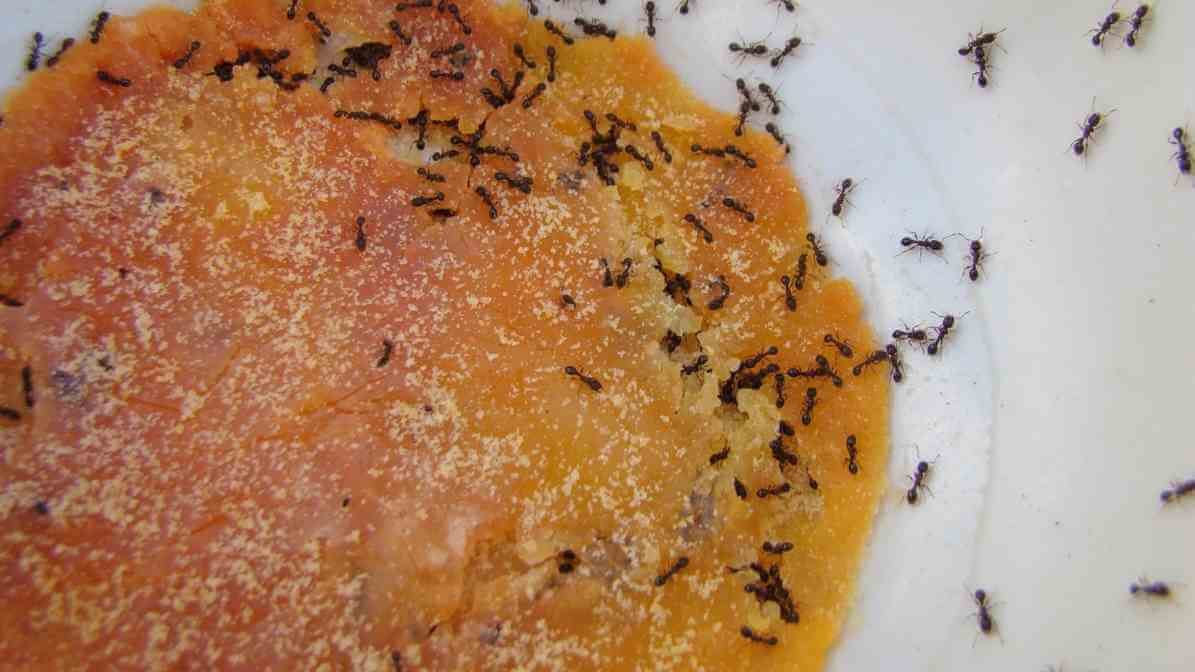
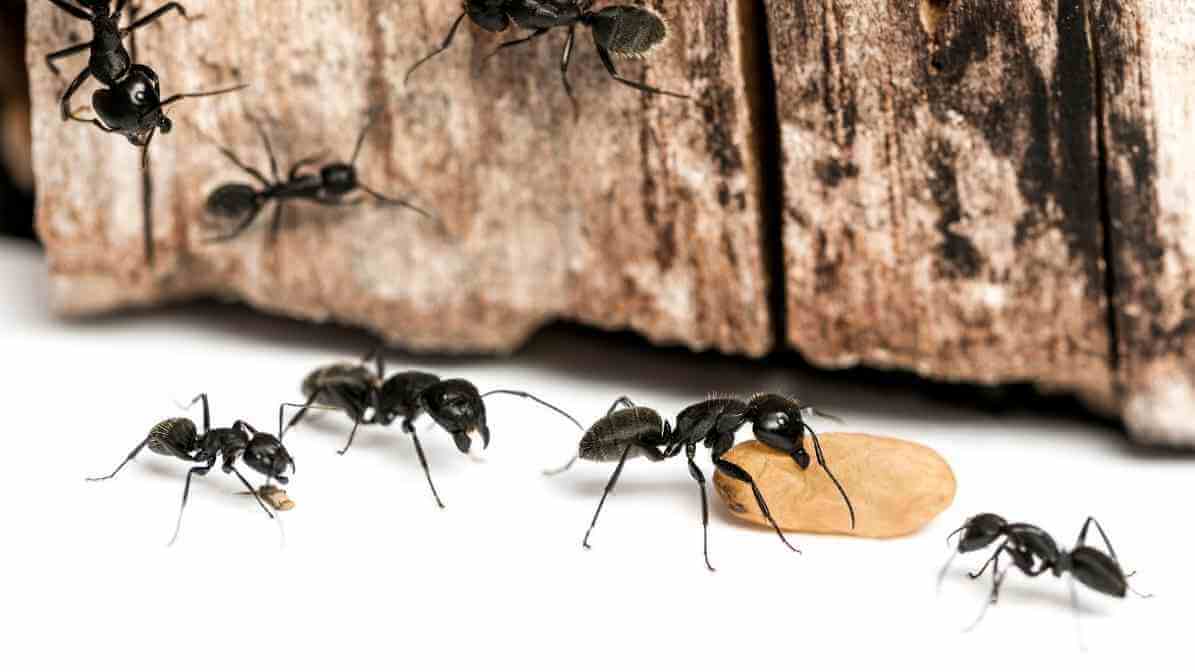
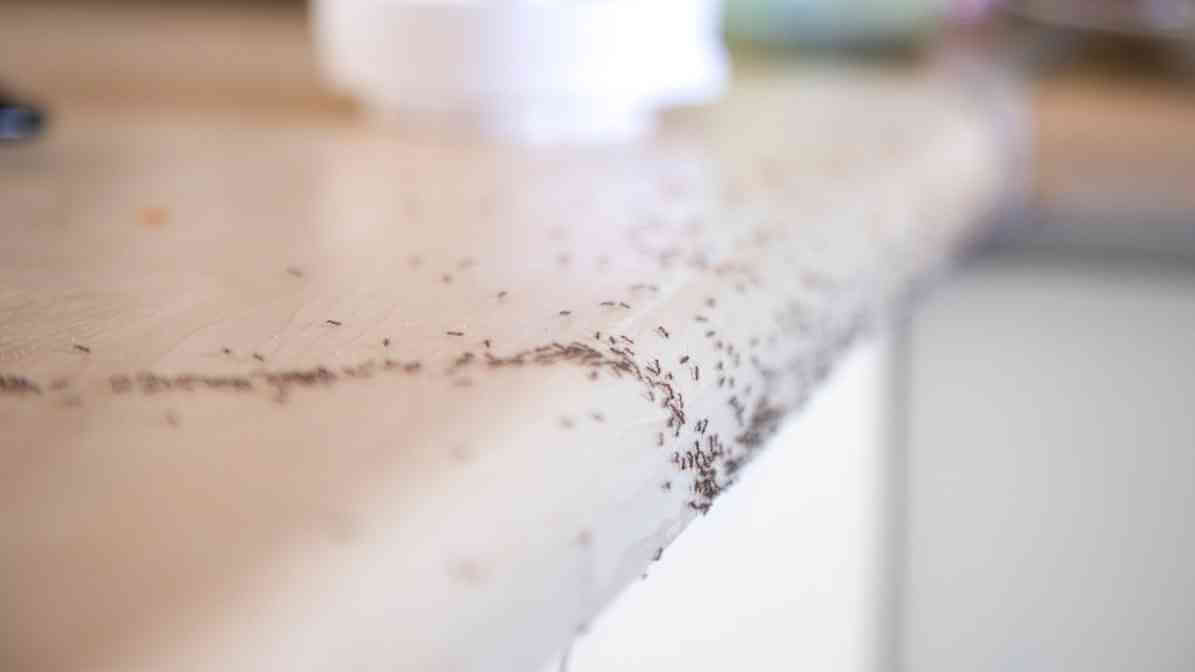
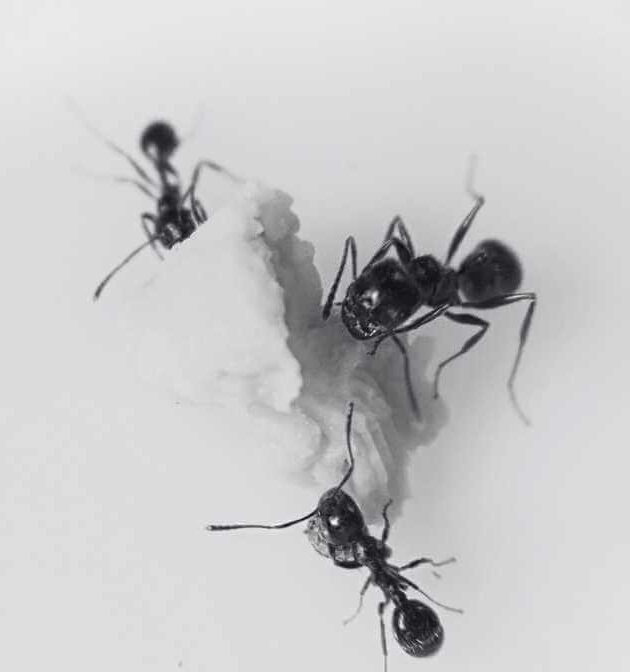
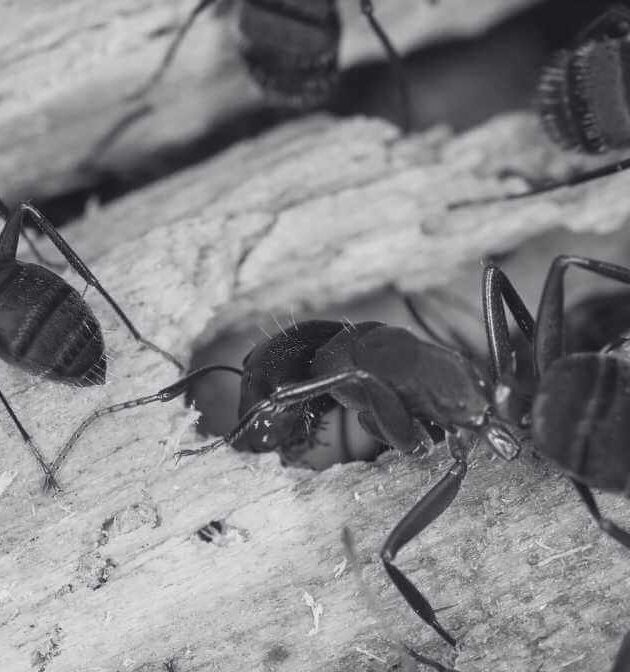
Larger than ghost ants (up to 15mm), sugar ants are attracted to sweet foods, sugary residues and anything with a high carbohydrate content. They form visible trails along countertops, sinks and cabinet edges. Often mistaken for ghost ants but are significantly larger and darker. They nest outdoors in soil and enter buildings through structural gaps in search of food.
Crazy Ants
Anoplolepis gracilipes
Named for their fast, erratic, non-linear movement (unlike the orderly trails of other ants). Crazy ants are yellow-brownish with very long legs and antennae. They form large outdoor colonies but readily invade indoor spaces seeking food. They are known to damage electrical equipment by nesting inside and can be highly invasive in garden areas.
Argentine Ants
Linepithema humile
One of the most challenging ant species to eliminate. Argentine ants form "super-colonies" with multiple queens — meaning disturbing one nest causes it to rapidly split and recolonise elsewhere ("budding"). Light brown to dark brown, 2.2–2.8mm. They invade kitchens and food preparation areas, forming large trails. Conventional sprays are largely ineffective; slow-acting gel bait is the recommended treatment.
Fire Ants
Solenopsis spp.
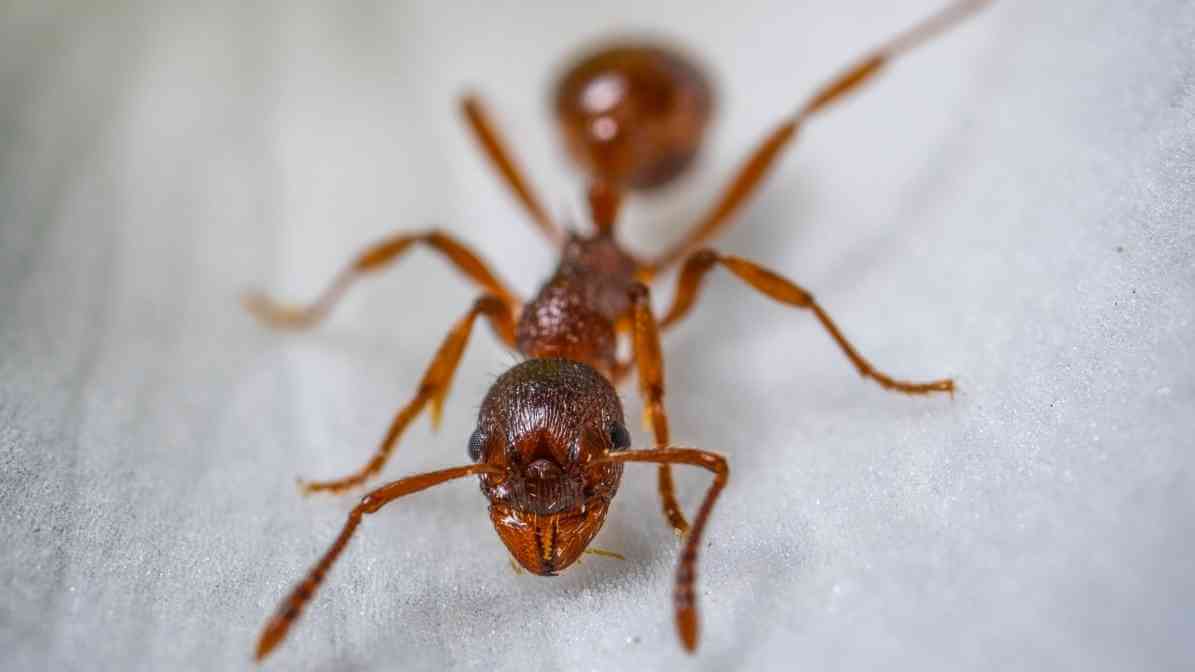
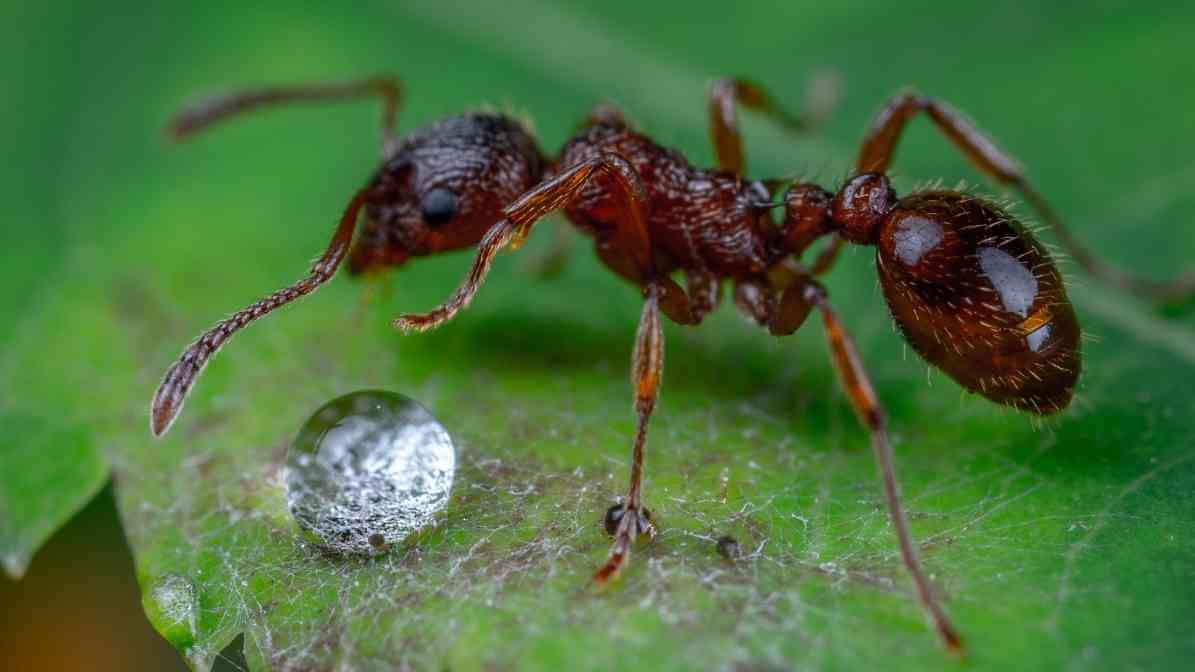
Not historically native to Singapore but increasingly reported in parks and gardens. Fire ants are red to reddish-brown, 2–6mm, and build conspicuous soil mounds. They are highly aggressive — disturbing a mound triggers a mass coordinated defensive response. Their sting delivers a burning venom that causes intense pain, and multiple simultaneous stings from a disturbed colony can be medically serious. Report suspected fire ant mounds to NParks and do not attempt self-removal.
Section 02
The Ant Life Cycle: Egg to Colony
Ants undergo complete metamorphosis through four stages. Understanding this cycle explains why fast-acting contact sprays are ineffective — they kill workers but leave the queen, eggs and larvae entirely untouched:
1
Egg
Queen lays fertilised eggs continuously. Under Singapore's warm conditions, eggs hatch in 7–14 days. The number of eggs laid daily depends on species and colony size.
2
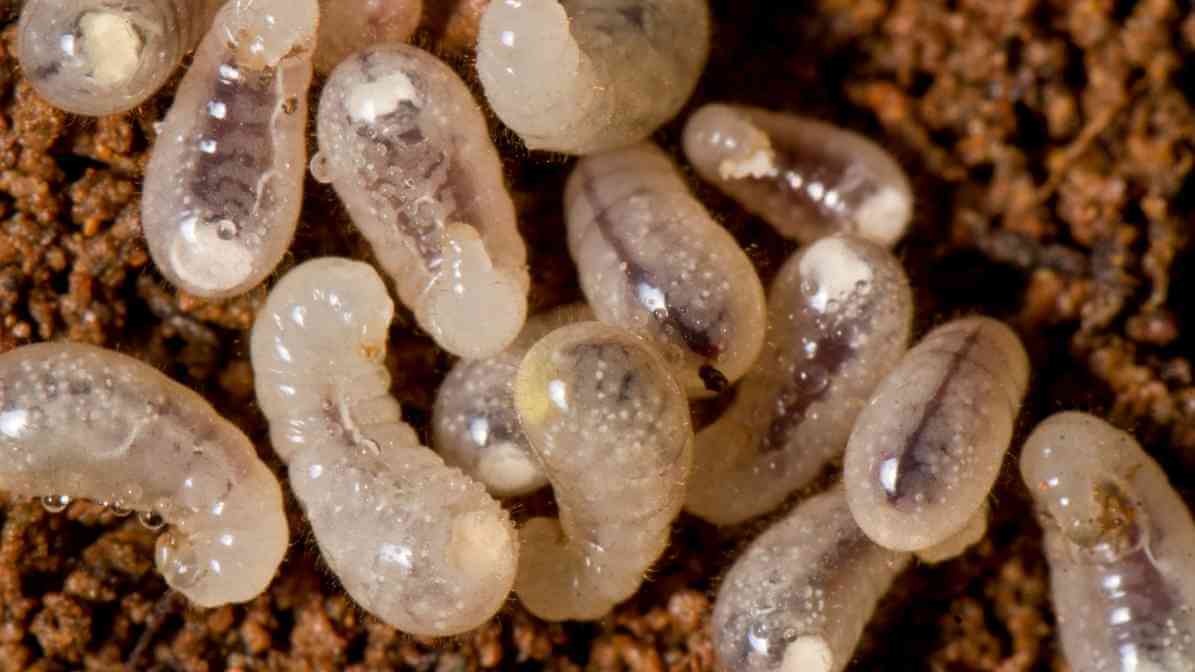
Larva
White, legless grubs fed by workers. Their diet during this stage determines their adult caste — queen, worker or male. Larvae develop for 6–12 days depending on temperature and food availability.
3
Pupa
The transformation stage. Pupae are typically pale and immobile, resembling a compressed adult. This stage lasts 9–30 days depending on species and conditions.
4
Adult
Workers begin foraging within days of emerging. Queens can live years; workers from 2 months to 1 year. A single ghost ant queen can produce thousands of workers during her lifetime — and multiple queens accelerate this exponentially.
Section 03
Effective Ant Control Strategies
Ant Gel Bait (Primary Method)
Apply slow-acting ant bait gel near active trails, entry points and areas of foraging activity. Workers consume the bait and share it through trophallaxis (food exchange) with larvae and the queen — eliminating the colony at its source. Place gel in small amounts in stations or directly on ant trails. Different species prefer different bait formulations (sugar-based vs protein-based).
Seal Entry Points
Seal cracks around pipes, window frames, door sills and wall penetrations with appropriate sealant. Many Singapore ants — particularly ghost ants — enter via utility pipes and cable conduits. Structural exclusion is a prerequisite for lasting control. Without it, sealed colonies are simply replaced by new foragers from outdoor nests.
Disrupt Ant Trails
Wipe visible ant trails with white vinegar or soapy water solution. Ants follow pheromone trails laid by scouts — disrupting these chemical signals temporarily breaks foraging behaviour and forces the colony to re-scout, during which gel bait placed along disrupted trail areas is more readily accepted.
Eliminate Food & Moisture Sources
Store food in sealed containers, clean up spills and crumbs immediately, maintain dry conditions around sinks and pipes. Remove pet food between meals. Ants forage in response to available food signals — reducing food access forces them to consume gel bait placed in their foraging zones.
When to Call Professional Ant Control
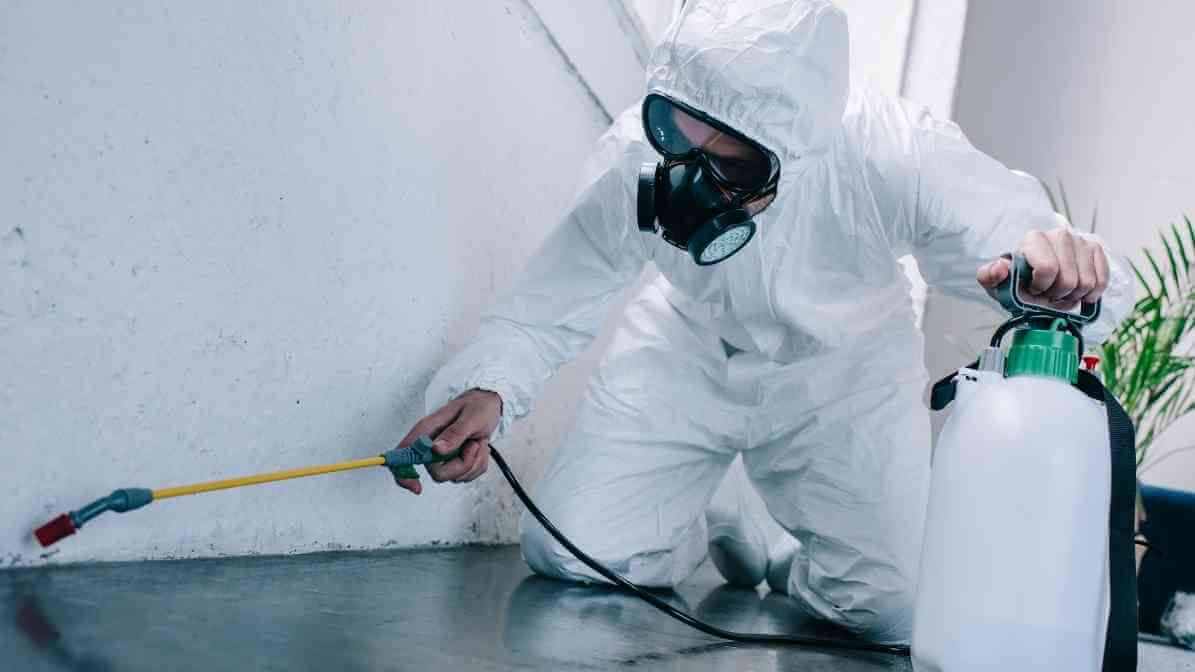
If ant infestations persist despite gel bait deployment, if Argentine ant super-colonies are suspected, if ants are appearing from wall voids or electrical conduits, or if fire ants are found on your property — professional assessment is essential. Our NEA-licensed specialists identify the specific species, locate nest sites and deploy a comprehensive programme combining targeted baiting, structural exclusion and monitoring.
Ant Control Singapore
Ants coming back after treatment?
Persistent ant infestations despite gel bait usually indicate Argentine ant super-colonies with multiple queens, or undiscovered nest sites in wall voids and electrical conduits. Our NEA-licensed specialists use professional-grade baiting programmes, structural inspection and long-term monitoring to achieve complete colony elimination for all common ants in Singapore.
The five most common ants in Singapore are: Ghost ants (tiny, translucent-legged with dark head, invade kitchens) — the most frequently reported in residential settings; Sugar ants (large, dark, form orderly trails along kitchen surfaces); Crazy ants (yellowish, long-legged, move in fast erratic patterns); Argentine ants (light brown, form dense trails, extremely hard to eradicate); and Fire ants (reddish-brown, build soil mounds, painful sting). Ghost ants are by far the most common household ant in Singapore. If you see tiny ants on kitchen countertops or in the bathroom, they are almost certainly ghost ants. Larger ants on outdoor paths or in garden areas are more likely to be crazy ants or sugar ants.
This is a very common and frustrating experience — and the reason is a process called "budding." When colony workers are killed by a contact insecticide, surviving workers carrying eggs and larvae flee to new locations and establish satellite nests. This effectively splits one colony into multiple smaller colonies scattered across a wider area. For species like ghost ants and Argentine ants which have multiple queens, each new satellite nest can contain its own queen and begin reproducing independently. The result appears as if the infestation has spread — because it has. Slow-acting gel bait avoids this by allowing workers to consume and transport the toxin back to the colony before it takes effect, poisoning the queen and eliminating the entire nest from within.
Ant gel bait typically begins working within 3–7 days as workers consume and share the bait with the colony. However, visible ant activity may initially increase slightly after bait placement as more foragers are attracted to the food source before the toxin takes effect. This is a normal and positive sign — it means the bait is being discovered. Complete colony elimination typically takes 2–6 weeks depending on colony size and species. For ghost ants and sugar ants, most customers see significant reduction within 2 weeks. For Argentine ant super-colonies, multiple rounds of professional baiting may be required over 4–8 weeks. The key mistakes that reduce bait effectiveness are: using insecticide sprays near the bait (which repels workers), replacing the bait too frequently (before the full colony has been exposed) and not addressing food sources that compete with the bait.
Written by
Leia Rassid
Content Specialist • Innovative Pest Management
Pest control content specialist at Innovative Pest Management. Leia writes practical identification and prevention guides to help Singapore homeowners and businesses stay pest-free.
Persistent Ants? Colony Elimination, Not Just Suppression.
Most DIY ant treatments kill workers but leave queens and larvae untouched — causing the colony to rebound within weeks. Innovative Pest Management identifies the specific ant species, locates nest sites and deploys professional-grade gel bait programmes that eliminate colonies at the source. Effective for all common ants in Singapore including ghost ants, sugar ants, crazy ants and Argentine ant super-colonies. NEA-licensed.
I am committed to turning complex pest-management insights into clear, practical information that anyone can understand. Through my work, I aim to empower homeowners and businesses to make informed decisions that protect their health, property and environment.