
How to Properly Identify Flea Bites vs Bed Bug?
October 29, 2025
Proven Natural Home Remedies for Fleas and Ticks Infestations
November 5, 2025
When your dog scratches more than usual, it's easy to assume dry skin or allergies. But in many cases, those subtle signs point to something far more persistent: a flea infestation. Fleas are tiny, fast-moving parasites that begin feeding long before you notice obvious symptoms. Understanding the hidden signs — and knowing how to confirm them — is the difference between a quick resolution and a whole-home infestation.
- ✓Cat fleas (Ctenocephalides felis) are the most common species affecting dogs in Singapore — despite their name.
- ✓95% of a flea infestation lives in the environment (carpets, bedding, floor cracks) — not on your dog.
- ✓Flea dirt (dark pepper-like specks that turn red on a damp tissue) is the most reliable early detection sign.
- ✓Treating only the dog without addressing the home environment will always result in re-infestation.
Understanding Fleas: The Silent Blood Feeders
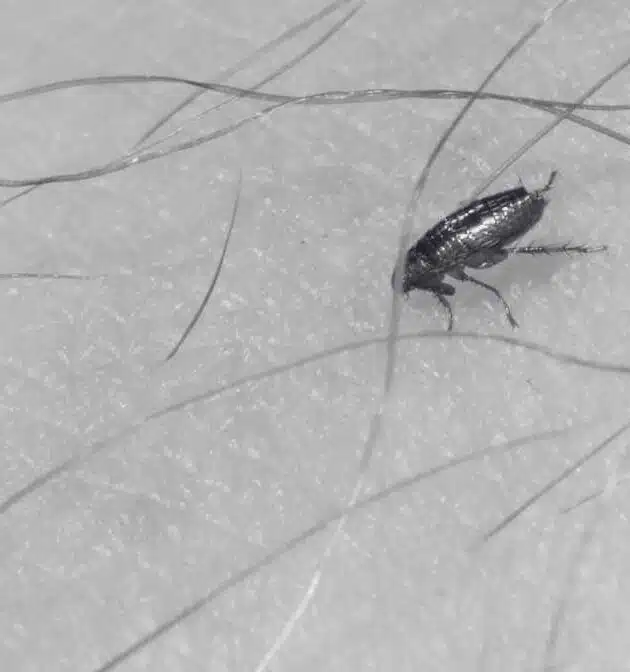
Fleas are small, wingless insects in the order Siphonaptera. The most common species found on Singapore dogs — and cats — is the cat flea (Ctenocephalides felis). Despite the name, cat fleas are responsible for the vast majority of flea infestations in dogs and even humans. Their cross-species adaptability makes flea prevention a whole-household effort.
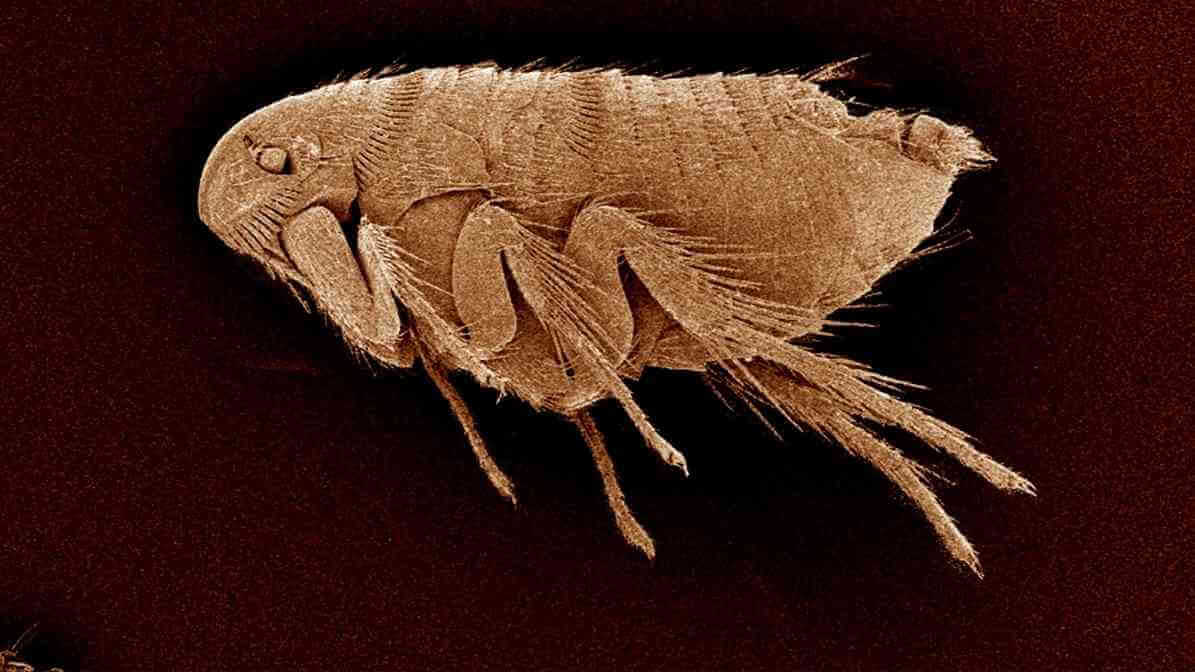

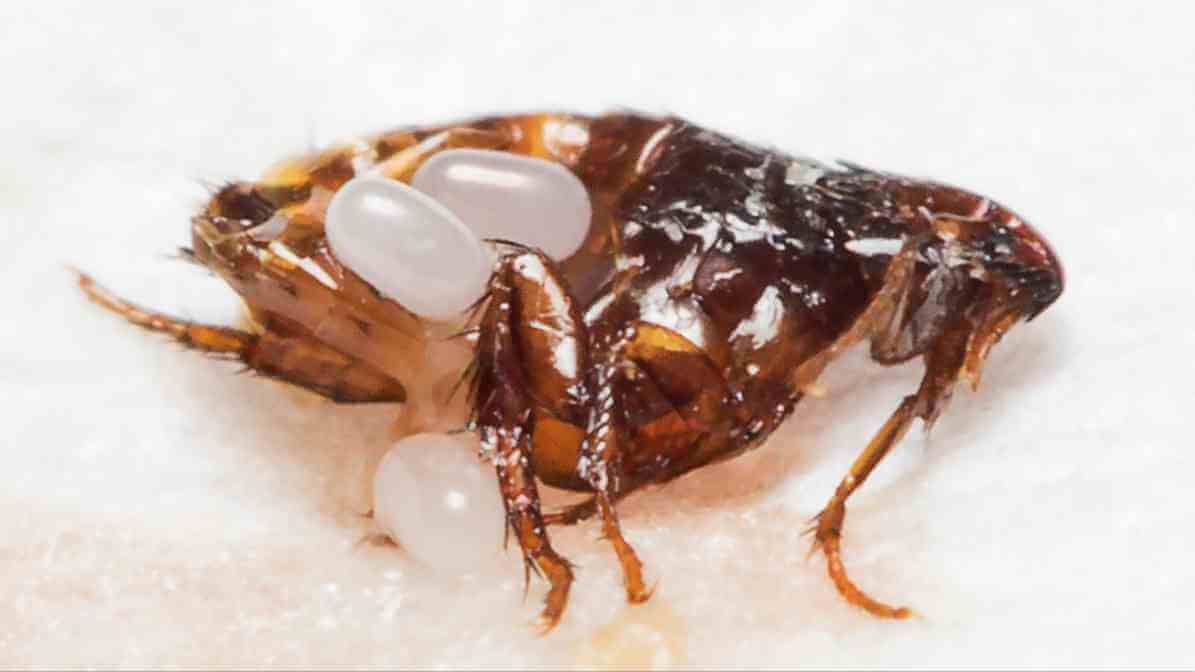
The 95% Rule: For every adult flea you see on your dog, approximately 95% of the infestation — in the form of eggs, larvae and pupae — is hidden in your home environment. Treating only the dog addresses just 5% of the problem.
The Hidden Signs of Fleas on Dogs
Pet owners often expect to see fleas crawling on their dog's fur. In reality, fleas are experts at hiding — especially in thick or dark-coloured coats. Your dog's behaviour and physical symptoms tell the real story. Here are the six signs that reveal a flea presence before you ever see an adult flea:

Flea saliva contains irritating compounds triggering intense itchiness. Dogs bite or lick areas where fleas feed most: around the tail base, abdomen and inner thighs. If your dog is scratching the same spots obsessively, fleas are a likely cause.

Flea dirt looks like pepper flakes on the skin or fur. It is actually flea faeces composed of digested blood. Confirm the test: place the specks on a damp tissue — if they turn reddish-brown, you have confirmed flea droppings.
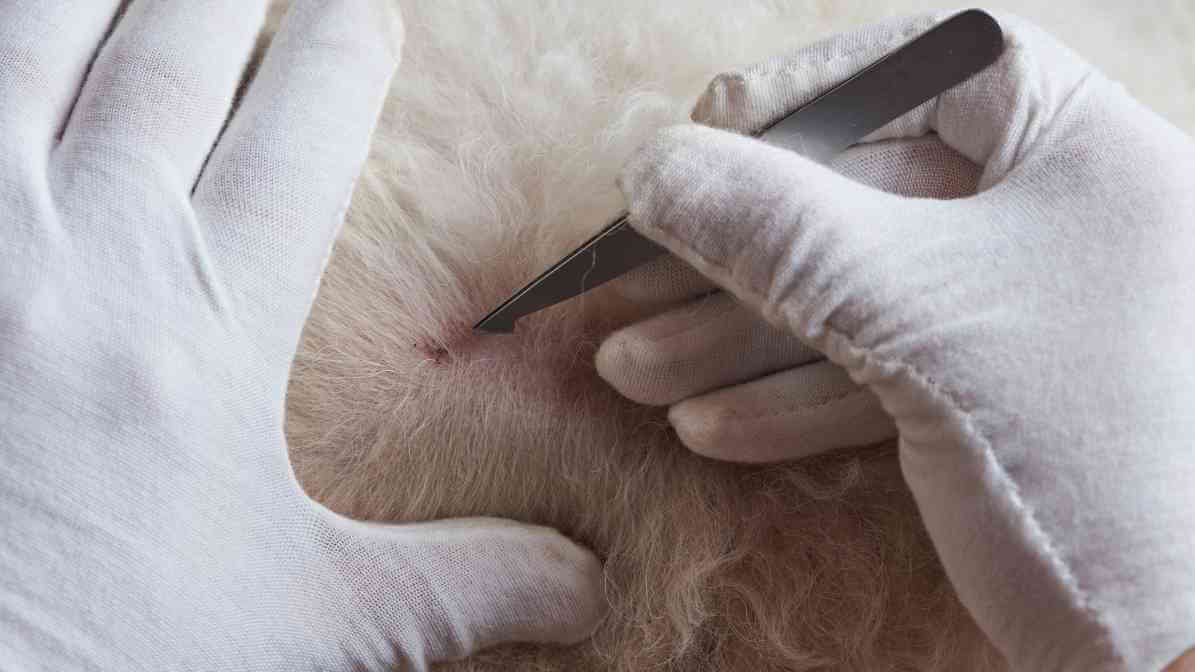
Flea bites appear as small red bumps often surrounded by irritated skin, clustered in areas with thin fur: belly, armpits or groin. Sensitive dogs may develop allergic dermatitis (FAD), significantly worsening the skin reaction.

Constant scratching, biting and licking over flea bite areas causes the fur to thin or fall out. Hair loss is most visible around the base of the tail, the lower back and the inner thighs — prime flea feeding zones.

A dog with fleas is rarely still. They spin in circles, roll on the floor, bite at their own body or refuse to settle — especially at night when fleas are most active. Sudden behavioural changes in a normally calm dog are a strong indicator.

In heavy infestations, especially in puppies and small dogs, the blood loss from constant flea feeding can cause anaemia. Pale gums, weakness, lethargy and rapid breathing are serious warning signs requiring immediate veterinary attention.
Why Cat Fleas Affect Dogs — and How to Confirm the Infestation
Many owners are surprised to learn that cat fleas are responsible for most flea problems in dogs. These adaptable parasites thrive on dogs and cats equally — and can infest both animals simultaneously in the same home. Treating only one pet without the other guarantees recurring problems.
- ●They infest cats and dogs simultaneously in the same household
- ●They jump easily from one animal to another during play or contact
- ●They reproduce rapidly — leaving eggs in the shared living environment
- ●Flea comb test: comb through neck and tail fur; inspect for live fleas or black specks that turn red on a damp tissue
- ●White sock test: wear white socks and walk across carpeted areas; tiny dark specks jumping onto fabric indicate fleas in the environment
- ●Bedding inspection: use a flashlight to check pet bedding seams and carpet fibres for dark specks, shed skins or tiny white eggs
Professional treatment targets all life stages simultaneously — including eggs and pupae hidden deep in your home. Treating only your dog is not enough. Let our NEA-licensed specialists handle the full environment.
How to Kill Fleas: Effective Treatment Steps
Once you have confirmed a flea infestation, immediate multi-step treatment is essential. You must address both the pet and the environment simultaneously — or the cycle will restart within weeks as pupae in the carpet emerge.
Applied between shoulder blades, contain active ingredients that kill adult fleas and disrupt the life cycle. Always choose veterinarian-approved products designed for your pet's specific size and species. Never use dog treatments on cats.
Fast-acting flea pills kill adult fleas within hours of ingestion. Some formulas provide extended protection against ticks and other parasites. Prescribed by veterinarians for optimal dosage and species safety.
Flea shampoos wash away live fleas and relieve itching. Best used as part of a comprehensive treatment plan, not as a standalone solution, since they offer no residual protection once the pet is dry.
Wash all pet bedding in hot water weekly. Vacuum carpets and upholstery thoroughly — dispose of the vacuum bag immediately. Treat flooring and soft furnishings with approved household flea products or engage professional pest control.
Critical: Treat all pets in the household simultaneously. Treating one pet while leaving another untreated creates a reservoir that restarts the infestation within 2–3 weeks.
Preventing Future Flea Infestations
In Singapore's tropical climate, flea prevention is not a one-time task — it requires year-round consistency. These four habits form the foundation of effective long-term flea prevention for dog owners:
When to Call a Professional Pest Control Specialist
Despite diligent home treatment, some infestations require expert intervention. Our specialists understand the biology of Ctenocephalides felis and use targeted, safe treatments to eliminate fleas from both your pets and your home environment. Contact us if you experience any of the following:
Frequently Asked Questions

Pest control content specialist at Innovative Pest Management. Leia writes practical identification and prevention guides to help Singapore homeowners and businesses stay pest-free.


Spotted the Signs?
Don't Wait Until It Spreads.
Once a flea infestation establishes in your home environment, it requires 4–12 weeks to fully eliminate. Our NEA-licensed team treats both pets and their environment simultaneously, targeting all life stages including dormant pupae that home treatments cannot reach.