
Housefly Secrets and 10 Dangerous Diseases You Must Know
October 28, 2025
Powerful Tips Spotting Fleas on Dogs Before It’s Too Late
November 4, 2025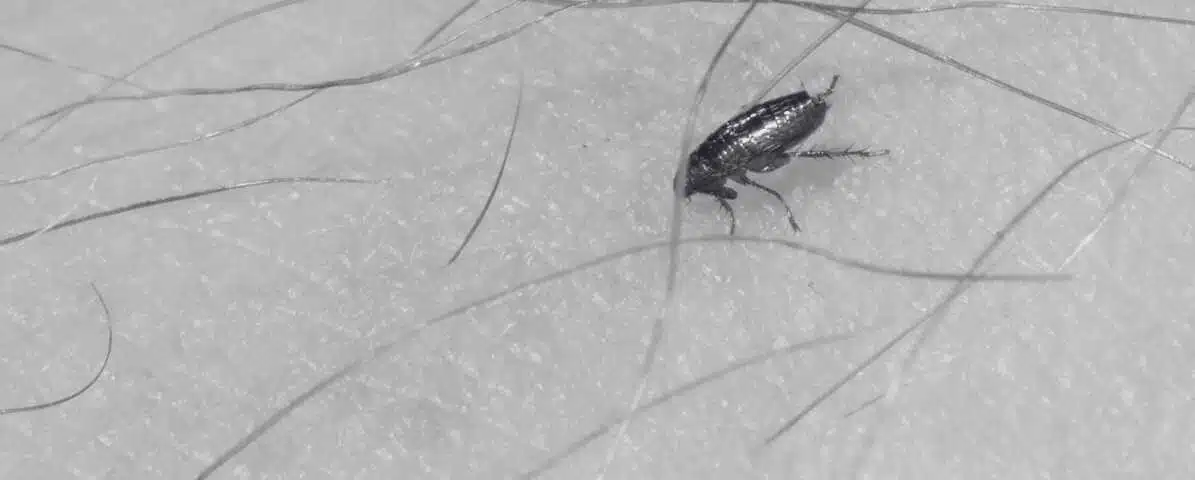
In Singapore's warm, densely populated homes, small itchy marks on your ankles or arms can indicate two completely different pest problems: a flea infestation linked to your pet, or a hidden bed bug presence in your mattress. The confusion is widespread — but correctly identifying which pest you're dealing with is the most important step, since the control methods are entirely different.
- ✓Flea bites cluster on the lower body (ankles, calves) and are linked to pets and floor contact. Bed bug bites appear on exposed skin during sleep (arms, neck, shoulders).
- ✓The "flea dirt test" (specks that turn red on a damp tissue) and the presence of scratching pets are strong flea indicators.
- ✓Bed bugs leave dark spots (droppings) and shed skins in mattress seams, bed frames and behind headboards.
- ✓Misidentifying the pest leads to the wrong treatment — wasting time and allowing the infestation to grow.
Understanding Flea Bites
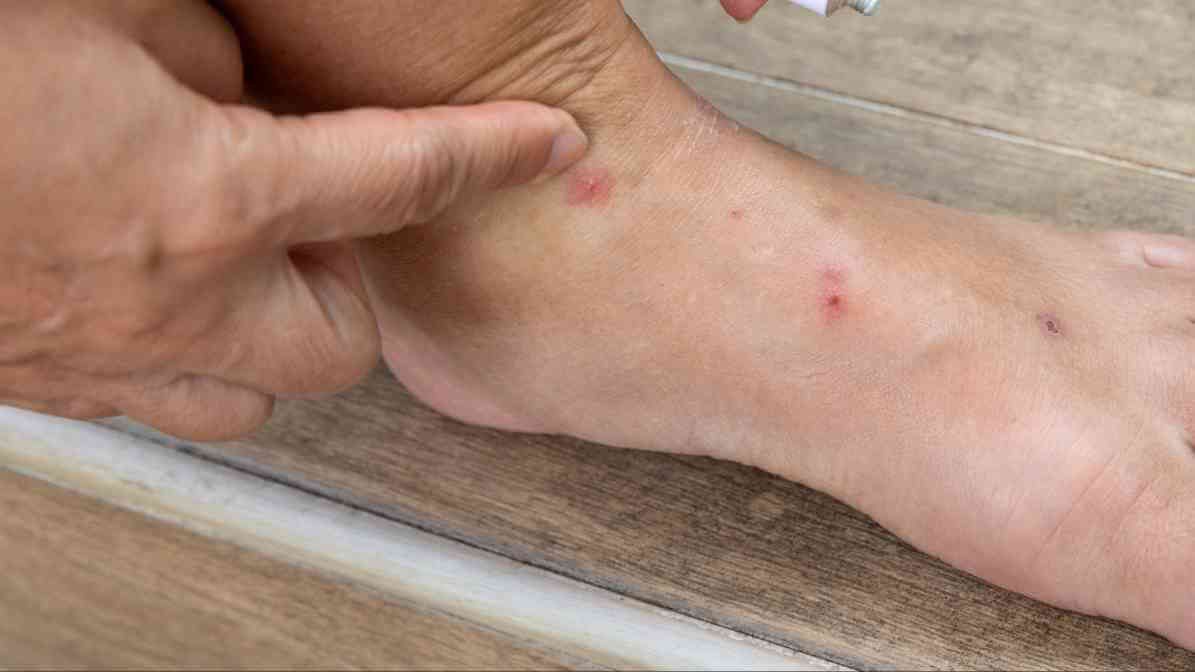
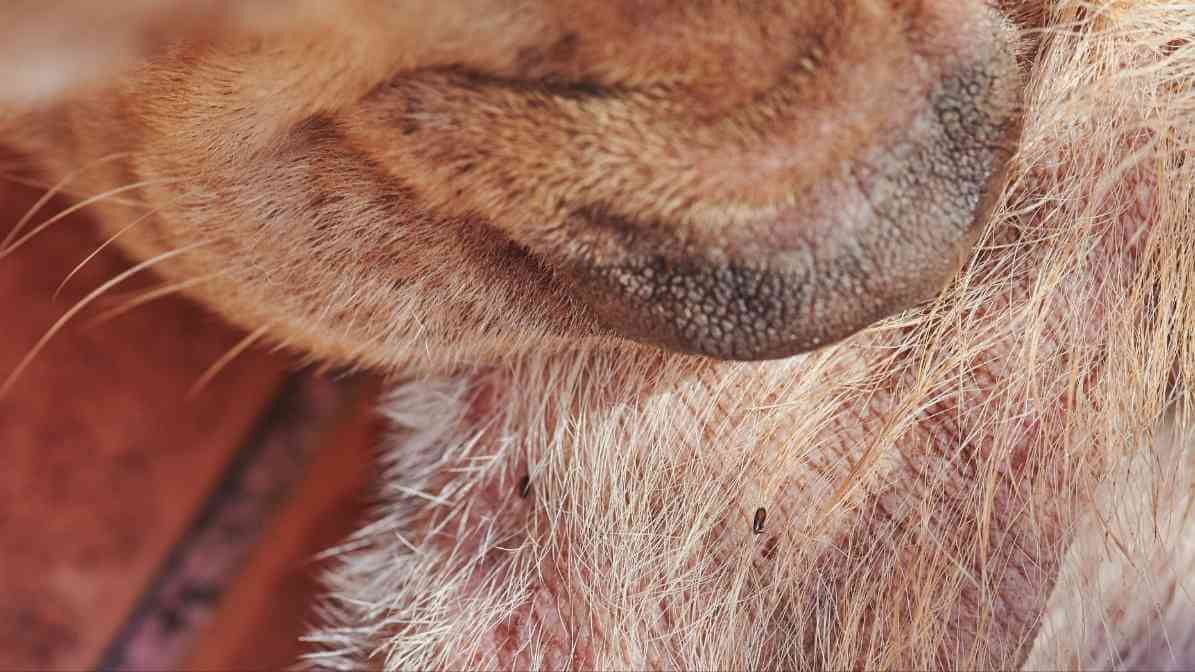
Fleas — particularly cat fleas (Ctenocephalides felis) — are agile, wingless parasites that feed on the blood of mammals. Female fleas lay dozens of eggs daily, generating hidden populations in carpets, rugs and pet bedding. Singapore's warm, humid environment is exceptionally hospitable to them. When pets become hosts, fleas often hop off and bite humans, creating multiple small bite sites.
- ●Tiny raised red bumps, often in clusters or short lines
- ●Surrounded by a ring of redness or irritated skin
- ●Often accompanied by a dark central speck at the bite site
- ●Immediate intense itch that worsens with scratching
- ●Ankles, calves and lower legs (floor contact zones)
- ●Waistline and inner arms where clothing traps warmth
- ●Primarily on lower body — concentrate at floor level
- ●Strongly linked to pet contact and carpeted areas
Environmental clue: If your pet suddenly scratches more than usual and you notice dark specks in their fur — place the specks on a damp tissue. If they turn reddish-brown, this confirms flea faeces (flea dirt) and an active infestation. Check carpets and pet bedding for flea dirt at the same time.
Understanding Bed Bug Bites
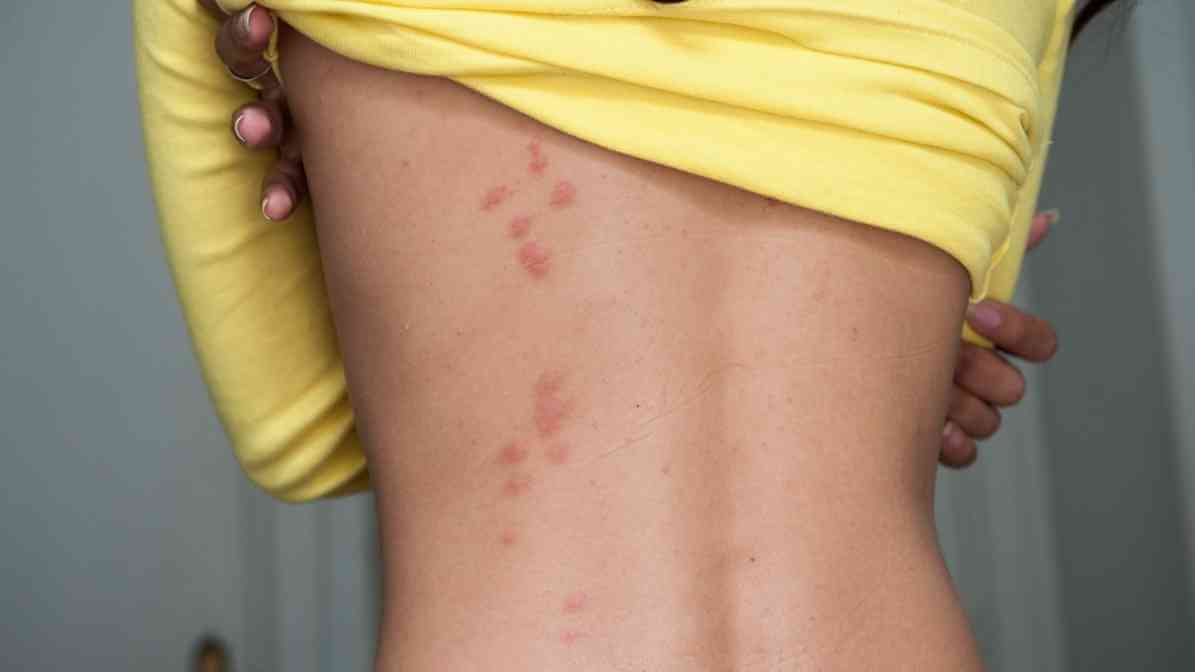
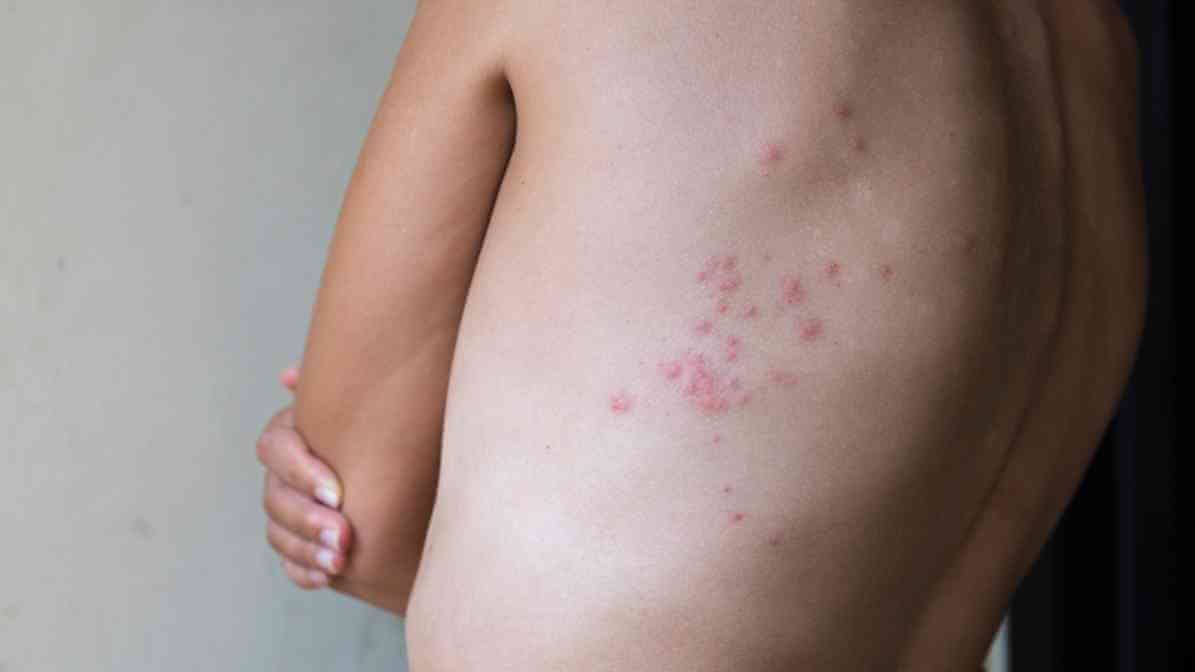
Bed bugs are flat, oval-shaped insects that hide in mattress seams, bed frames, headboards, wall cracks and second-hand furniture. Unlike fleas, bed bugs do not jump — they crawl from their hiding spots during the night for a blood meal. A single incident of infested travel accommodation, second-hand furniture or an adjoining apartment unit can introduce them into a home.
- ●Raised welts or papules, often larger than flea bites
- ●Oval-shaped, red and intensely itchy
- ●Zig-zag or straight-line pattern of 3 to 5 bites
- ●Delayed reaction — marks appear hours or days after the bite
- ●Arms, neck, shoulders and face — exposed skin during sleep
- ●Upper body and torso — areas not covered by bedding
- ●Not linked to pets or floor contact
- ●Worsens over time as the bed bug population grows
Environmental clue: Inspect mattress seams, bed frame joints and behind the headboard with a flashlight. Bed bug infestations leave visible evidence: small dark spots (droppings), pale shed skins (exuviae) and sometimes a musty sweet odour. Seeing these physical signs confirms bed bugs regardless of whether you have been bitten.
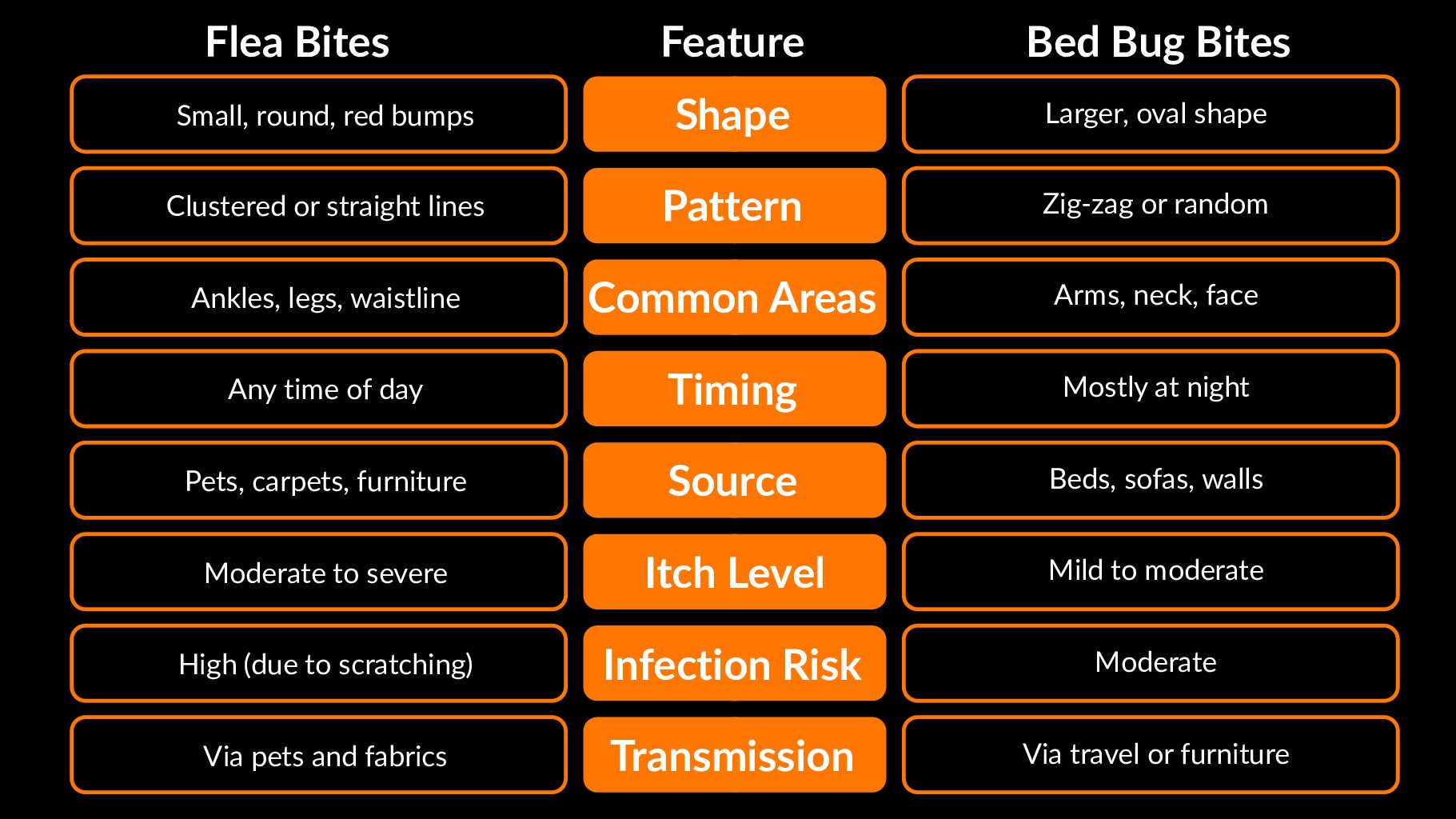
Side-by-Side Comparison: Flea Bites vs Bed Bug Bites
Use this comparison as your quick reference guide when trying to identify which pest is responsible for the bites you are seeing:
Our NEA-licensed specialists can conduct an on-site inspection to definitively identify your pest and recommend the correct targeted treatment — the same day.
3-Step Inspection Process: Identify Which Pest You Have
Follow this systematic process to confidently determine whether you're dealing with fleas, bed bugs, or another biting insect entirely:
If you have dogs or cats, check them first. Use a fine-toothed flea comb around the neck and tail. Look for live fleas or black flea dirt (specks that turn red on a damp tissue). Wash pet bedding and check rugs and carpets for flea dirt at floor level. If you find evidence here, fleas are the confirmed source.
If you don't have pets or the pet check was negative, inspect your mattress seams, bed frame joints and headboard with a flashlight. Look for small dark spots (bed bug droppings), pale shed skins (exuviae) or live bugs 4–5mm long. Bed bugs are reddish-brown, flat and oval-shaped. No pet connection + upper-body bites during sleep = strong indicator of bed bugs.
Health Risks, Treatment & Prevention
Repeated flea bites can lead to secondary skin infections from scratching. Fleas transmit bacteria and parasites — including tapeworms if accidentally ingested. Pets suffering heavy infestations may develop anaemia. Seek medical care if bites become blistered, infected or cause an allergic response.
- ●Monthly pet flea treatments; hot wash bedding weekly
- ●Vacuum carpets regularly; treat home environment
- ●Reduce outdoor pet exposure to stray animals
Bed bugs are not confirmed disease vectors but their impact is significant: intense itching, allergic reactions, chronic sleep disruption and psychological distress. Some individuals experience flu-like symptoms. Scratching can open sores and cause bacterial infections requiring antibiotic treatment.
- ●Use mattress and pillow encasements
- ●Inspect hotel bedding when travelling; wash clothes at 60°C
- ●Avoid bringing in second-hand furniture without inspection
Frequently Asked Questions

Pest control content specialist at Innovative Pest Management. Leia writes practical identification and prevention guides to help Singapore homeowners and businesses stay pest-free.



Identify the Pest.
Then Eliminate It Correctly.
Treating fleas with bed bug methods — or vice versa — wastes time and allows the infestation to grow. Our NEA-licensed specialists correctly identify your pest on-site and apply the most effective targeted treatment available in Singapore.