Are Hornets Threatening? The Truth About Hornet Hives
November 9, 2025
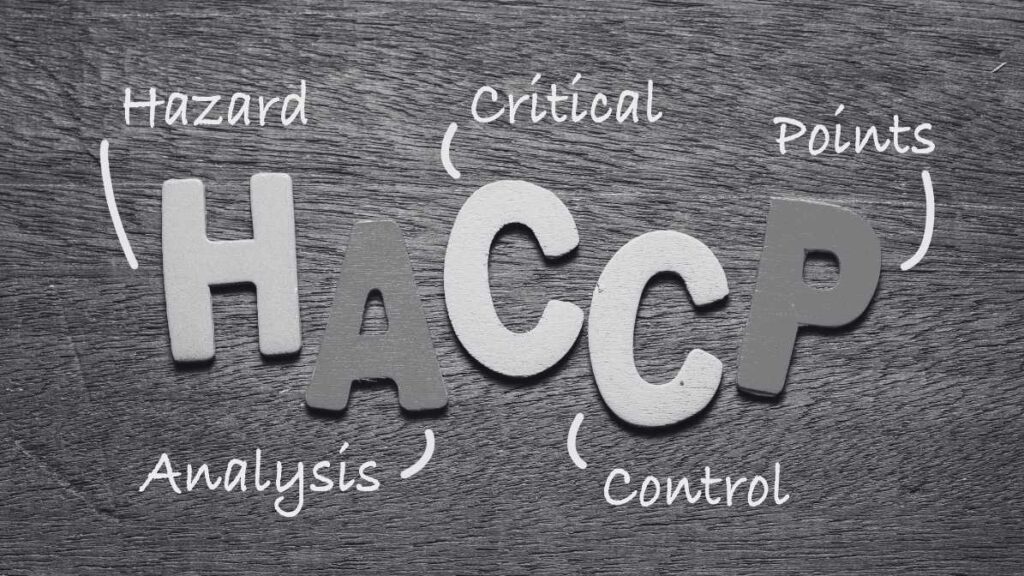
Innovative Pest Management Standard HACCP for Your Food Safety Management
December 1, 2025
Maintaining a pest-free home is essential for your family's comfort, health and safety. When pests infiltrate your living spaces, they create far more than a nuisance — they introduce health risks, damage property, contaminate stored food and disrupt daily life. Knowing the right safety measures for pest control protects both your home and your loved ones.
- ✓Pest control products must be handled carefully — improper use can cause respiratory irritation, chemical exposure and accidental ingestion risks.
- ✓Children and pets are significantly more vulnerable to chemical exposure during and after pest treatments.
- ✓Always identify the pest before choosing a treatment — wrong methods push pests deeper or create unnecessary chemical exposure.
- ✓Long-term pest prevention reduces the need for frequent chemical treatments and keeps your home safer year-round.
Why Safety Matters When Managing Pest Problems at Home
Pest control at home is often approached casually, but treating pests without proper precautions can be hazardous. Pest control products — aerosols, sprays and baits — must be handled carefully to avoid respiratory irritation, chemical exposure or accidental ingestion, especially in households with young children and pets.
At the same time, an untreated pest infestation poses its own serious dangers. Understanding both sides of this risk is the foundation of smart, safe pest management:
Pests carry and spread pathogens that contaminate surfaces, food preparation areas and the air you breathe.
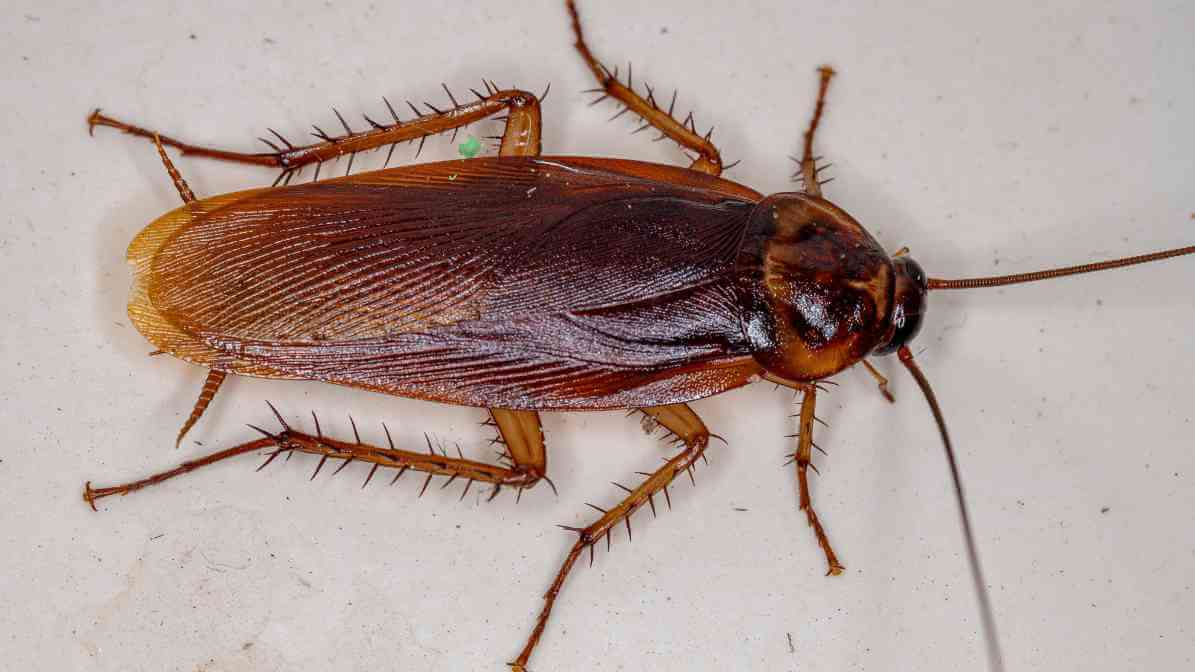
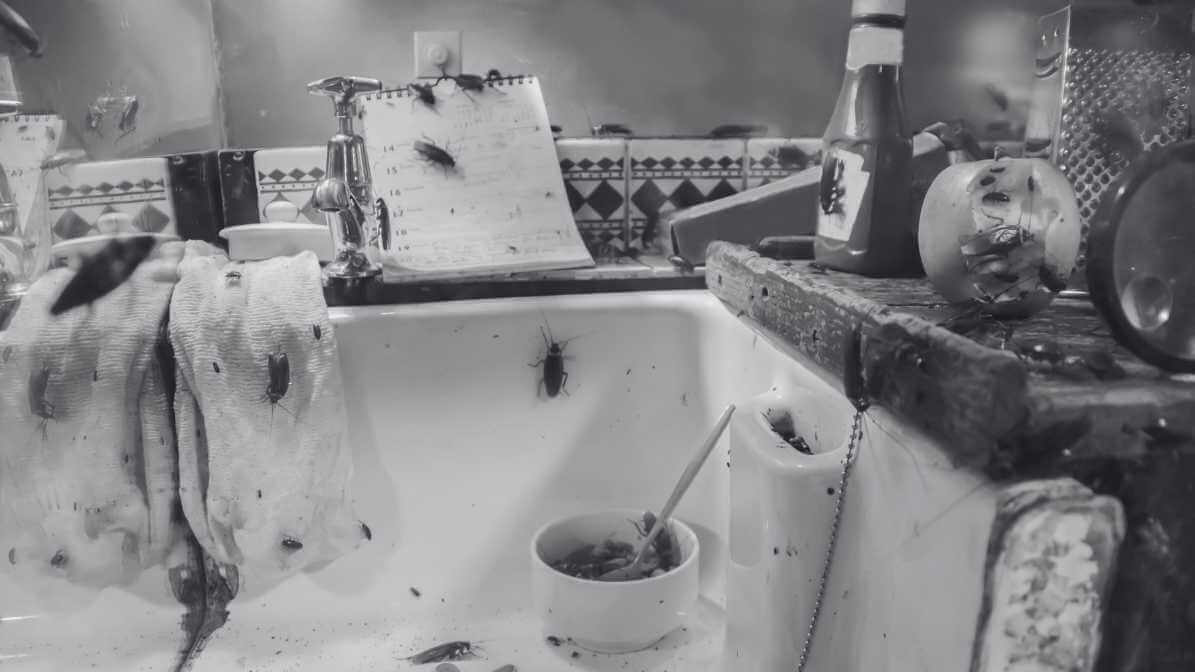
Cockroach droppings, shed skins and dust mite activity are known triggers for asthma and respiratory conditions.
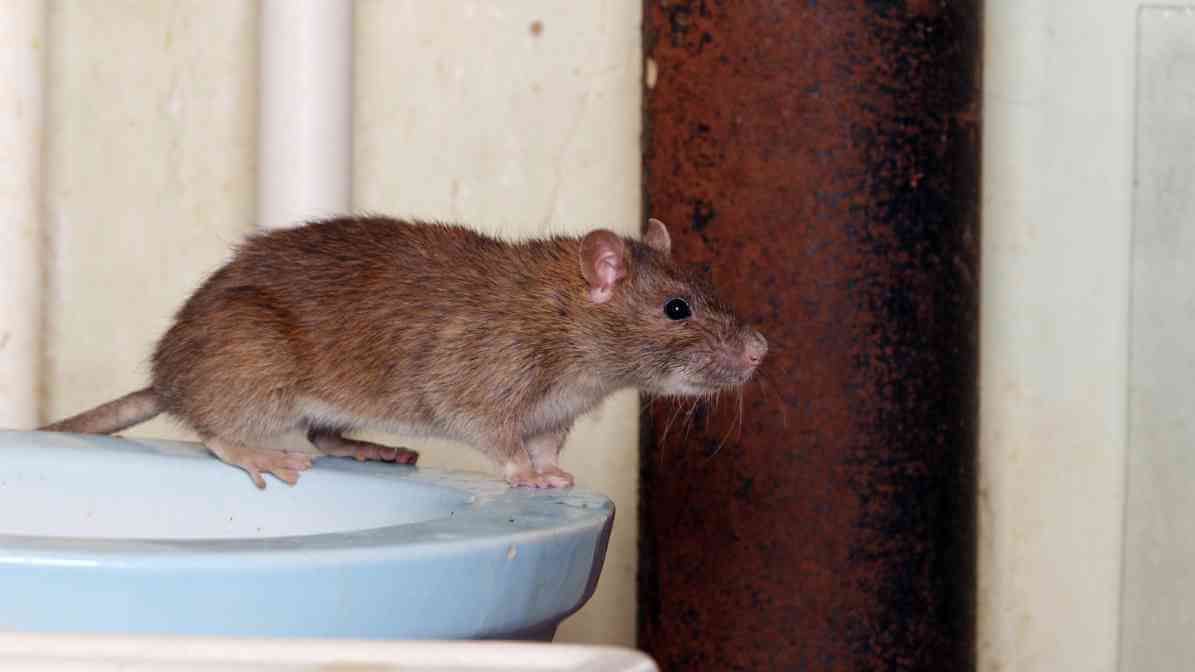
Rodents gnaw through electrical wiring and insulation, significantly increasing the risk of short circuits and house fires.
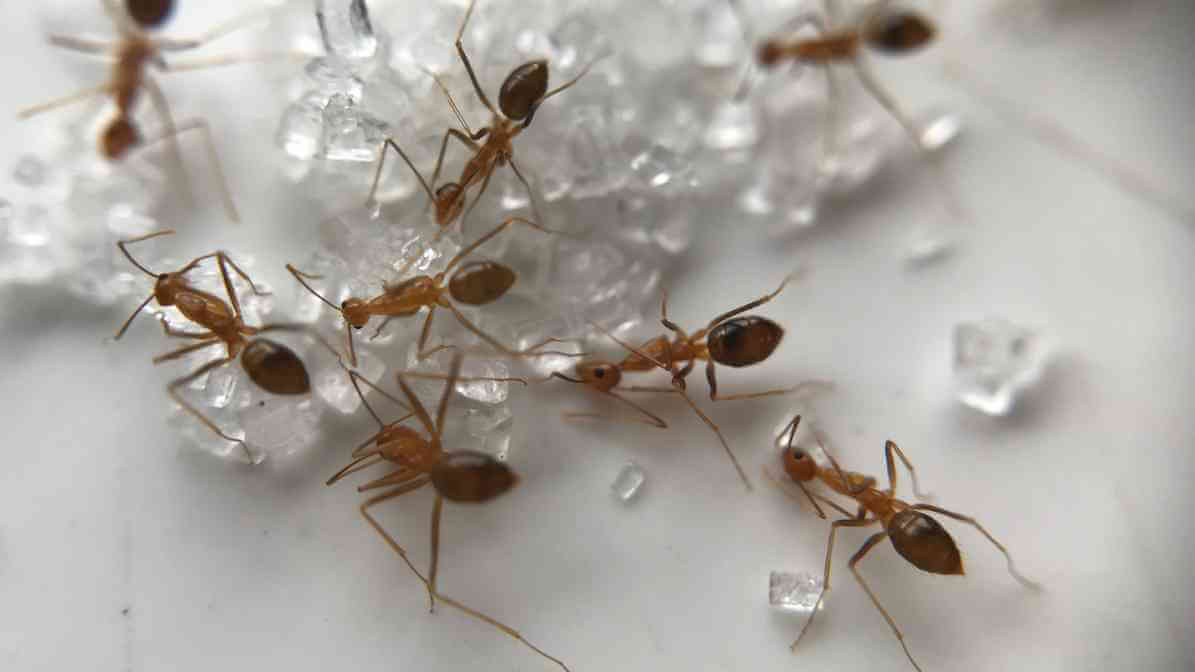
Cockroaches, ants and rodents actively contaminate kitchen surfaces and food storage areas with bacteria and waste.
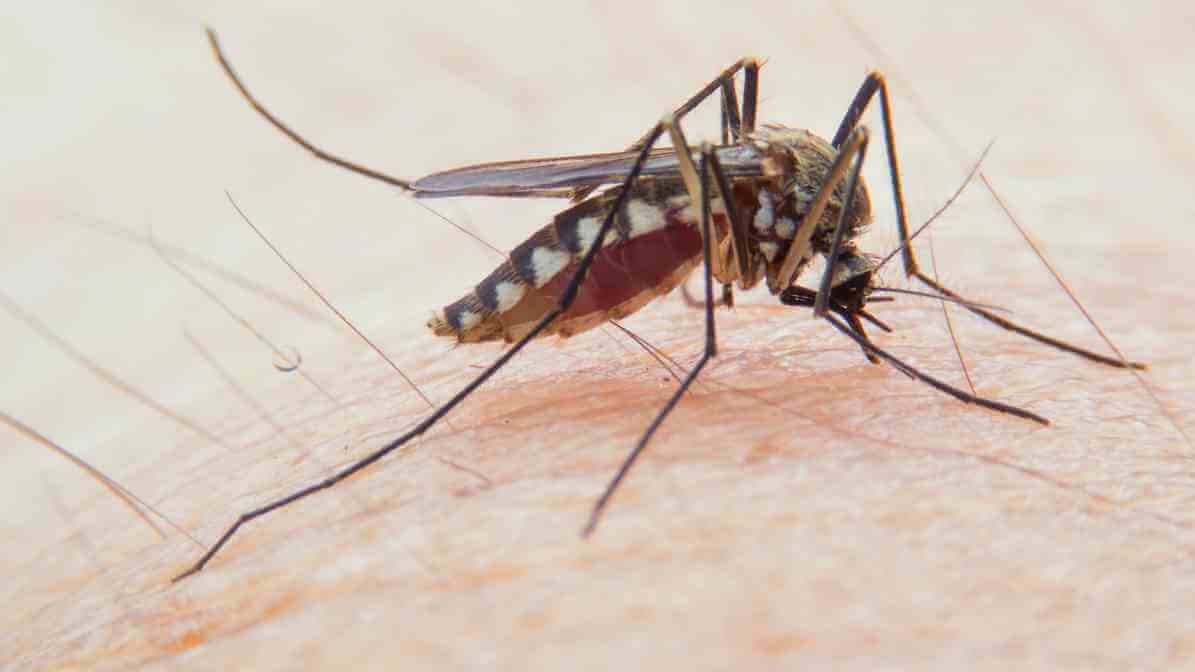
Mosquitoes in Singapore are vectors for dengue fever — a disease that causes tens of thousands of cases annually. Early prevention is essential.
Understanding the Risks: Common Household Pests
Different pests present different risks. Identifying the pest accurately helps determine the safest and most effective method of control. A knowledgeable pest control company understands the biology, behaviour and vulnerabilities of each species — ensuring safer treatment options are selected from the start.
Essential Safety Measures for Pest Control at Home
These are the core safety practices to follow when preventing pests or applying pest treatments in your home. Following these 8 measures protects everyone in the household while ensuring treatments remain effective.
Effective pest control begins with accurate identification. Each pest requires a different treatment strategy. Using the wrong chemicals leads to over-exposure to unnecessary products and often drives pests deeper. Our trained specialists quickly identify pest species and recommend the safest approach.
Before applying any pest control chemicals at home, read the product label thoroughly. Labels include safety precautions, exposure warnings, protective gear recommendations and application instructions. Misuse is a common hazard — leading to eye and skin irritation and contamination of food-contact surfaces. Follow manufacturer instructions strictly to avoid accidents.
Children and pets are significantly more vulnerable to chemical exposure. Before applying any solution, remove toys, bedding, pet water bowls and food sources from the area. Block access to treated zones until chemicals have fully dried. Our professional services use family-friendly solutions with reduced toxicity wherever possible.
Proper preparation reduces exposure risks during and after treatment. Good airflow prevents chemical build-up indoors. Before applying treatments: keep target areas ventilated and cover all food, utensils and kitchen appliances to prevent contamination.
Many homeowners underestimate the danger of improper chemical storage. Never transfer chemicals into drink or food containers — this is extremely hazardous. Always store products out of reach of children and pets, away from heat and moisture and in their original labelled containers.
Gel baits and sticky traps are safer alternatives to sprays, but correct placement is critical. Avoid placing rodent traps or insect baits where pets or children can access them. Traps should be positioned in secure, hidden locations and removed promptly once pests are caught.
While sprays seem convenient, overuse increases the risk of inhalation and chemical residue on surfaces. Too much aerosol irritates the respiratory system, particularly for children and asthma sufferers. If spraying is necessary, keep surfaces dry before re-entry and clean all food-contact surfaces afterwards.
DIY methods are not sufficient for persistent or large-scale infestations. Our professional home pest control service employs safer, expert-level pest management and regulated treatment solutions — including safe application of advanced products, long-term management strategies, identification of hidden infestations and complete peace of mind for your family.
Our NEA-licensed specialists use child-safe, pet-friendly methods — with full documentation and guaranteed results.
Safe Pest Control Methods Recommended by Professionals
Our NEA-licensed pest control services use a combination of safe, targeted and modern treatment techniques that minimise chemical exposure while delivering long-term, effective results. These alternatives are carefully selected based on pest species and the specific environment of each home.
Highly targeted, no-spray method that eliminates cockroach colonies at source without chemical residue on surfaces.
Low-toxicity bait systems that attract and eliminate entire ant colonies without exposing family members to harsh chemicals.
UV light traps and glue boards that capture flies hygienically — no chemical aerosols in food preparation or living areas.
Passive monitoring devices that detect pest activity early, enabling targeted treatments before infestations escalate.
Where chemical treatments are required, our technicians apply NEA-approved solutions precisely — minimising exposure, ensuring proper dilution and following all safety protocols.
Post-Treatment Safety Guidelines
Post-treatment hygiene strengthens pest control measures and ensures ongoing safety for your household. After any pest control treatment — professional or DIY — follow these vital procedures to protect your family and prevent recontamination:
Until all treated surfaces are completely dry and ventilation is adequate.
Wipe counters, stove tops and cutting boards before preparing any food.
Before cooking or eating, wash all utensils and thoroughly wash your hands.
Discard any exposed or uncovered food items in the treated area.
Check trap stations and watch for recurring signs over the following days and weeks.
Continue sealing entry points, fixing leaks and keeping food stored securely after treatment.
Long-Term Prevention: Keep Your Home Pest-Free Safely
Effective pest control does not end after treatment. Long-term safety measures prevent pests from returning and reduce the need for frequent chemical treatments — keeping your home naturally safer for your whole family.
Professional visits provide early detection of hidden infestations and safer, targeted treatments before problems escalate. Regular inspections are the single most effective long-term prevention measure for Singapore homeowners.
Frequently Asked Questions

Pest control content specialist at Innovative Pest Management. Leia writes practical identification and prevention guides to help Singapore homeowners and businesses stay pest-free.
View all articles

Keep Your Home Pest-Free
With Safe, Expert Pest Control
Our NEA-licensed specialists deliver child-safe, pet-friendly pest management for homes across Singapore — with transparent communication, regulated treatments and guaranteed results.