Dealing with Zika Mosquito and What You Can Do Now
June 2, 2023
Powerful Ways to Fight Back and Protect Against Bed Bugs
June 13, 2023

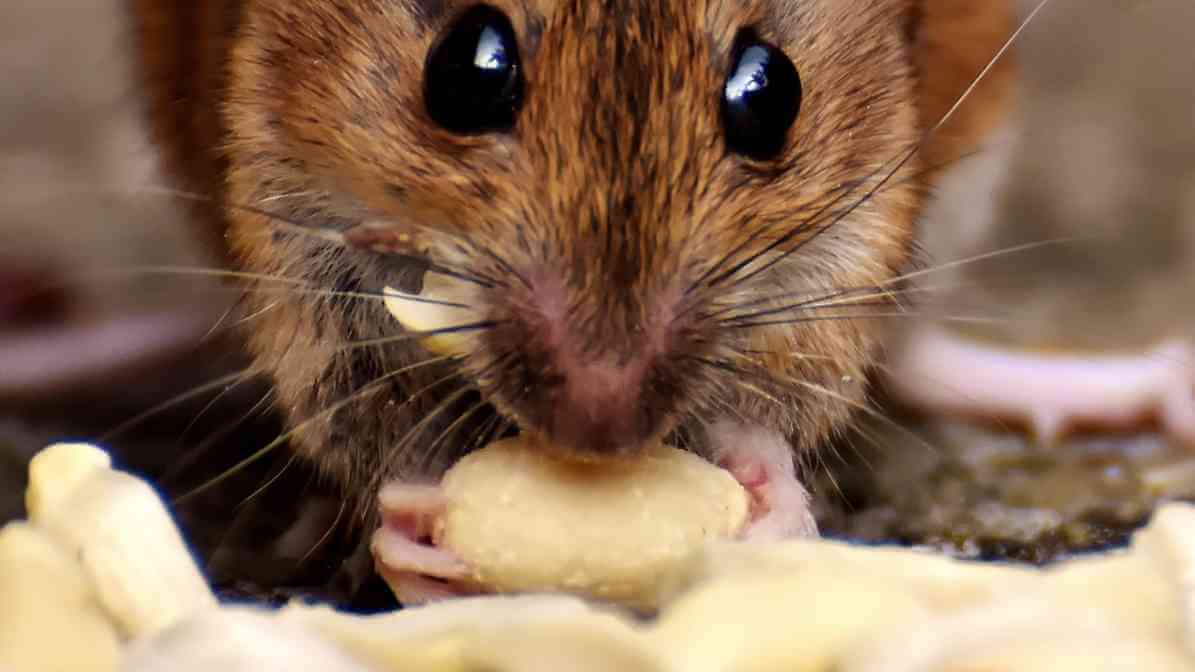
A typical rat infested restaurant can face severe consequences including contaminated food, spread of diseases like rat bite fever, and regulatory penalties. Rodents such as roof rats prefer higher nesting sites and are famous for squeezing through the smallest potential entry points — making swift rodent control in restaurant settings absolutely critical.
- Rodent in restaurant settings require immediate, multi-layered action — cleaning alone is not enough.
- Sealing entry points and maintaining food storage hygiene are your first lines of defence.
- Continuous monitoring, staff training and professional pest control form a sustainable solution.
- NEA compliance is non-negotiable — fines of up to $5,000 apply for rodent breeding.
Identify and Seal Potential Entry Points
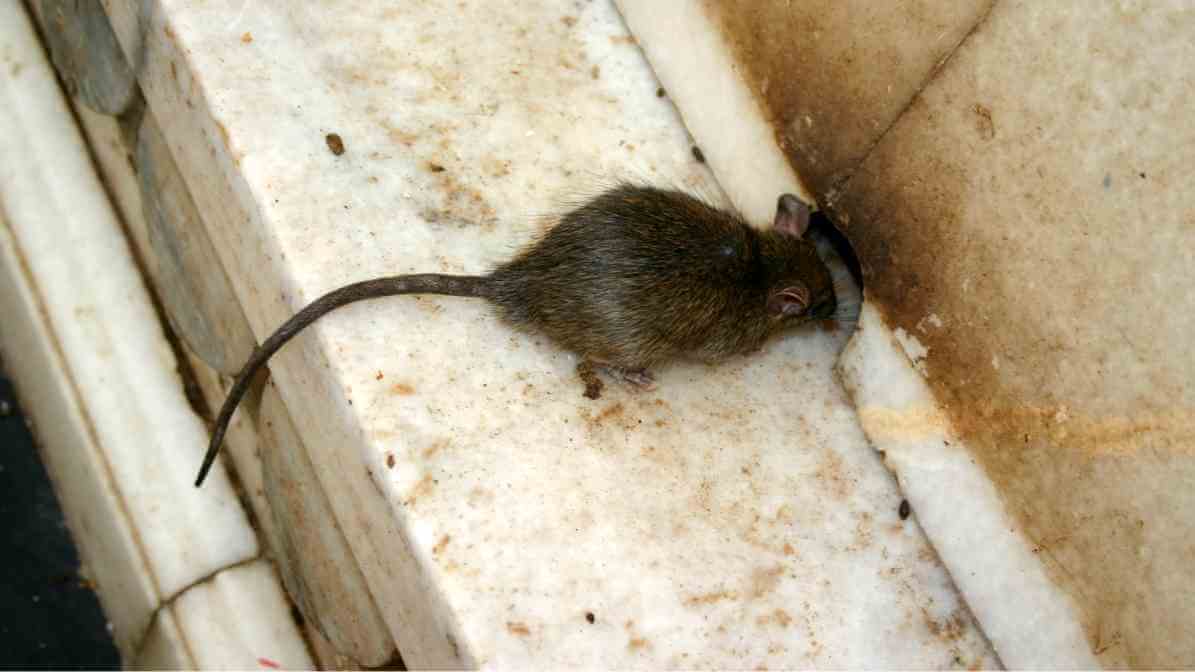
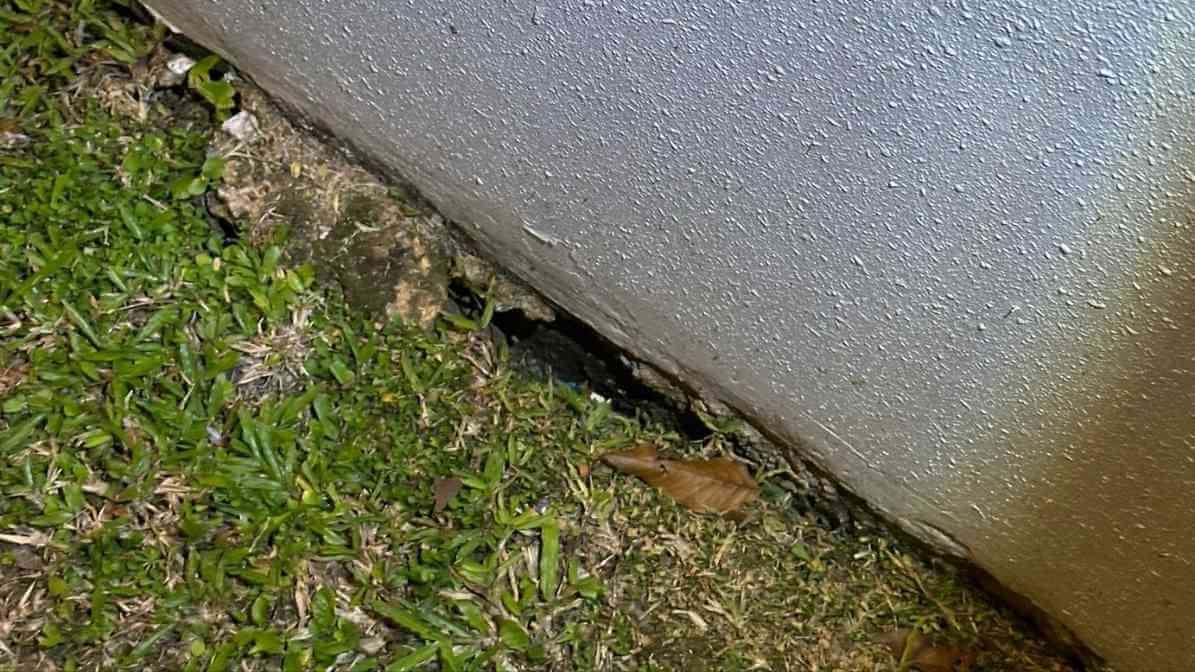
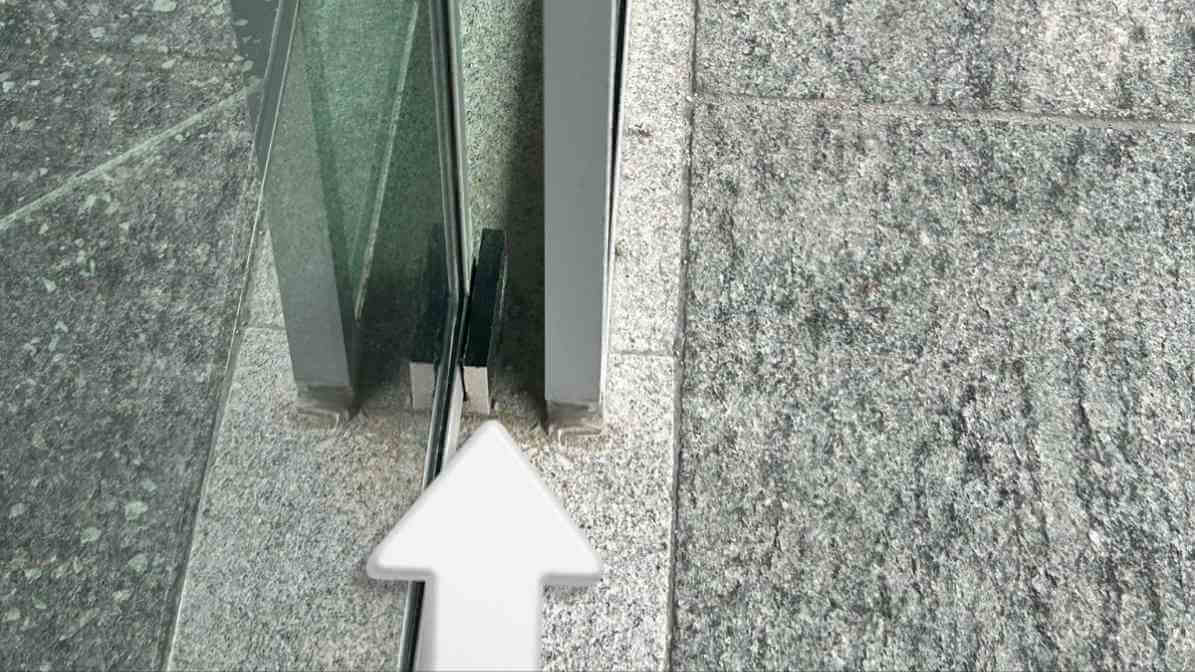
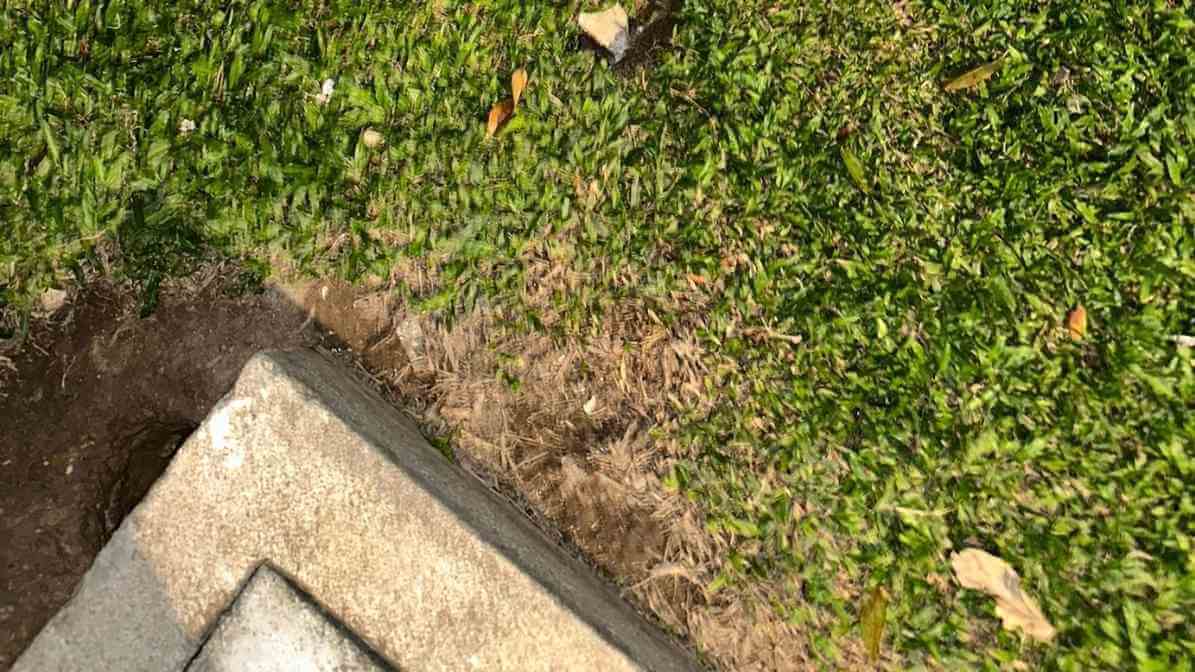
Potential entry points are the main gateways for relentless rats and mice to invade your restaurant. Any small hole or crack as tiny as a coin can be enough for rats to squeeze through. Sealing these entry points is the first step in preventing rats from re-entering and establishing a new nest.
Maintain Excellent Sanitation and Food Storage
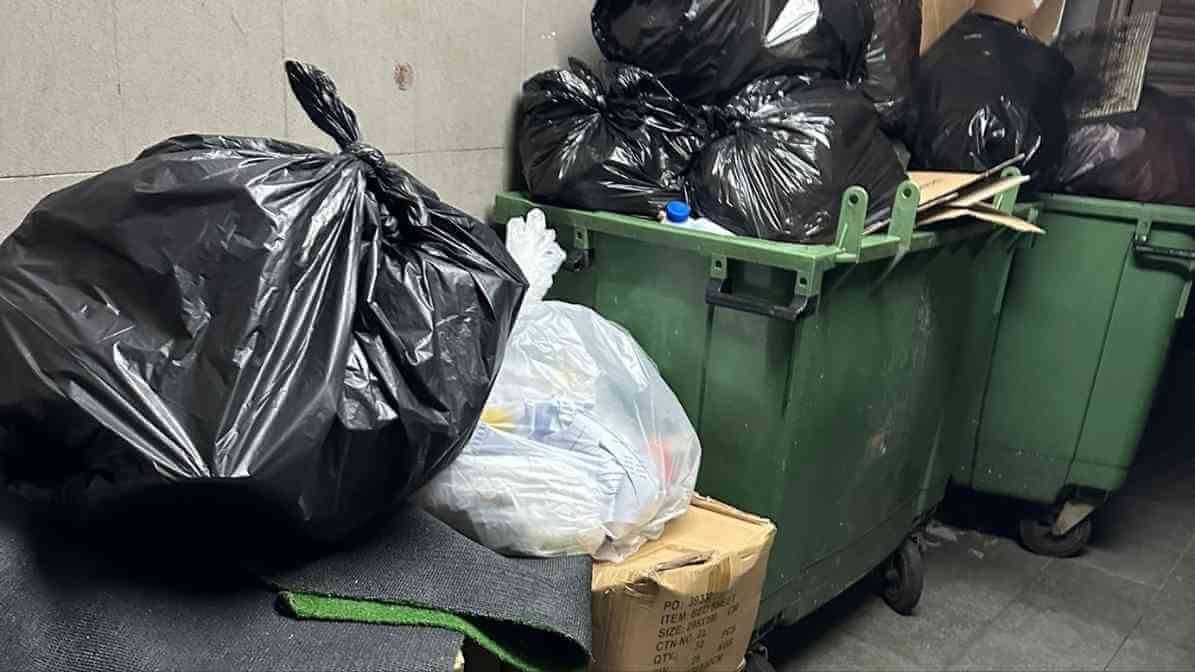
The presence of food waste and accessible food sources attract rodents. The chances of encountering rats in your business property are high when there is clutter. Clear shredded paper towels away from storage areas to eliminate potential nesting spots.

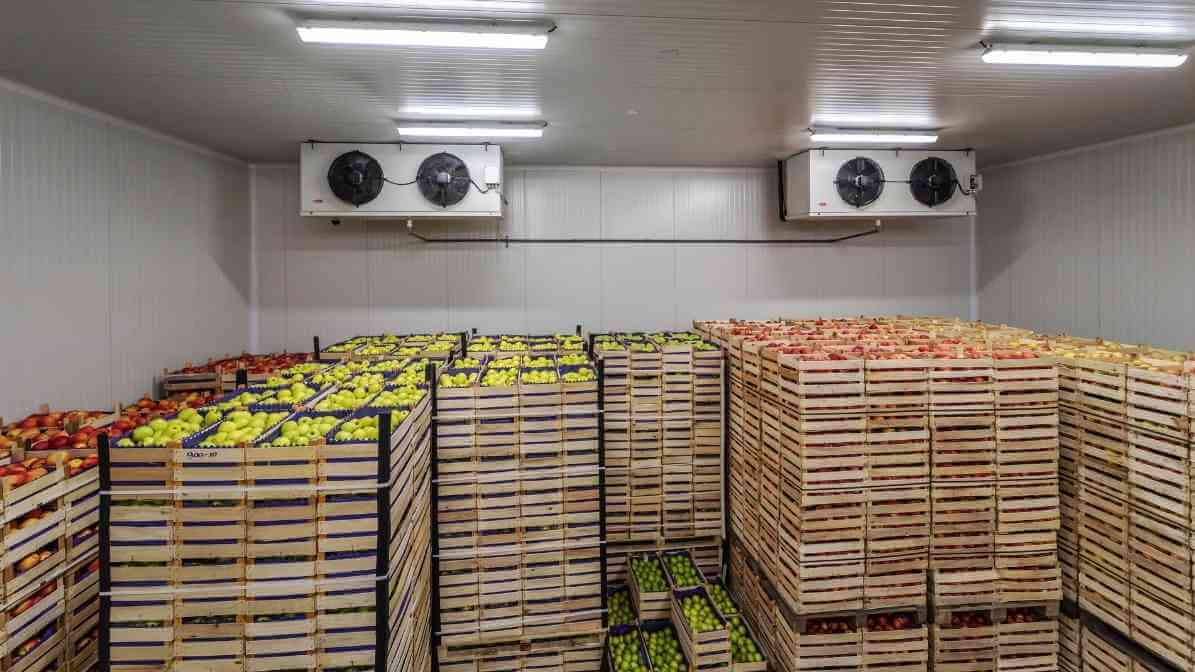
- Store all dry food in sealed, hard containers — never in cardboard boxes.
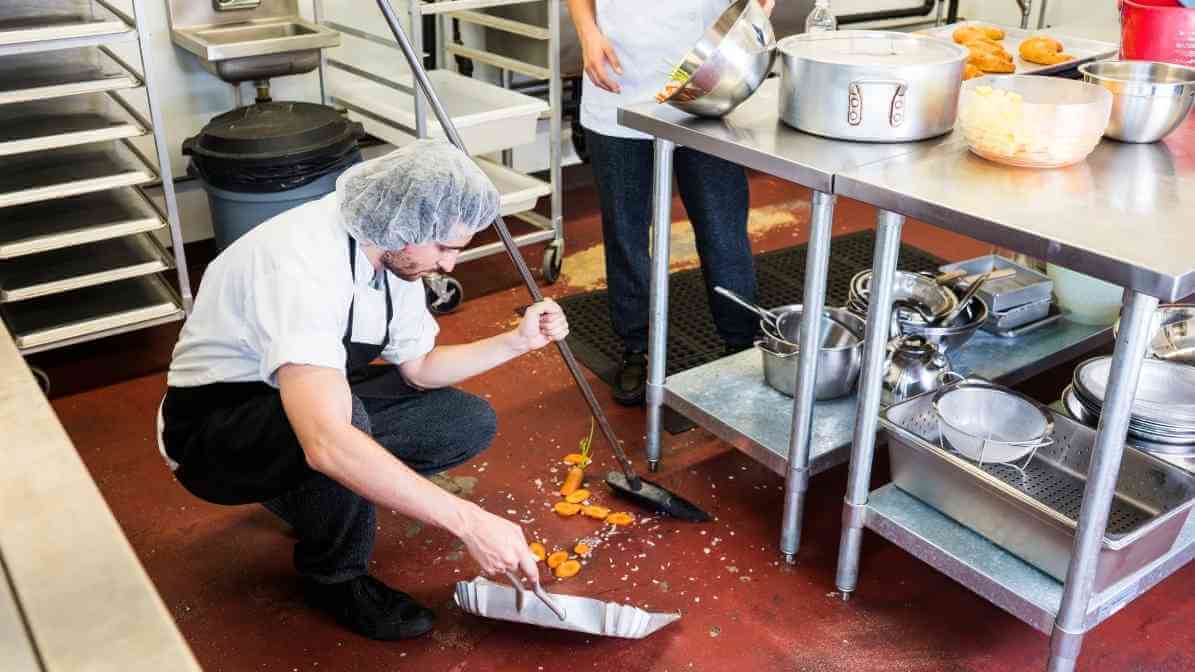
- Clean food preparation surfaces and floors after every service shift.
- Clear spills and crumbs immediately — never leave overnight.
- Declutter storage rooms and remove cardboard, paper bags and unused equipment.
- Seal rubbish bins tightly and position them away from food prep areas.

Utilise Rat Traps and Bait Stations
When a rat problem occurs, swift effective rodent control measures are crucial to restore safety and compliance. Strategically placed traps and bait stations form the backbone of any restaurant rodent control programme. Always use tamper-resistant bait stations that meet NEA and Singapore Food Agency (SFA) standards for F&B environments.
- Position bait stations along walls — rats travel along edges, not open spaces.
- Place near drain covers, behind kitchen equipment and in dry goods stores.
- Never place loose rodenticides where food is stored or prepared.
- Check and replenish traps on a regular schedule — every 1–3 days.
Engage Innovative Pest Control Professionals
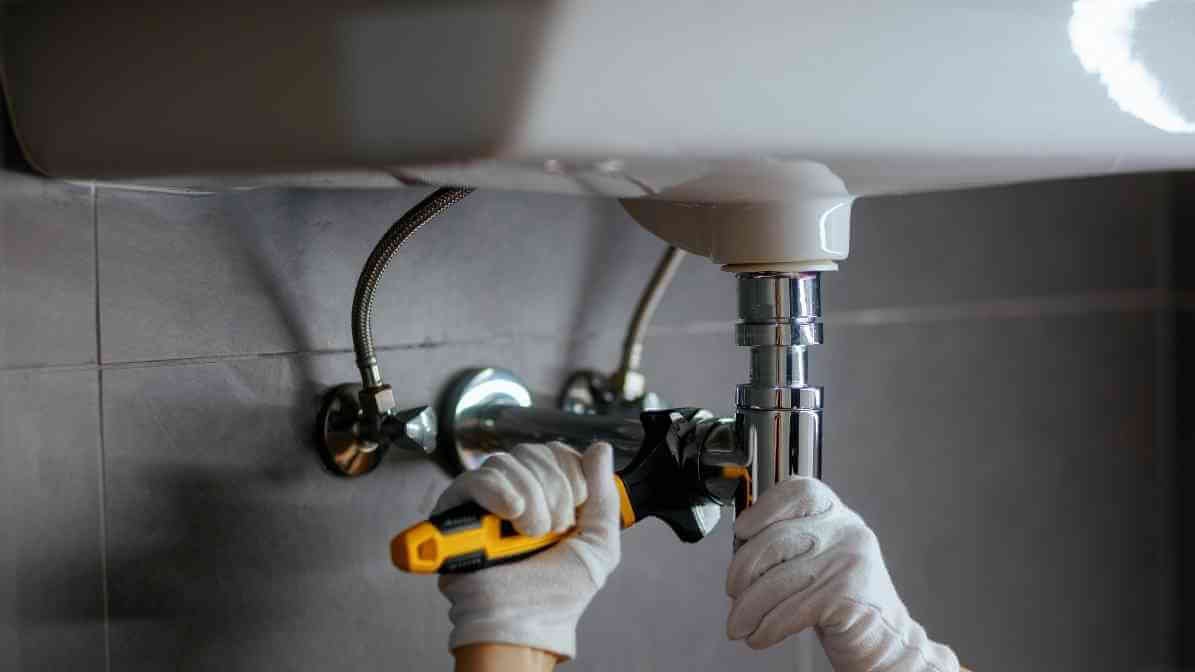
From identifying potential entry points to engaging Innovative professionals, proven strategies help eliminate rodent infestations, ensure food safety, and prevent further activity. Our NEA-licensed technicians conduct a comprehensive site assessment and design a custom programme specific to your F&B environment — using only food-safe, SFA-compliant treatments.
Is Your Restaurant Rodent-Free?
NEA-licensed inspection & SFA-compliant treatment for F&B premises. Same-day response available.
Monitor Rat Activity Continuously
Signs of rodent activities include visible rat droppings and rat urine stains, gnawed packaging, strong odour and strange noises in walls or ceilings. Continuous monitoring is essential to catch new activity early before it escalates into a full-blown infestation that risks your SFA licence.
Check all bait stations, snap traps and glue boards each morning before service begins. Record findings in a pest log.
Document and photograph any sightings or evidence immediately. Keeping records protects you during NEA inspections.

Educate Staff on Rat Prevention and Behaviour
Your entire team is your first line of defence against a rat infested restaurant. Staff who understand rodent behaviour, know how to spot early signs and follow hygiene protocols are crucial to maintaining a rodent-free kitchen and dining area.

- How to identify rodent droppings, gnaw marks and urine trails.
- Proper food storage rotation (FIFO) and container sealing protocols.
- Waste management — frequency of bin emptying and correct disposal methods.
- Reporting procedure for sightings — who to notify and how to document.
Why Address a Rat Problem Immediately?
A rat problem left unchecked does not plateau — it multiplies. A single pair of rats can produce up to 2,000 offspring per year under ideal conditions. In a restaurant setting, even minor evidence of rodent activity can result in immediate closure by NEA inspectors, loss of SFA food safety certification, reputational damage and long-term revenue loss.
Frequently Asked Questions
Get Rid of Rats in Your Restaurant Permanently
Our licensed specialists design a custom rodent control programme for your F&B premises — from initial inspection to long-term prevention. Protecting your customers, your staff and your SFA certification.