The Ultimate Guide for Hornet Sting, Quick, Powerful Treatment
November 8, 2025
Powerful Safety Measures for Pest Control at Home Today
November 18, 2025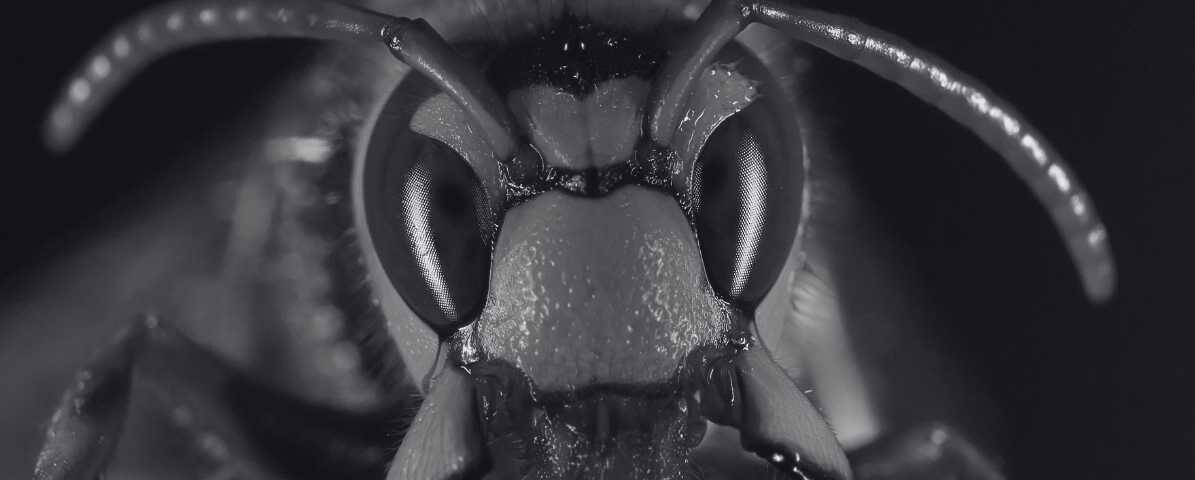
If you have spotted a large buzzing insect near your home, or noticed a papery nest tucked under your roof, do not approach it. Hornets — members of the genus Vespa — are among the most dangerous stinging insects found in Singapore. Unlike honeybees, they can sting repeatedly without dying, and a disturbed colony can launch a coordinated attack within seconds.
- ✓Hornets can sting multiple times — their stinger is not barbed like a bee's and remains intact after each strike.
- ✓Even a single sting can trigger anaphylactic shock in people with venom allergies — which can be fatal without emergency treatment.
- ✓Never attempt to remove a hornet nest yourself. Professional removal using protective equipment is the only safe approach.
- ✓Early detection and professional removal prevents colonies from expanding to hundreds of workers and becoming far more dangerous.
What Makes Hornets Different from Wasps?
Hornets belong to the genus Vespa and are classified as true hornets — distinct from the smaller paper wasps and yellow jackets that many people confuse them with. The distinction matters: hornets are larger, more powerfully venomous and considerably more aggressive when defending their colony.
Their nests are constructed from chewed wood fibres mixed with saliva, forming a papery, multi-layered structure that can grow rapidly over weeks. A mature colony may contain 700 or more workers, all prepared to defend the hive simultaneously. Hornets are commonly found nesting in:
Elevated positions in mature trees, often hidden by foliage until the colony is large.
Sheltered overhangs and wall cavities provide ideal conditions for year-round nesting.
Dense vegetation and outbuildings offer undisturbed nesting sites close to human activity.
Are Hornets Dangerous? The Alarming Reality
Many residents underestimate hornets until an encounter turns serious. The combination of potent venom, repeat-stinging capability and coordinated colony defence makes them one of the most hazardous insects in Singapore. Here is exactly why:
Hornets are intensely protective of their colony. Any perceived threat — vibration, a shadow passing the nest, even strong scents — can trigger an immediate defensive response. The entire colony mobilises together, with individual hornets releasing alarm pheromones that recruit more attackers. A single disturbance can result in dozens of stings within moments.
Unlike honeybees, hornet stingers are smooth and unbarbed — they do not remain lodged in skin. This means a single hornet can sting multiple times without harm to itself. Hornet venom contains a complex cocktail of chemicals including acetylcholine, histamine and hornets-specific proteins that cause immediate, intense pain, localised tissue swelling and in larger doses, systemic effects on the nervous system.
For individuals with venom allergies, a single hornet sting can trigger anaphylactic shock — a rapid, whole-body allergic reaction that can cause throat swelling, a dangerous drop in blood pressure and loss of consciousness. Anaphylaxis can be fatal within minutes without immediate adrenaline injection and emergency medical treatment. Crucially, some people do not know they are allergic until their first serious sting.
Even people without known allergies can suffer serious systemic reactions after multiple stings. A large colony attack can deliver enough venom to cause fever, dizziness, nausea, organ stress and in extreme cases, death. Children, the elderly and small pets are particularly vulnerable to mass envenomation. If multiple stings occur, hospital treatment should be sought immediately regardless of whether immediate symptoms are severe.
Common Hornet Species in Singapore & Their Threat Levels
Accurate species identification is the first step in safe, effective hornet control. Different species have different nesting habits, aggression thresholds and venom profiles. Our technicians are trained to identify all hornet species found in Singapore and the broader Southeast Asian region.
Singapore's most commonly encountered large hornet. Highly aggressive, particularly near ground-level nests. Known for multiple coordinated attacks when disturbed. Nests under decking, in ground cavities and garden walls.
Commonly found throughout Singapore, often nesting in roof voids, trees and dense vegetation. Large colonies with an impressive papery nest structure. Moderately aggressive unless directly threatened.
Widely distributed across Southeast Asia. Builds exposed nests in trees and shrubs at medium heights. Highly defensive when nests are disturbed — delivers a characteristically painful sting with rapid swelling.
The world's largest hornet. Known internationally as the "murder hornet." Found in the wider Asian region including Malaysia. Delivers approximately 7x more venom per sting than a honeybee and its stinger can penetrate standard beekeeping suits.
Never attempt to identify a species by approaching the nest. All hornets should be treated as potentially dangerous until professionally assessed. If you are unsure of the species, maintain a safe distance and contact a licensed pest management specialist.
What Does a Hornet Hive Look Like?
Hornet nests are constructed from a grey or brown papery material made from chewed wood fibres mixed with saliva. The structure is layered, with a single entrance hole at the bottom, and can reach the size of a football — or considerably larger in mature colonies. They are most commonly found in three types of location:
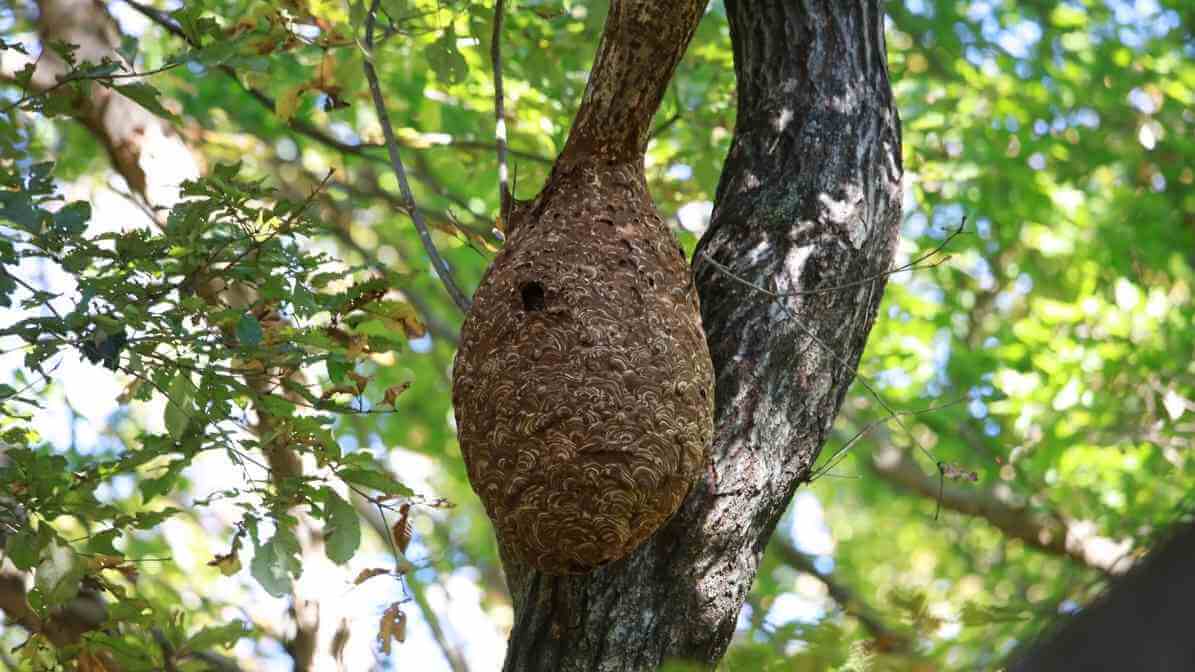
Elevated positions on mature trees provide shelter and height, making the nest hard to spot until the colony is well established. Activity — constant flying in and out — is often the first visible sign.
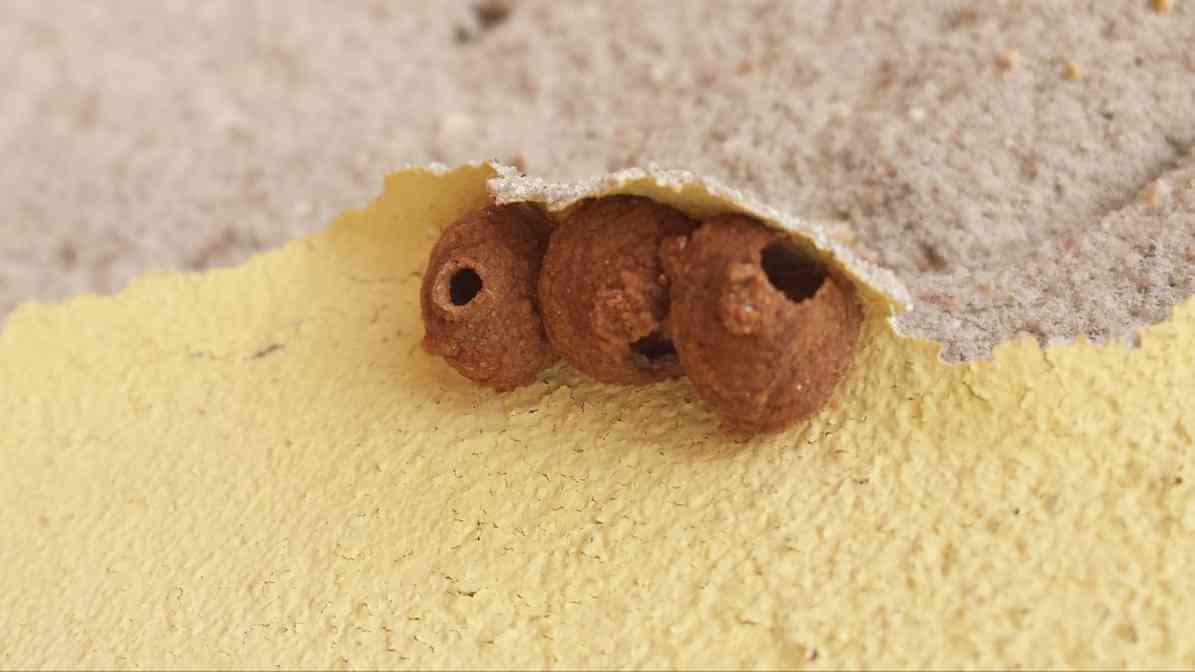
Sheltered structural surfaces are a prime nesting site. Nests built inside wall cavities or attic spaces are especially dangerous as removal requires access into confined spaces.
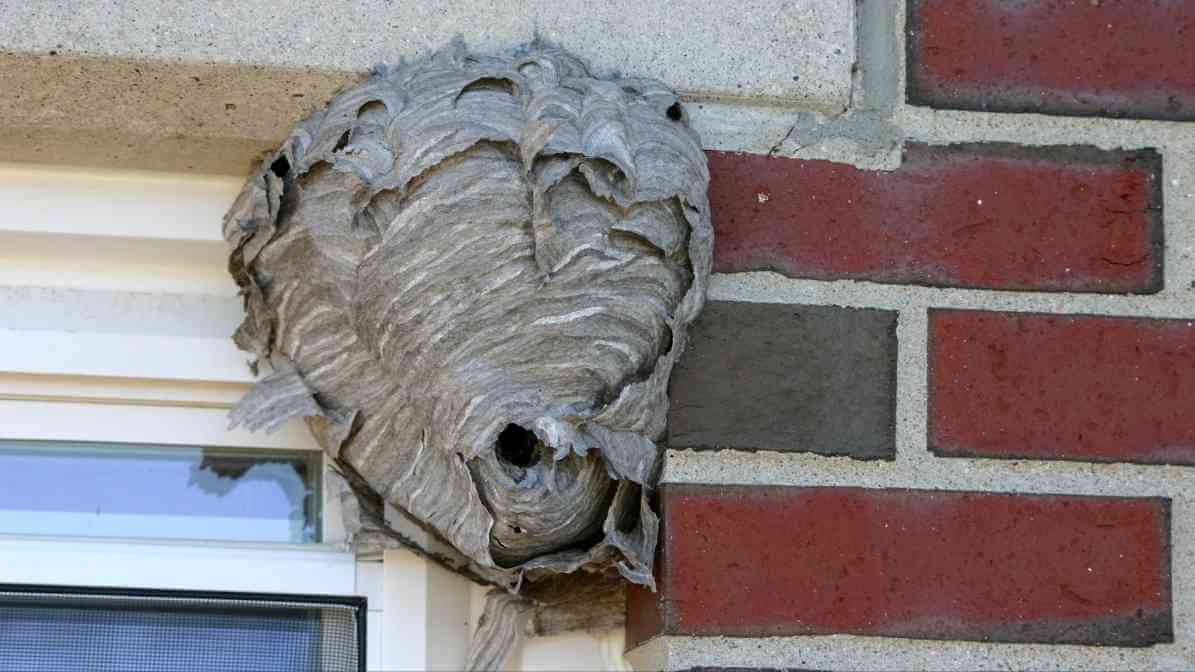
Garden outbuildings and overgrown vegetation provide ideal undisturbed conditions. These nests often go unnoticed until someone reaches into a shed or brushes past a shrub and triggers a defensive response.
- ●Looks like a grey or brown papery ball with a single entrance hole at the base
- ●Constant buzzing activity — hornets flying in and out at regular intervals
- ●Located in sheltered positions: under eaves, in dense branches or recessed corners
- ●Never approach, spray or attempt to knock down the nest yourself — hornets react violently to perceived threats and can swarm within seconds
Do not approach it. Our NEA-licensed specialists handle emergency hornet hive removal safely — with full protective equipment and same-day response.
How We Handle Hornet Hive Removal Professionally
At Innovative Pest Management, our approach to hornet control follows Integrated Pest Management (IPM) principles, combining species knowledge, safety protocols and precision treatments. Every removal is tailored to the nest location, species and risk level. Our process:
Our technicians conduct a thorough site survey to locate all nests on the property, identify the hornet species and assess the hive size, accessibility and proximity to occupied areas. Accurate identification determines the safest removal approach and the appropriate protective measures required.
We prepare a tailored control plan that accounts for the hive location, activity patterns and safest removal window. Treatment is typically performed after dark, when hornets have returned to the nest and activity is at its lowest, significantly reducing the risk of a defensive swarm during removal.
Using NEA-approved treatments and full protective equipment, our specialists safely neutralise the colony. Where possible, the entire hive structure is physically removed from the property to prevent re-nesting by remaining workers and to eliminate the nest's chemical signals that would attract future colonies.
After removal, we seal any structural entry points used by the colony, apply residual deterrent treatment where necessary and provide tailored recommendations for reducing the likelihood of future hornet activity on your property. A follow-up inspection is offered for high-risk properties.
Prevention: Keeping Hornets Away From Your Property
Even after professional removal, preventing re-nesting is essential. These practical measures significantly reduce the chance of hornets establishing a new hive on your property:
Seek emergency medical treatment immediately if you experience difficulty breathing, swelling of the face or throat, rapid pulse, dizziness or loss of consciousness. Multiple stings also require hospital assessment, even without severe immediate symptoms.
Frequently Asked Questions

Pest control content specialist at Innovative Pest Management. Leia writes practical identification and prevention guides to help Singapore homeowners and businesses stay pest-free.
View all articles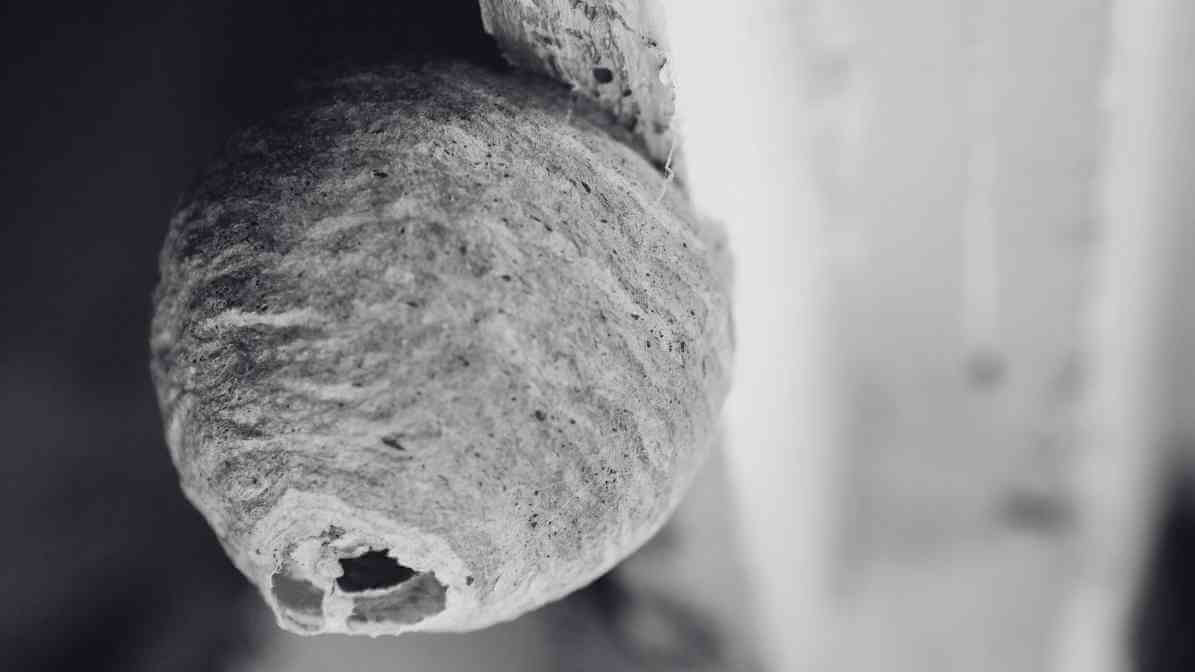

Don't Wait Until Someone
Gets Stung. Call Us Today.
Every day a hornet colony grows larger and more dangerous. Our NEA-licensed specialists provide fast, safe hive removal across Singapore — same-day response available for emergency situations.