
Innovative Termite Inspection for Residential and Commercial Property
April 14, 2023
The Proven Strategies for Effective Defence Against Cockroaches
April 24, 2023
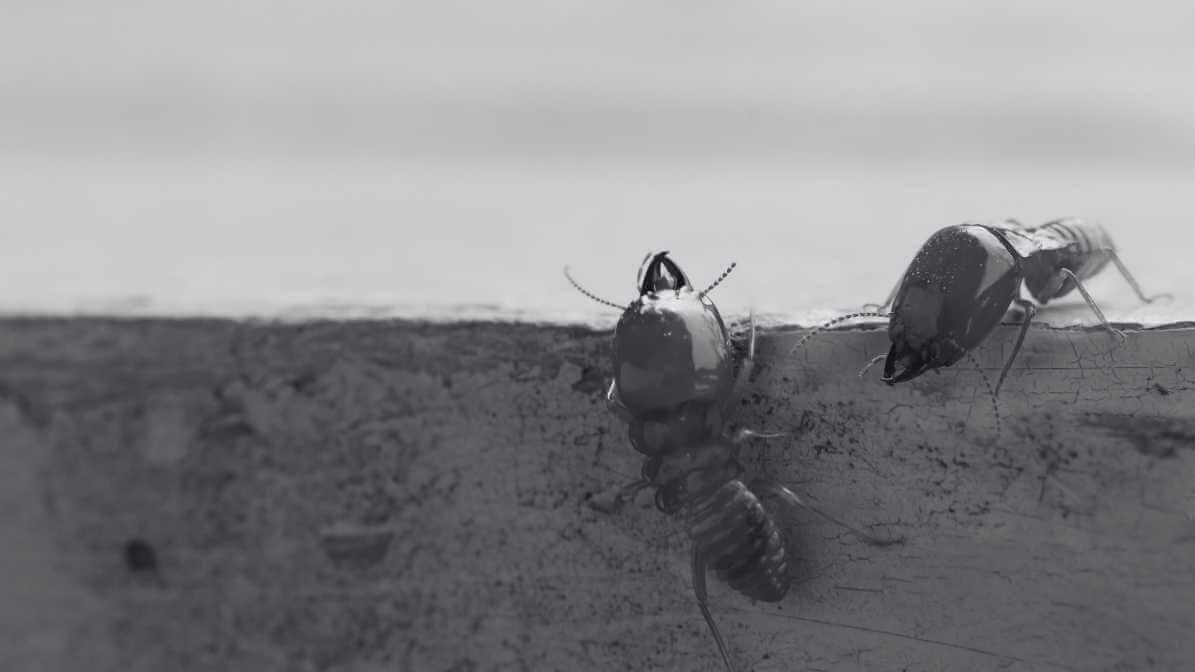

Drywood termites are the most concealed of all termite species in Singapore. Unlike subterranean termites that need soil and moisture, drywood termites live entirely within the wood they consume. They can be active for years inside your furniture, roof timbers, or window frames — completely invisible until the damage is severe.
- ✓Drywood termites need no soil contact — they infest furniture, timber, and wooden fixtures directly
- ✓Key warning signs are frass (pellet-shaped droppings) and winged swarmers near wooden surfaces
- ✓They are harder to detect and treat than subterranean termites — professional inspection is essential
- ✓Effective treatments include fumigation, localised injection, and heat treatment
What Are Drywood Termites?
Drywood termites (family Kalotermitidae) are a group of termite species that establish colonies entirely within dry, sound wood — without any connection to soil or moisture. This makes them fundamentally different from the more common subterranean termites that build mud tubes from the ground.
In Singapore, the most commonly encountered drywood termite species is Cryptotermes cynocephalus. It targets hardwood and softwood alike — furniture, floorboards, window frames, roof timbers, and even antiques are all at risk. Drywood termite colonies are smaller than subterranean colonies (typically 2,500–5,000 individuals) but can persist for decades undetected.
Unlike subterranean termites, drywood species infest wood directly — through any exposed grain, crack, or ventilation hole. Elevated floors and upper-storey furniture are all vulnerable.
Colonies grow slowly, averaging 50 new members per year. Damage accumulates over years or decades before structural compromise becomes visible from the outside.
Drywood vs Subterranean Termites: Key Differences
Correctly identifying the type of termite in your property determines the treatment required. These two types require completely different control approaches and misidentification leads to ineffective treatment.
| Feature | Drywood Termites | Subterranean Termites |
|---|---|---|
| Soil Contact | Not required | Essential for colony |
| Colony Size | Small (2,500–5,000) | Very large (1+ million) |
| Mud Tubes | None | Present on surfaces |
| Telltale Sign | Frass pellets (droppings) | Mud tubes, swarmers |
| Damage Rate | Slow (years–decades) | Rapid (months) |
| Detection Difficulty | Very high | Moderate |
7 Signs of Drywood Termite Infestation
Because drywood termites are entirely hidden within wood, they are extremely difficult to detect without knowing exactly what to look for. These are the key warning signs that should trigger a professional inspection immediately.
The most distinctive sign — small, hexagonal pellets that look like fine grains of sand or coffee grounds. Frass accumulates in small piles below infested wood as termites eject it through tiny kick-holes. If you find frass, you have an active drywood termite infestation.
Reproductives (swarmers) emerge from the colony to start new colonies, typically after rain or on humid evenings. Discarded wings near windows or light fixtures indicate a mature colony is nearby — swarmers shed their wings within minutes of landing.
Tap wooden surfaces with your knuckle — a dull, hollow sound instead of a solid knock indicates the interior has been hollowed out by termite galleries. This is a reliable on-site detection technique for furniture and structural timbers.
Drywood termites create tiny round exit holes (1–2mm diameter) in wood surfaces to push out frass and cast skins. These pinhole-sized openings are often plugged with frass and can appear in lines along the wood grain.
Paint bubbling or blistering on wooden surfaces can indicate termite activity beneath. As termites consume wood from the inside, they thin the outer layer to a shell, causing the paint surface to bubble or buckle.
What Do Drywood Termites Attack?
Drywood termites target any dry, sound wood — they are not restricted by species or whether it is hardwood or softwood. In Singapore homes, the following are most at risk.
Roof trusses, rafters, and beams are prime targets — often unnoticed for decades in landed properties.
Wardrobes, tables, chairs, bookshelves, and antiques are all vulnerable to drywood termite attack.
Timber frames and sills provide easy entry points for swarmers and are frequently infested in older Singapore homes.
Parquet and solid timber flooring can be attacked from above, with galleries running along the wood grain beneath the surface.
Drywood termites occasionally attack paper, cardboard, and book bindings stored near infested wood structures.
Internal wall frames, structural joinery, and staircase timbers in older conservation shophouses and landed homes are particularly at risk.
Suspect Drywood Termites? Get a Free Inspection
Our certified technicians use thermal imaging and probing techniques to locate hidden drywood termite colonies and recommend the most effective treatment for your property.
Drywood Termite Treatment Options in Singapore
Unlike subterranean termites which can be controlled with soil barriers and bait stations, drywood termites require specialised treatments that reach colonies hidden deep inside wood. The appropriate method depends on the extent of infestation, the type of wood affected, and whether it is movable or structural.
The building is sealed under a tent and filled with a fumigant gas (typically sulfuryl fluoride) that penetrates all wood throughout the structure. This is the only method that guarantees 100% colony elimination across an entire building. Residents must vacate for 2–3 days. Most commonly used for severe infestations in landed properties and shophouses.
Insecticide is injected directly into the infested wood through small drilled holes. This is ideal for localised infestations in individual furniture pieces, window frames, or specific structural timbers. Less disruptive than fumigation but may not reach all galleries in severe cases.
Disodium octaborate tetrahydrate (DOT) penetrates wood and is toxic to termites when ingested. Applied to exposed wood surfaces as a preventive treatment or to early-stage infestations. Also prevents future infestations — a good choice for new timber installations.

Prevention: How to Protect Your Home
Preventing drywood termites from establishing a colony is far easier and cheaper than treating an established one. These preventive measures significantly reduce your risk, particularly for landed properties and homes with extensive timber fittings.
Apply boron-based wood preservative to all new timber used in renovations, furniture, and fixtures. This creates a long-lasting chemical barrier that deters drywood termites from establishing colonies.
Drywood termites enter through exposed, unfinished wood grain, cracks, and joints. Paint, varnish, or seal all external and internal wooden surfaces thoroughly, and re-seal any areas where the finish has worn or cracked.
For landed properties and those with extensive timber features, annual inspections by a NEA-licensed pest control company using thermal imaging can detect colonies long before damage becomes visible or structural.
Drywood termite colonies spread most commonly via infested furniture, especially antiques and secondhand pieces. Always inspect carefully for frass, hollow spots, or kick-out holes before purchasing or accepting used wooden furniture.
Professional Drywood Termite Control in Singapore
Drywood termites are among the hardest pests to control without professional help. DIY treatments — sprays, boric acid dust, and orange oil — can kill individual termites but rarely reach the queen and deep galleries required to eliminate a colony.
At Innovative Pest Management, our termite control specialists use inspection tools including thermal imaging cameras and acoustic emission detectors to locate hidden drywood termite colonies. We then recommend and implement the most appropriate treatment — whether localised injection, boron treatment, or whole-structure fumigation — with full documentation and a warranty on all work.
Frequently Asked Questions
Stop Drywood Termites Before They Destroy Your Home
Our NEA-licensed termite specialists use thermal imaging to detect hidden colonies and apply the right treatment — whether localised injection, boron treatment, or whole-structure fumigation.