Most Powerful Information for Singaporean To Protect Against Termites
April 12, 2023
Best Innovative Protection For Your Property Against Drywood Termite
April 14, 2023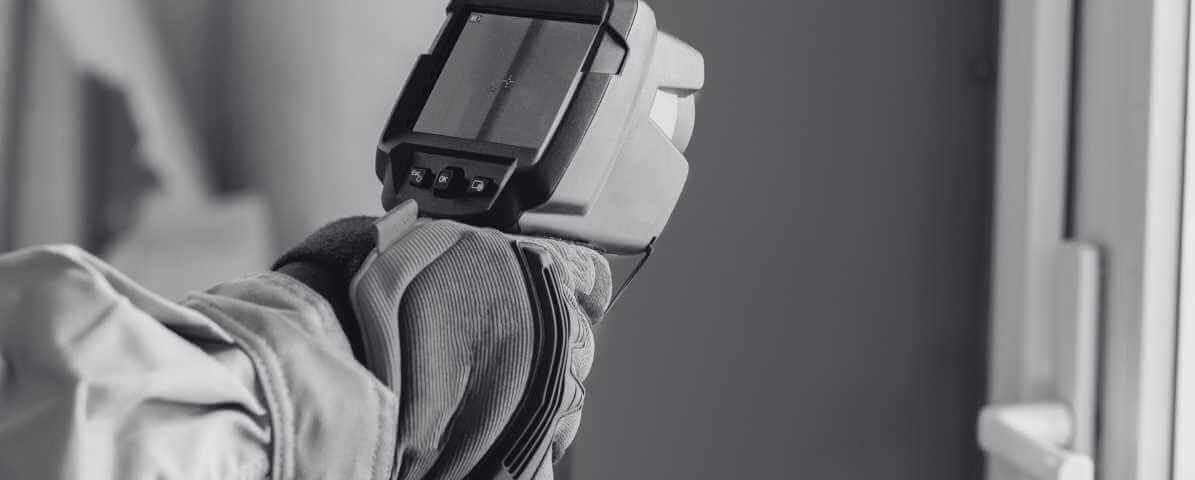

Termites are silent destroyers — by the time you spot visible damage, a colony may have been feeding on your structure for years. In Singapore’s tropical climate, termites thrive year-round. Whether you own a HDB flat, a landed home or a commercial building, regular professional termite inspection is the most cost-effective investment you can make to protect your property.
- ✓Singapore has 3 termite species: subterranean, drywood and dampwood
- ✓Mud tubes, discarded wings and hollow-sounding wood are key warning signs
- ✓Annual inspections are recommended for all Singapore property types
- ✓Soil treatment and baiting systems provide 5-year structural protection
Subterranean Termites — Singapore’s Most Destructive Species
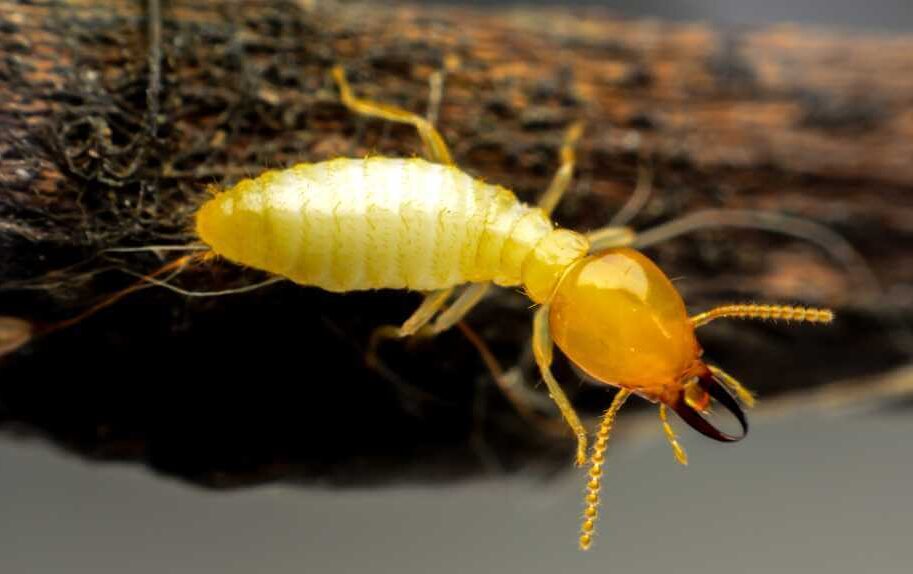
Subterranean termites are the most common and destructive termite species in Singapore. They live in underground colonies that can contain over one million workers, travelling through a network of mud tubes to reach timber above ground. Because they nest below the soil surface, colonies can go undetected for years while consuming the timber structure of your building from within.
Drywood Termites — Hidden in Your Timber

Unlike subterranean termites, drywood termites do not require soil contact — they nest directly inside dry timber, furniture and structural wood. Their colonies are smaller (typically 2,500–10,000 individuals) but their damage can be equally severe because infestations often go undetected inside walls and furniture for years.
A distinctive sign of drywood termite presence is frass — small, hard, hexagonal pellets that are pushed out of tiny kick-out holes in infested wood. These pellets are often the first visible evidence of an infestation.
Dampwood Termites — Attracted to Moisture

Dampwood termites are the largest termite species in Singapore. They infest timber with high moisture content — typically wood that is in contact with the ground, or wood affected by plumbing leaks or roof water ingress. They do not build mud tubes, making detection more challenging.
Addressing the root moisture problem is essential before treatment — without fixing leaking pipes, poor drainage or roof defects, dampwood termites will simply return after treatment.
8 Signs You Need a Termite Inspection Now
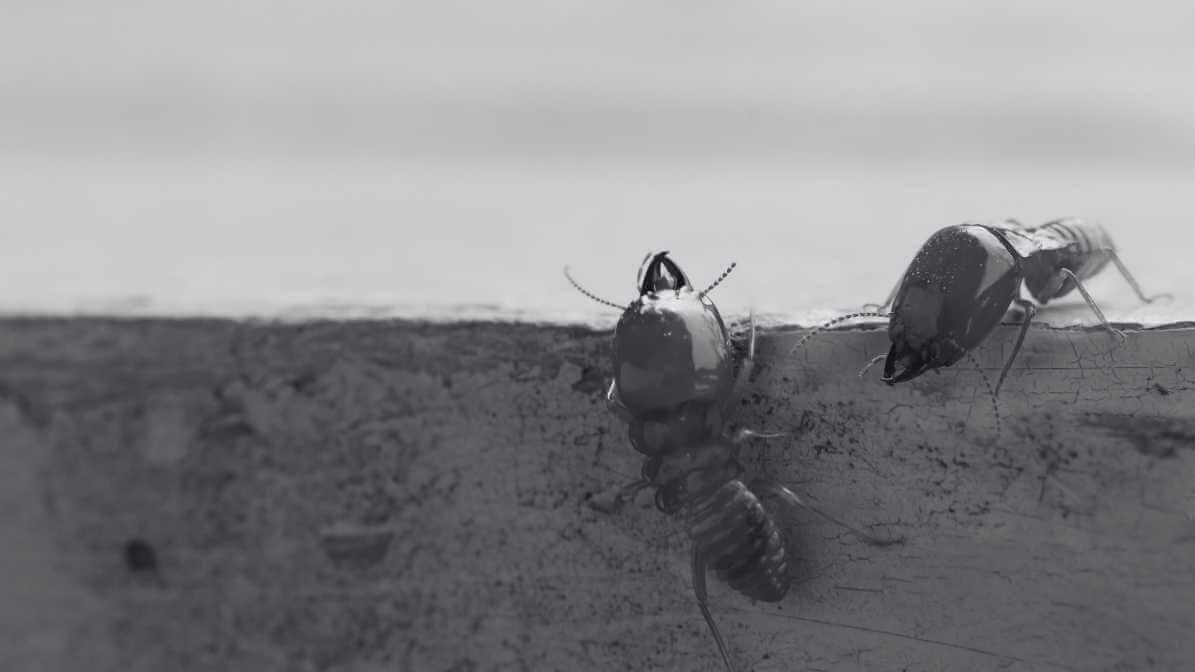
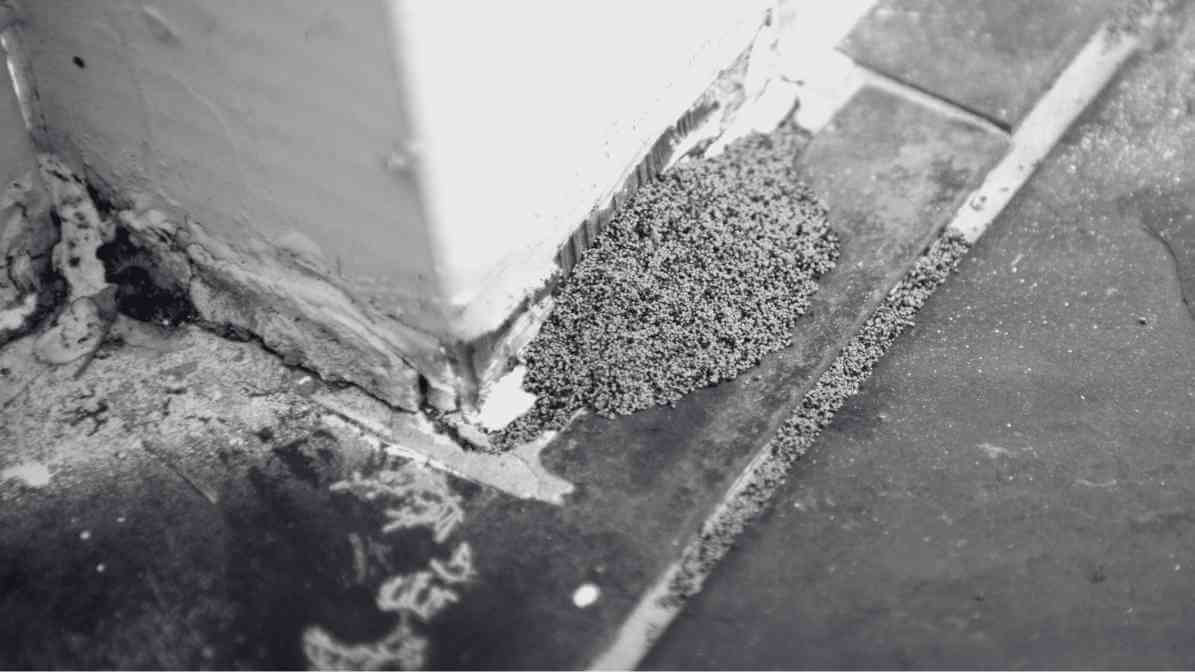
Brown pencil-width tubes running up walls, foundations or pipes — the highway subterranean termites use to travel from soil to timber.
Knock on timber surfaces. A hollow, papery sound indicates termites have consumed the interior while leaving the outer surface intact.
Small translucent wings near windowsills or entry points indicate a termite swarm — the reproductive stage where new colonies are establishing.
Small hexagonal pellets near wood are drywood termite droppings — pushed out of kick-out holes in infested timber.
Paint that appears to bubble or blister on wooden surfaces may indicate termite activity beneath.
Doors and windows that suddenly stick or become hard to open may be warped by moisture from termite activity inside the frame.
Structural timber that has been significantly consumed may cause visible sagging — this indicates an advanced infestation requiring urgent treatment.
If a neighbouring unit, shophouse or landed property has been treated for termites, book an inspection immediately — colonies spread between properties.
What Happens During a Professional Termite Inspection

A professional termite inspection is far more thorough than a visual walkthrough. Our NEA-licensed inspectors follow a systematic process covering all accessible areas of the property:
Suspect Termites in Your Property?
Don’t wait for visible damage. Our NEA-licensed inspectors will conduct a thorough assessment and provide a written report with clear treatment recommendations. Early detection saves thousands in repair costs.
Professional Termite Treatment Options in Singapore

A chemical termiticide barrier is injected into the soil around and under the structure, creating an invisible treated zone that kills termites on contact as they attempt to penetrate from the ground. Soil treatment provides 5-year protection under our warranty programme.
In-ground bait stations are installed around the property perimeter. Termites feed on the bait and transfer it to the colony, eliminating the entire colony including the queen. Baiting is the most environmentally responsible option and is highly effective for large or inaccessible colonies.
For drywood termite infestations, termiticide is injected directly into affected timber through small drilled holes. This targeted approach treats active infestations in furniture, door frames, skirting boards and structural timber without the need to replace the wood.
Applied to the soil before concrete slabs and foundations are poured, pre-construction treatment is the most effective and cost-efficient termite protection for new buildings. It creates a permanent chemical barrier beneath the structure before termites can gain access.
Termite Inspection for Commercial Properties
Commercial properties carry unique termite risks. Restaurants, offices, hotels, warehouses and shophouses often have complex structures with concealed timber, false ceilings and extensive service voids that provide ideal termite harborage. For F&B businesses, termite activity can constitute a serious food safety violation under NEA and SFA regulations.
- Timber partitions and ceiling boards
- Floor boards and skirting
- Display furniture and fittings
- Kitchen timber structures
- Storage room shelving
- Compliance documentation
Post-Inspection Prevention Guide

After a termite inspection and treatment, preventive measures significantly reduce re-infestation risk:
Frequently Asked Questions
Book Your Termite Inspection Today
Our NEA-licensed termite inspectors cover all property types across Singapore. Early detection is the key to avoiding costly structural repairs — get a full written inspection report and treatment recommendations.