Fascinating Life of Honey Bee in Singapore
September 9, 2025
Surprising Queen Bee Long Life is A Revolutionary Science
September 11, 2025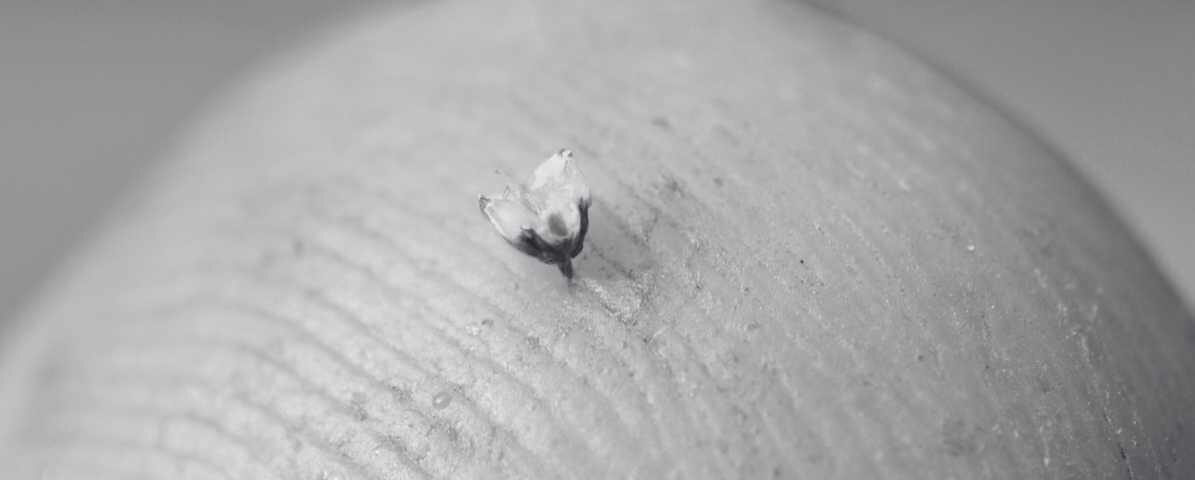

In Singapore, bee stings occur most commonly when people accidentally disturb a bee hive, step on a bee with bare feet or provoke defensive behaviour by swatting at foraging bees. While honey bees die after stinging — losing their barbed stinger in the skin — hornets and wasps can sting multiple times without such consequences, posing a greater sustained threat. Understanding how to treat a bee sting immediately and correctly, and knowing the warning signs of a severe reaction, can be the difference between minor discomfort and a medical emergency.
- ●Difficulty breathing or swallowing • Swelling of the throat or tongue • Sudden drop in blood pressure
- ●Loss of consciousness or dizziness • Widespread hives beyond the sting site • Rapid or weak pulse
- ✓Remove the bee stinger within 30 seconds of being stung — the venom sac continues to pump venom into the skin for up to a minute after the sting. Speed of removal significantly affects the severity of the reaction.
- ✓Scrape the stinger out horizontally with a flat edge (credit card, fingernail). Do not squeeze or pinch the stinger — this injects more venom from the attached venom sac.
- ✓Cold compression, antihistamine and topical corticosteroid cream are the most effective combination for managing mild to moderate bee sting reactions at home in Singapore.
- ✓The safest prevention against bee stings on your property is professional hive removal — relocating the colony before it grows large enough to pose a significant sting risk.
What Happens When a Bee Stings?
When a honey bee stings, its barbed stinger pierces the skin and detaches from the bee's abdomen — killing the bee but leaving the stinger embedded with the venom sac still attached and contracting. Understanding this mechanism explains why fast stinger removal is so important:
Bee venom (apitoxin) contains melittin, phospholipase A2 and histamine. Melittin causes direct cell damage and pain. Phospholipase A2 triggers immune response. Histamine causes local vasodilation and swelling — and in allergic individuals, triggers a cascading immune overreaction.
The detached stinger continues pumping venom for 45–60 seconds after the sting. A stinger left for 10 seconds delivers significantly less venom than one left for a full minute. This is why stinger removal within the first 30 seconds is the most impactful first aid action.
Only honey bees have barbed stingers that remain in the skin. Wasps and hornets have smooth stingers, can withdraw and sting repeatedly, and do not die after stinging. Hornet venom is generally more potent than bee venom and multiple hornet stings in quick succession are more medically serious.
Normal reactions: localised pain, redness and swelling at the sting site — manageable with first aid. Large local reactions: swelling extending beyond the sting site, lasting 24–48 hours. Anaphylaxis: systemic reaction within 30 minutes involving breathing difficulty, throat swelling, widespread hives or loss of consciousness — a medical emergency.
5 Steps: How to Treat a Bee Sting
Scrape the stinger out with a flat edge — credit card, the edge of a fingernail or a blunt knife. Scrape horizontally across the skin in the direction of the stinger. Do NOT use tweezers or pinch — squeezing the venom sac forces more venom into the wound. Speed matters: act within the first 30 seconds if possible.
Immediately wash the sting site and surrounding area with soap and water to clean the wound and remove any remaining venom residue on the skin surface. Pat dry gently with a clean cloth. This reduces secondary infection risk and removes any alarm pheromones left by the bee (which can attract further defensive stings from nearby bees).
Wrap ice or a cold pack in a cloth and apply to the sting site for 10–20 minutes at a time. Cold constricts blood vessels, slowing the spread of venom through local tissue and reducing swelling and pain significantly. Do not apply ice directly to skin. Repeat cold compression every hour for the first 4–6 hours in Singapore's heat.
Oral antihistamines (cetirizine, loratadine or chlorphenamine) reduce histamine-driven swelling, redness and itching. Take as directed on the packaging. Antihistamines available over-the-counter at Singapore pharmacies (Guardian, Watsons, Unity) are effective for managing normal bee sting reactions. Non-drowsy formulations (cetirizine, loratadine) are preferred during the day.
After initial first aid, monitor for signs of severe allergic reaction (anaphylaxis) for at least 30–60 minutes. Most anaphylactic reactions begin within 30 minutes of the sting. Symptoms to watch: throat tightness or difficulty swallowing, widespread rash or hives beyond the sting area, dizziness or sudden weakness, difficulty breathing. If any of these develop: call 995 immediately, lie the person flat with legs raised (unless breathing is easier sitting up) and use an EpiPen if one is available.
After the cold compression and antihistamine: Apply a small amount of topical corticosteroid cream (hydrocortisone 1%) to the sting site to reduce localised inflammation. Calamine lotion reduces itching. Avoid scratching — broken skin increases infection risk significantly in Singapore's tropical climate.
Severe Reactions & When to Go to A&E
Approximately 1–3% of adults have bee venom hypersensitivity. The risk of anaphylaxis is higher in people who have had a previous severe reaction and in the elderly. Go to the nearest A&E (SGH, TTSH, NUH, CGH, KKH, KTPH) or call 995 immediately if any of the following develop after a bee sting:
Multiple simultaneous stings (from a disturbed hive or hornet nest) are dangerous even in non-allergic individuals due to the cumulative venom load. 10+ stings in children or 30+ stings in adults warrant emergency medical evaluation regardless of allergy history. Never attempt to remove a bee or hornet nest without professional equipment — provoking a colony in defence mode can result in dozens of stings in seconds.
The most effective bee sting prevention is professional removal of bee hives from your property before they grow large enough to pose a significant defensive threat. Innovative Pest Management prioritises humane relocation of bee colonies. NEA-licensed. Available 24/7 for urgent hive situations.
Frequently Asked Questions

Pest control content specialist at Innovative Pest Management. Leia writes practical identification and prevention guides to help Singapore homeowners and businesses stay pest-free.
Bee Hive on Your Property?
Remove It Before Someone Gets Stung.
The safest way to prevent bee stings in Singapore is to remove hive colonies from your property before they grow and establish permanent defensive territory. Innovative Pest Management prioritises humane bee relocation — preserving the colony while eliminating the sting risk. Our NEA-licensed specialists are available 24 hours for urgent bee hive situations across Singapore.