Fascinating Life Cycle of Cockroach Species in Singapore
August 27, 2025
Fascinating Life of Honey Bee in Singapore
September 9, 2025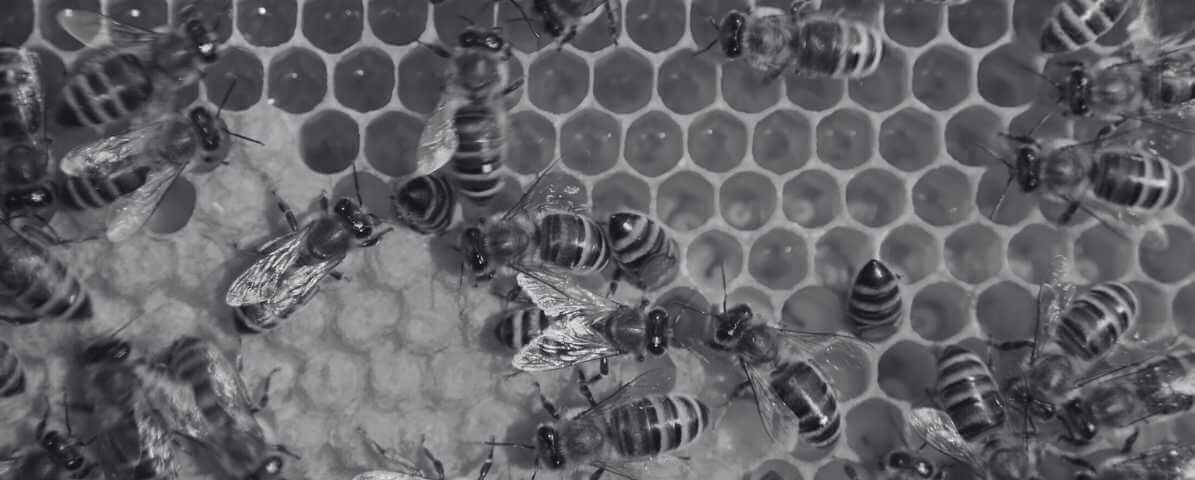
Singapore's tropical environment supports a greater diversity of bee species than most people realise. Beyond the familiar honey bee, the city hosts stingless bees in urban parks, carpenter bees boring into timber structures, and in certain locations, the dramatic open-air nesting giant honey bees. Each type of bee has a distinct appearance, behaviour, nesting habit and risk level. Correct identification prevents unnecessary removal of ecologically valuable pollinators — and helps you assess when professional intervention is needed for structural or health reasons.
- ✓Stingless bees (Trigona spp.) are entirely harmless, produce medicinal propolis and are important urban pollinators. They require no intervention and should not be disturbed.
- ✓Carpenter bees bore perfectly circular 10mm holes into untreated timber — a structural concern in older Singapore homes and wooden structures. They are solitary and rarely sting.
- ✓Asian honey bees (Apis cerana) and Western honey bees (Apis mellifera) form large social colonies with thousands of workers and are capable of defensive stinging if their hive is disturbed.
- ✓Giant honey bees (Apis dorsata) build large exposed combs on tree branches and building overhangs. They are more aggressive than other honey bees — do not approach an Apis dorsata nest.
5 Types of Bees in Singapore: Identification Guide
The most common honey bee in Singapore and Southeast Asia. Nests in tree hollows, wall cavities and roof spaces — often discovered by homeowners when the colony has already established a substantial comb. Generally calm unless directly threatened. A key pollinator of Singapore's urban flora and the species most often requiring professional hive relocation.
Larger than the Asian honey bee, Apis mellifera was introduced to Singapore for managed beekeeping and honey production. Forms much larger colonies with proportionally stronger defensive responses. The honey produced is the most commercially significant. An established Apis mellifera hive in a building cavity should always be handled by a professional given the colony size.
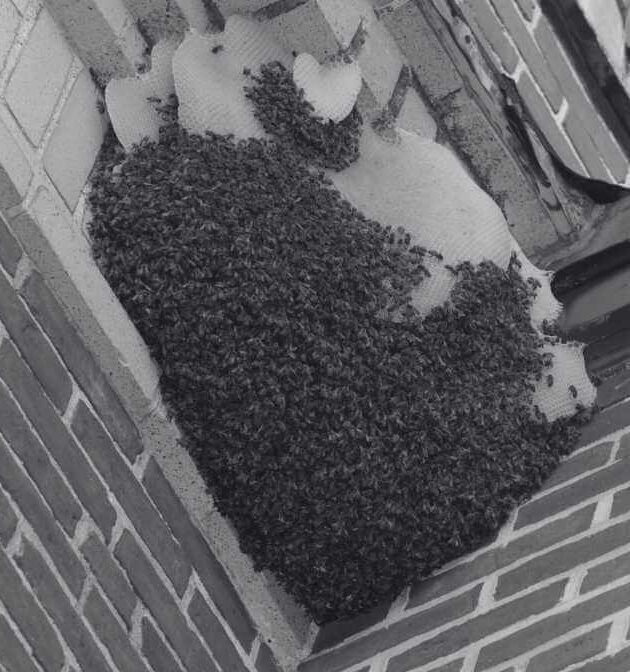
Singapore's largest and most dangerous bee. Apis dorsata builds a single, large open comb on tree branches, building overhangs, roof eaves and cliff faces. Unlike other honey bees that nest in enclosed cavities, the exposed comb and the colony are visible. These bees are highly defensive — vibrations, loud noise and shadows trigger coordinated mass defensive attacks. Do not approach an Apis dorsata nest. Keep at least 20 metres distance and contact a professional.
Entirely harmless bees without functional stingers. Very small, often black or dark brown. Recognised by their distinctive tube-shaped waxy entrance to the nest — a resin tunnel protruding from tree cavities, wall gaps or roof crevices. Stingless bees produce small quantities of medicinal propolis and honey. They are important urban pollinators in Singapore parks and gardens and should not be disturbed or removed.
Singapore's largest common bee — a solitary, impressive insect with a shiny black abdomen and fuzzy thorax. Carpenter bees in Singapore bore perfectly circular 10mm diameter tunnels into untreated softwood timber: roof beams, fascia boards, window frames, garden furniture and pergolas. Unlike social bees, carpenter bees are solitary and rarely sting unless handled directly.
Female carpenter bees bore tunnels up to 30cm into timber to create egg chambers. Over multiple generations, extensive tunnelling weakens structural timber. Sawdust-like frass below perfectly round holes is the diagnostic sign. Treatment involves sealing existing holes after the bee season ends and applying permethrin-based wood treatment to deter future boring.
Quick Guide: Bees vs Wasps vs Hornets in Singapore
Many people confuse bees, wasps and hornets in Singapore. The distinction matters because their behaviour, sting risk and appropriate response differs significantly:
When to Call for Bee Removal (and When Not To)
- A honey bee colony has established inside a wall cavity, roof space, AC unit or other structure
- Apis dorsata (giant honey bee) nest is visible on or near your building
- A swarm has settled on your property and is not moving after 24 hours
- Carpenter bee damage is visible in structural timber
- Anyone in the household has a known bee venom allergy
- Stingless bees (Trigona spp.) — entirely harmless, important pollinators
- Solitary carpenter bees hovering near timber (not actively boring or nesting)
- A honey bee swarm temporarily clustered on a tree branch for under 24 hours
- Individual foraging bees on flowers in your garden
Innovative Pest Management prioritises humane relocation of honey bee colonies over extermination. When we attend a bee hive call-out, our NEA-licensed specialists assess the species, colony size and location. Where possible, we relocate the colony to a suitable environment — ensuring the bees continue to fulfil their vital pollination role while eliminating the hazard or structural risk for your property. Relocation is performed by our trained specialists using proper protective equipment. We never recommend unnecessary removal of bee colonies that pose no realistic risk.
Our NEA-licensed specialists identify the species and provide a professional assessment of the risk level and appropriate action. We will never recommend removal of harmless stingless bees — and we prioritise humane relocation for all honey bee species. Available 24/7 for urgent bee hive situations.
Frequently Asked Questions

Pest control content specialist at Innovative Pest Management. Leia writes practical identification and prevention guides to help Singapore homeowners and businesses stay pest-free.
Bee Hive on Your Property?
Expert Identification. Safe Removal.
Not all bees in Singapore require removal — and knowing which type you are dealing with is the essential first step. Innovative Pest Management's NEA-licensed specialists identify the bee species, assess the risk level and recommend the appropriate action: humane relocation for honey bee colonies, structural treatment for carpenter bee damage or simply confirming your stingless bees are harmless and should be left alone. We prioritise bee conservation and never recommend unnecessary extermination of valuable pollinator species.