Booklice Pest Control: Proven Techniques for Your Property
Tiny, often unnoticed yet highly persistent — booklice can cause significant damage to books, papers, stored items and even walls in Singapore's warm, humid climate. This guide covers the five key infestation signs, four environmental factors that drive infestations, effective booklice pest control techniques and when to call professional services for booklice on walls and widespread infestations.
Innovative Pest Management
|Updated September 2025|10 min read|NEA Licensed
5
Key signs to detect a booklice infestation early
70%+
Humidity level that creates perfect booklice conditions
<50%
Target humidity for booklice control
NEA
Licensed booklice pest control specialists
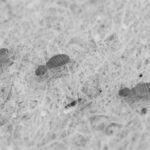
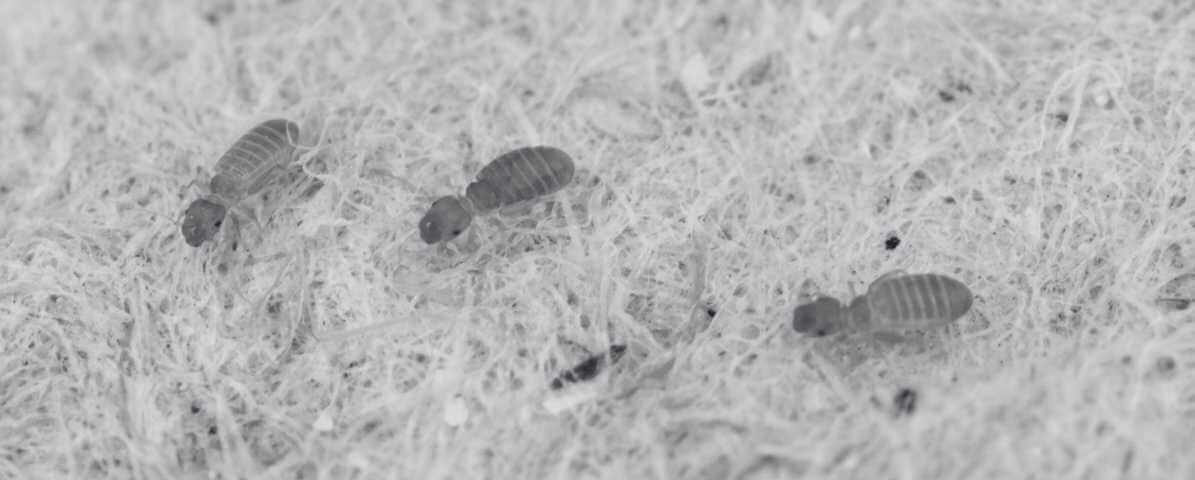
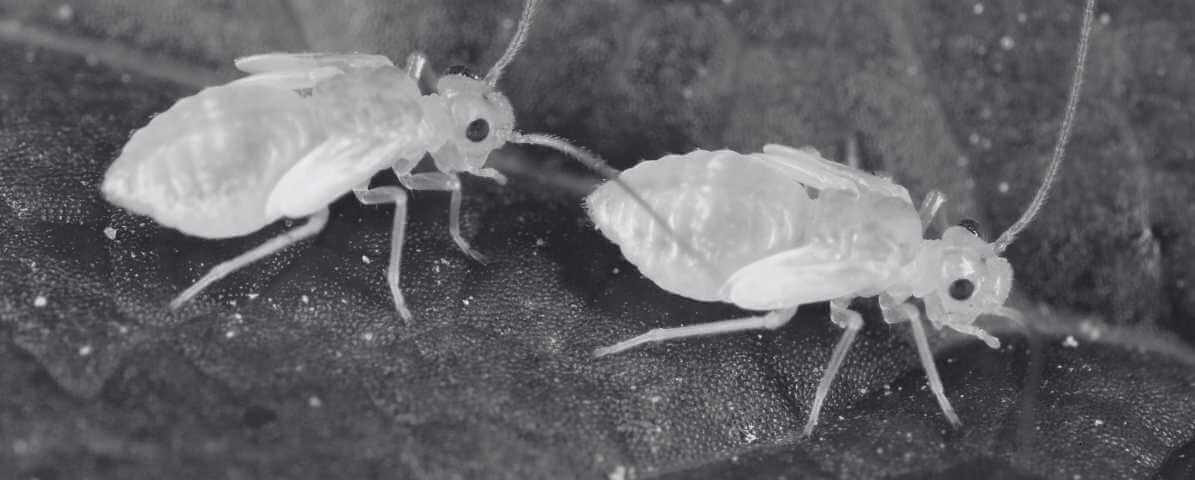
Booklice (order Psocoptera) are small, soft-bodied insects with long antennae — measuring less than 1mm, they are easily overlooked in their clear or light colouring. Despite their harmless name, they can cause significant damage to books, papers and stored items, especially in Singapore's warm, humid storage environments. Booklice on walls is a particularly common complaint in older properties with condensation issues. Early detection through the five key signs below is critical to preventing damage and costly remediation.
Key Takeaways
✓Five early warning signs: tiny moving insects, mould on surfaces, brittle or discoloured book pages, suspicious powdery residue and a musty odour from storage areas.
✓Booklice on walls occur when condensation and poor ventilation create mould growth on wall surfaces — addressing the moisture source and applying desiccants resolves this specific infestation pattern.
✓Four proven treatment techniques: humidity reduction, regular vacuuming, removal of infested items and application of desiccants (silica aerogel or diatomaceous earth).
✓Professional booklice control Singapore provides advanced inspection, NEA-approved chemicals and IPM plans for stubborn or widespread infestations that DIY methods cannot fully resolve.
Section 01
5 Key Signs of a Booklice Infestation
Booklice thrive in high humidity above 70%, commonly in storage areas with mould and mildew. Their primary food source is mold, fungi and organic matter in paper, glue and textiles. Early detection through these five signs saves time and cost:
Sign 1
Tiny Insects Crawling on Books
Tiny insects visible on books, papers or stored items. Often moving slowly and may be mistaken for dust particles. Check carefully along spines, edges and binding — booklice on walls near bookshelves are often the first sign noticed.
Sign 2
Mould & Mildew Growth
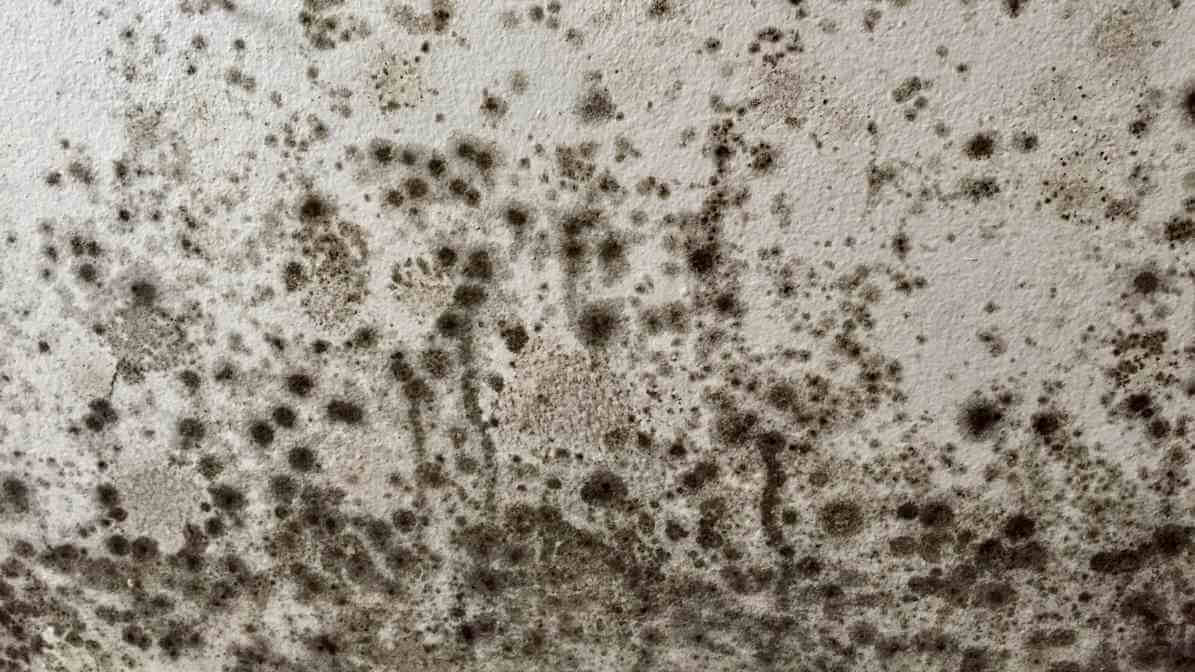
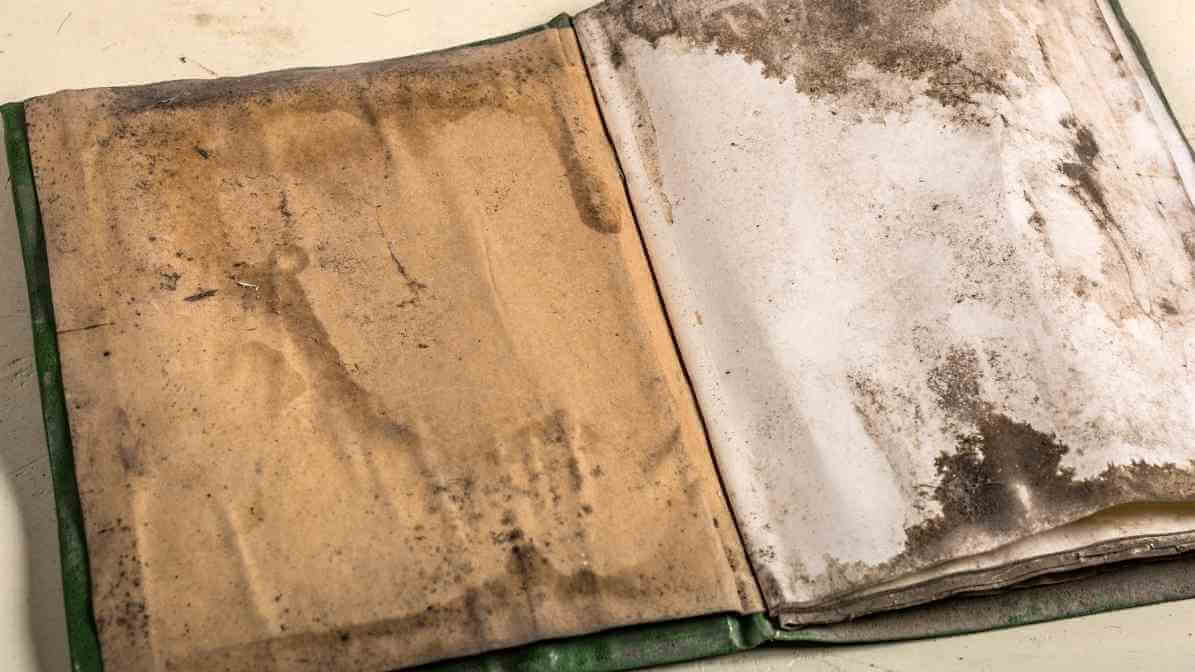
Visible mould and mildew growth on surfaces or inside storage boxes. Confirms active booklice food source. Address the mould simultaneously with booklice treatment — removing one without the other allows rapid re-infestation.
Sign 3
Brittle or Deteriorating Book Pages
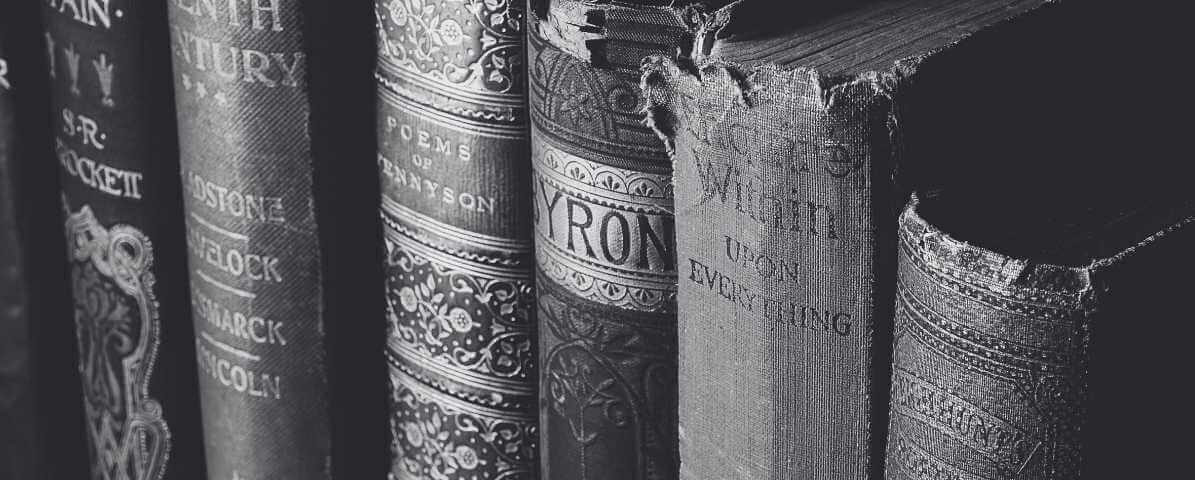
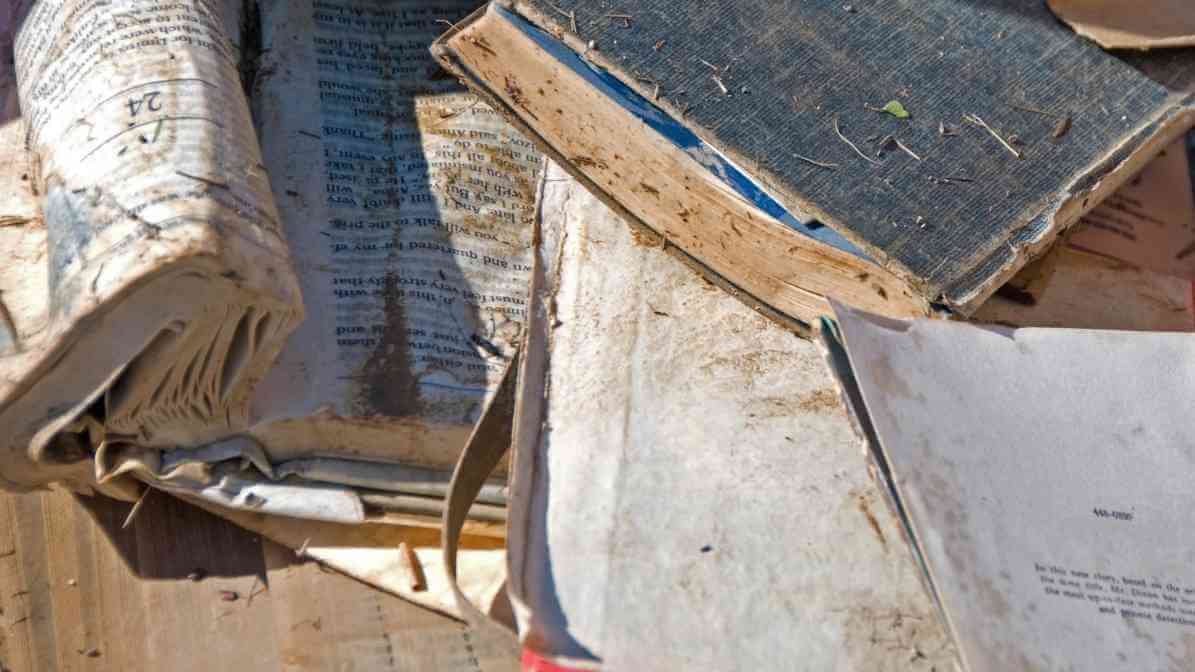
Discolouration, deterioration or brittle pages in books and documents. Booklice feeding accelerates paper degradation significantly in humid conditions. Archival documents and old books are particularly vulnerable.
Sign 4
Suspicious Powdery Residue
Fine powdery residue appearing around infested items — a mixture of mould spores, booklice droppings and exoskeleton fragments. Appears along shelf edges, inside book covers and on wall surfaces near the infestation.
Sign 5
Musty Smell from Storage Areas
A persistent musty or mouldy odour from bookshelves, cupboards or storage rooms is a strong indicator of excessive humidity and active mould/mildew growth. This odour often precedes visible signs of infestation and serves as an early warning that humidity conditions are ideal for booklice proliferation. Act immediately if this smell is detected in a storage area.
Section 02
Factors That Favour Booklice Infestation
Understanding these four environmental factors enables targeted interventions that address root causes rather than just surface symptoms:
High Humidity >70%Creates perfect conditions for booklice and the mould they feed on. Singapore's tropical climate makes humidity above 70% the norm without active dehumidification.
Poor VentilationOpen windows during humid seasons and poorly ventilated storage rooms trap moisture. Booklice on walls typically occur in corners with poor air circulation and condensation.
Cracks & CrevicesStructural gaps trap moisture and organic debris, providing ideal harbourage. Wall cracks are particularly problematic as they retain moisture and are difficult to treat without professional methods.
Stored ItemsStored books, papers, clothes and cardboard in humid conditions absorb moisture and develop mould, providing ample food sources for rapid booklice population growth.
Section 03
Effective Booklice Pest Control Treatment Techniques
Effective booklice pest control combines four techniques applied simultaneously for maximum impact. Applying only one method while neglecting others allows the infestation to recover:
Technique 1
Reduce Humidity Levels
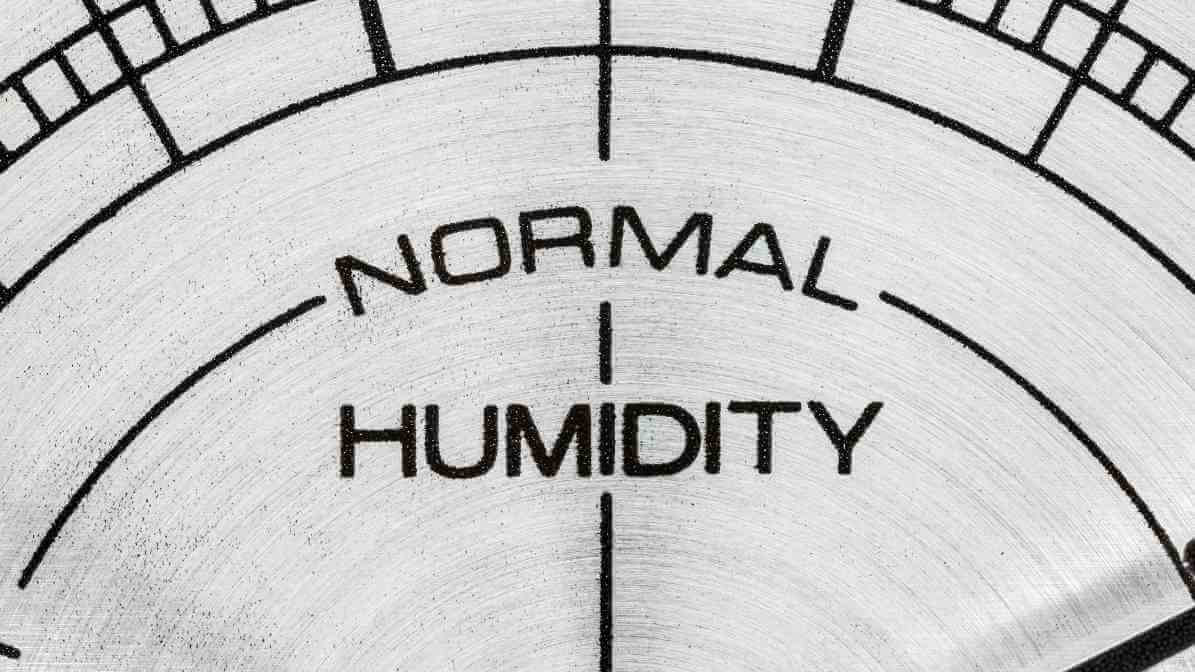
Install dehumidifiers in affected areas. Use silica aerogel or desiccants in storage containers. Ensure adequate ventilation. Maintain indoor humidity below 50–60% consistently using a hygrometer to monitor levels. This is the single most important step for booklice control Singapore.
Technique 2
Clean & Vacuum Regularly
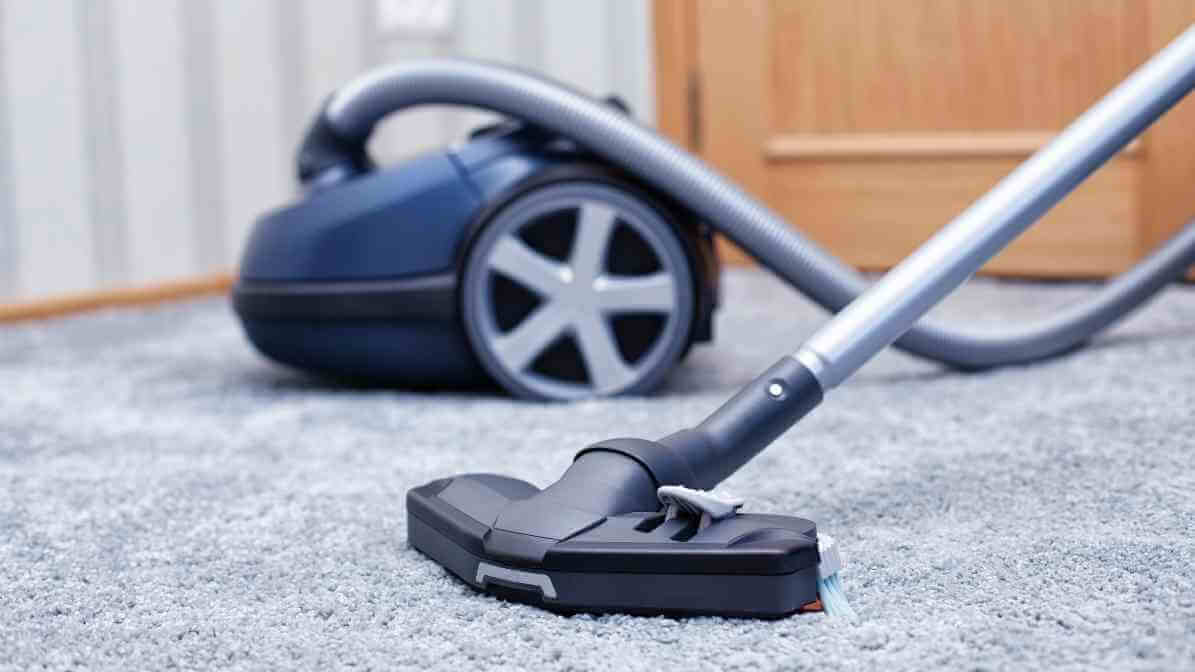
Vacuum cracks, crevices, books and papers thoroughly with a strong-suction vacuum. Wipe down surfaces with a damp cloth to eliminate mould and mildew colonies. Regular cleaning removes the food source that sustains the booklice population between treatments.
Technique 3
Remove Infested Items
Discard or sterilise papers, books and textiles showing visible mould. Store clean and dry items in airtight containers or sealed bags. For valuable items, use diatomaceous earth on surfaces or freeze at –18°C for 48–72 hours to kill insects and eggs without chemical damage.
Technique 4
Natural & Chemical Barriers
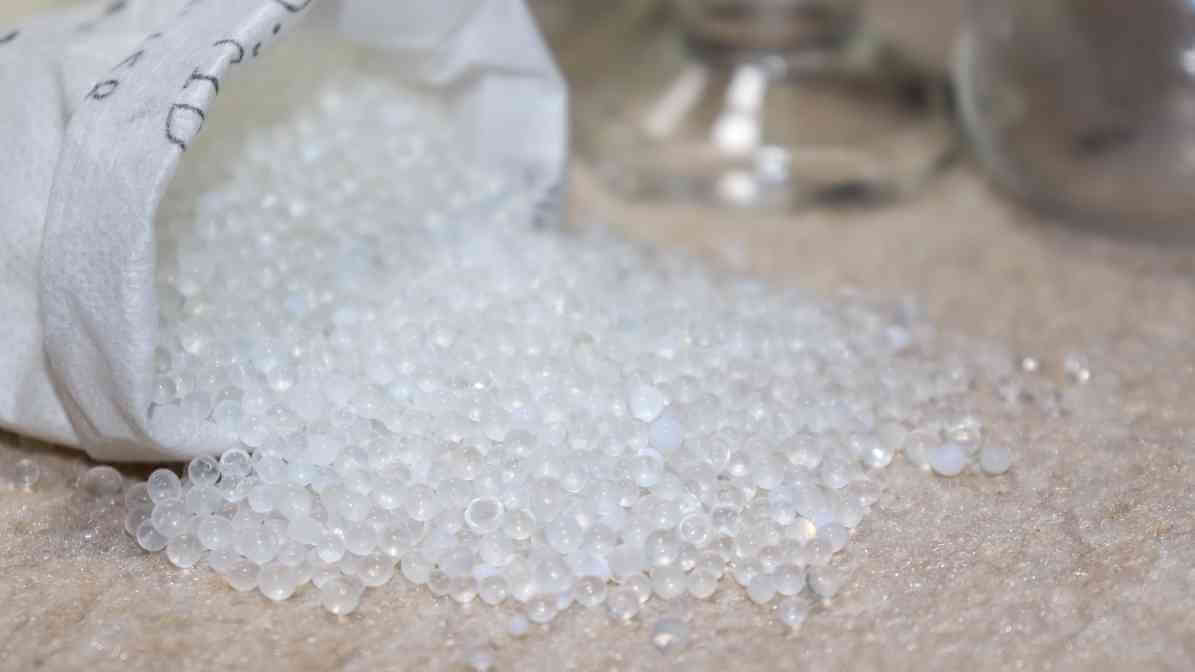
Apply diatomaceous earth or silica aerogel around cracks, crevices and storage areas — damaging insect exoskeletons through dehydration. Use eucalyptus or tea tree oil as natural repellents. For severe infestations, NEA-approved insecticides applied by professionals target hidden populations effectively.
Professional Booklice Control Singapore
Booklice on walls or persistent infestation?
In Singapore's humid climate, professional booklice control ensures powerful and lasting results. Our specialists use advanced inspection techniques, NEA-approved chemicals and integrated IPM plans for walls, storage areas and commercial spaces alike.
While DIY methods are effective for mild infestations, professional booklice control Singapore offers a comprehensive solution for stubborn, widespread or wall-based infestations where self-treatment falls short:
Advanced inspection to identify cracks and crevices harbouring infested items invisible to an untrained eye
NEA-approved chemicals and eco-friendly professional treatment products unavailable to consumers
Integrated pest management (IPM) plans to reduce humidity, eliminate mould sources and prevent re-infestation long term
Long-lasting preventative residual treatments and physical barriers that stop re-colonisation after eradication
Section 05
Preventive Measures for Long-Term Control
Routine prevention through these ongoing practices stops booklice from returning after successful treatment:
Use a dehumidifier and maintain humidity below 50% consistently in all storage areas
Store books and papers in sealed airtight containers to prevent moisture absorption
Regularly clean and vacuum storage areas — especially booklice-prone walls, corners and shelf edges
Apply silica aerogel or desiccants to sensitive items and storage containers on an ongoing basis
Seal cracks and crevices in walls and floors to eliminate hidden harbourage sites
Maintain good ventilation — opening windows during dry weather and using exhaust fans in storage spaces
Section 06
Frequently Asked Questions
Booklice on walls typically occur when condensation forms on wall surfaces due to temperature differences between the wall and the ambient air — creating a persistent damp microenvironment where mould grows on the wall surface. This is most common in corners, behind furniture, near air conditioning units and in poorly ventilated rooms. To eliminate booklice on walls: first address the moisture source (check for pipe leaks, improve ventilation, insulate cold walls), vacuum and clean all mould from wall surfaces, apply diatomaceous earth along skirting boards and into wall crevices, and use a dehumidifier to reduce ambient humidity. For widespread or recurring wall infestations, professional treatment with residual desiccants applied inside wall crevices is significantly more effective than surface cleaning alone.
DIY methods are sufficient for small, localised infestations that are caught early — particularly when the humidity source is easily identified and addressed. If you reduce humidity below 50%, thoroughly vacuum and clean all affected areas, apply diatomaceous earth to crevices and seal entry points, most minor booklice infestations resolve within 2–4 weeks without professional intervention. Professional booklice pest control is advisable when: the infestation is widespread across multiple rooms, DIY treatment has failed after 4 weeks, booklice on walls are persistent and reappear after cleaning, the property has structural moisture issues requiring specialist assessment, or the infestation is in a commercial food storage, library or archival environment where precision treatment is required.
In Singapore's year-round tropical humidity, dehumidification is the single most effective booklice control measure. Unlike other climates where seasonal dryness naturally suppresses booklice populations, Singapore requires year-round active humidity management. The most effective integrated approach combines: continuous dehumidification keeping indoor humidity below 50%, air conditioning usage in storage rooms (which also dehumidifies), professional silica aerogel application in structural cracks (more effective than consumer-grade products), sealing all cracks and crevices to eliminate hidden harbourage, and quarterly professional inspection for early re-infestation detection. Properties that rely on ventilation alone in Singapore will experience persistent re-infestation as outdoor humidity immediately reverses the progress made by surface cleaning.
Written by
Leia Rassid
Content Specialist • Innovative Pest Management
Pest control content specialist at Innovative Pest Management. Leia writes practical identification and prevention guides to help Singapore homeowners and businesses stay pest-free.
Stop Booklice Damaging Your Property & Belongings.
Booklice may be tiny, but their impact on books, papers, fabrics and walls can be significant. Implementing powerful pest control techniques from reducing humidity to sealing cracks — combined with our professional booklice control Singapore service — ensures comprehensive and lasting results. Our NEA-licensed specialists apply advanced IPM strategies for residential homes, archives and commercial properties alike.
I am committed to turning complex pest-management insights into clear, practical information that anyone can understand. Through my work, I aim to empower homeowners and businesses to make informed decisions that protect their health, property and environment.