Quick and Easiest Ways to Get Rid of Booklice
September 23, 2025
Master The Mosquito Life Cycle: How Powerful BTI-Treatment Works?
October 6, 2025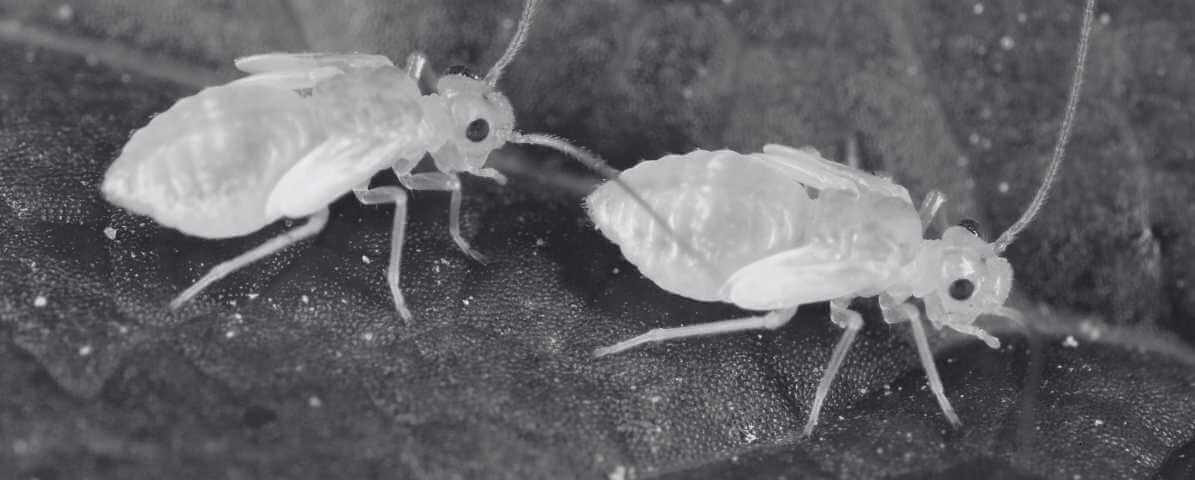
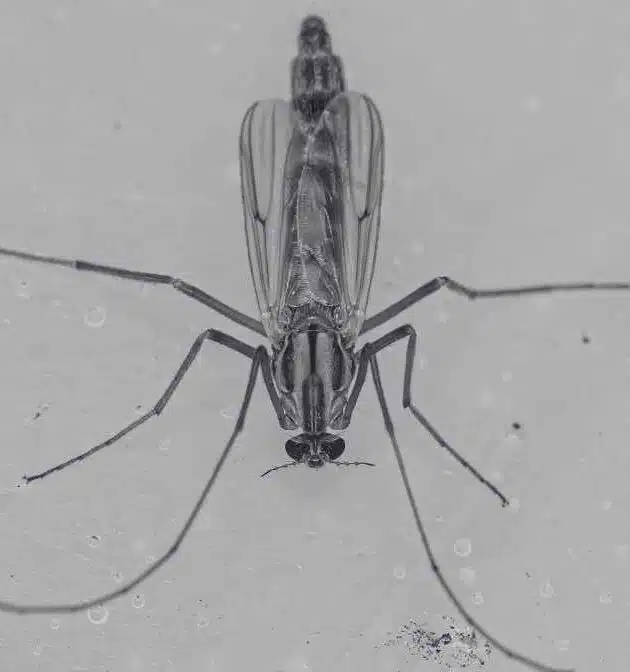
Also known as psocids, booklice are tiny wingless insects approximately 1–2mm in size — nearly invisible to the naked eye without close inspection. They are commonly found in areas rich in their food source: mould, fungi, paper and organic debris. Despite their name, booklice are not true lice and do not bite humans as a matter of course — though their presence indicates a humidity and mould problem that warrants immediate attention to protect your belongings and stored goods.
- ✓Booklice do not transmit diseases or bite humans under normal circumstances — but their presence signals excessive humidity, poor ventilation and active mould growth that can damage books, papers and stored food.
- ✓The five key signs of infestation are: visible moving insects, powdery mould residue, tiny holes in paper products, musty odour and sightings in cracks and crevices near stored items.
- ✓The primary cause is humidity above 50% — Singapore's tropical climate makes dehumidification the single most important control measure for preventing and eliminating booklice.
- ✓Effective treatment combines dehumidification, thorough vacuuming, freezing infested items, sealing entry points and airtight food storage — with professional pest control for persistent or large-scale infestations.
What Are Booklice? Identification & Appearance
Booklice (order Psocoptera, family Liposcelididae) thrive in humid environments. Understanding their appearance and behaviour is the essential first step to confirming an infestation and selecting the right treatment:
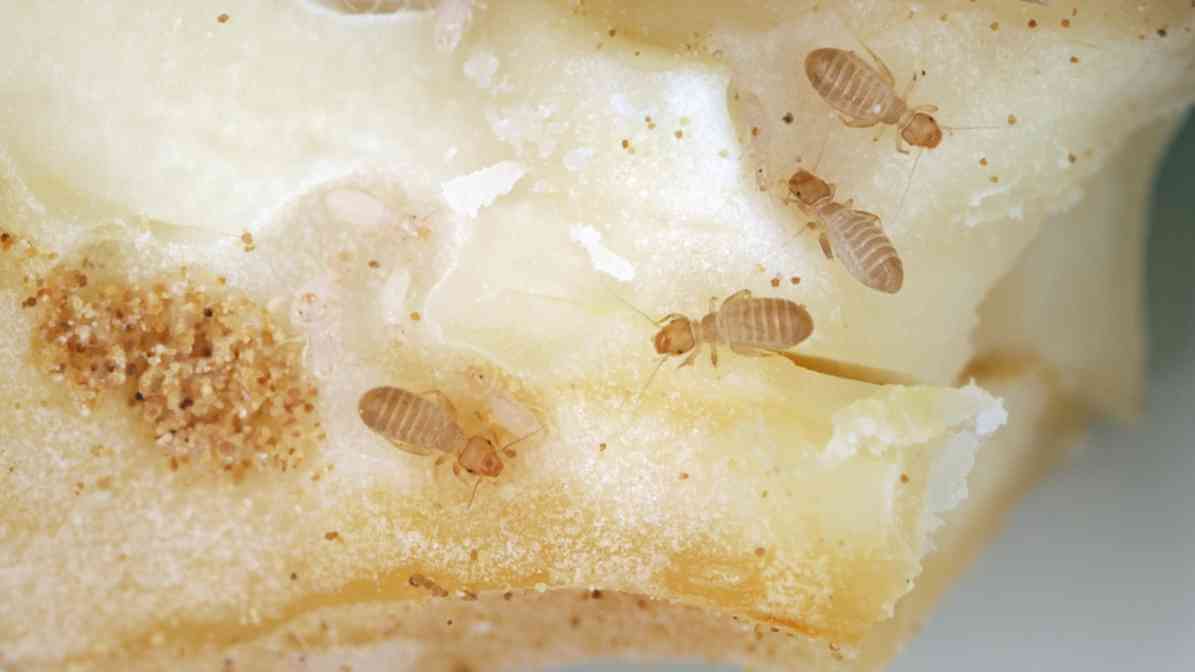
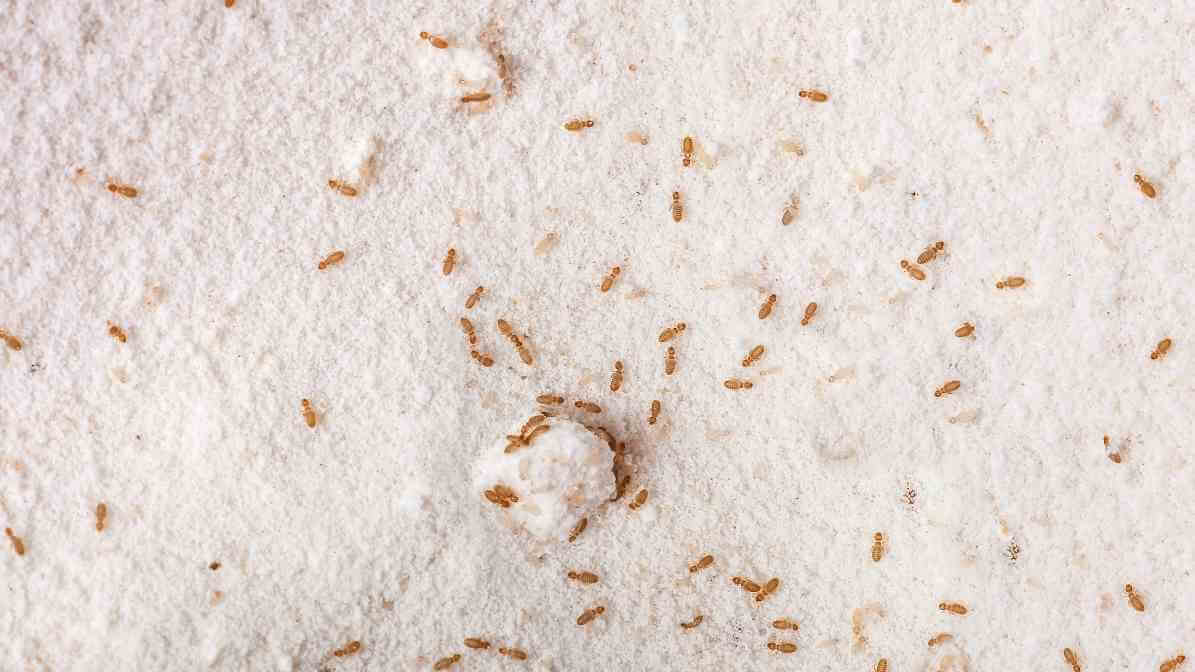
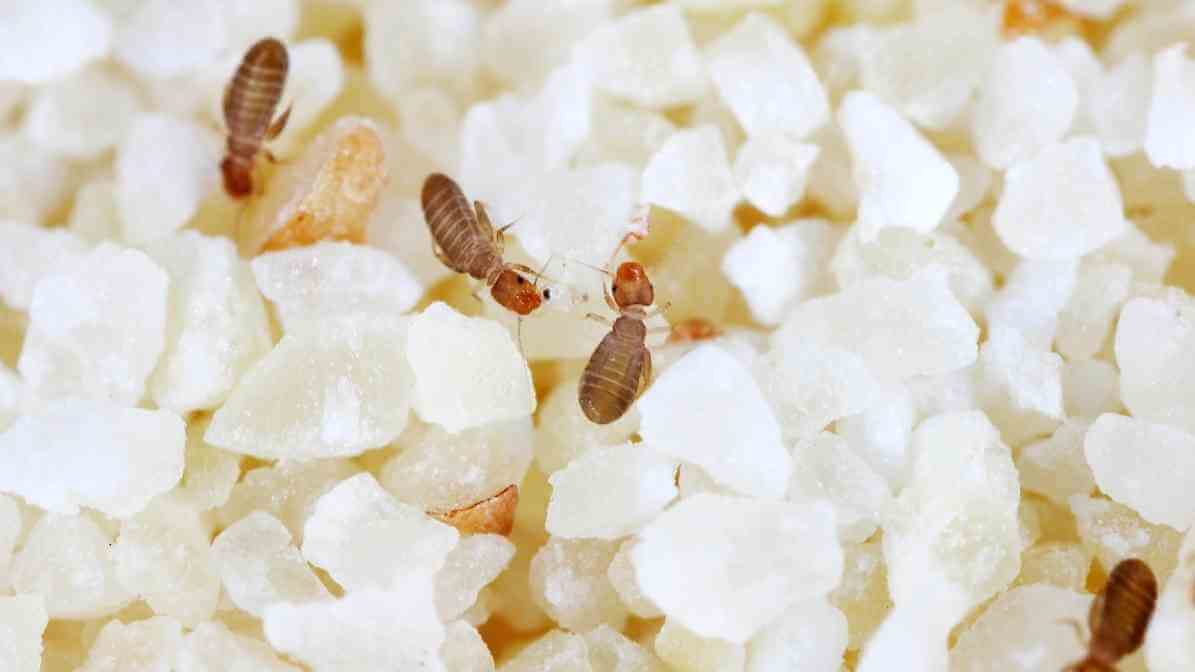
Are booklice dangerous? Generally, booklice are not harmful to humans. They do not transmit diseases and rarely cause skin reactions. However, the damage they inflict on books, papers, photographs and stored food products can be significant. More importantly, their presence is a reliable indicator of high humidity and active mould growth — conditions that pose their own health risks and can accelerate structural deterioration.
5 Signs of a Booklice Infestation
Detecting a booklice infestation early is crucial for effective management. Look for these five key indicators:
Why Do Booklice Infestations Occur?
Four environmental conditions create the ideal habitat for booklice to establish and thrive. Each of these can be directly addressed to prevent or eliminate an infestation:
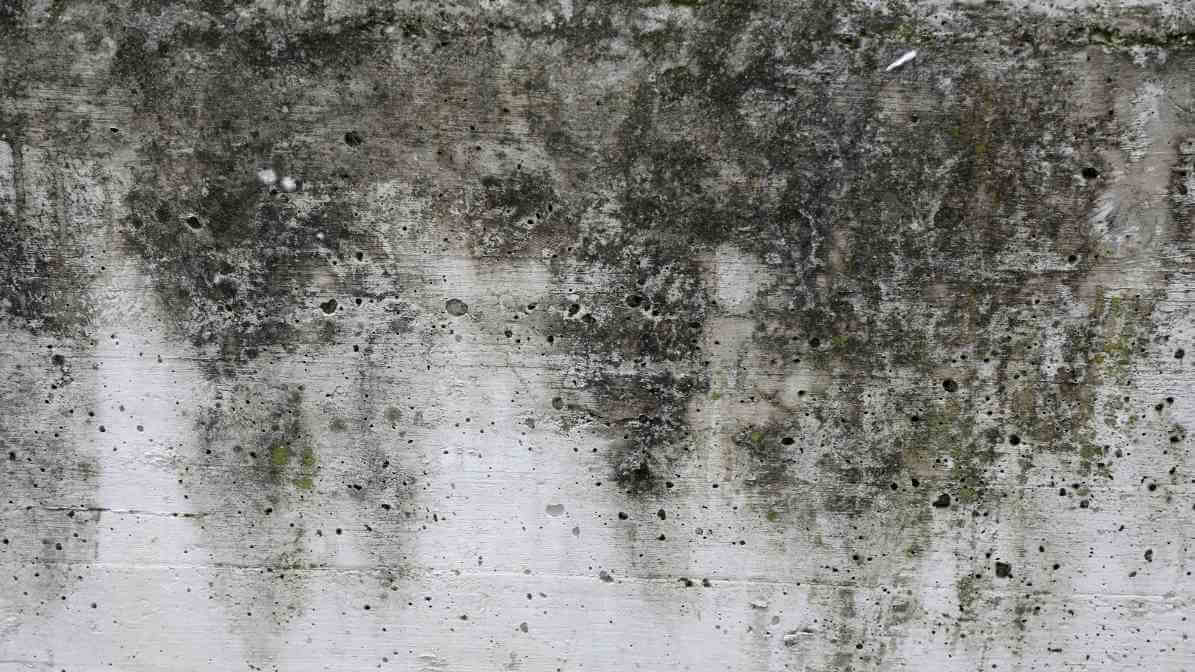
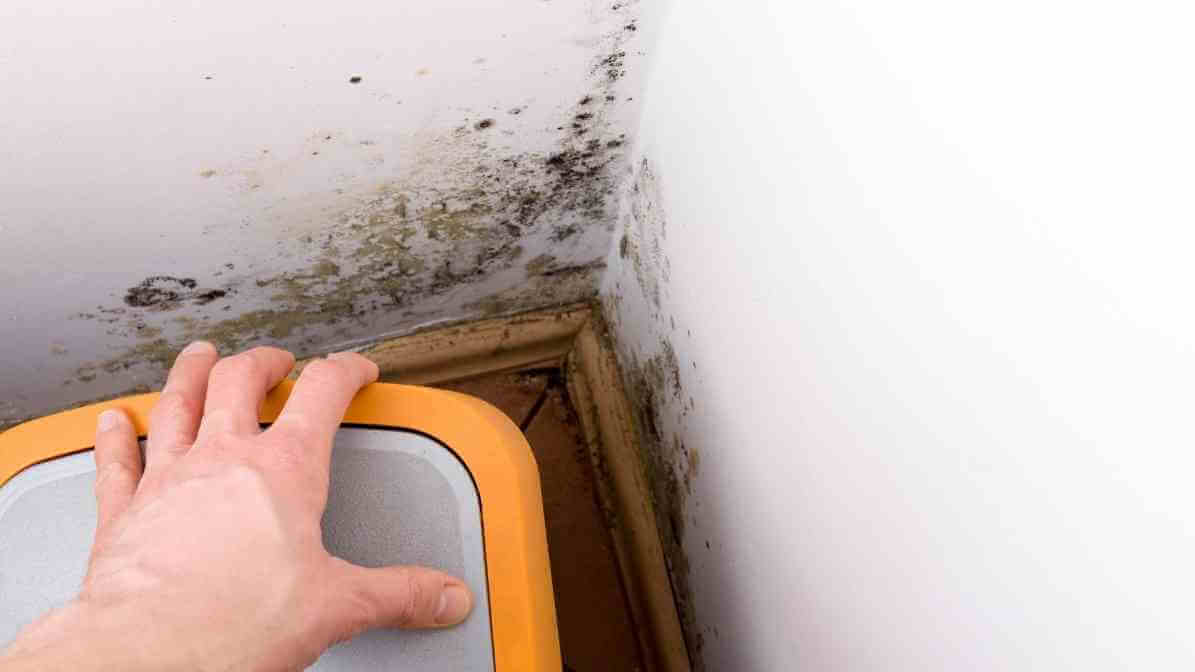


Our NEA-licensed specialists identify hidden breeding sites, deploy diatomaceous earth and targeted treatments, seal entry points and recommend humidity control measures — ensuring a complete, lasting result.
How to Get Rid of Booklice: 8-Step Treatment
Effective treatment combines environmental modification with targeted pest control. Here are the eight proven steps for eliminating booklice and preventing their return:
Use dehumidifiers or air conditioning to bring indoor humidity below 50% consistently. This single measure makes your space inhospitable to booklice and prevents mould growth simultaneously. This is the most critical step — all other treatments lose effectiveness if humidity is not controlled.
Vacuum all infested areas including bookshelves, cracks, crevices and behind furniture. Use a nozzle attachment to reach inside book spines, wall crevices and shelf edges. This physically removes booklice, eggs and the mould debris that serves as their food source.
Diatomaceous earth applied to cracks, crevices and shelf edges damages the exoskeletons of booklice, causing dehydration and death. This is a food-safe, environmentally friendly option suitable for use in kitchens, libraries and food storage areas without chemical risk.
Inspect walls, skirting boards, around pipes and behind appliances for cracks and crevices. Seal confirmed hiding places and breeding sites using appropriate sealant to block access to harbourage areas and prevent recolonisation after treatment.
Transfer all pantry items — especially grains, cereals, flour and rice — into sealed, airtight containers. Cardboard and paper packaging in humid conditions becomes mould-covered quickly, creating ideal booklice feeding grounds directly in your food storage.
For valuable or heavily infested books and papers, freezing at –18°C for 48–72 hours kills booklice and their eggs without damaging the materials. This is the safest method for treating antique books, archival documents and photographs that cannot be vacuumed.
Keep books and papers in cool, dry, well-ventilated areas. Avoid stacking items directly on floors or against walls where condensation accumulates. Elevate storage off the floor on shelving and ensure adequate air circulation between stored items.
For persistent or large-scale infestations, professional pest services identify hidden breeding sites and deploy targeted treatments inaccessible to DIY methods. Specialists can recommend solutions tailored to sensitive environments like libraries, museums and food storage facilities.
Preventing Future Booklice Infestations
Prevention is always more cost-effective than treatment. These ongoing practices maintain the conditions that make booklice infestations impossible to establish:
Frequently Asked Questions

Pest control content specialist at Innovative Pest Management. Leia writes practical identification and prevention guides to help Singapore homeowners and businesses stay pest-free.

Protect Your Books, Papers &
Stored Food from Booklice.
Early detection and integrated pest management are the keys to protecting your valuable documents and food supplies from booklice damage. Our NEA-licensed specialists identify hidden breeding sites, assess humidity-related structural issues and deploy targeted, environmentally friendly treatments — ensuring long-lasting results for residential homes, libraries and commercial food storage facilities.