
Booklice Pest Control, A Proven Way to Eliminate Infestation
September 22, 2025
How to Uncover Book lice Infestation and Protect?
September 24, 2025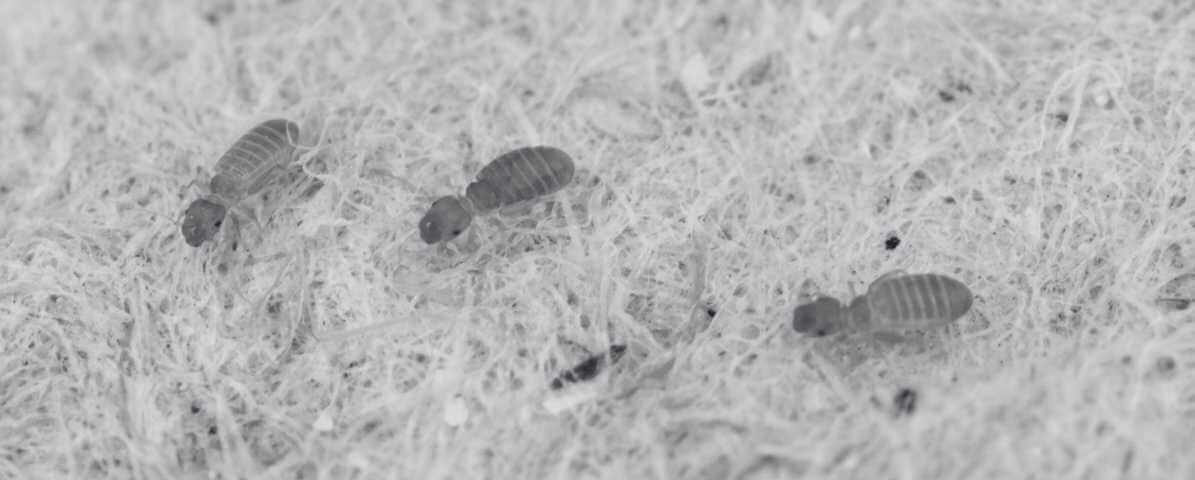
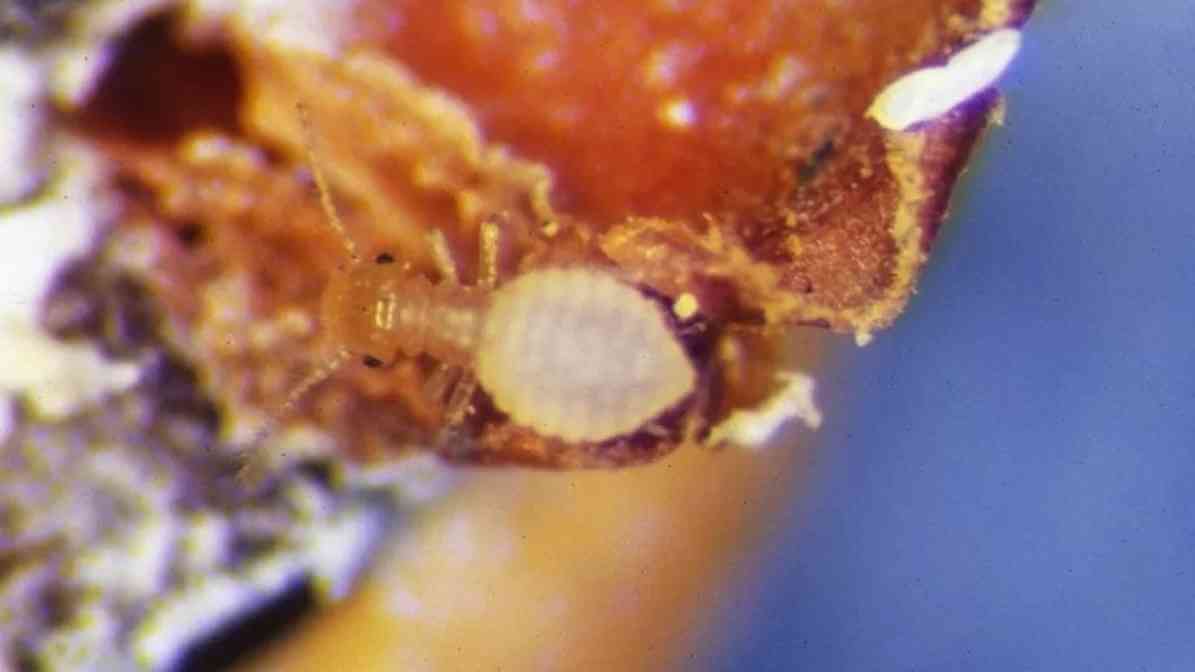
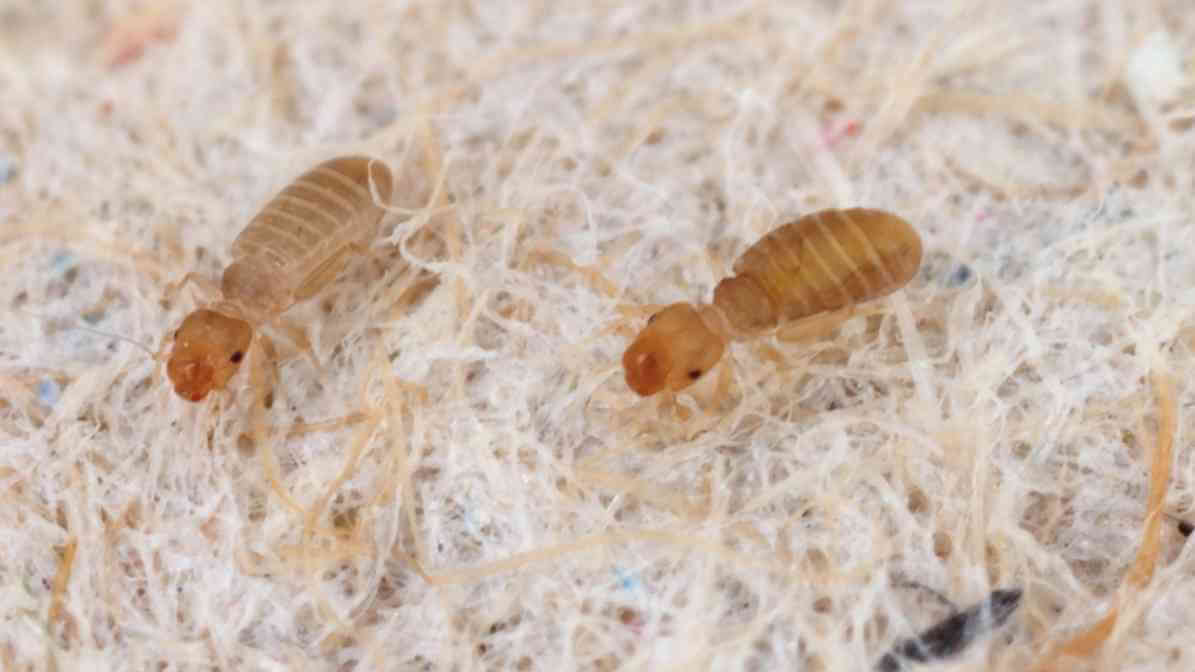
Booklice belong to the order Psocoptera — specifically psocids — and typically appear in humid environments. They resemble tiny moths with long antennae and soft, pale or translucent bodies measuring less than 1mm. Understanding where they come from, their lifecycle and the environmental factors driving an infestation is essential before applying treatment. At Innovative Pest Management, our strategies are meticulously tailored to eradicate booklice completely and prevent re-infestation.
- ✓There are three types of booklice based on habitat: book/paper feeders, stored-food dwellers and crack-and-crevice inhabitants — each requires a slightly different treatment approach.
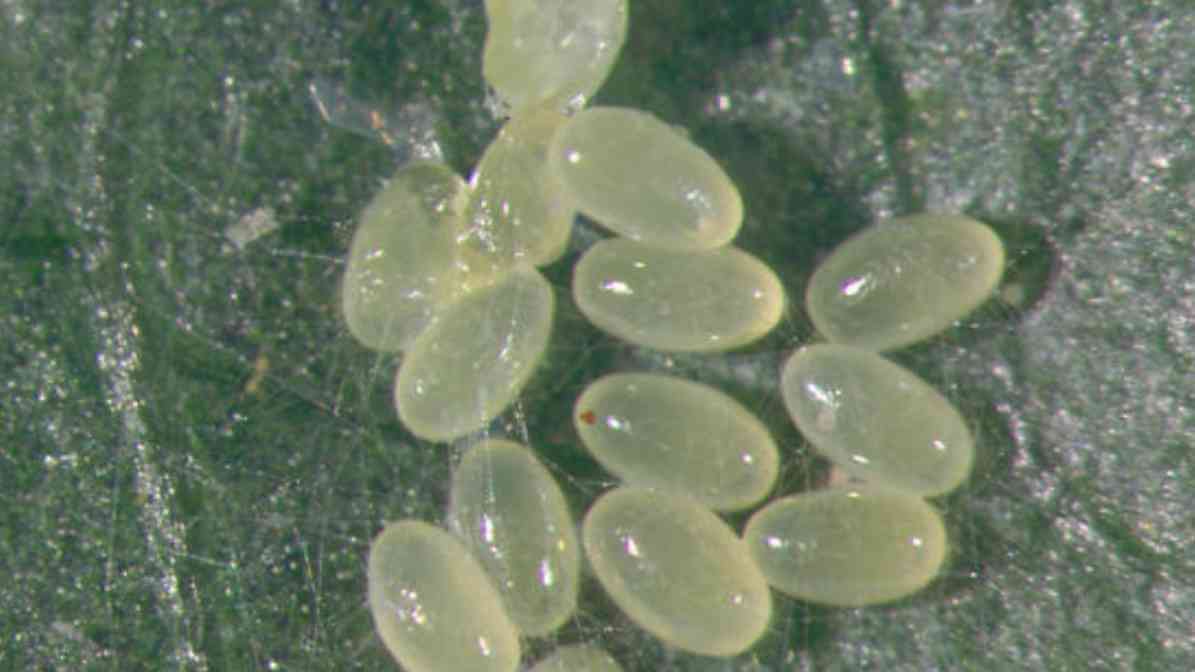
- ✓Booklice eggs hatch in 6–14 days; nymphs mature in 2–3 weeks; adults live 2–3 months actively feeding and reproducing in humid conditions — population growth is rapid if humidity is not controlled.
- ✓The three-stage elimination approach: reduce humidity below 50%, thoroughly clean and vacuum, then apply desiccants (diatomaceous earth or silica aerogel) to cracks and storage areas.
- ✓Professional IPM treatment follows a 5-step protocol: inspection, assessment, preparation, treatment application and environmental control — ensuring complete eradication for all infestation severities.
What Are Booklice? Types & Habitats
Booklice are not true lice — they are harmless to humans in terms of biting and disease transmission. But understanding which type of booklice you are dealing with allows our professionals to tailor a pest control strategy that ensures full eradication. Three types are commonly encountered:

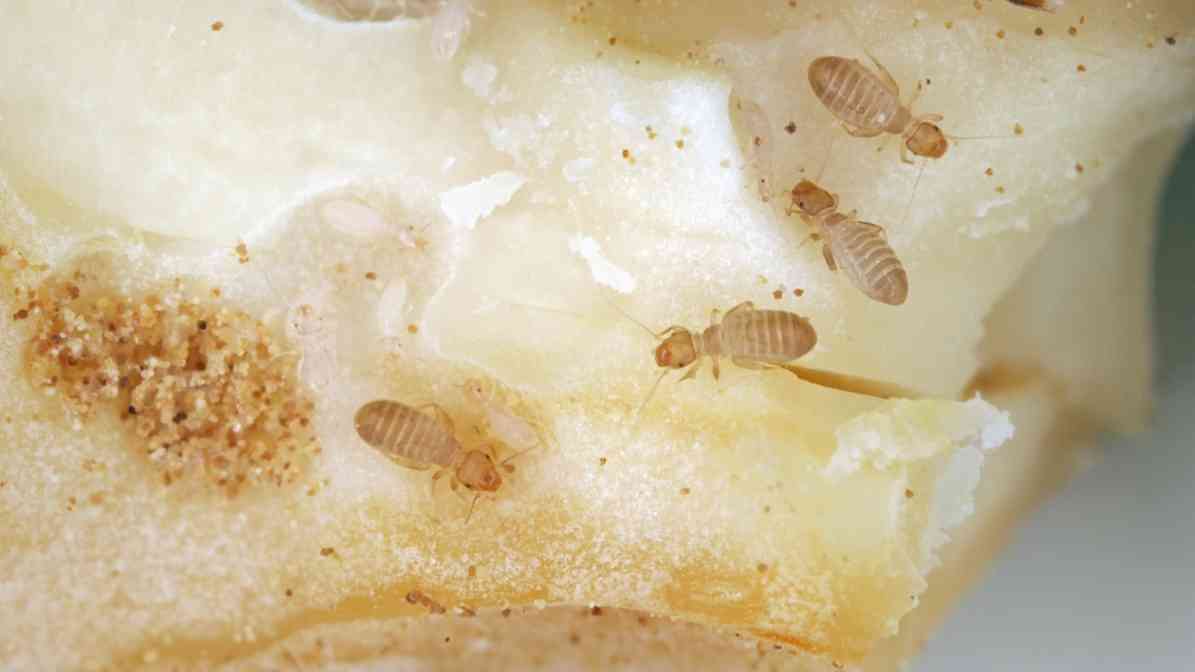
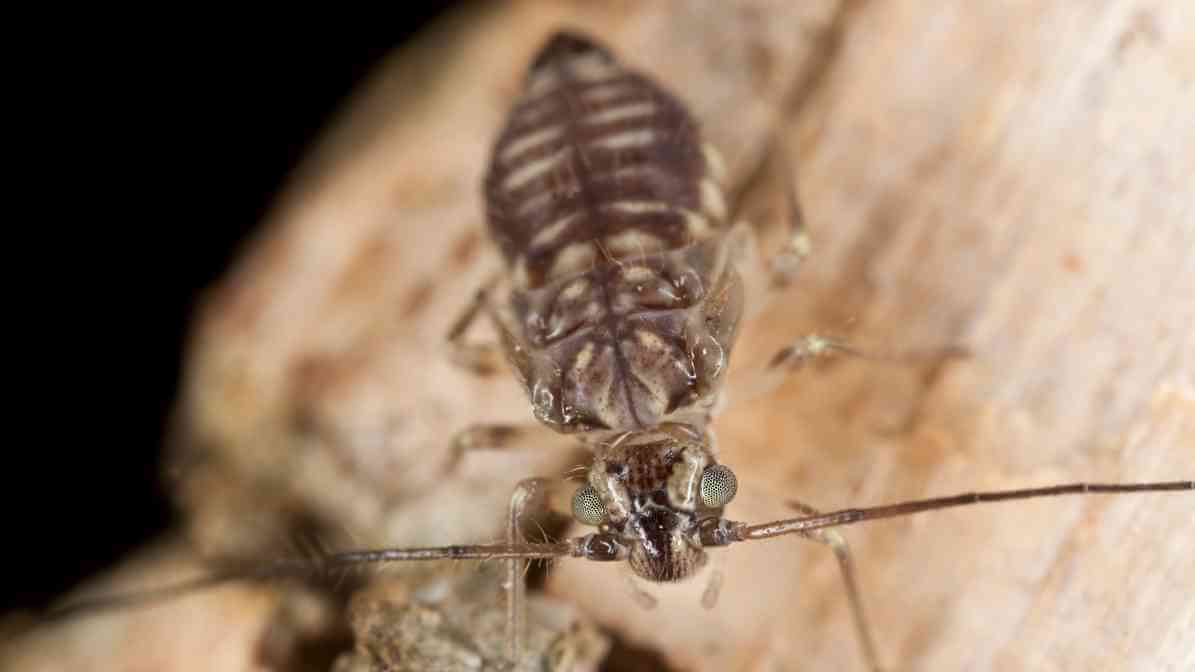
Signs of a booklice infestation include seeing tiny insects near affected areas, noticing mould and mildew buildup, and finding damage to books, papers and stored products. Although harmless to humans directly, the mould they feed on can produce allergens that affect those with respiratory sensitivities.
Lifecycle of Psocid Booklice: Eggs, Nymphs & Adults
The lifecycle's rapid progression means booklice infestations spiral quickly when humidity and poor air circulation go unchecked. Understanding each stage is critical to targeting treatment at the most vulnerable point:
Effective Strategies to Get Rid of Booklice
Eradicating booklice requires a combination of environmental control, cleaning and targeted pest control measures. Three complementary approaches applied together deliver the fastest, most lasting results:
- ●Use dehumidifiers in storage areas to keep humidity consistently below 50%
- ●Open windows regularly, especially during dry weather, to increase air circulation
- ●Apply silica aerogel in storage containers or shelves to absorb moisture and maintain a dry environment
- ●Avoid storing items in cracks and crevices where moisture can accumulate
- ●Use a vacuum with a brush attachment to thoroughly clean cracks, crevices, books and furniture
- ●Wipe down surfaces with a damp cloth to remove mould and mildew colonies
- ●Discard heavily infested items with extensive mould growth to prevent booklice recolonising treated areas
- ●Diatomaceous earth: non-toxic powder that damages booklice exoskeletons, causing dehydration
- ●Silica aerogel: professional desiccant that maintains low humidity and prevents re-infestation
- ●Essential oils: eucalyptus or tea tree oil act as repellents for mild infestations
- ●Residual insecticides: for severe cases, NEA-approved targeted insecticides applied by professionals to cracks and crevices
Innovative Pest Management provides expert solutions with NEA-approved, ISO-certified eco-conscious products suitable for homes and commercial spaces. Our 5-step IPM protocol ensures full eradication and sustained prevention.
5-Step Innovative Pest Management Protocol
While DIY methods work for small infestations, untreated populations grow rapidly. Our professional pest control services follow strict safety protocols using NEA-approved, ISO-certified eco-conscious products:
Visual examination of books, papers, stored items, walls and crevices. Hygrometer measurements to identify high-humidity zones. Detection of mould and mildew sources and mapping of all active infestation areas.
Developing a tailored plan based on infestation scope, affected item types and environmental conditions. Safety protocols reviewed to ensure treatment is safe for all inhabitants and pets.
HEPA-filter vacuuming to remove visible insects, booklice eggs and debris from all cracks and crevices. Surface cleaning with mild agents to remove mould residue. Infested items collected, dehumidifiers deployed.
Silica aerogel, diatomaceous earth and silica gel applied to cracks, crevices and shelves. Eco-friendly insecticidal sprays targeted to hidden locations. Mould-inhibiting solutions eliminate the food source.
Continued dehumidification and ventilation improvements to maintain humidity below 50%. Sealing of identified cracks and crevices. Books and papers stored in airtight containers. Follow-up inspection to confirm eradication and long-term prevention advice.
Frequently Asked Questions

Pest control content specialist at Innovative Pest Management. Leia writes practical identification and prevention guides to help Singapore homeowners and businesses stay pest-free.


Get Rid of Booklice
Completely & Permanently.
Innovative Pest Management provides expert booklice eradication using our NEA-approved, ISO-certified 5-step protocol. We identify all infestation sources including hidden eggs and nymphs, apply professional desiccant and insecticidal treatments, and implement environmental controls that stop re-infestation permanently. Suitable for homes, libraries, archives and food storage facilities.