Home›Pest Blog›Bee Pollen & Royal Jelly Health Benefits
BeesHealth & Wellness
Bee Pollen & Royal Jelly: Proven Health Benefits Explained
Bee pollen and royal jelly are among nature's most nutrient-dense superfoods — produced by the same bees that are vital to Singapore's biodiversity and pollination ecosystem. This guide explains their nutritional profiles, evidence-backed health benefits and practical ways to incorporate them into your daily routine, alongside Innovative Pest Management's approach to responsible bee conservation and safe hive removal.
Innovative Pest Management
|Updated September 2025|8 min read|NEA Licensed
250+
Bioactive substances identified in bee pollen
9
Essential amino acids present in bee pollen
Royal Jelly
Exclusive food of the queen bee — source of longevity benefits
The remarkable world of bees extends far beyond honey production. The colony's highly organised society — queen, workers and drones — produces two of nature's most nutrient-dense substances: bee pollen and royal jelly. Both have been used in traditional medicine for centuries and are now studied for their evidence-backed health benefits ranging from immune support to metabolic enhancement. As a pest management company that regularly works with bee colonies in Singapore, we have a deep respect for these remarkable insects and their contributions to human health and ecosystem balance.
Key Takeaways
✓Bee pollen contains all nine essential amino acids, B-complex vitamins, zinc, magnesium and over 250 bioactive substances — making it one of the most nutritionally complete natural foods known.
✓Royal jelly is the exclusive food of the queen bee — rich in B5 (pantothenic acid), biotin and unique fatty acids that support metabolism, hormone balance and anti-aging effects.
✓Both substances have antioxidant properties that neutralise free radicals, potentially reducing oxidative stress associated with cellular aging and chronic inflammation.
✓Individuals allergic to bee products should consult a healthcare professional before use. Pregnant or breastfeeding women should seek medical advice prior to incorporating bee products into their routine.
Section 01
What Is Bee Pollen? The Golden Superfood
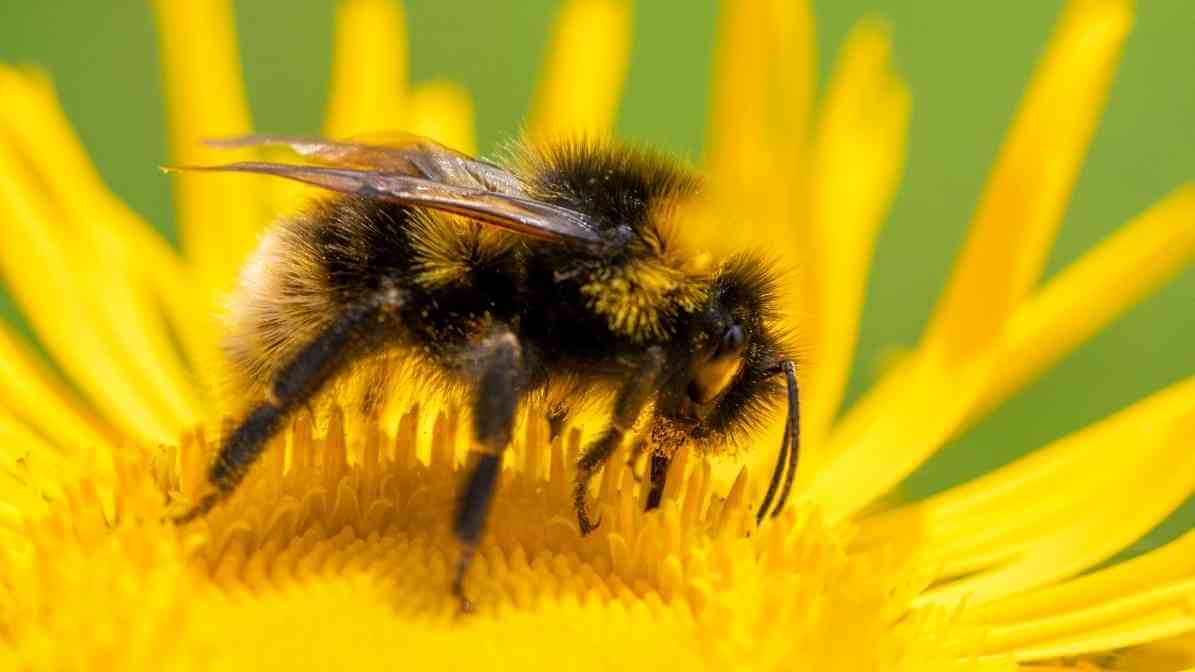
Bee pollen is a mixture of flower pollen, nectar, enzymes, honey and bee secretions collected by foraging worker bees. Dubbed a superfood, it is renowned for its exceptionally dense nutritional profile — containing vitamins, minerals, all nine essential amino acids, fatty acids and a broad spectrum of antioxidants.
Vitamins
B-complex, C, D, E — energy production & immune support
Minerals
Zinc, magnesium, selenium — immune, muscle and cellular health
Amino Acids
All 9 essential amino acids for muscle repair & hormone production
Fatty Acids
Supports brain health, immune function & anti-inflammatory pathways
Section 02
Health Benefits of Bee Pollen
Studies examining the health benefits of bee pollen reveal its wide-ranging applications as a natural supplement. Its impressive bioactive compound profile supports multiple body systems simultaneously:
Immune System Support
Bee pollen's antioxidants, zinc and selenium help prevent infections and support immune system function by neutralising free radicals — unstable molecules associated with cellular aging and chronic inflammation. Regular supplementation may strengthen the body's natural defence mechanisms.
Energy & Vitality
The B-complex vitamins in bee pollen are essential for converting food into cellular energy. Athletes and active individuals often incorporate bee pollen into their diet to support sustained energy levels, reduce fatigue and improve recovery times through better nutrient availability.
Anti-Inflammatory & Antioxidant
Flavonoids and phenolic compounds in bee pollen exhibit anti-inflammatory properties that may reduce chronic inflammation. Combined with its antioxidant activity, bee pollen potentially delays cellular aging and reduces the risk of oxidative stress-related health conditions.
Digestive & Skin Health
Bee pollen's enzymes and amino acids support digestive function and nutrient absorption. Topically, the anti-inflammatory and antioxidant properties have been associated with improved skin health, reduced irritation and better healing of minor skin conditions.
How to use: Bee pollen can be incorporated into smoothies, cereals, yogurt or consumed directly. Start with small amounts (1/4 teaspoon) to test for any sensitivity before increasing to 1–2 teaspoons daily. Always purchase from reputable sources to ensure purity and quality.
Section 03
Royal Jelly: The Queen's Anti-Aging Elixir
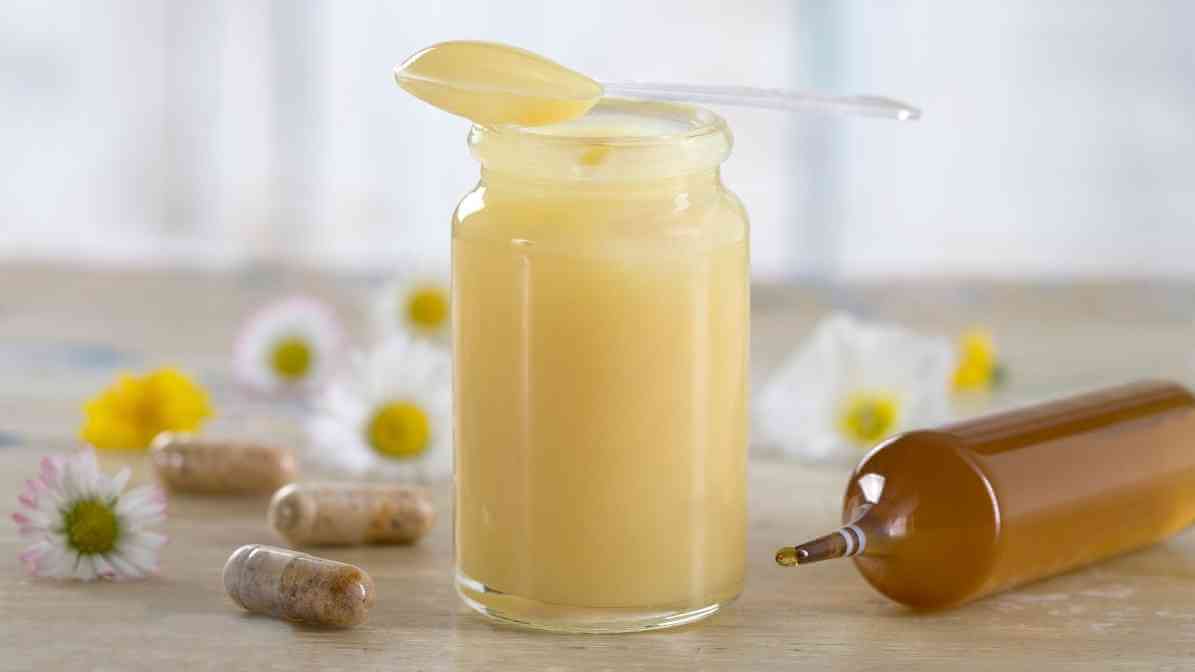
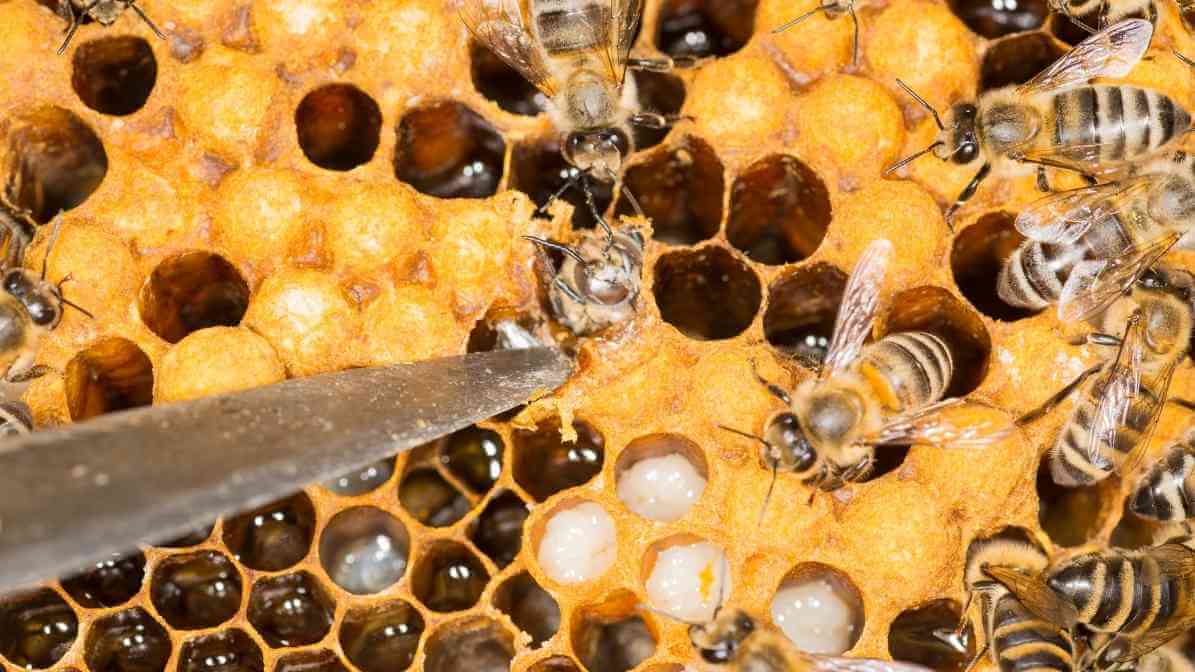
Royal jelly is a milky-white secretion produced by nurse worker bees that serves as the exclusive, lifelong nourishment of the queen bee — enabling her to live 40 times longer than worker bees and maintain continuous reproductive capacity. This remarkable biological difference is entirely attributable to royal jelly.
Royal jelly is exceptionally rich in B-vitamins, particularly B5 (pantothenic acid) and biotin — essential for energy metabolism and cellular repair. It also contains a unique fatty acid called 10-Hydroxy-2-decenoic acid (10-HDA) found only in royal jelly, which researchers believe contributes to its distinctive biological effects.
Safety note: Royal jelly can cause allergic reactions in individuals allergic to bee products or honey, ranging from mild irritation to severe anaphylaxis. Pregnant or breastfeeding women should consult a healthcare professional before use.
Section 04
Metabolism & Hormone Benefits of Royal Jelly
Metabolic Boost
The high concentration of B5 (pantothenic acid) and biotin in royal jelly supports efficient metabolic pathways — particularly carbohydrate and fat metabolism. B-vitamin deficiency slows metabolic rate and contributes to fatigue; royal jelly's dense B-vitamin profile helps restore and maintain optimal metabolic function. Research also suggests royal jelly may influence blood glucose regulation and lipid metabolism.
Hormone Balance Support
Royal jelly contains compounds that interact with oestrogen-receptor pathways, making it a subject of ongoing research into natural hormonal support. Studies suggest it may help relieve menopausal symptoms such as hot flushes and improve skin elasticity through hormonal mechanisms. Its amino acid profile also supports the synthesis of neurotransmitters that regulate mood and sleep quality.
Brain & Cognitive Health
Royal jelly's fatty acids and B-vitamins contribute to neurological function. Research indicates potential neuroprotective effects and cognitive support, with some studies showing improved memory formation in animal models. The anti-inflammatory compounds may also protect against age-related cognitive decline.
Skin & Anti-Aging
Royal jelly's antioxidants combat free radicals that accelerate skin aging. Studies suggest it stimulates procollagen synthesis, improving skin elasticity and reducing the appearance of fine lines. Its anti-inflammatory properties may also benefit skin conditions including eczema and dermatitis.
Bee Hive Removal & Relocation Singapore
Bee colony on your property?
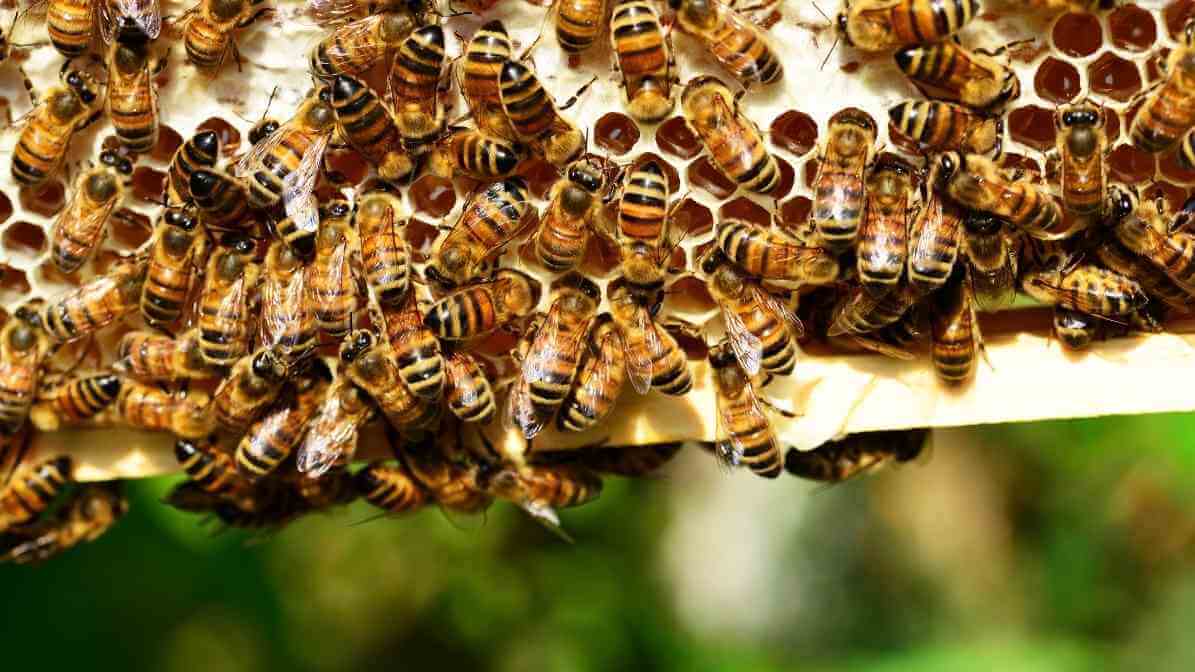
Bees are invaluable pollinators — and the source of pollen, honey and royal jelly. Innovative Pest Management prioritises safe hive relocation over extermination, supporting Singapore's bee population and ecosystem balance. Contact us for humane, professional bee removal.
The most common and effective method is consuming bee pollen granules directly or incorporating them into food. Begin with a very small amount — approximately 1/4 teaspoon — to test for allergic sensitivity, then gradually increase to 1–2 teaspoons daily over 1–2 weeks. Bee pollen can be added to smoothies, sprinkled over yogurt, mixed into porridge or taken with honey. Avoid heating bee pollen above 40°C as this destroys many of its beneficial enzymes and vitamins. Store in an airtight container in a cool, dark place — or refrigerate for maximum potency. Those with known bee or pollen allergies should consult a doctor before use, as reactions can range from mild to severe.
Royal jelly is generally considered safe for most healthy adults when taken in recommended doses. However, allergic reactions are possible — particularly in individuals with known allergies to bees, honey or other bee products. Reactions can range from mild (skin irritation, mild digestive upset) to severe (anaphylaxis in rare cases). Pregnant and breastfeeding women should consult a healthcare provider before use as its effects during pregnancy are not fully established. Royal jelly may also interact with blood-thinning medications due to its anticoagulant-like properties. Always purchase from reputable, tested sources to ensure the product is free from contamination. If you are asthmatic or have a history of atopic dermatitis, exercise particular caution as these groups show higher incidence of royal jelly reactions.
Bees are ecologically irreplaceable — responsible for pollinating approximately one-third of the world's food supply and supporting Singapore's biodiversity. The same colonies that produce honey, bee pollen and royal jelly also pollinate the plants and trees that sustain our urban green spaces. Extermination is only a last resort when a colony poses genuine, unmanageable safety risks that cannot be addressed through relocation. In the vast majority of cases, Innovative Pest Management's trained specialists safely relocate bee hives to appropriate environments where the colony can continue to thrive — protecting both the property occupants and the bees. If you have a bee colony on your property, contact us before attempting any self-treatment, as disturbing a hive without specialist knowledge can trigger defensive swarming behaviour that puts everyone at risk.
Written by
Leia Rassid
Content Specialist • Innovative Pest Management
Pest control content specialist at Innovative Pest Management. Leia writes practical identification and prevention guides to help Singapore homeowners and businesses stay pest-free.
Bees are vital to our ecosystem — the very insects that produce the pollen, honey and royal jelly that support human health. When a bee colony establishes itself on your property, Innovative Pest Management prioritises humane hive relocation over extermination. Our NEA-licensed specialists safely remove and relocate bee hives, protecting both your family and Singapore's bee population. Available 24/7 for urgent situations.
I am committed to turning complex pest-management insights into clear, practical information that anyone can understand. Through my work, I aim to empower homeowners and businesses to make informed decisions that protect their health, property and environment.