Home›Pest Blog›Mosquito Life Cycle & BTI Treatment
MosquitoesBTI Treatment
Crack the Mosquito Life Cycle with BTI Mosquito Treatment
Mosquitoes transmit dengue, Zika, chikungunya and malaria. The most powerful way to control their populations is to break the life cycle at the larval stage — before they develop into biting, disease-spreading adults. Bacillus thuringiensis israelensis (BTI) is the biological treatment that makes this possible: safe, targeted and highly effective.
Innovative Pest Management
|Updated October 2025|11 min read|NEA Licensed
4
Stages in the mosquito life cycle
4–14
Days mosquito larvae take to develop in Singapore's climate
BTI
Biological treatment targeting larvae without harming other species
NEA
Licensed mosquito control specialists
To effectively control mosquito populations, understanding their life cycle is essential. An innovative approach for BTI mosquito treatment has revolutionised mosquito control strategies — enabling us to break the life cycle at the larval stage. In this guide we explain the intricate mosquito life cycle, how Bacillus thuringiensis israelensis (BTI) works as a mosquito killer, and how choosing the right BTI mosquito solutions can drastically reduce standing water breeding and safeguard communities.
Key Takeaways
✓The mosquito life cycle has four stages: egg, larva, pupa and adult. Targeting the larval stage is the most effective intervention point before adult mosquitoes can bite and transmit disease.
✓BTI (Bacillus thuringiensis israelensis) is a naturally occurring soil bacterium whose toxins specifically disrupt mosquito larval digestive systems — lethal to larvae but safe for humans, pets and non-target species.
✓BTI does not pollute water sources and is suitable for use in drinking water reservoirs, parks, schools and any sensitive area where chemical insecticides are inappropriate.
✓Combining BTI larviciding with standing water removal, monitoring and professional treatment delivers the most sustainable long-term reduction in mosquito populations.
Section 01
The Mosquito Life Cycle: From Egg to Adult
Understanding the mosquito life cycle is fundamental to controlling their populations. The cycle comprises four main stages — and controlling it at the larval stage is exponentially more effective than targeting adults:
▶
STAGE 1
Egg
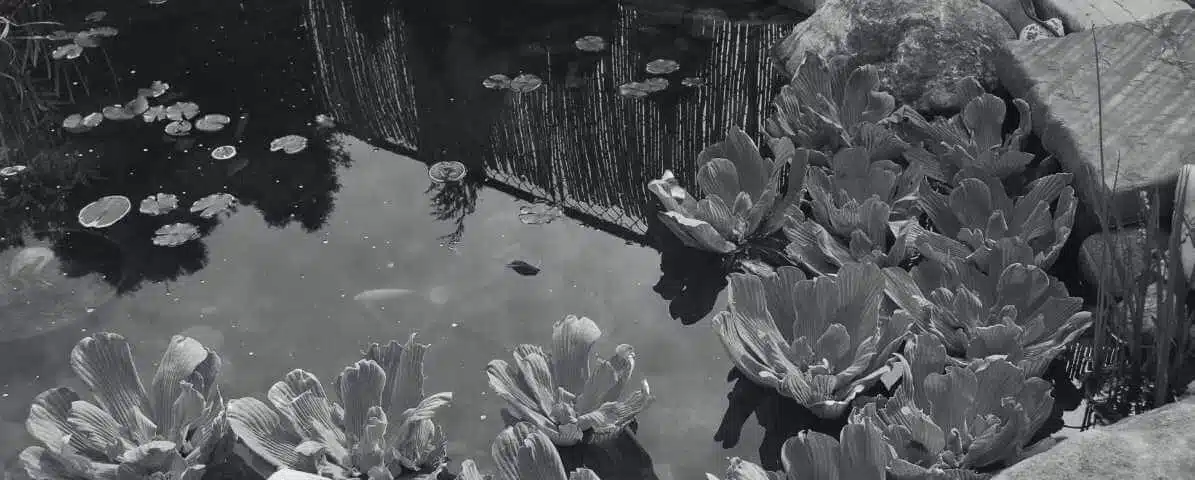
Female mosquitoes lay eggs on standing water surfaces in plant trays, containers, roof gutters and potholes. Eggs are resistant to drying and can survive months until conditions are right. Removing standing water disrupts the egg hatch process immediately.
Stage 2
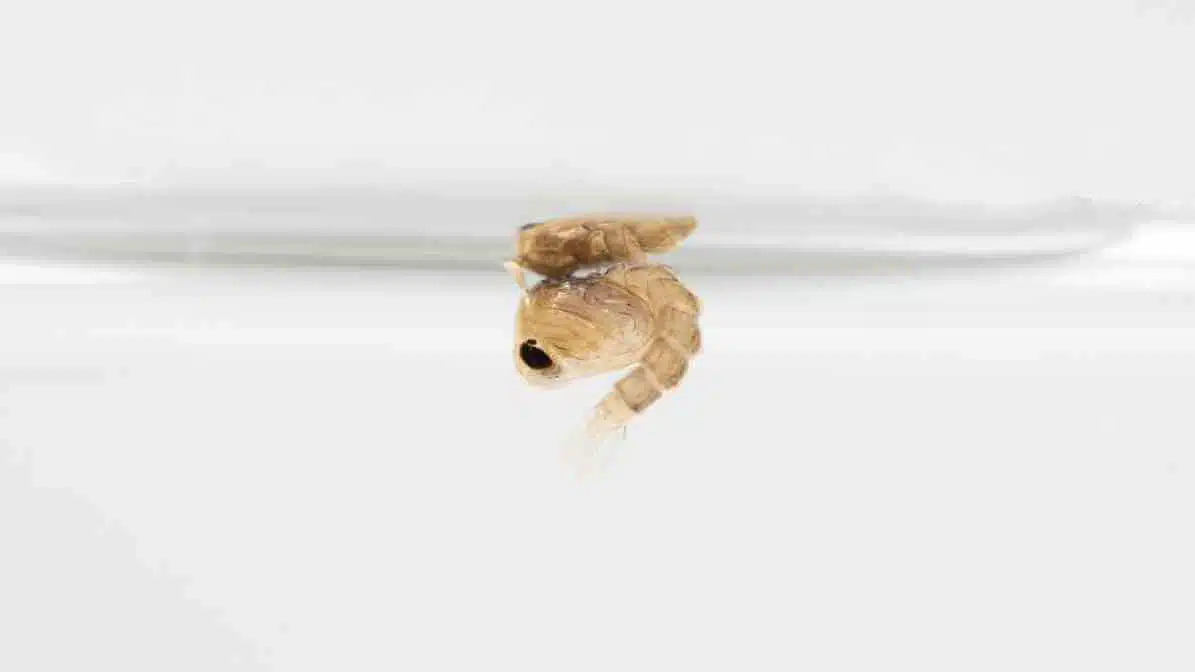
Larva
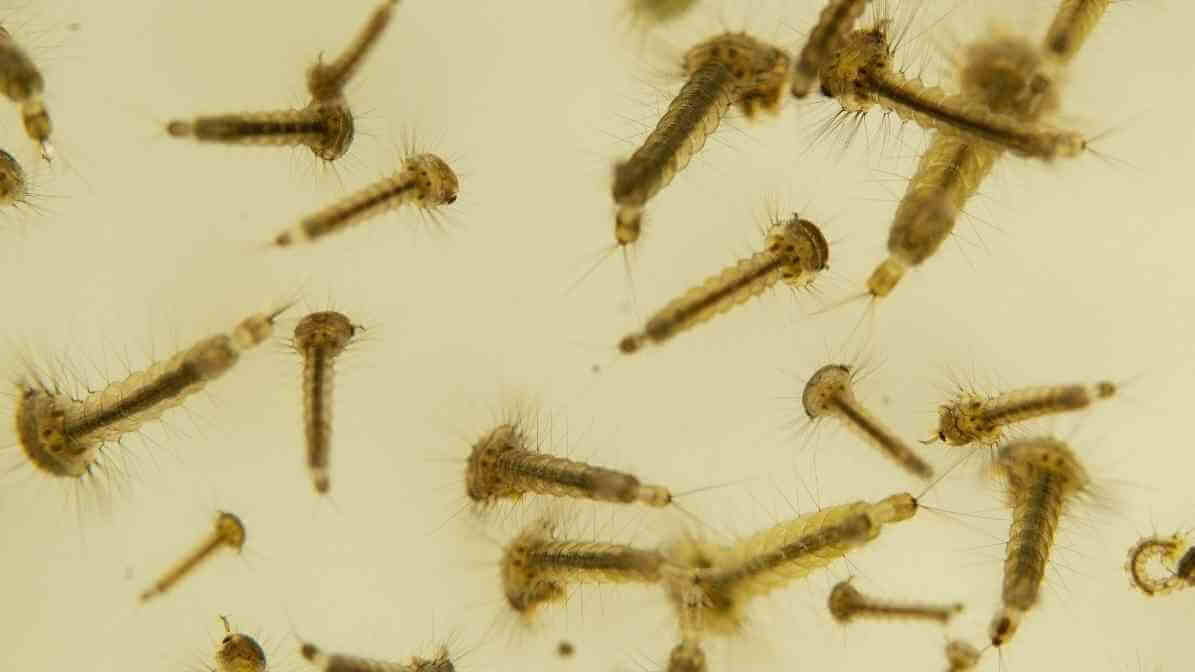
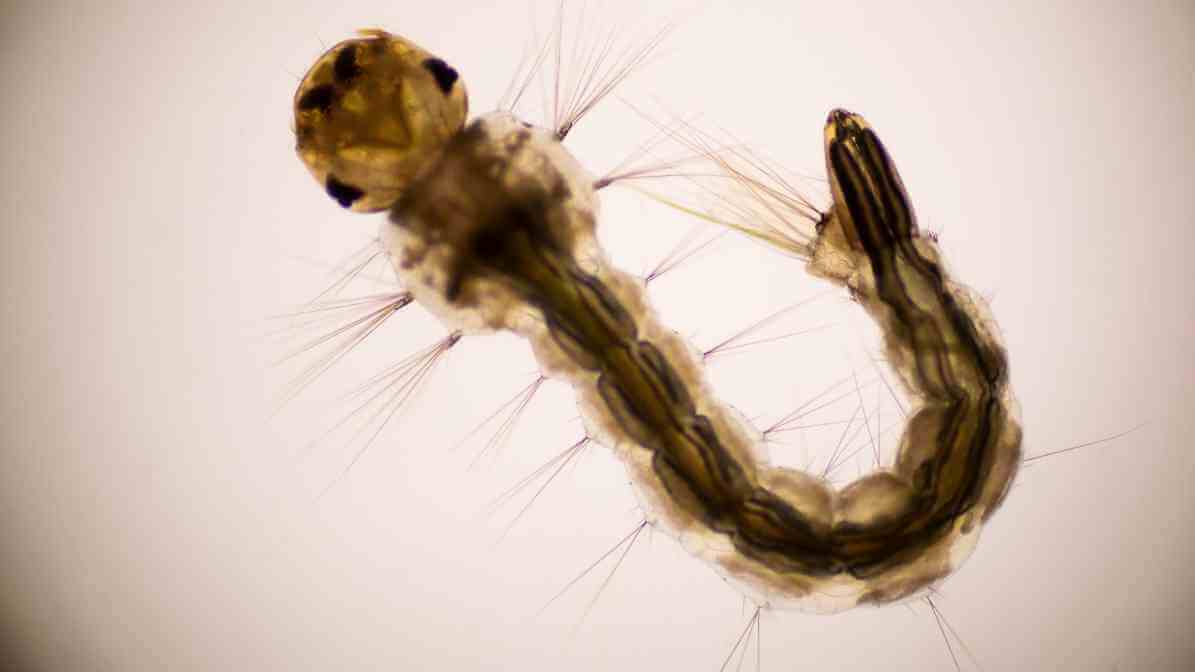
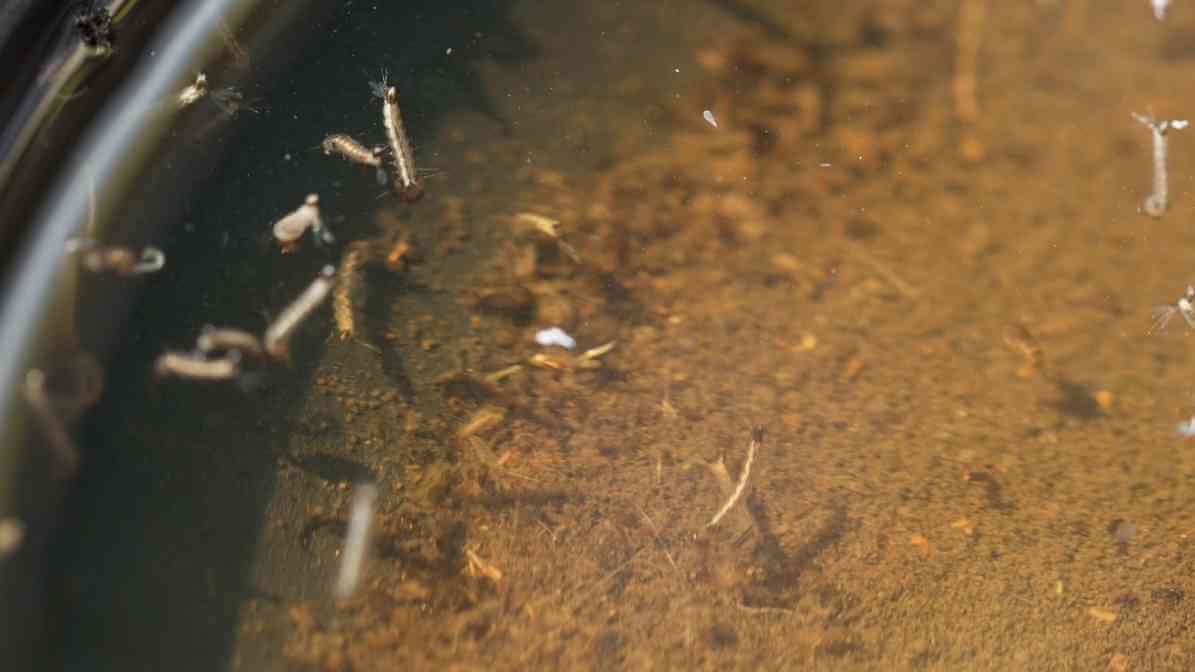
"Wigglers" hatch from eggs and live at the water surface. Feed on microorganisms; grow rapidly over 4–14 days. This is the BTI target stage.
Stage 3
Pupa
"Tumblers" are non-feeding and mobile. Forms wings and adult body parts over 1–4 days before emerging as an adult mosquito.
Stage 4
Adult
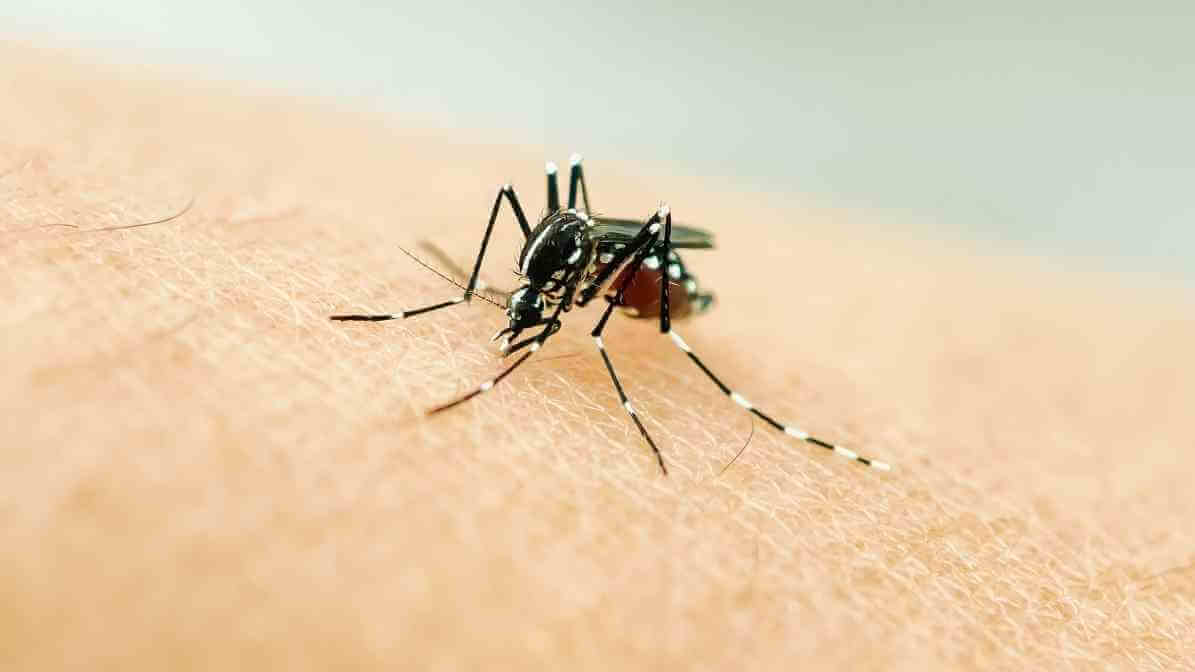
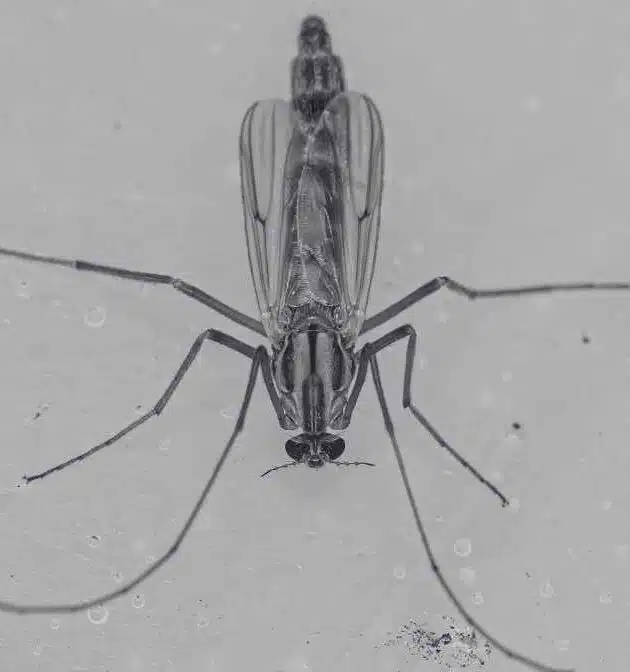
Females take blood meals to develop eggs and can live several weeks — transmitting dengue, Zika and chikungunya with every bite.
Why target the larval stage? Many mosquito control programmes focus on eliminating larvae because it prevents mosquitoes from reaching maturity entirely. Controlling adults only — through adulticides or fogging — kills existing mosquitoes but does nothing to prevent the next generation already developing in breeding sites. BTI addresses this gap directly, halting development before it can restart.
Section 02
How Does BTI Work as a Mosquito Killer?
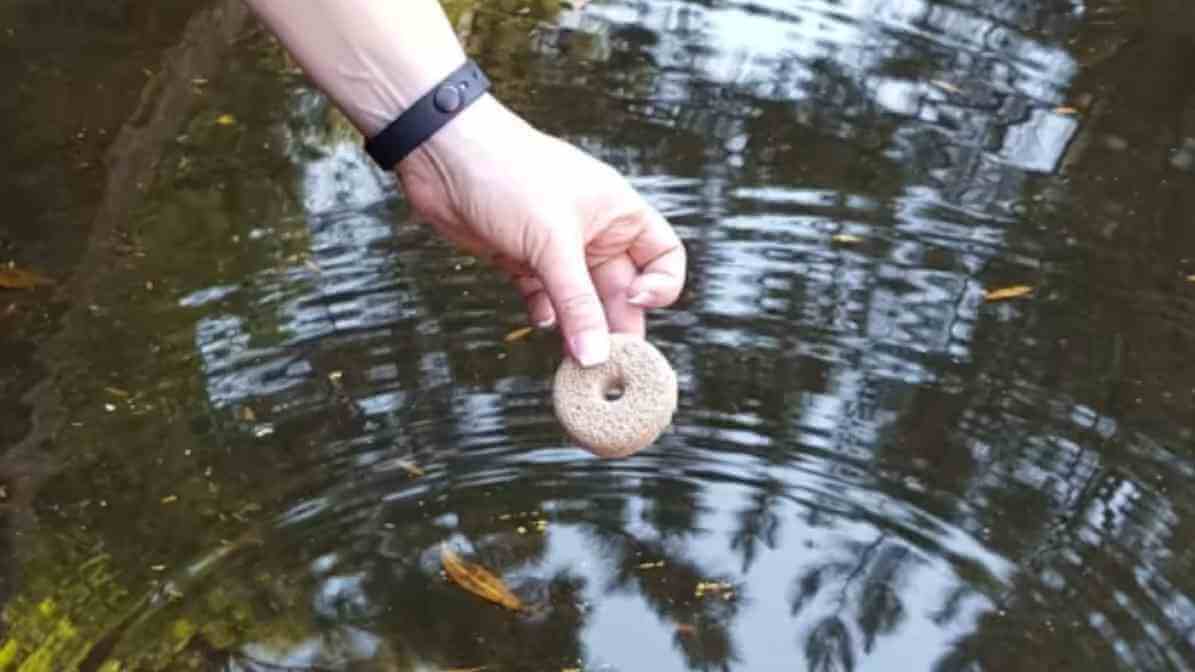
BTI is a naturally occurring soil bacterium that produces protein toxins lethal to mosquito larvae. When applied correctly, BTI granules or dunks dissolve in water, releasing spores and toxins that mosquito larvae ingest while feeding at the water surface:
1
Targeted larval disruption. BTI toxins specifically affect mosquito larvae by disrupting their digestive systems upon ingestion, leading to rapid larval death within hours. The toxins are activated only in the alkaline environment of the larval midgut — making them harmless to other organisms.
2
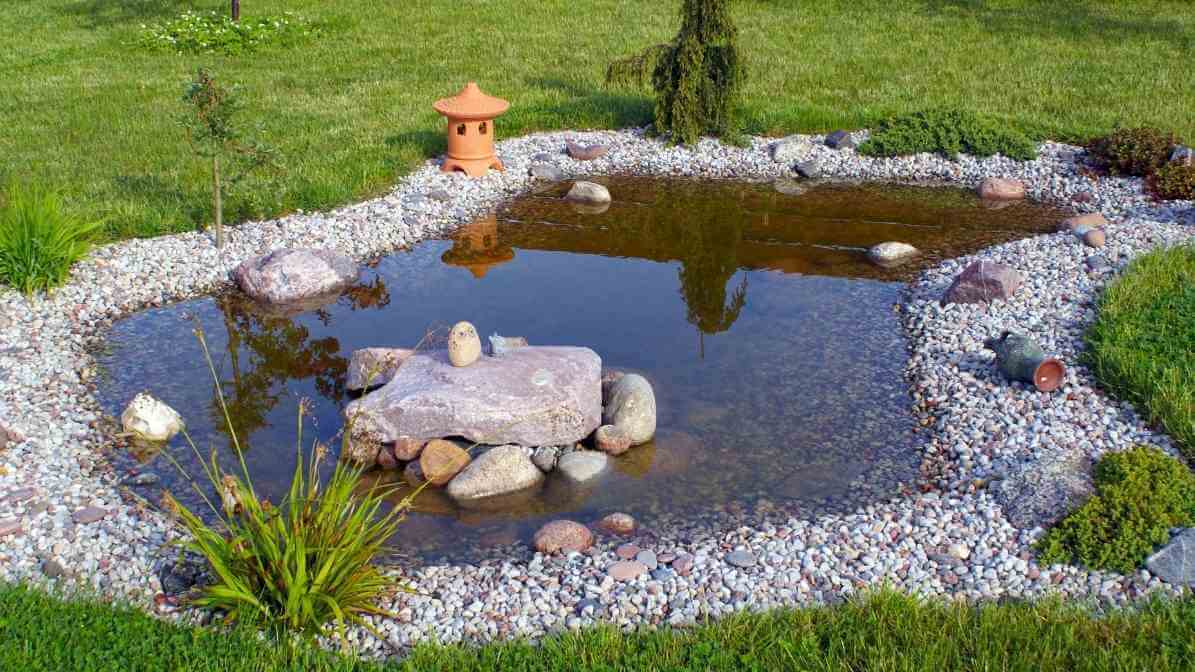
Safe for humans, pets and aquatic life. Unlike chemical insecticides, BTI mosquito treatment does not pollute water sources or harm aquatic life, beneficial insects, birds or pets. This makes it ideal for drinking water reservoirs, birdbaths, fish ponds and school grounds.
3
Versatile application forms. Available as BTI granules, mosquito dunks and concentrated liquid formulations, BTI treatment can be deployed in diverse environments from roof gutters and drains to birdbaths, plant trays and uncovered water containers. Suitable for educational institutions, healthcare facilities, hospitality, housing estates and F&B businesses.
Section 03
How to Apply BTI Mosquito Treatment for Maximum Effect
Effective BTI treatment follows a systematic application process. Each step is critical to ensuring the treatment reaches active larvae and suppresses population development continuously:
Step 1
Identify All Breeding Sites
Check for standing water in plant trays, drains, gutters, uncovered containers and construction sites. Document every water source — BTI must be applied to each active breeding site to be effective. Missing even one site allows larval development to continue uninterrupted.
Step 2
Apply Proper Dosage
Follow manufacturer instructions precisely for BTI granules, dunks or liquid concentrations. Under-dosing reduces effectiveness; over-application is wasteful without improving results. Dosage depends on water volume, temperature and the specific product form being used.
Step 3
Regular Reapplication
Since mosquito eggs can hatch multiple times, regular reapplication is essential for continuous suppression of mosquito larvae. Reapply after heavy rains (which dilute the treatment) and every 2–4 weeks in persistent breeding sites like birdbaths, drains and water storage areas.
Step 4
Ensure Water Surface Contact
BTI toxins need to be in contact with the water surface where mosquito larvae feed to be effective. Ensure granules dissolve fully at the water surface and are not blocked by debris, leaf litter or surface film that could prevent larvae from ingesting the toxin.
Step 5
Avoid Environmental Contamination
Properly dispose of untreated materials and prevent new breeding sites from forming. Do not contaminate drinking water sources with BTI products. Support local disease control and prevention programmes for comprehensive community-wide management.
Professional BTI Mosquito Treatment
Mosquito breeding on your premises?
Our NEA-licensed mosquito specialists identify all breeding sites, apply professional-grade BTI larviciding and deploy ongoing monitoring to halt the mosquito life cycle before it produces biting, disease-spreading adults.
Implementing BTI mosquito control is not only effective but sustainable. It reduces reliance on chemical insecticides, minimises environmental impact and provides a safe solution for sensitive areas:
Breaks the Life Cycle Completely
By targeting the larval stage, BTI prevents mosquitoes from reaching the adult stage. This controls populations at their source, reducing the risk of bites and disease transmission rather than just temporarily reducing adult numbers.
Safe for Humans & the Environment
As a biological mosquito agent, BTI is non-toxic to drinking water, wildlife and beneficial insects like bees. Especially suitable for residential areas, parks and water bodies where chemical insecticides would be inappropriate or illegal.
Cost-Effective & Easy to Deploy
Compared to chemical insecticides, BTI granules and mosquito dunks are affordable and simple to deploy. Regular application maintains long-term suppression of mosquito breeding, saving costs associated with healthcare and vector-borne disease outbreaks.
Supports Disease Prevention
The strategic use of BTI mosquito products aligns with national and community goals for disease control and prevention — particularly in Singapore with its dense urban landscape and year-round standing water accumulation in tropical conditions.
Section 05
Protecting Your Home & Community
By combining these measures with BTI treatment, Singapore effectively manages mosquito populations and reduces outbreak risks. Public health agencies and private pest control services recommend an integrated approach:
Remove standing water regularly — empty all containers, trays and gutters after rain
Use mosquito killer devices and outdoor fans to deter adult mosquitoes
Apply BTI mosquito treatment in persistent breeding hotspots where water cannot be removed
Install window screens and mosquito nets in sleeping and living areas
Educate neighbours and building occupants about the importance of controlling mosquito breeding sites
Engage a professional NEA-licensed pest control service for routine inspection and larviciding
Section 06
Frequently Asked Questions
Yes. BTI is one of the few mosquito control treatments proven safe for fish, amphibians, birds and other aquatic organisms. Because the BTI toxin is only activated in the alkaline environment of mosquito larval digestive systems, it has no effect on organisms without this specific biological pathway. This makes it ideal for birdbaths, ornamental ponds and garden water features where chemical larvicides would be harmful to existing wildlife. Always follow the product's specific dosage instructions to avoid unnecessary over-application.
BTI mosquito dunks typically remain effective for up to 30 days in standing water under normal conditions. However, heavy rainfall significantly dilutes the treatment and reduces its effectiveness, requiring earlier reapplication. BTI granules dissolve faster and may require reapplication every 7–14 days depending on water volume and weather. In Singapore's climate, reapplying after every significant rainfall event and maintaining a regular 2–4 week application schedule ensures continuous larval suppression throughout the monsoon season.
Yes — and this combined approach is more effective than either method alone. Adulticide fogging rapidly reduces the existing adult mosquito population responsible for current bites and disease risk. BTI larviciding simultaneously targets the next generation developing in breeding sites. Without larviciding, fogging provides only temporary relief as new adults continue to emerge from untreated breeding water. A professional NEA-licensed mosquito control programme typically combines both methods with ongoing monitoring to ensure comprehensive, sustained population suppression.
Written by
Leia Rassid
Content Specialist • Innovative Pest Management
Pest control content specialist at Innovative Pest Management. Leia writes practical identification and prevention guides to help Singapore homeowners and businesses stay pest-free.
Break the Mosquito Life Cycle Before It Breaks Your Health.
Controlling mosquito populations requires understanding their life cycle and implementing targeted BTI mosquito treatment. Our NEA-licensed specialists apply professional-grade BTI larviciding, identify all breeding sites and combine it with fogging and ongoing monitoring — providing comprehensive, science-based mosquito population control that protects your family, staff and community.
I am committed to turning complex pest-management insights into clear, practical information that anyone can understand. Through my work, I aim to empower homeowners and businesses to make informed decisions that protect their health, property and environment.