Home›Pest Blog›Midges vs Mosquitoes: Bites & Control
FliesPest Identification
Midges vs Mosquitoes: Bites, Differences & Effective Control
Midges and mosquitoes look nearly identical at a glance — both are tiny flying insects that bite and breed in standing water. But they behave differently, bite differently and require different control strategies. This guide covers exactly how to tell them apart, what their bites mean and the most effective ways to manage both in Singapore's humid climate.
Innovative Pest Management
|Updated October 2025|10 min read|NEA Licensed
<5mm
Typical midge body size — smaller than a mosquito
0
Diseases midges transmit in Singapore (unlike mosquitoes)
6
Key differences between midges and mosquitoes
NEA
Licensed mosquito & fly control specialists
In Singapore's tropical climate, midges and mosquitoes are both year-round nuisances. Both are tiny, both bite and both breed around water — but the diseases they carry (or don't carry), the treatments required and even the shape of their bites are completely different. Using mosquito control methods on a midge problem, or vice versa, wastes time and resources while the infestation grows. Correct identification is the foundation of effective control.
Key Takeaways
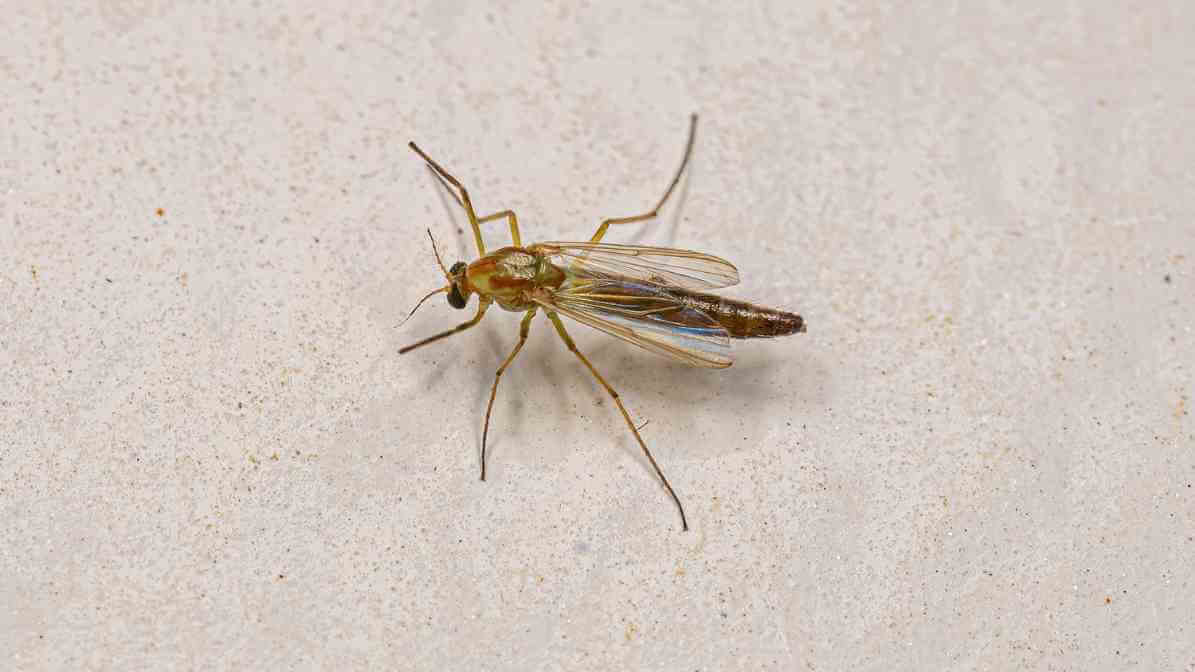
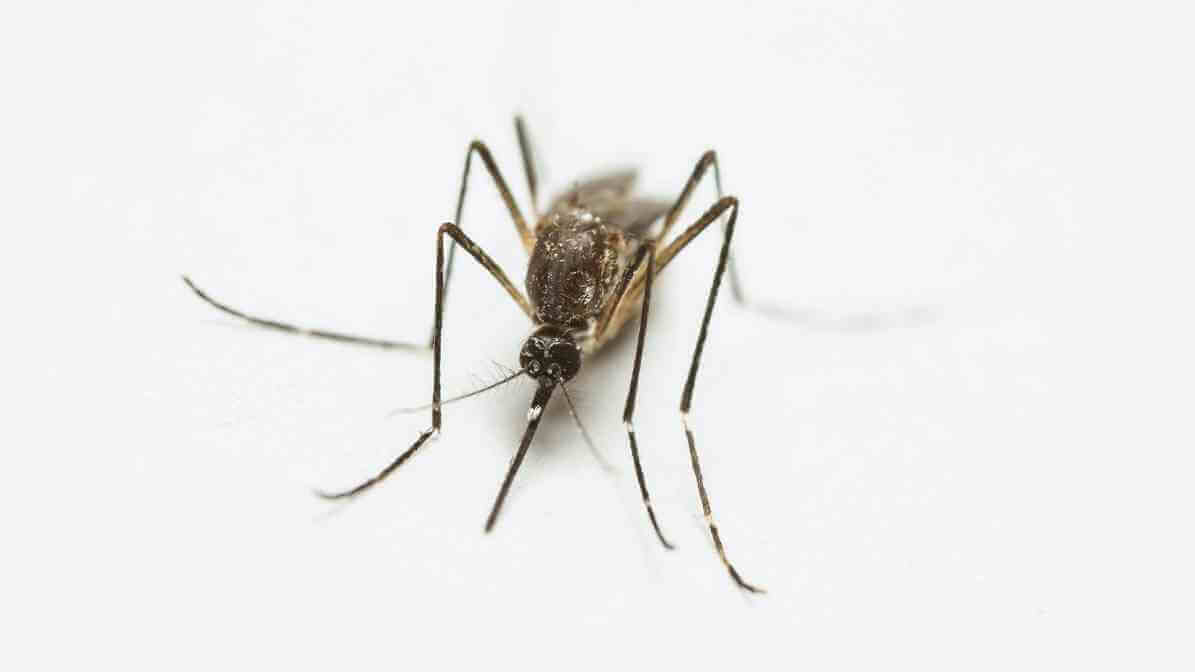
✓Midges are smaller (<5mm), with patterned wings; mosquitoes are larger (4–6mm) with a long proboscis — the proboscis is the fastest visual identifier.
✓Midge bites produce intense, small itchy bumps; mosquito bites produce larger, swollen welts that may transmit dengue, Zika or chikungunya.
✓Both breed in standing water but midges prefer organic-rich, stagnant water; mosquitoes breed in cleaner water sources like plant trays and roof gutters.
✓Eliminating breeding sites, applying targeted larvicides and professional IPM treatment controls both species effectively and simultaneously.
Section 01
What Are Midges? Biology & Characteristics
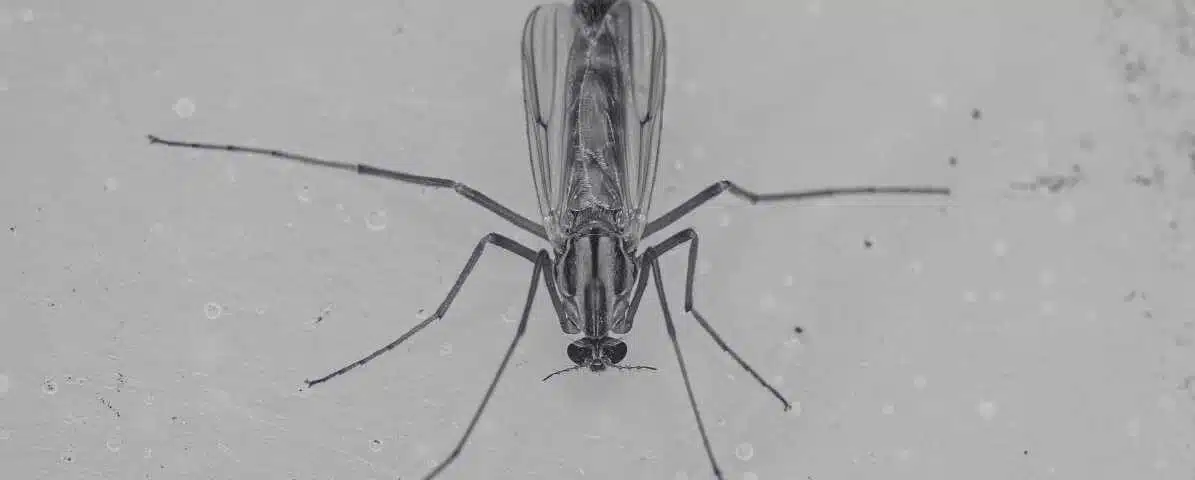
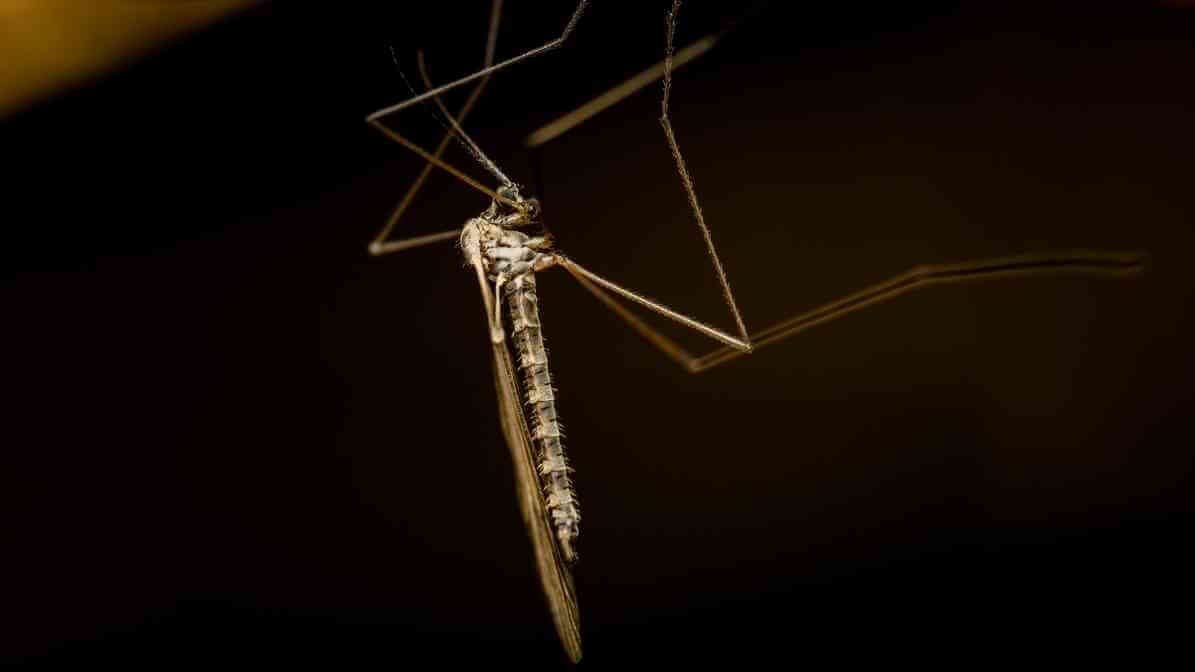
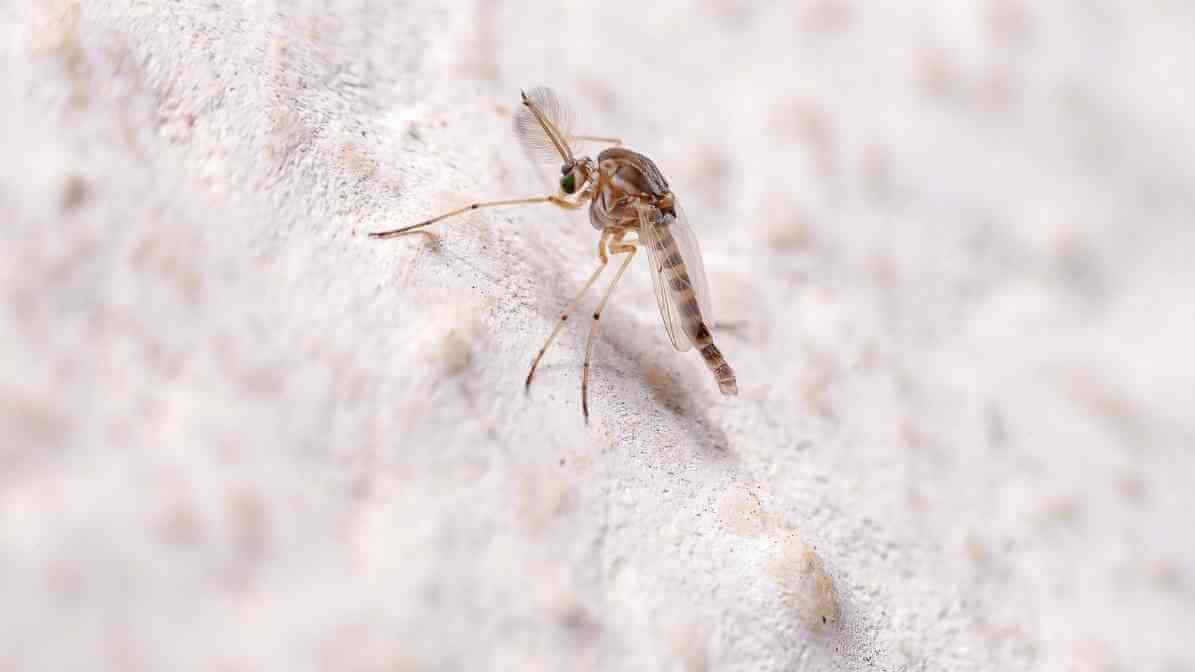
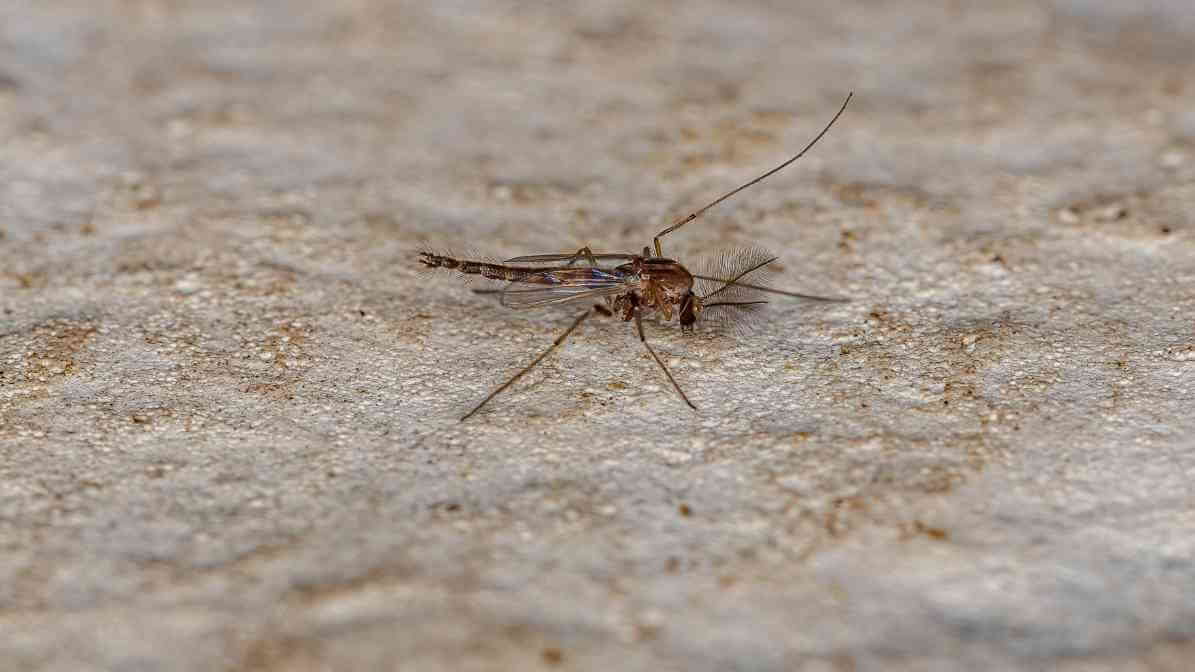
Midges belong to the family Chironomidae within the order Diptera — the same order as mosquitoes and houseflies. They are often called "tiny flies" due to their small size, generally under 5mm, and delicate appearance. Unlike mosquitoes, only female midges bite, and this is relatively rare — male midges are harmless and are primarily involved in mating swarms near water bodies at dawn and dusk.
Physical Traits
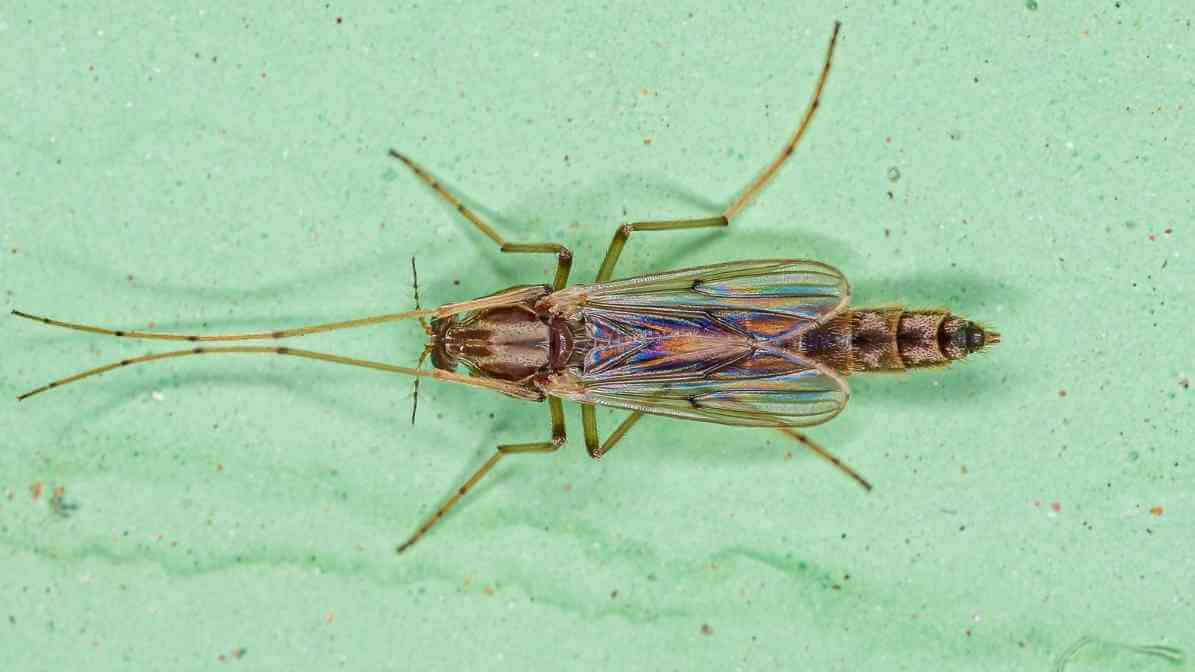
●Small and slender body — typically under 5mm long
●Small red or dark eyes; patterned or spotted wings
●No proboscis — the key visual difference from mosquitoes
●Wings flutter rapidly; often form large visible swarms
Life Cycle Stages
●Egg: Laid in standing water or organic debris near water
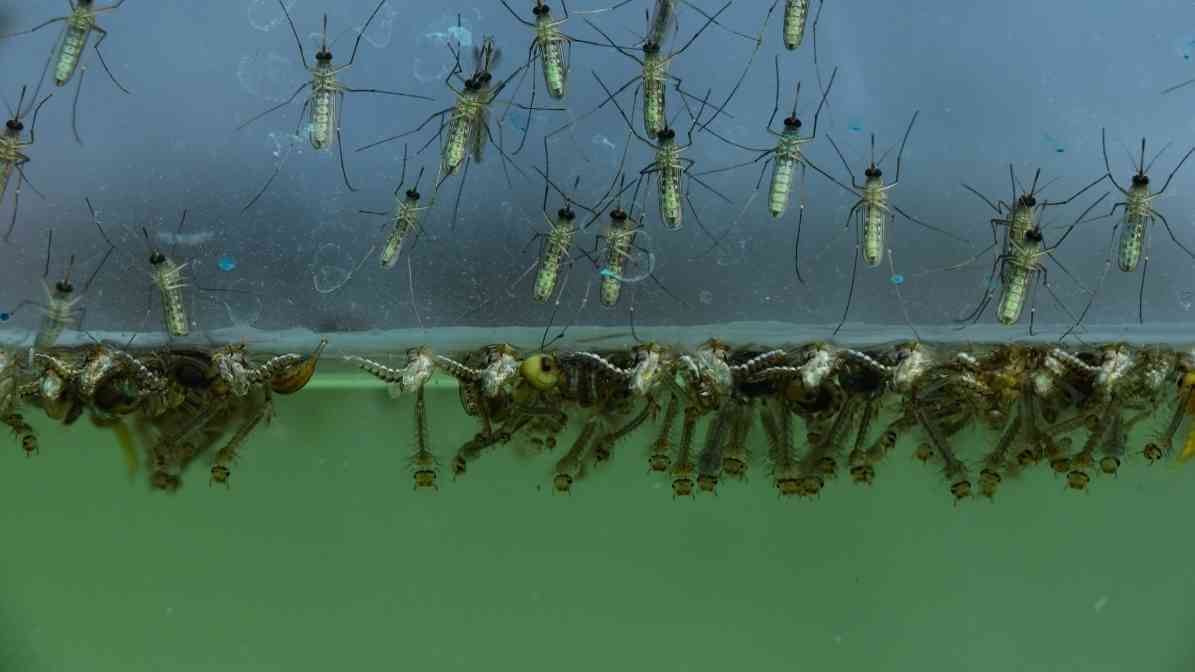
●Larva: Aquatic, feeds on organic matter in water sediment
●Pupa: Transitions to adult form in the water surface
●Adult: Emerges as a flying insect; most active at dawn & dusk
Section 02
Midges vs Mosquitoes: 6 Key Differences
Both belong to the order Diptera and share habitats — but six critical differences determine which pest you are dealing with and which control strategy applies:
Midge
Size & Appearance
Under 5mm. Slender body, small red or dark eyes. Patterned or spotted wings. No proboscis. Often mistaken for a baby mosquito.
Mosquito
Size & Appearance
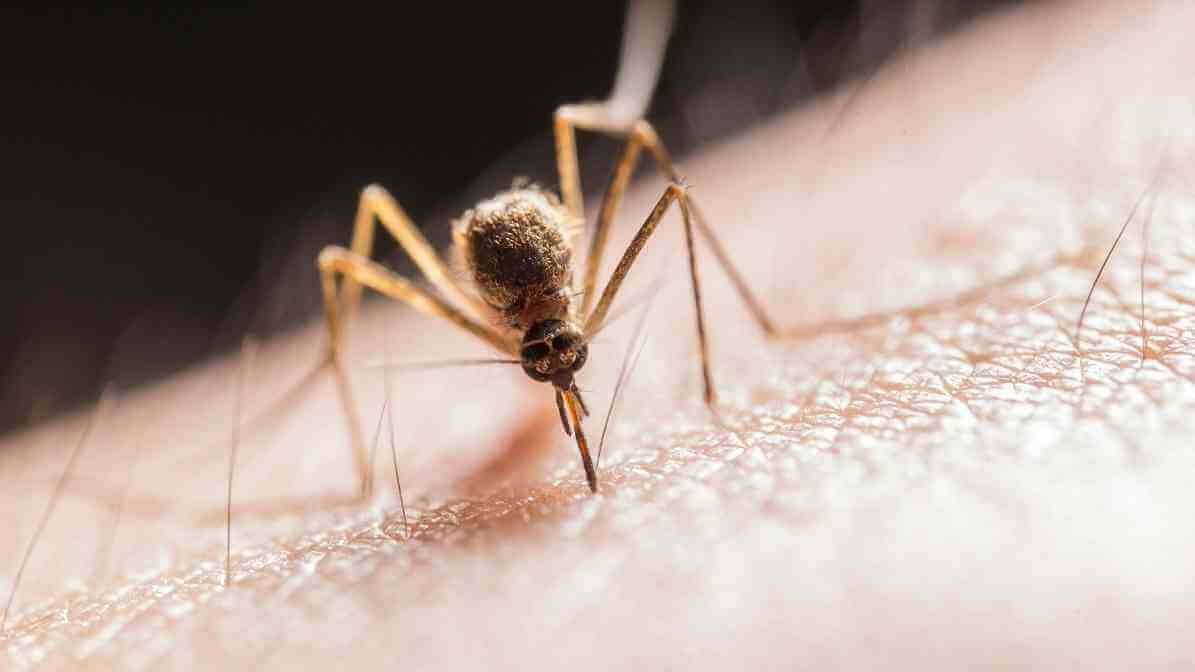
4–6mm. Robust body with long legs and a distinctive long proboscis (needle-like biting organ). Spotted or plain wings. Longer legs visible at rest.
Midge
Behaviour & Activity
Most active at dawn and dusk. Swarm near breeding sites around organic-rich water bodies. Males do not bite at all. Females bite occasionally for blood to develop eggs.
Mosquito
Behaviour & Activity
Active at dawn and dusk; some species also active indoors throughout the day. Females always bite for blood meals — biting is essential for egg development, not occasional.
Midge
Biting & Skin Reaction
Small, intensely itchy red bumps. Generally less painful than mosquito bites. Allergic reactions may cause localised swelling. Treat with antihistamine cream or calamine lotion.
Mosquito
Biting & Skin Reaction
Larger, more painful welts that may develop into hives. Significant itching and swelling. Susceptible individuals may have strong allergic reactions. Bites are a disease transmission vector.
Midge
Disease Transmission
No known disease transmission in Singapore. Some exotic species carry pathogens in specific regions globally, but midges in Singapore are primarily a nuisance pest — not a disease vector.
Mosquito
Disease Transmission
Major public health threat. Mosquitoes transmit dengue fever, Zika, chikungunya and malaria. NEA actively monitors and controls mosquito populations in Singapore due to this risk.
Midge
Breeding Sites
Prefer organic-rich, stagnant water: pools of organic debris, clogged drains with sediment, moist soil near water bodies. Dense swarms near these sites are often the first indicator.
Mosquito
Breeding Sites
Prefer cleaner standing water: flower pot trays, uncovered water containers, roof gutters, potholes and tree holes. Aedes mosquitoes breed even in small amounts of clear water.
Midge
Control Methods
Focus on reducing organic matter around standing water, cleaning drains and drainage channels. Oil of lemon eucalyptus repels biting females. Reducing organic debris eliminates the primary breeding habitat.
Mosquito
Control Methods
Eliminate standing water breeding sites, apply larvicides (BTI), use insect repellents and mosquito traps. Wolbachia-infected mosquito releases are becoming an effective population suppression method.
Section 03
5 Control Strategies: Managing Midges & Mosquitoes
An Integrated Pest Management (IPM) approach — combining identification, monitoring, habitat removal and targeted treatment — delivers the most effective and sustainable results for both pests:
Step 1
Accurate Species Identification
Confirming whether you are dealing with midges or mosquitoes determines the entire control strategy. Look for the proboscis on mosquitoes and the swarming behaviour and patterned wings of midges. Misidentification leads to ineffective treatment and persistent problems.
Step 2
Routine Monitoring & Inspection
Regular inspection of potential breeding sites — especially in standing water, clogged drains, plant trays and water containers — identifies activity before populations establish. Weekly monitoring is recommended in residential and commercial premises near water bodies.
Step 3
Eliminate Breeding Sites
Regularly empty plant pot trays, cover water storage containers, clean clogged drains and eliminate pooling water after rain. For midge-specific habitats, remove organic debris and sediment from drainage channels. This is the highest-impact action for both pests.
Step 4
Larvicides & Trapping
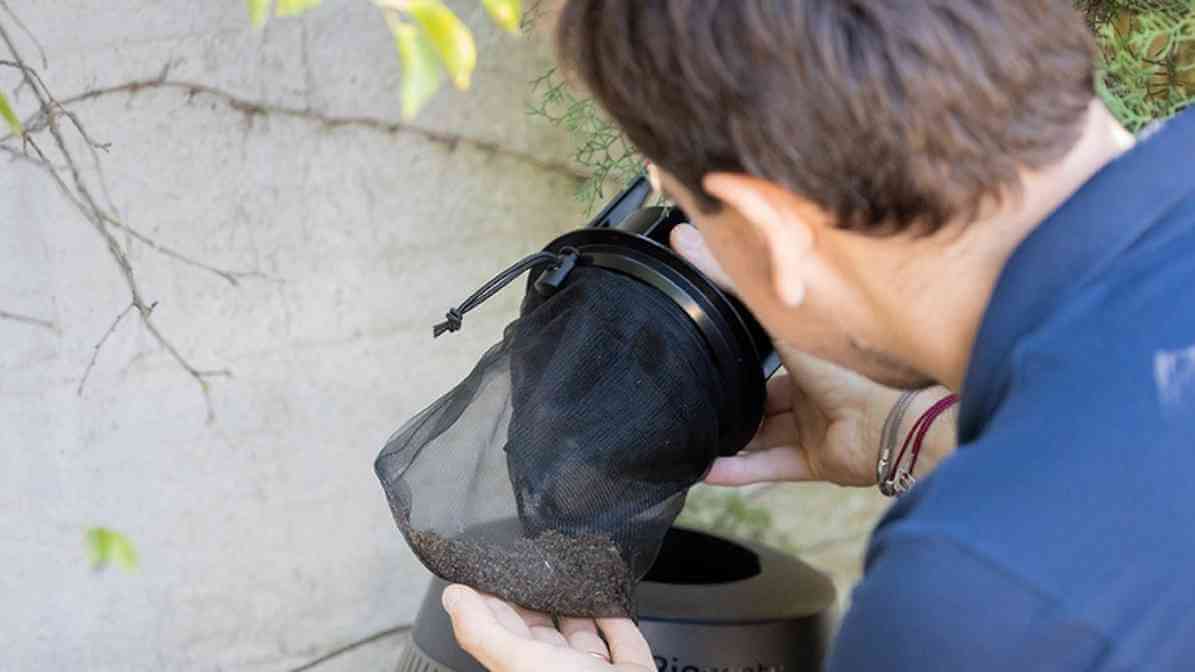
Apply BTI larvicides in persistent breeding sites where water cannot be removed. Deploy mosquito traps for population monitoring and adult reduction. UV light traps and CO² attractant traps are effective for both midges and mosquitoes in outdoor environments.
Step 5
Personal Protective Measures
During dawn and dusk peak activity periods, wear long sleeves, use insect repellent containing DEET or oil of lemon eucalyptus, and install window and door screens. For outdoor events near water, consider misting fan systems or citronella-based spatial repellents. These measures significantly reduce bites from both midges and mosquitoes without relying solely on chemical treatment.
Mosquito & Midge Control Singapore
Persistent swarms or bites around your property?
Our NEA-licensed specialists identify the exact species, locate all breeding sites and deploy targeted larviciding, trapping and exclusion strategies. Same-day service available.
Eliminating breeding sites is the highest-impact action you can take against both midges and mosquitoes. Both species depend on standing water for reproduction — remove it and you remove the population at its source:
Empty flower pot trays, water containers, gutters and unused tyres regularly
Cover all water storage containers with secure, fitted lids
Clean clogged drains and remove pooling water after every rainfall
Apply larvicides to persistent standing water where drainage is not possible
Maintain drainage to prevent stagnant water accumulation after rain
Plant citronella, lemongrass or marigolds near outdoor seating to deter biting insects naturally
Section 05
Frequently Asked Questions
Midge bites tend to be smaller, more intensely itchy and appear in clusters where the midge landed — often in groups of several bites close together on exposed ankles, arms and neck. Mosquito bites are typically larger individual welts that appear singly or in smaller clusters. If the bite site is near a water body at dawn or dusk and the bites are in tight clusters, they are more likely from midges. If the bites are isolated large welts and you were indoors or away from water, mosquitoes are more likely. The absence of a visible puncture mark is another indicator of midge bites.
No. Midges found in Singapore (family Chironomidae) are not known to transmit dengue, Zika, chikungunya or any other disease to humans in this region. They are primarily a nuisance pest — their bites cause discomfort and allergic reactions in sensitive individuals, but they do not pose a disease transmission risk in Singapore's context. This is a critical difference from mosquitoes and means that midge infestations, while annoying, do not require the same urgent public health response as mosquito infestations.
Sudden swarms of tiny flies at dawn or dusk near your home or office almost always indicate midges, not mosquitoes. Midges form large mating swarms near their breeding sites — typically near drains, water features, clogged gutters or organic-rich water bodies. The swarm is the male midge population, which does not bite. The presence of a swarm means there is an active breeding site within close proximity. Inspect all drains, water features and drainage channels within 50 metres of the swarm location. Cleaning these areas and reducing organic debris will typically resolve the problem within 1–2 breeding cycles (1–2 weeks).
Written by
Leia Rassid
Content Specialist • Innovative Pest Management
Pest control content specialist at Innovative Pest Management. Leia writes practical identification and prevention guides to help Singapore homeowners and businesses stay pest-free.
Whether you are dealing with biting midges around a drain or a mosquito population threatening your premises with dengue risk, our NEA-licensed specialists deliver rapid species identification, breeding site elimination and targeted treatment that resolves the problem correctly from the first visit.
I am committed to turning complex pest-management insights into clear, practical information that anyone can understand. Through my work, I aim to empower homeowners and businesses to make informed decisions that protect their health, property and environment.