Powerful Tips to Detect and Stop Fruit Fly Infestation
Fruit flies breed fast, hide in plain sight and thrive in Singapore's tropical heat. A single rotting piece of fruit can trigger a full infestation within days. This guide covers the complete life cycle, the five key warning signs, what attracts them to your property and the proven control strategies that actually work.
Innovative Pest Management
|Updated October 2025|10 min read|NEA Licensed
48 hrs
Time for fruit fly eggs to hatch in warm conditions
400+
Eggs a single female can lay in her lifetime
8–14
Days from egg to adult fruit fly
NEA
Licensed fly control specialists
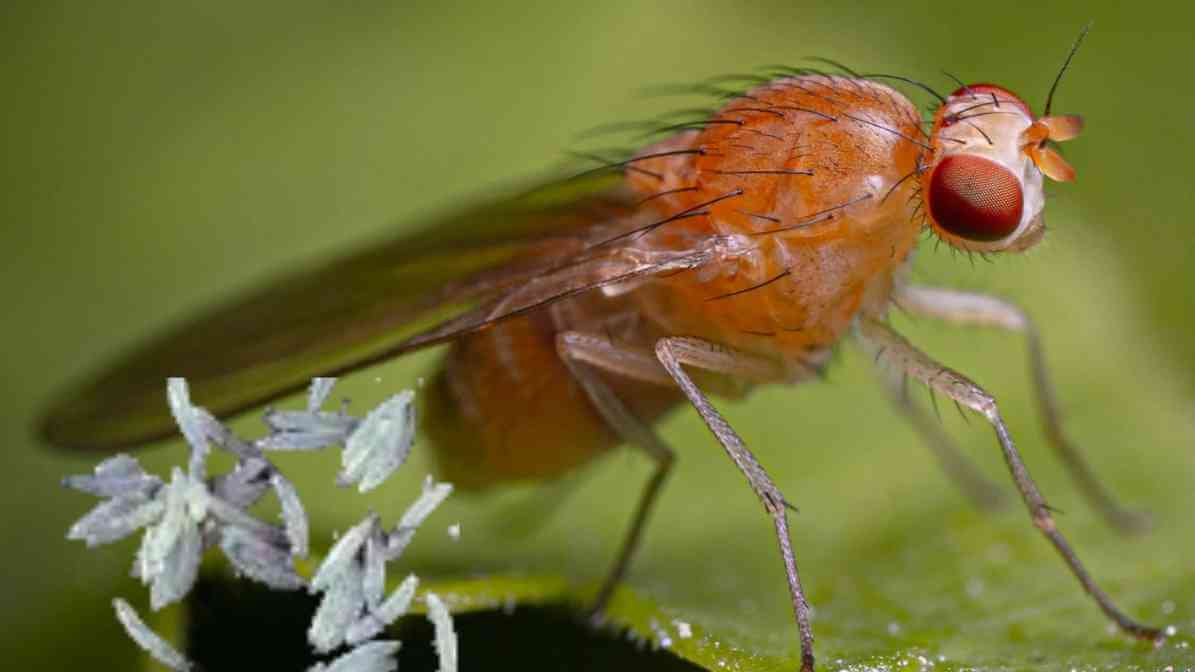
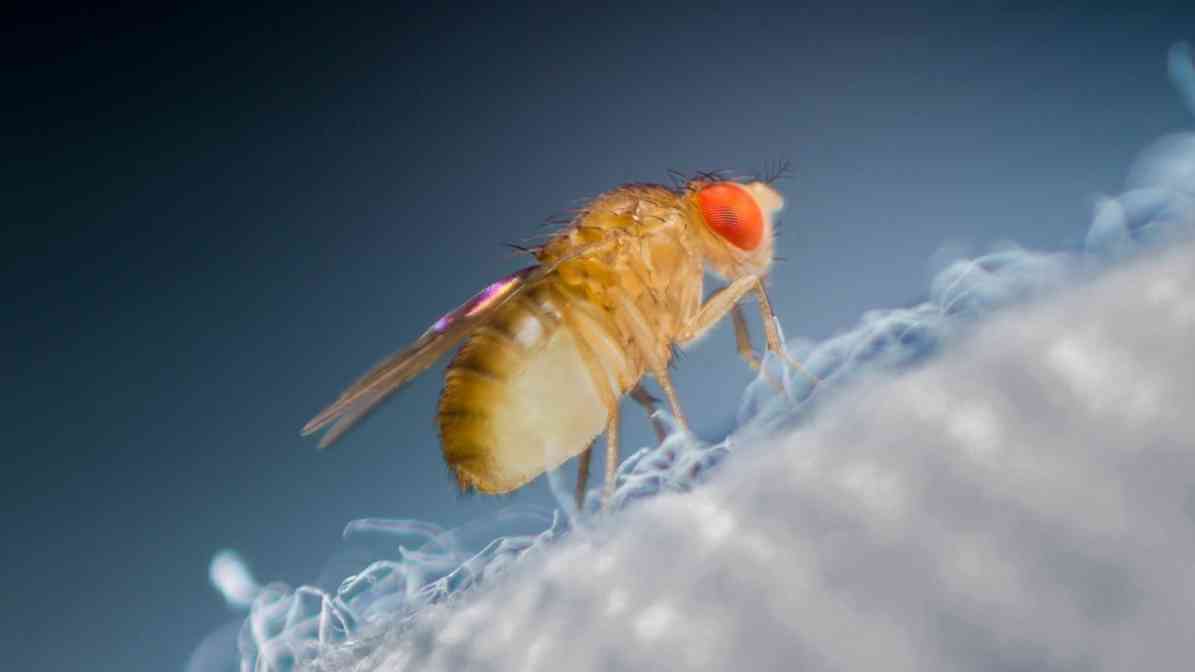
Fruit flies — particularly Drosophila melanogaster — are among the most persistent pests in Singapore kitchens, hawker centres and food businesses. Their ability to appear seemingly out of nowhere and multiply rapidly makes them a major hygiene challenge. The key to eliminating them lies in understanding what drives their life cycle, recognising the early warning signs and targeting their breeding sources directly — not just the adults you can see.
Key Takeaways
✓Fruit fly eggs hatch in as little as 48 hours and the entire egg-to-adult life cycle completes in just 8–14 days, allowing populations to explode rapidly if the breeding source is not eliminated.
✓The five critical signs of infestation are: regular fly sightings, visible larvae, organic matter build-up, unpleasant odours from drains and visible eggs on overripe produce.
✓Overripe fruit, uncovered organic waste, dirty drains, food spills and moisture are the primary attractants — removing them eliminates most breeding opportunities.
✓InnoFly UV light traps, thorough sanitation, biological controls and targeted professional treatment deliver the most effective and lasting results for F&B businesses.
Section 01
Understanding the Fruit Fly Life Cycle
Fruit flies are notorious for their explosive reproductive rate. Female fruit flies typically lay eggs on or near rotting fruits and vegetables, with each female capable of depositing up to 400 eggs during her 40–50 day lifespan. Understanding each stage of the life cycle explains why targeting breeding sources — not just adult flies — is the only effective long-term solution:
Stage 1
Egg
Tiny, white, oval-shaped eggs laid in moist organic material or directly on overripe fruit. Hatch in just 24–48 hours.
Stage 2
Larva (Maggot)
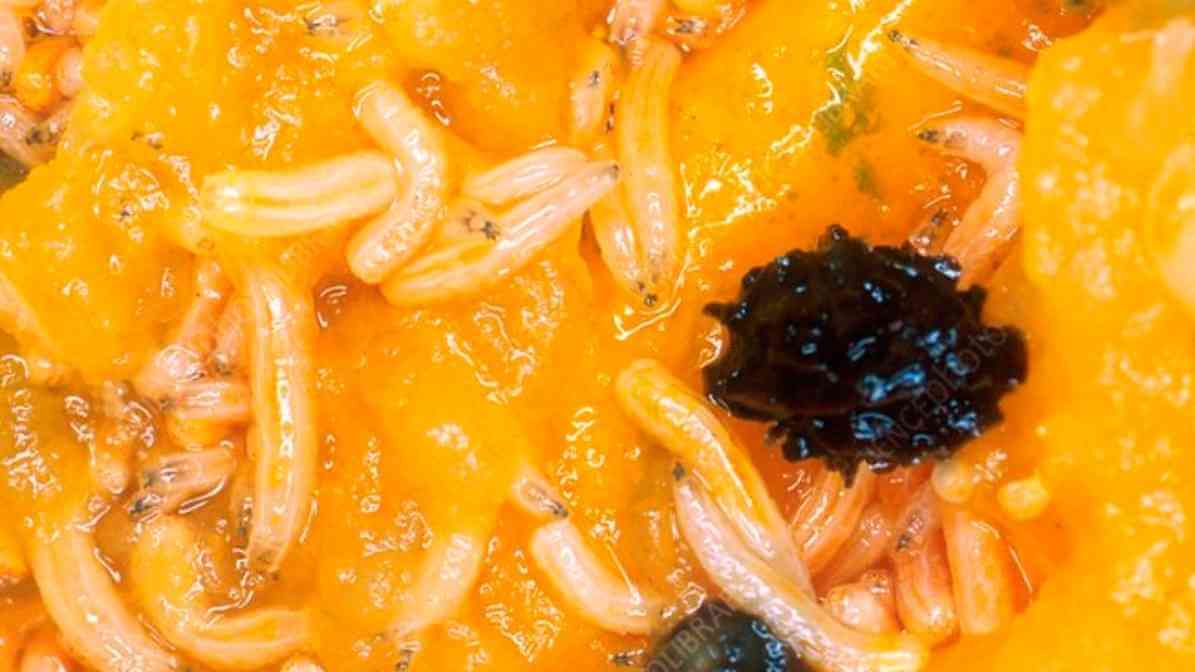
Worm-like larvae hatch and immediately begin feeding on fermenting organic material. Active for 3–4 days before pupating.
Stage 3
Pupa
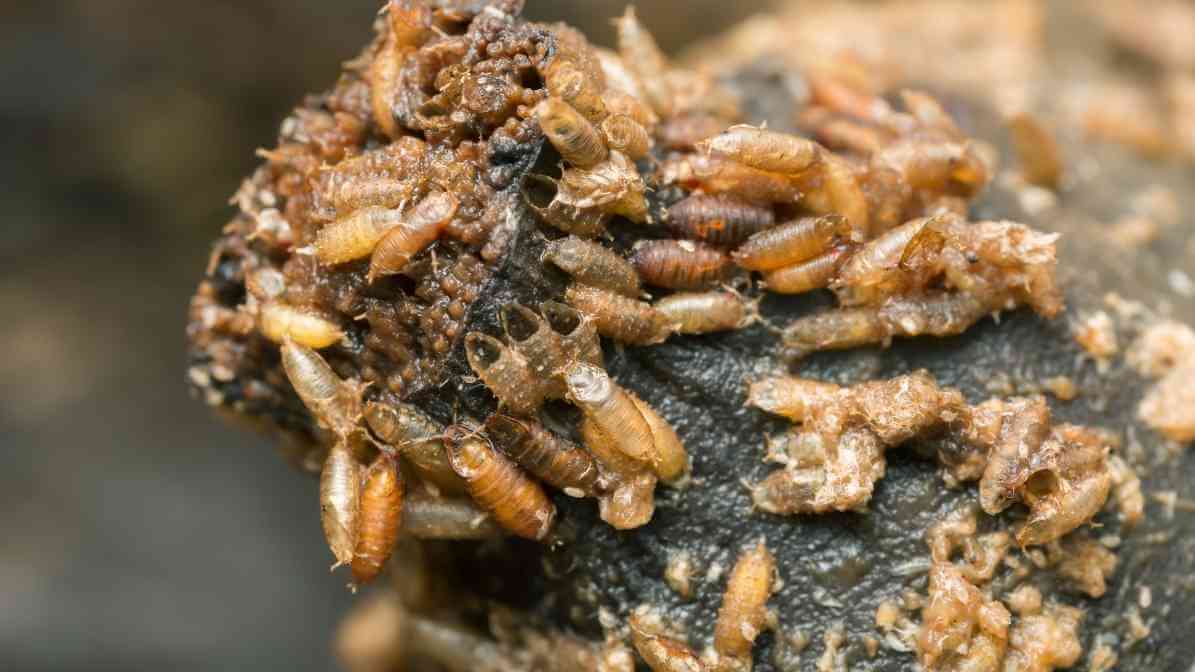
Larvae form a hardened cocoon in dry, nearby substrate. Metamorphosis occurs over 4–5 days before adult emergence.
Stage 4
Adult
Adults emerge, are sexually mature within hours and immediately begin seeking breeding sites. The cycle restarts within 24 hours of emergence.
Why fruit flies are so hard to eliminate: The entire life cycle — egg to reproducing adult — completes in just 8–14 days under Singapore's warm, humid conditions. This rapid cycle means that unless breeding sources are removed, eliminating adult flies only provides temporary relief. New adults emerge continuously from hidden larval sites inside drains, under produce and in organic waste residues.
Section 02
5 Signs of a Fruit Fly Infestation to Detect Early
Early detection is your most valuable tool. Catching these five signs before a population becomes established gives you a much better chance of solving the problem with DIY methods alone, without requiring professional intervention:
Sign 1
Regular Fly Sightings
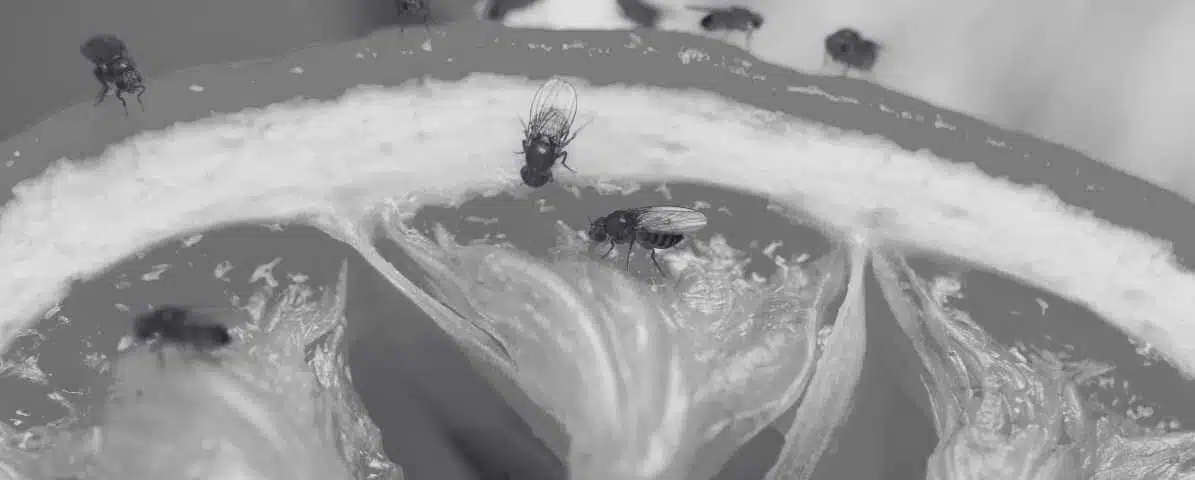
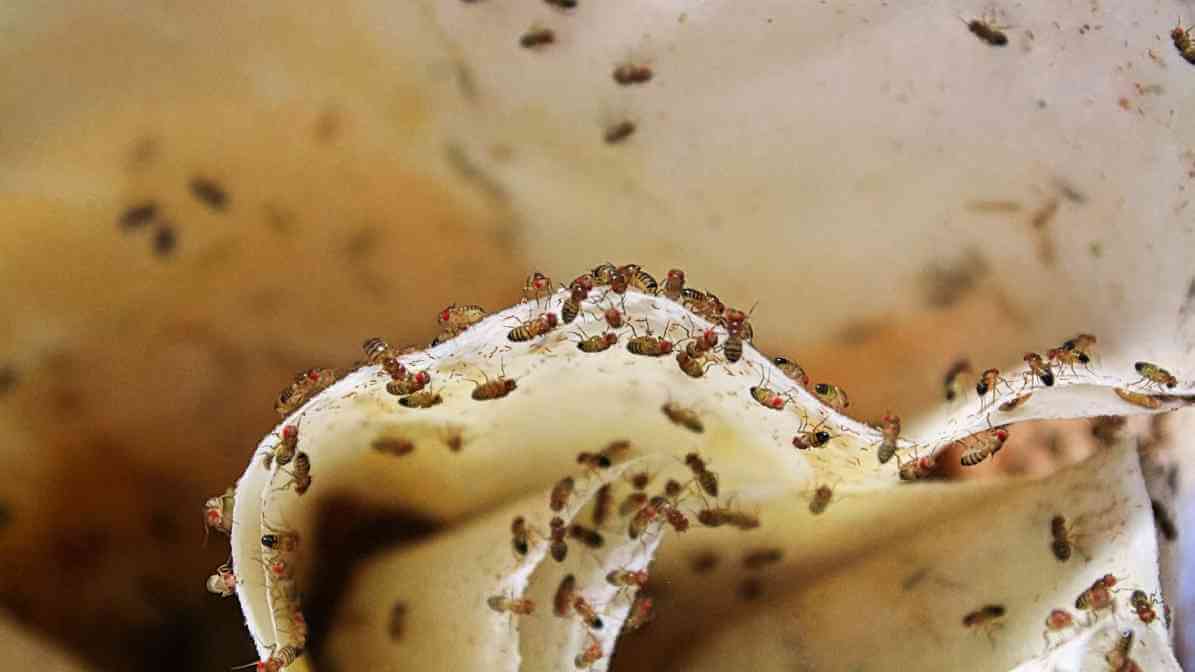
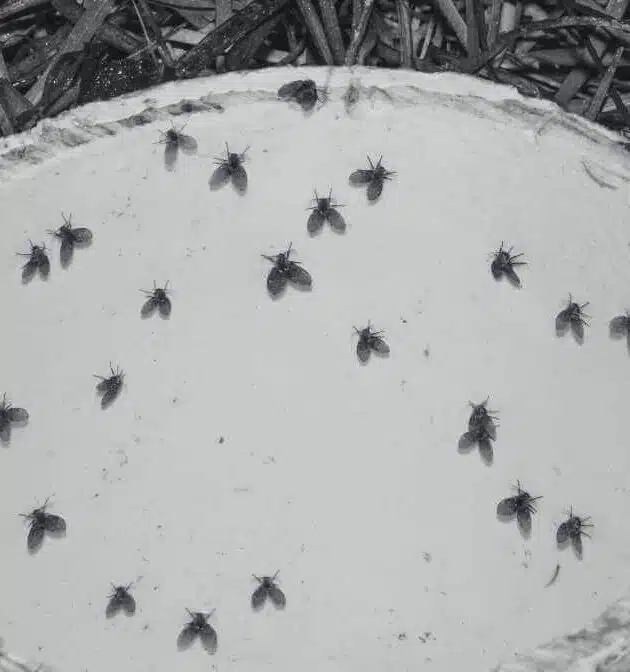
A sudden increase in tiny flies hovering around your fruit bowl, kitchen sink, trash bins or drains is the most obvious early indicator. Fruit flies rarely travel far from their breeding source — if you see them consistently in one area, the breeding site is close.
Sign 2
Visible Larvae
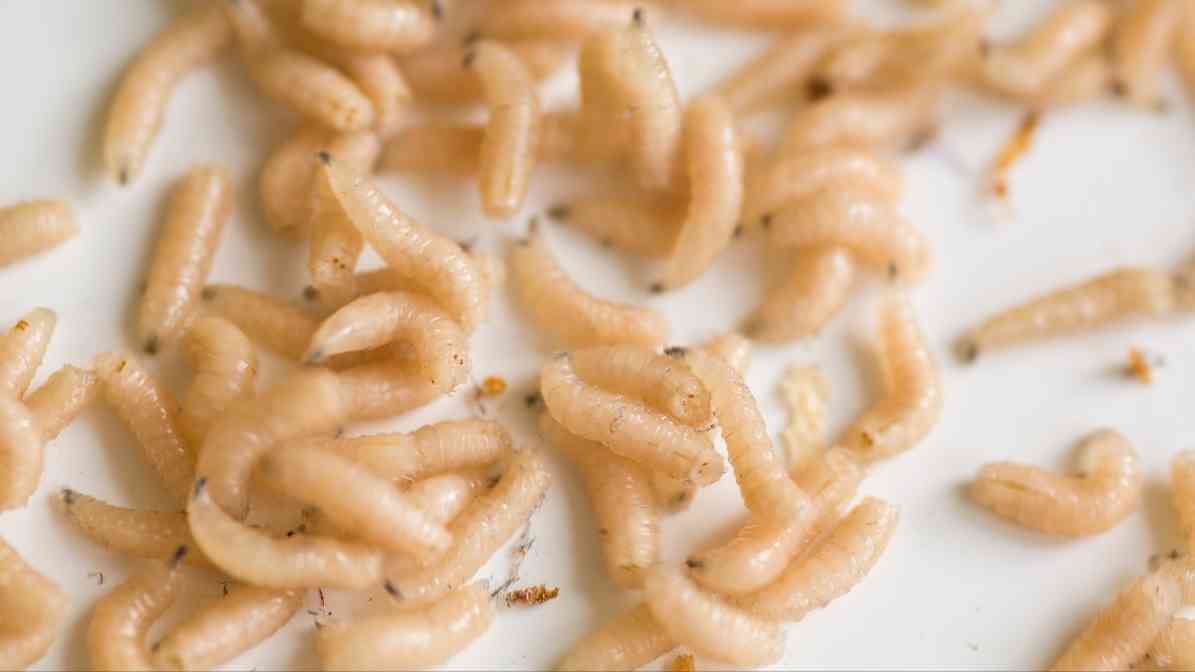
Tiny worm-like maggots crawling on the surface of overripe fruits, vegetables, beneath sinks or near drainage areas confirm active breeding. If you see larvae, the infestation has already progressed past the initial stage and requires immediate action.
Sign 3
Organic Matter & Residue Build-Up
Fermenting fruit residue, food spills, uncleaned juice puddles and overflowing compost bins are direct indicators that breeding conditions are present. Dark residue or slime around drains and sinks is particularly important — it is a prime egg-laying site.
Sign 4
Unpleasant Fermentation Odour
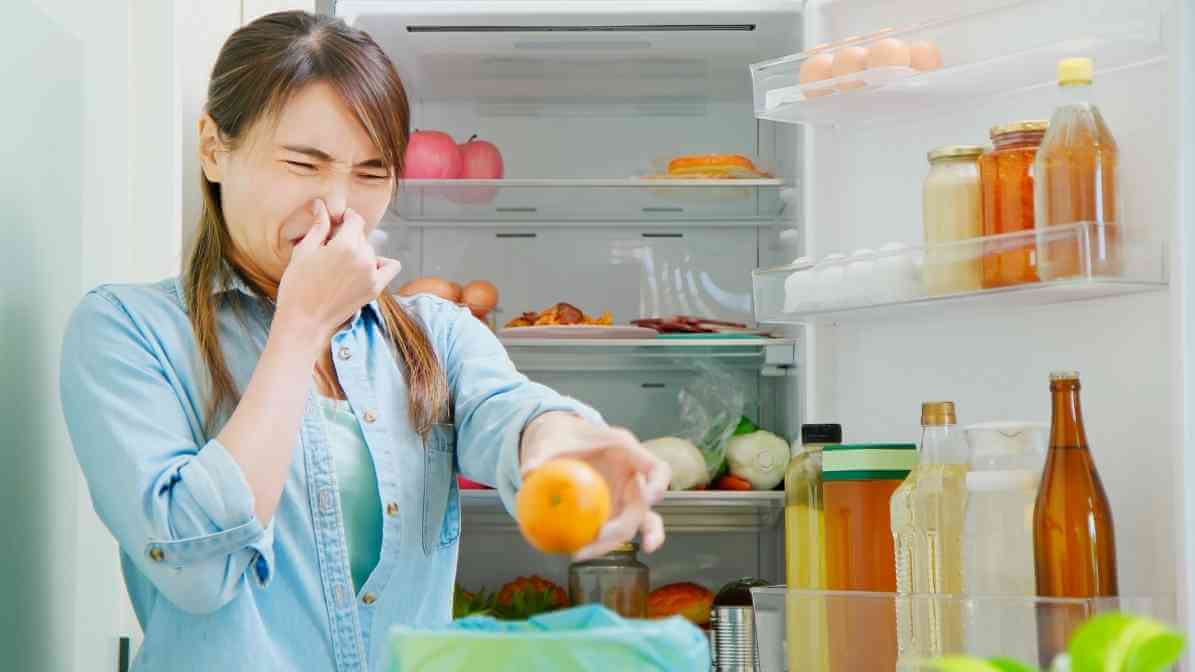
A persistent, sour or fermentation smell coming from drains, bins or produce areas — even after cleaning — indicates active organic decomposition. This odour actively attracts more flies to the site and signals an advanced breeding environment.
Sign 5
Visible Eggs on Produce
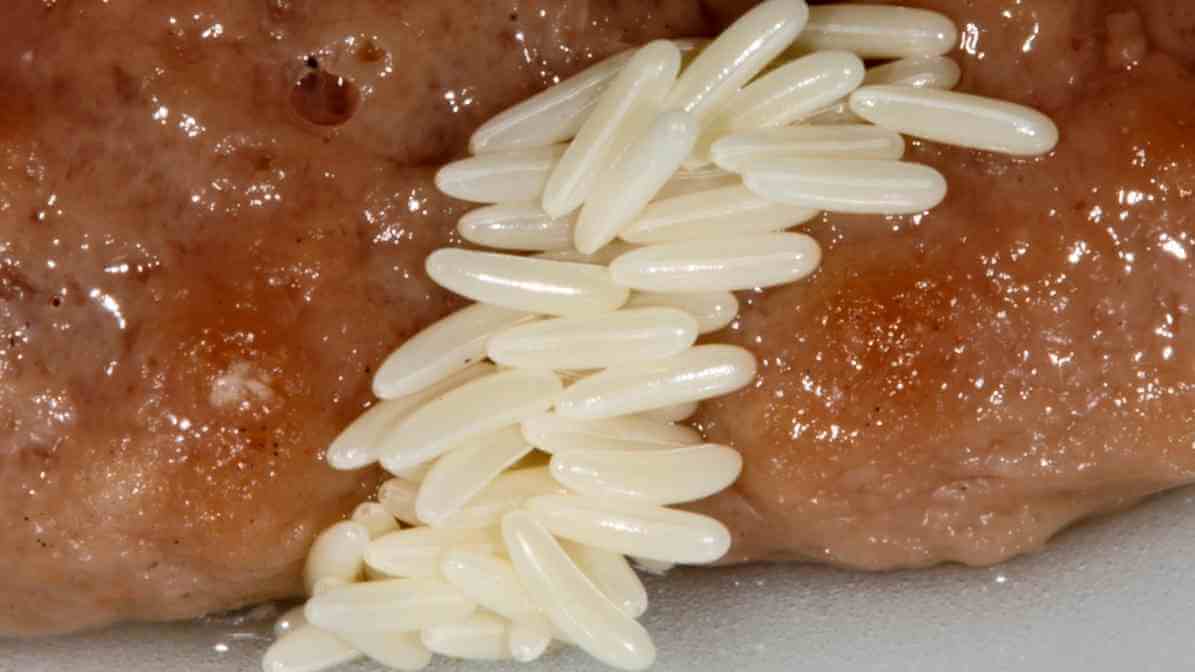
Tiny, whitish, oval-shaped eggs laid in clusters on the surface of rotting food, organic waste or in the crevices of overripe fruit. If you can see eggs, you are dealing with an active breeding cycle that has been going on for at least several days. Discard the affected produce immediately, clean the area thoroughly and inspect surrounding surfaces for additional egg clusters.
Section 03
What Attracts Fruit Flies to Your Property?
Fruit flies are driven by specific environmental cues. Understanding what draws them to your kitchen, restaurant or food business allows you to eliminate these conditions proactively — breaking the attraction cycle before eggs are laid:
Overripe & Decaying Produce
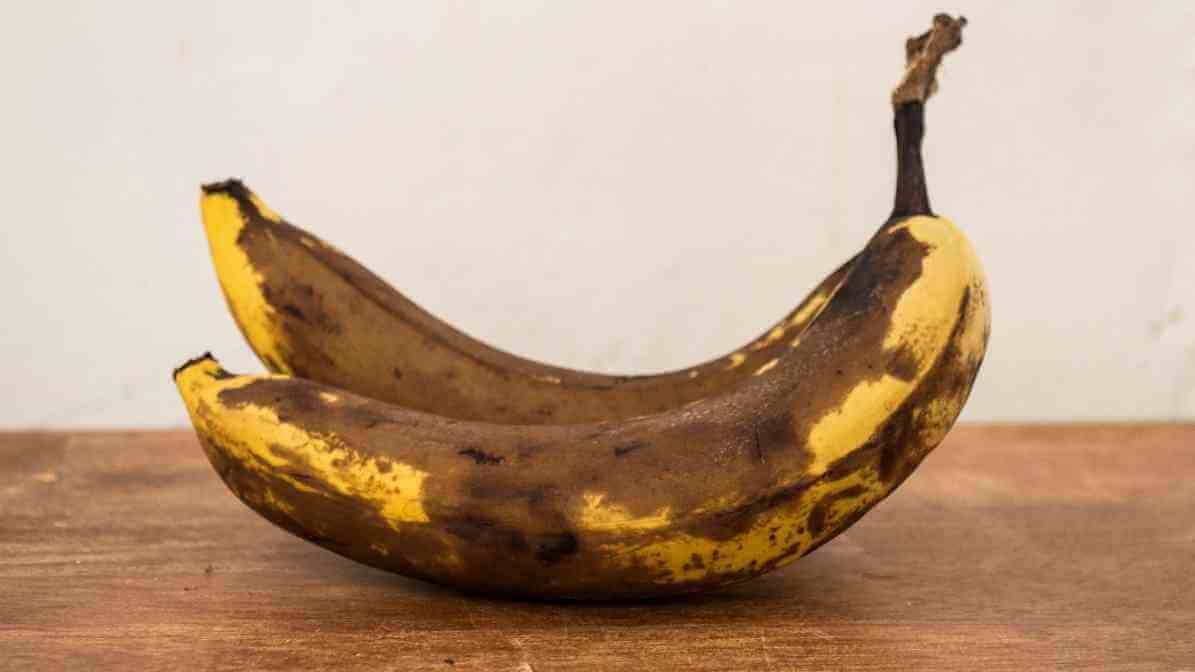
Fermenting organic compounds released by overripe or decaying fruits and vegetables are the primary attraction signal. Even a single piece of overly ripe fruit left on a counter is enough to draw in egg-laying females and trigger a breeding cycle in Singapore's warm climate.
Open Containers & Food Spills
Open containers of juice, wine, vinegar, beer or fermented condiments emit powerful attractant odours. Uncleaned spills on countertops, floors and inside refrigerators also attract fruit flies — a single unwiped juice stain can serve as a food source and egg-laying site.
Uncovered Organic Waste
Garbage containing food residues — particularly fruit and vegetable scraps — in uncovered or overflowing bins is one of the most significant attractants in domestic and commercial kitchens. Compost bins are especially prone if not managed correctly.
Dirty Drains & Moisture
Drains coated with organic biofilm and areas of persistent moisture are secondary breeding sites often overlooked in kitchens. Singapore's humidity means damp organic matter degrades rapidly into fermenting matter that attracts egg-laying females even when the produce source has been removed.
Professional Fly Control Singapore
Fruit fly problem in your F&B outlet?
Persistent fruit fly infestations in commercial kitchens require professional InnoFly UV trap deployment, drain biofilm treatment and HACCP-compliant control. Our NEA-licensed specialists are available same-day.
The most effective approach combines immediate action against breeding sources with ongoing monitoring and professional-grade tools for commercial environments. Here is the proven control hierarchy:
Sanitation first. Remove and dispose of all overripe and rotting produce immediately. Empty trash bins daily. Clean kitchen counters, sink areas and drains thoroughly — including the drain biofilm inside pipe walls. This eliminates the breeding source and is the single most impactful action you can take.
Vinegar & dish soap traps. Fill a bowl with apple cider vinegar or wine, add a few drops of dish soap to break the surface tension, and cover with plastic wrap punctured with small holes. Adult flies are drawn in by the fermentation odour and trapped. Effective for monitoring population levels and reducing adult numbers.
InnoFly UV light traps. Our proprietary InnoFly traps use ultraviolet light to attract and capture adult fruit flies continuously — providing both population reduction and ongoing activity monitoring. Particularly effective for commercial kitchens, grocery stores and F&B businesses where food sources make other approaches impractical.
Integrated Pest Management (IPM). A comprehensive IPM approach combines sanitation, structural exclusion (sealing gaps around pipes and windows), biological controls (natural predators targeting larvae) and, as a last resort, targeted insecticide application. This approach ensures fruit fly control that is safe, compliant with HACCP standards and minimises reliance on chemical treatments.
Section 05
Preventive Measures: Keeping Fruit Flies Out for Good
Prevention is the most cost-effective form of fruit fly control. These habits eliminate the conditions fruit flies depend on and create an inhospitable environment for breeding year-round:
Store all fruits and vegetables in sealed containers or the refrigerator — never leave produce uncovered on counters
Clean kitchen counters, sinks and drains daily — including the inside of drain walls with enzymatic drain cleaners
Empty and clean trash bins daily; use bins with sealed lids and tightly sealed bin bags
Fix leaking pipes and drains promptly — damp organic matter in wet environments is a prime secondary breeding site
Install window and door screens to block adult fly entry from outside
Conduct weekly visual checks in kitchens, pantries and waste areas — catching an infestation early is far simpler than treating an established one
Section 06
Frequently Asked Questions
The fastest approach is a two-pronged attack. First, immediately remove all breeding sources — discard all overripe fruit, clean out your bins and clean your drains with boiling water and an enzymatic drain cleaner. Second, set out vinegar traps to capture adult flies. Adult fruit flies begin dying off in 1–3 days once the food source is removed, and the remaining population in the traps diminishes quickly. Without removing the breeding source, any trapping effort only provides temporary relief.
Fruit is only one of several possible breeding sources. If fruit flies persist after removing produce, the breeding source is likely inside a drain, beneath a drain grate, in an overflowing rubbish bin, behind a refrigerator, in a mop bucket or in any area where organic matter has accumulated and become fermented. Pour boiling water down all drains and use an enzymatic cleaner to break down the biofilm. Also check for any forgotten produce in the back of cupboards, the bottom of the fridge crisper drawer or in compost bins.
Fruit flies do not bite and do not directly transmit disease. However, they land on rotting organic matter, faecal matter and drains, then land on food preparation surfaces — transferring bacteria including E. coli and Salmonella to surfaces and exposed food. In F&B environments, their presence constitutes a hygiene violation and can trigger food safety enforcement action. For this reason, a fruit fly infestation in any food business requires prompt, professional control.
Permanent prevention requires eliminating the conditions that attract fruit flies in the first place: storing all produce in sealed containers or the fridge, cleaning drains weekly with enzymatic cleaners, emptying and cleaning bins daily with sealed lids, fixing any moisture issues and installing window screens. For commercial premises, deploying InnoFly UV traps for continuous monitoring catches any emerging population before it becomes an infestation. If problems recur despite these measures, a professional site inspection will identify hidden breeding sources that are not accessible for DIY cleaning.
Written by
Leia Rassid
Content Specialist • Innovative Pest Management
Pest control content specialist at Innovative Pest Management. Leia writes practical identification and prevention guides to help Singapore homeowners and businesses stay pest-free.
A fruit fly infestation in your F&B environment is a food safety issue, not just a nuisance. Our NEA-licensed specialists deliver InnoFly UV trap deployment, drain biofilm treatment and HACCP-compliant fly management that keeps your premises inspection-ready.
I am committed to turning complex pest-management insights into clear, practical information that anyone can understand. Through my work, I aim to empower homeowners and businesses to make informed decisions that protect their health, property and environment.