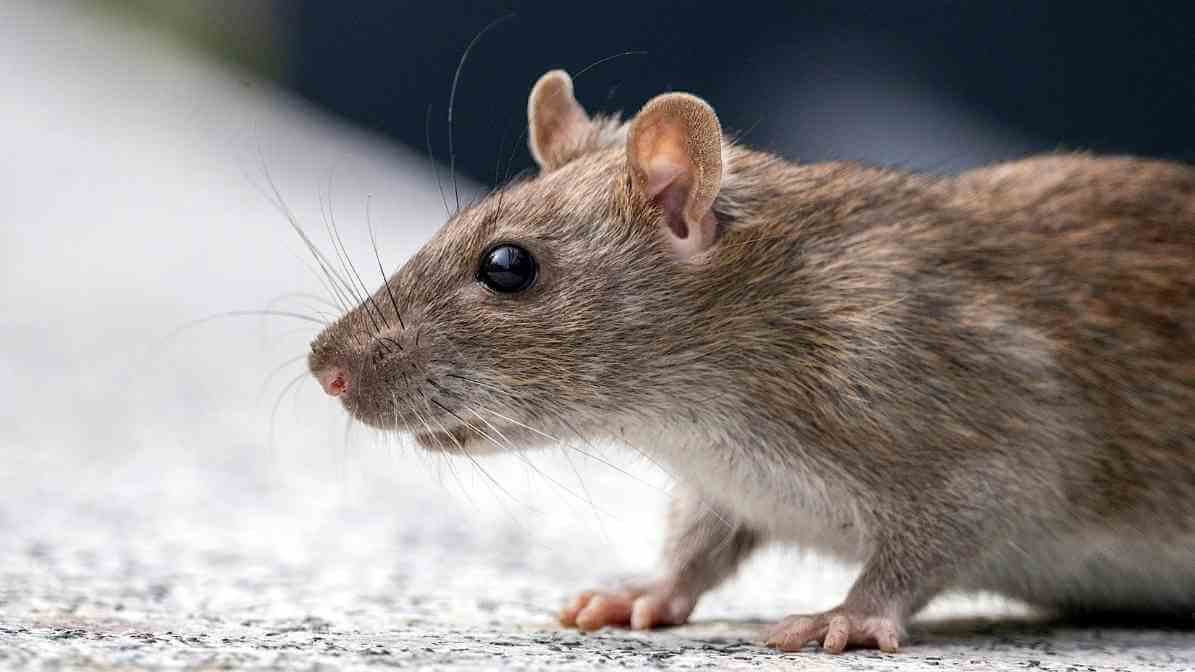
A single rat spotted on your supermarket floor can trigger a regulatory action, a viral social media post and irreversible brand damage. Effective commercial rodent management requires a proactive, Integrated Pest Management (IPM) approach — combining structural exclusion, sanitation, monitoring and professional control without disrupting your daily operations.
Innovative Pest Management
|Updated October 2025|11 min read|NEA Licensed
3 mths
Age at which rats reach sexual maturity
3+
Major cost categories from a rodent infestation
IPM
Science-based approach used for all commercial control
NEA
Licensed commercial pest control specialists
Maintaining a pest-free environment is not optional for supermarkets, mini-marts and food businesses — it is a fundamental regulatory and commercial requirement. Rodent activity, particularly from roof rats and Norway rats, poses genuine threats to hygiene standards, structural integrity and business reputation. With the right strategies based on Integrated Pest Management (IPM), commercial premises can manage rodent populations effectively without disrupting operations or customer confidence.
Key Takeaways
✓A rodent infestation in a commercial food environment triggers three major cost categories: health code fines and closure risk, food contamination and stock loss, and structural damage from gnawing.
✓The IPM approach combines four pillars: exclusion (structural barriers), sanitation (eliminating food and water access), monitoring (early detection technology) and professional treatment.
✓Rodents reach sexual maturity at three months — without intervention, minor signs of activity can escalate to a full infestation within weeks.
✓Professional NEA-licensed pest management delivers customised solutions compliant with NEA health standards — protecting operations, staff and customers.
Section 01
The Real Cost of Rodent Activity in Commercial Premises
Rodent activity in supermarkets, mini-marts and provision stores extends far beyond a hygiene issue. Given that rats reach sexual maturity at three months, a small sign of activity can escalate from minor concern to full infestation within weeks. The costs fall into three serious categories:
Risk 1
Health & Regulatory Risk
Rats and mice are vectors of leptospirosis, salmonella and hantavirus. Their droppings, urine and nesting materials contaminate surfaces, food supplies and equipment. NEA inspections that identify rodent activity result in formal warnings, fines and in severe cases, forced closure.
Risk 2
Food Contamination & Stock Loss
Gnaw marks on packaging, faecal contamination of food surfaces and compromised storage integrity result in immediate stock write-offs. In food retail environments, a single contamination incident triggers a stock recall, deep-clean shutdown and potential product liability exposure.
Risk 3
Structural & Fire Damage
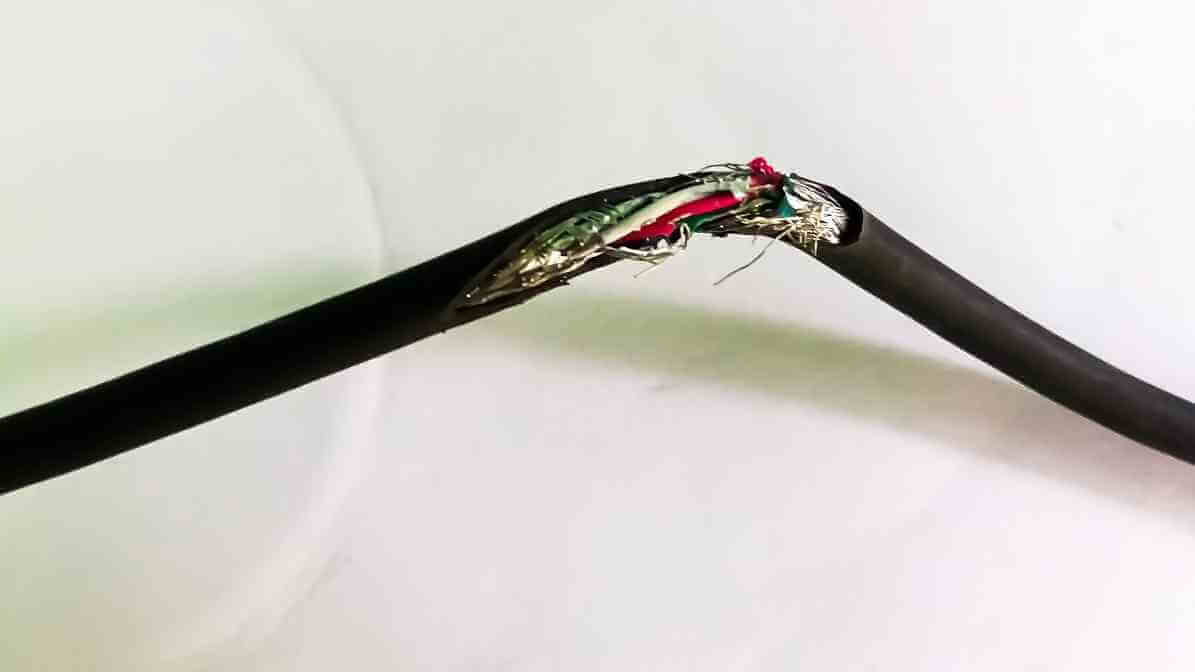
Rats gnaw through electrical wiring, water pipes and structural materials. Chewed wiring is one of the leading causes of electrical fires in commercial buildings. Water pipe damage from gnawing causes leaks that create secondary damp conditions — attracting more pests and causing further property damage.
Section 02
The IPM Framework: Four Pillars of Commercial Rodent Control
Integrated Pest Management (IPM) is the science-based methodology that underpins all effective commercial rodent control. It combines four strategic pillars to achieve sustainable, long-term results without relying solely on chemical pesticides:
1
Exclusion
Block all entry points before rodents can establish themselves. Physical barriers — steel wool, metal mesh, door sweeps and sealants — prevent access. A building without accessible entry points cannot sustain a persistent rodent population regardless of what is outside.
2
Sanitation
Remove food, water and harbourage that attract and sustain rodents. Sealed food containers, clean drains, dry storage areas, frequent bin emptying and clutter removal eliminate the conditions that make your premises attractive to rodents in the first place.
3
Monitoring
Routine inspection, tracking powder deployment, sensor monitoring devices and detailed activity logs provide early warning before populations grow. Early intervention is dramatically cheaper and less disruptive than managing an established infestation.
4
Professional Treatment
When populations are active, targeted baiting (tamper-resistant bait stations), snap trapping and rodenticide application by NEA-licensed specialists eliminates existing rodents safely and in compliance with health regulations. All treatments are non-disruptive and use food-safe, human-safe products.
Section 03
Exclusion Strategies: Building a Structural Barrier Against Rodents
Structural exclusion is the most cost-effective long-term investment in commercial rodent management. A building that rodents cannot enter cannot sustain an infestation. Here are the essential exclusion measures for supermarkets and food businesses:
Seal all holes around utility lines, pipes and cables with rodent-proof material like metal mesh, steel wool or galvanised plates. Rats can enter through gaps larger than 12mm; mice through gaps larger than 6mm.
Install door sweeps and air curtains at all delivery bay doors, loading docks and rear entrances. These are primary entry points for Norway rats following food delivery vehicles onto the premises.
Elevate high storage shelving at least 45cm off the floor. This creates physical separation and a visible inspection gap — rodents prefer ground access and concealment; exposed, elevated shelving is less attractive for nesting.
Trim overhanging tree branches away from the building. Roof rats access buildings via tree branches — branches that overhang or touch the roof provide a direct access highway into attics and ceiling voids.
Section 04
Sanitation Practices: Remove the Attraction
Rodents are opportunistic feeders attracted by easy food and water access. Proper sanitation removes these attractions at the source and is the single most impactful ongoing measure your staff can implement daily:
Practice 1
Tightly Seal All Food
Store all food products, especially raw ingredients, grains and pet food, in sealed, rodent-proof containers. Open food packaging is the single greatest attractor of rodents in food retail environments. Incoming goods should be inspected for signs of pest activity before shelving.
Practice 2
Clean Spills & Crumbs Immediately
Clean spills, crumbs and debris from floors, shelves and counters immediately after occurrence. Rodents can sustain themselves on small quantities of food — even minor spillage left overnight is enough to support active foraging. End-of-day cleaning checklists should include floor sweeping and shelf wiping.
Practice 3
Prevent Standing Water
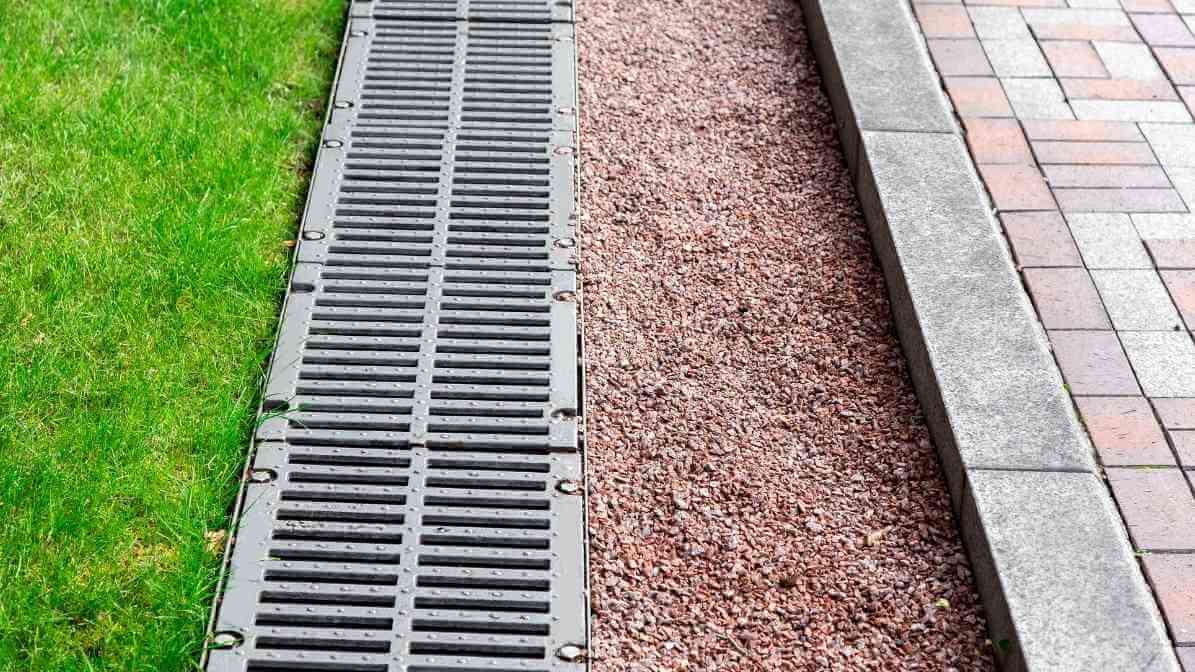
Fix leaking pipes, ensure drains are clear and flowing, and eliminate all standing water from floors and storage areas. Rodents require water to survive — removing it forces them to seek alternative locations. Maintain gutters and drainage channels around the building perimeter regularly.
Practice 4
Proper Trash Management
Use bins with tightly sealed lids and empty them frequently — at minimum at the end of each trading day. Store external waste bins away from building entry points and delivery areas. Internal bin areas should be cleaned weekly to prevent residue build-up that attracts foraging rodents after hours.
Commercial Rodent Control Singapore
Signs of rodents in your business?
Our NEA-licensed commercial rodent specialists deploy tamper-resistant bait stations, carry out structural exclusion assessments and provide 24/7 monitoring — ensuring your premises stays compliant, safe and rodent-free.
Monitoring & Professional Pest Control Partnership
Early detection transforms a manageable problem into a handled one. Routine monitoring combined with a trusted professional pest control partner ensures rodent activity never reaches a critical level in your commercial premises:
Monitoring Best Practices
●Inspect weekly for droppings, gnaw marks and nesting materials in storage rooms, wall voids and drainage areas
●Deploy sensor monitoring devices in high-risk zones — especially delivery areas, bin rooms and utility corridors
●Maintain detailed logs of all sightings, trap catches and bait consumption to identify patterns early
●Train all staff to recognise and report signs of rodent activity immediately — early reports prevent escalation
Professional Control Services
●Customised rodent control solutions based on your specific premises layout and rodent species
●Tamper-resistant bait stations, snap trapping and targeted rodenticide application
●24/7 emergency response to rodent sightings — swift action before customers are affected
●Eco-friendly, human-safe pesticide products compliant with NEA health and safety standards
The goal is not temporary control but a sustainable system that prevents rodent infestation. Adopting an IPM approach minimises reliance on chemical pesticides, aligns with eco-friendly operating policies and protects the health of your staff and customers. Regular maintenance, staff training and consistent monitoring are the foundation of a rodent-free commercial environment.
Section 06
Frequently Asked Questions
For food retail environments, a minimum of monthly professional inspections is recommended under an annual pest management contract. High-risk environments — such as premises adjacent to bin centres, hawker areas or construction sites — benefit from fortnightly inspections. Between professional visits, daily staff monitoring checks and weekly bait station inspections provide the early-warning coverage needed to prevent escalation. Any staff rodent sighting should trigger an immediate out-of-contract inspection call.
No single method is sufficient for commercial environments. The most effective approach combines: 1) structural exclusion to prevent entry, 2) tamper-resistant bait stations deployed along known rodent run paths, 3) snap or electric traps placed in sensitive food zones where rodenticide cannot be used, 4) sensor monitoring devices for 24/7 activity detection and 5) routine professional inspections to assess the effectiveness of deployed measures and adjust the strategy as rodent pressure changes seasonally or during renovations.
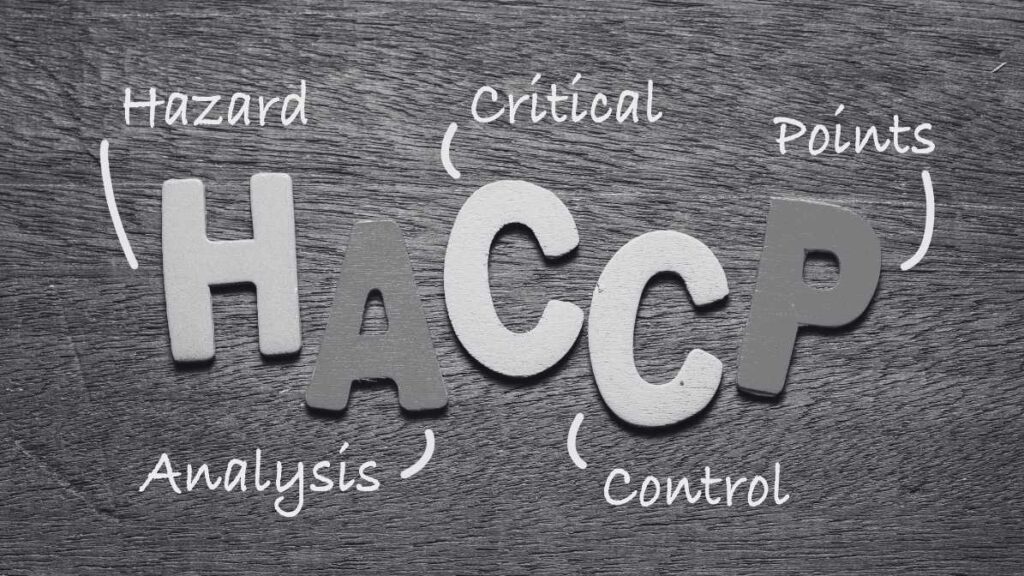
Yes, when deployed correctly by a NEA-licensed pest control professional. Tamper-resistant bait stations are designed to contain the rodenticide securely — preventing access by non-target animals, staff and customers. In food preparation and open food display areas, snap traps or electronic traps are preferred over rodenticide, as they do not introduce any chemical substance near food. A licensed professional will map the correct placement strategy to ensure all bait is deployed safely and in compliance with NEA food safety regulations and HACCP requirements.
A live rat sighting during trading hours indicates an established population, not an isolated event. Take these immediate steps: 1) Document the sighting location, time and number of rodents observed. 2) Do not attempt to catch or kill the rat yourself. 3) Remove all exposed food from the immediate area and temporarily suspend food preparation in that zone. 4) Call your pest control provider immediately for an emergency inspection. 5) Do not wait until your next scheduled inspection — a live sighting is an escalation trigger that warrants immediate professional assessment and intervention.
Written by
Leia Rassid
Content Specialist • Innovative Pest Management
Pest control content specialist at Innovative Pest Management. Leia writes practical identification and prevention guides to help Singapore homeowners and businesses stay pest-free.
I am committed to turning complex pest-management insights into clear, practical information that anyone can understand. Through my work, I aim to empower homeowners and businesses to make informed decisions that protect their health, property and environment.