Misidentifying the rodent you are dealing with leads to the wrong traps, wrong bait placement and failed control. Understanding the key physical differences, behavioural traits and species found in Singapore enables targeted, effective pest management from the very first response.
Innovative Pest Management
|Updated October 2025|10 min read|NEA Licensed
6mm
Gap a mouse can squeeze through
3 mths
Age at which rats reach sexual maturity
3
Key rodent species in Singapore
NEA
Licensed rodent control specialists
Understanding the difference between rats and mice is a critical first step in effective pest management. Choosing the wrong control method — snap traps sized for rats when you have mice, or bait stations placed at ground level when roof rats are the issue — wastes time and money while the infestation grows. In Singapore's urban environment, where both rats and mice thrive year-round, correct identification leads directly to faster resolution.
Key Takeaways
✓Rats are significantly larger (15–20 cm body) than mice (7–10 cm), with thicker tails, smaller ears relative to head size and coarser fur.
✓Singapore's three key rodent species — Norway rat, Roof rat and House mouse — each require different control approaches based on their preferred habitats.
✓Rats are more cautious (neophobic) and territorial; mice are more curious, adaptable and willing to explore new food sources — this affects trap and bait selection.
✓Both rodents transmit serious diseases including leptospirosis, salmonella and hantavirus through droppings, urine and direct contact.
Section 01
Why Correct Identification Is the First Step in Rodent Control
Misidentification can seriously hinder pest control efforts. For example, the tactics suitable for managing a roof rat — which nests in elevated areas like attics and ceilings — differ completely from those for a house mouse that nests behind kitchen appliances. Proper identification allows pest control professionals to choose the most effective methods: the right trap size, the right bait, the right placement and the right exclusion strategy.
Wrong approach: Setting small snap traps with cheese bait at floor level for a roof rat infestation in the ceiling
Correct approach: Elevated bait stations and exclusion along wall runs and elevated entry points targeted at roof rat habitats
Wrong approach: Using large rat-sized bait stations for house mice — mice avoid oversized stations and the activity continues
Correct approach: Multiple small snap traps and mouse-sized bait stations placed close to walls, behind appliances and inside cabinets
Section 02
Physical Differences: How to Tell Rats and Mice Apart
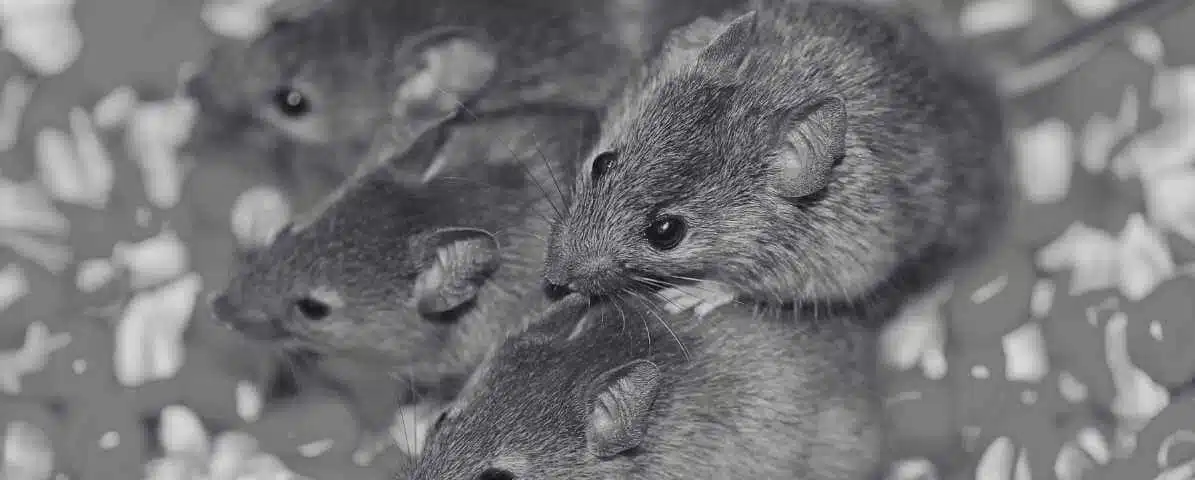
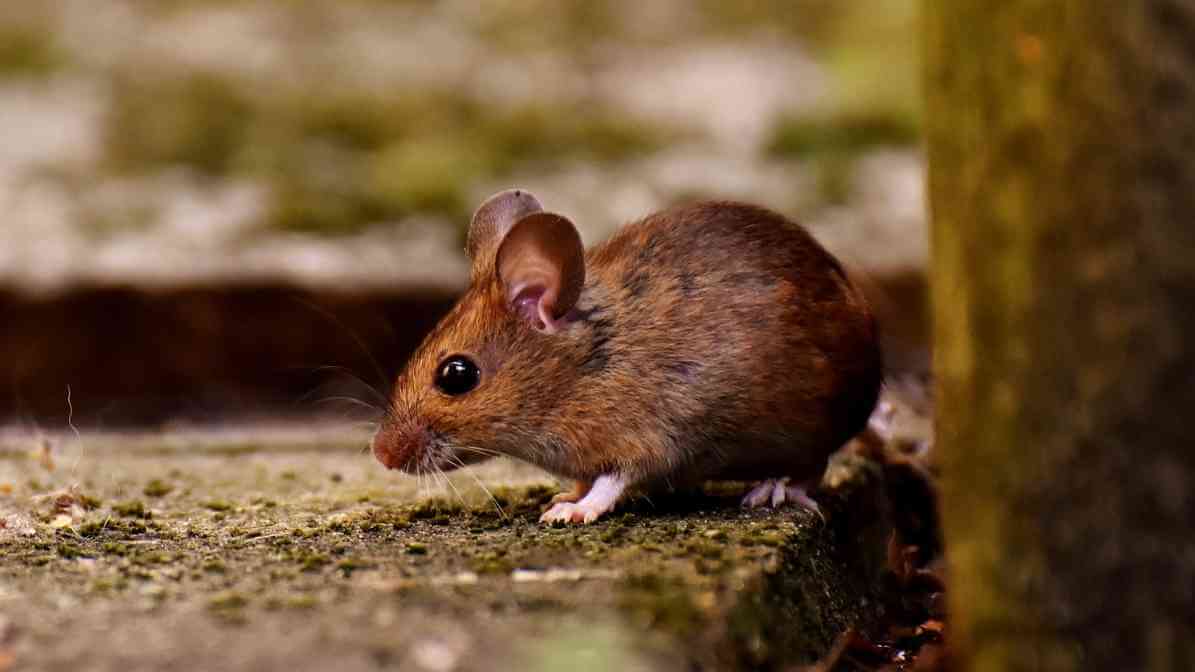
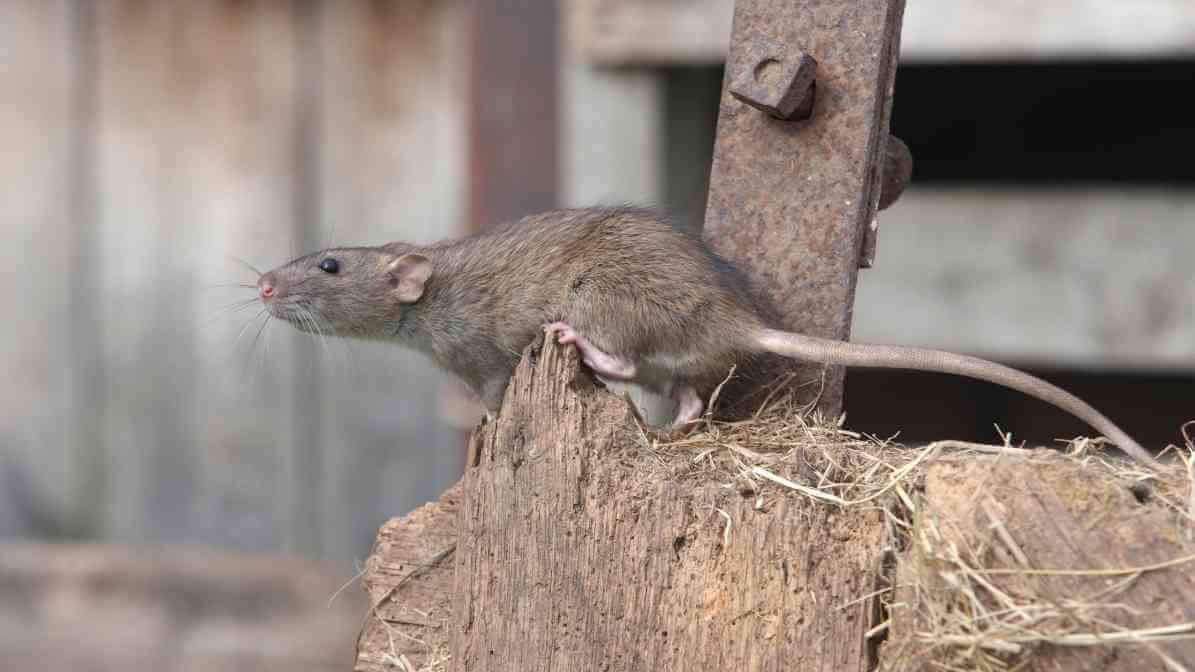
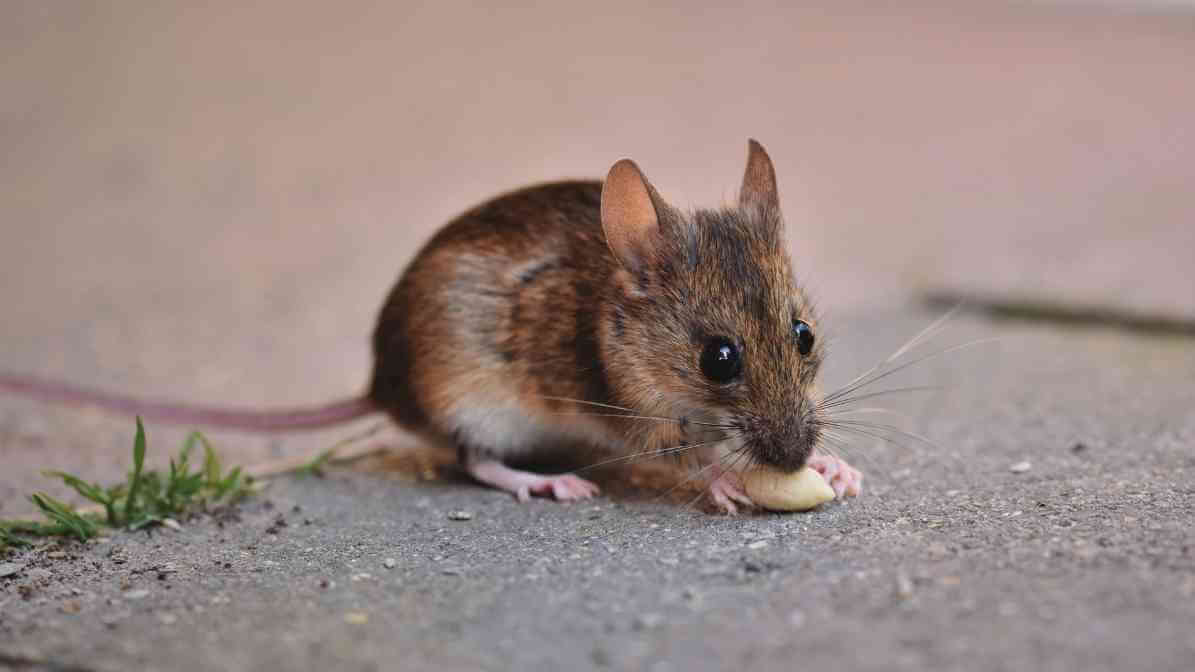
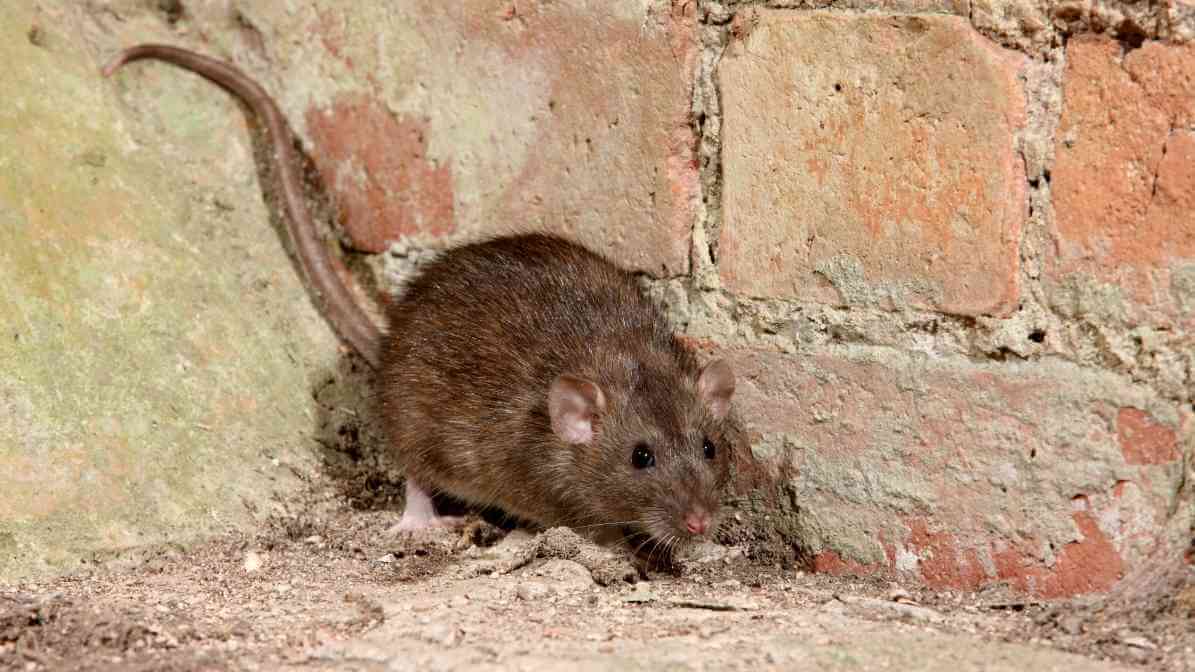
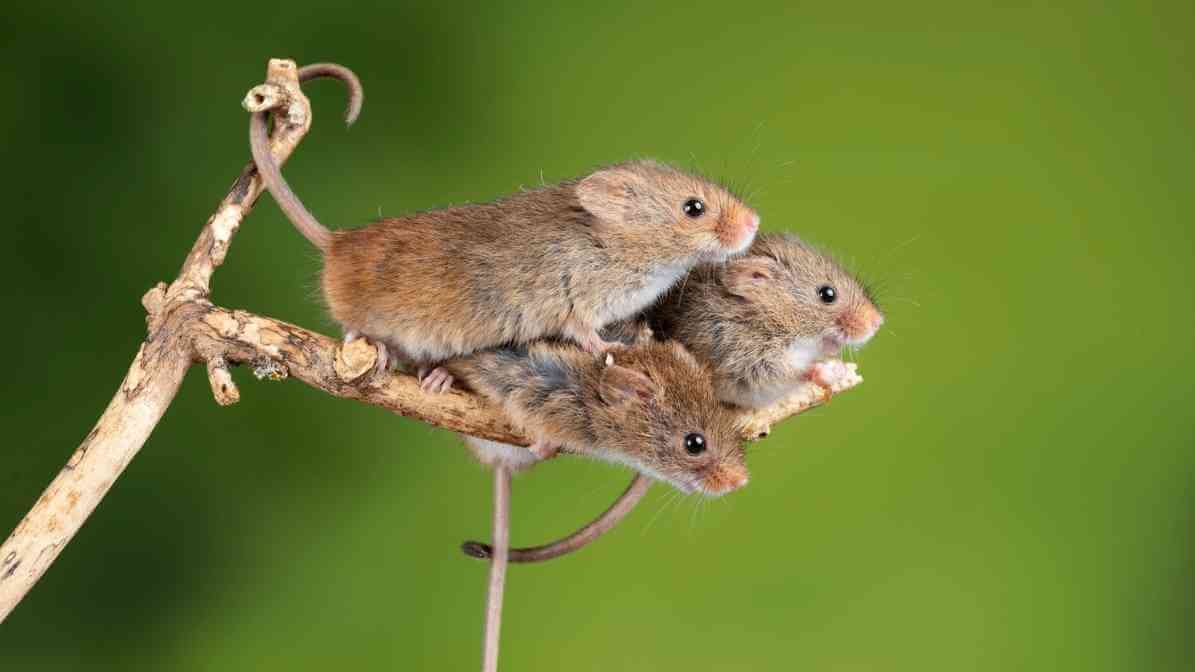
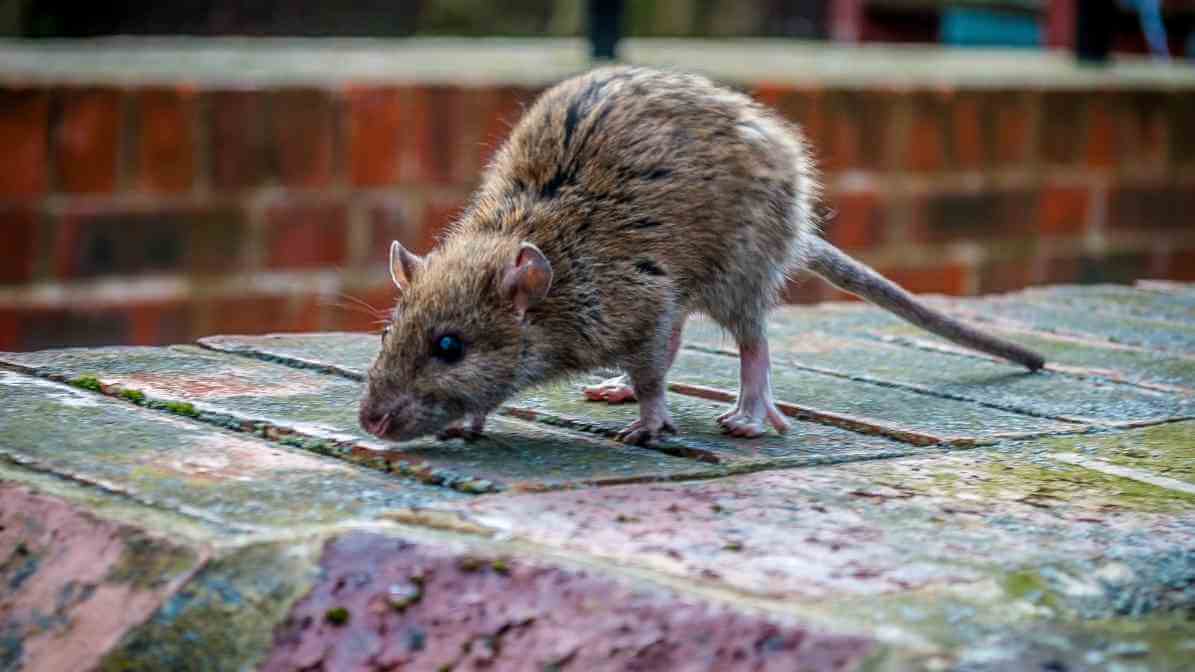
Three physical characteristics provide the most reliable identification. Each pair of images below shows the mouse feature on the left and the rat feature on the right for direct side-by-side comparison:
Comparison 1: Size & Body Shape
Mouse
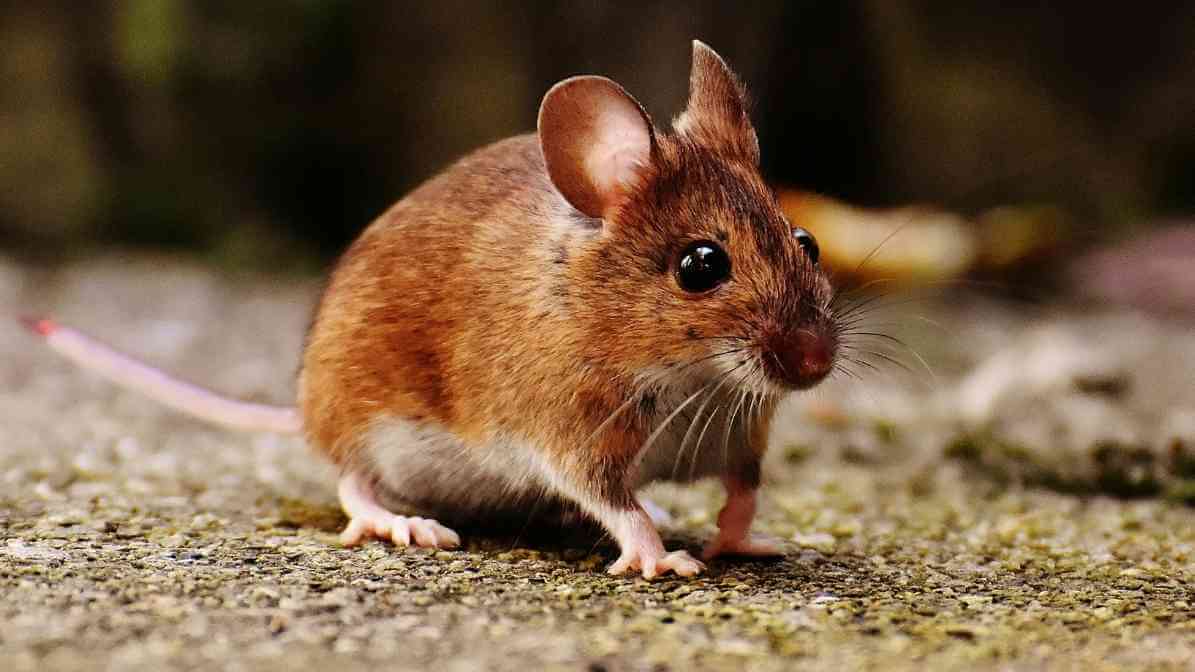
7–10 cm body length. Slender, lightweight frame (20–40g). Pointed snout. Proportionally larger eyes and ears giving an alert appearance.
Rat
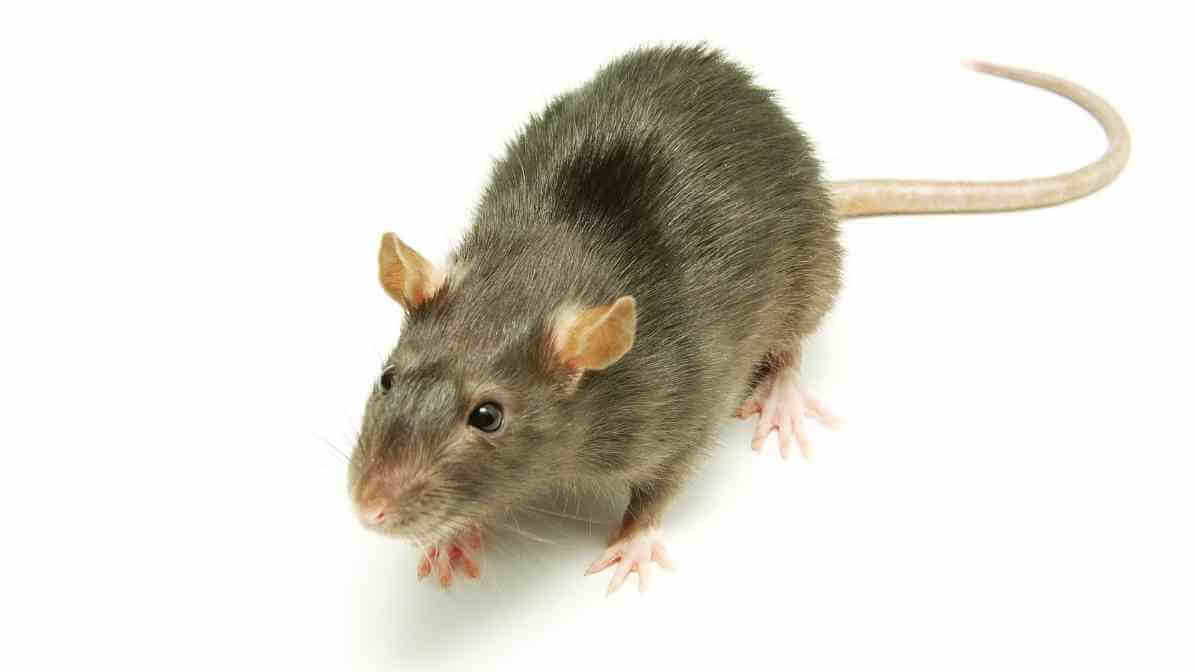
15–20 cm body length. Robust, heavy-set build (200–500g). Broader head and thicker neck. Blunt or more rounded snout.
Comparison 2: Ears & Tail
Mouse
Large, rounded, prominent ears relative to the head. Tail is long, thin, hairy and often exceeds the body length.
Rat
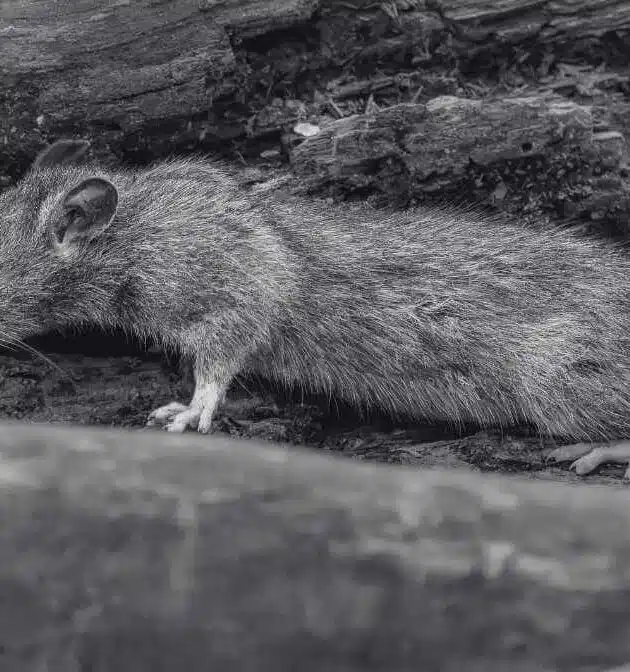
Small ears relative to head size. Tail is thick, scaly and shorter than the body — a key distinguishing marker from mice.
Comparison 3: Colour & Fur Texture
Mouse
Light grey or soft brown fur with a characteristically softer texture. Often lighter on the belly.
Rat
Brown, black or grey fur with a coarser, rougher texture. Norway rats are typically brown; roof rats tend towards darker black or grey colouring.
Section 03
The 3 Rodent Species Commonly Found in Singapore
Knowing which species you are dealing with determines where to place bait stations, what type of trap to use and where to focus exclusion efforts. Here are the three most common rodent species in Singapore's urban environment:
Norway Rat (Rattus norvegicus)
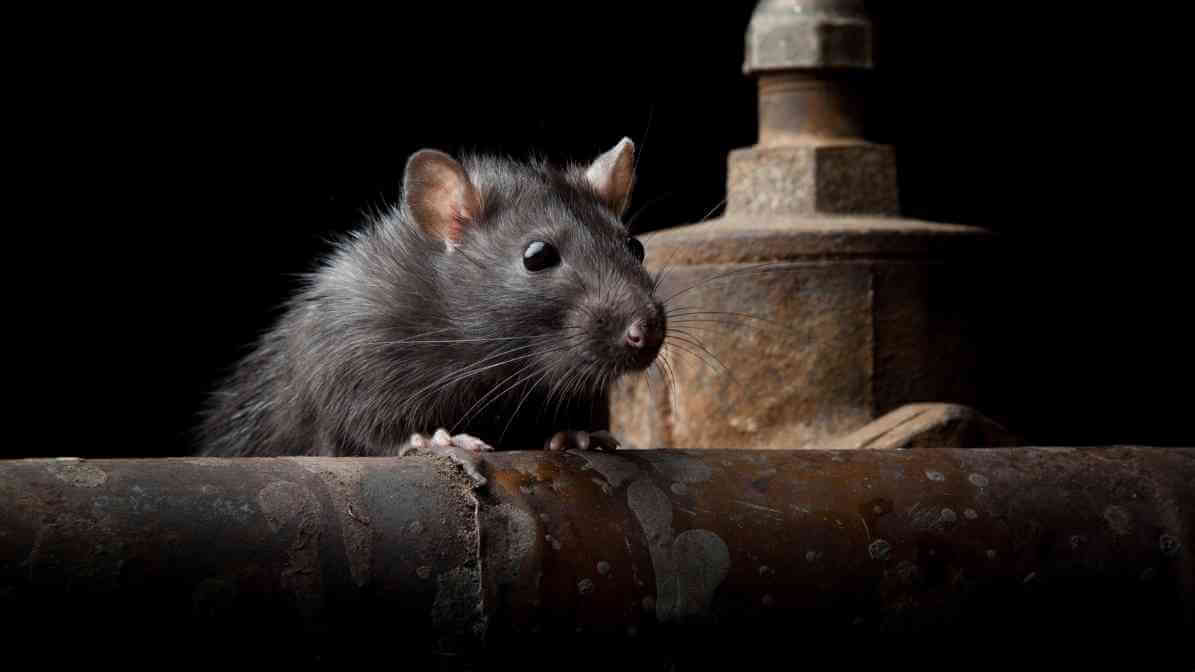
●Large, stocky; brown fur; blunt snout
●Prefers sewers, basements and ground-level burrows
●Ground-dwelling; most aggressive of Singapore's rodents
●Control: ground-level bait stations along walls; sealing sewer entry points
Roof Rat (Rattus rattus)
●Slimmer; black or dark grey; pointed snout; long tail
●Excellent climber; nests in attics, ceilings and rafters
●Enters via pipes, tree branches and roof edges
●Control: elevated bait stations; tree trimming; sealing roof entry points
House Mouse (Mus musculus)
●Small, delicate; grey or light brown; pointed snout
●Squeezes through gaps as small as 6mm
●Nests behind walls, appliances, drawers and storage boxes
●Control: small snap traps inside cabinets; sealing all gaps >6mm
Section 04
Behavioural Differences: How Rats and Mice Live and Feed
Behaviour determines the most effective pest control approach. Rats and mice behave very differently — understanding these differences prevents costly control mistakes:
Mouse Behaviour
●Curious and exploratory — mice readily investigate new objects, traps and bait stations placed in their environment
●Nest in small spaces close to food — behind appliances, inside cabinets, in storage boxes and wall voids
●Opportunistic eaters — consume grains, cereals and anything accessible; feed frequently in small amounts throughout the night
Rat Behaviour
●Cautious and neophobic — rats are highly suspicious of new objects and may avoid freshly placed traps or bait stations for several days
●Build complex burrow systems and nests in secluded areas; territorial and hierarchical in social structure
●Prefer grains, fruits and vegetables; larger size enables them to gnaw through pipes, electrical wiring and structural materials
Practical implication: Because rats are neophobic, new bait stations should be placed in their territory and left untouched for a few days before baiting. Mice, being curious, can be baited immediately. This is why knowing your species before beginning control is so important.
Professional Rodent Control Singapore
Not sure if you have rats or mice?
Our NEA-licensed rodent control specialists identify your specific species, locate all entry points and breeding areas, and deploy the correct targeted control strategy — no guesswork, no wasted effort.
Both rats and mice transmit serious diseases. Their droppings, urine and direct contact are active transmission routes. Rodent identification directly informs the sanitation and extermination approach:
Key Disease Risks
●Leptospirosis — from contact with urine-contaminated water
●Salmonellosis — from droppings contaminating food surfaces
●Hantavirus — from inhaling particles from rodent droppings
●Rat-bite fever — from bites or scratches
Targeted Control Methods
●Seal entry points — mice: gaps >6mm; rats: gaps >12mm; use steel wool or metal mesh
●Bait stations — tamper-resistant, sized correctly for the species identified
●Snap & electric traps — placed along known wall runs and entry points
●Monitoring devices — smart traps and cameras track activity without chemicals
Section 06
Frequently Asked Questions
The fastest way is to look at the droppings. Mouse droppings are small (3–6mm), pointed at both ends and scattered. Rat droppings are significantly larger (12–20mm), blunt or capsule-shaped and found in larger quantities in concentrated areas. If you see the actual rodent, check the tail — a long thin tail longer than the body indicates a mouse; a thick, scaly shorter tail indicates a rat. Body size is the other key marker: anything larger than a small adult's thumb is almost certainly a rat.
No — this is one of the most common control mistakes. Rat-sized traps have a pressure plate that requires the weight of a rat to trigger. A mouse, being much lighter, will steal the bait without triggering the trap. Similarly, mouse-sized traps are too small and weak to capture or kill a rat. Always match the trap to the confirmed species. If you are unsure, a professional identification before purchasing control equipment will save significant time and money.
Rats are neophobic — they are instinctively suspicious of new objects placed in their environment. A freshly placed bait station may be avoided for several days as rats observe it from a distance before investigating. This is normal behaviour, not a failure of the product. Allow the station to remain undisturbed for at least 3–5 days before checking or moving it. Using the rat's own scent to mark the station (wearing gloves when handling) and placing stations along the exact wall runs the rats are using will significantly improve uptake rates. If stations remain ignored after 7 days, a professional re-assessment of placement strategy is warranted.
Written by
Leia Rassid
Content Specialist • Innovative Pest Management
Pest control content specialist at Innovative Pest Management. Leia writes practical identification and prevention guides to help Singapore homeowners and businesses stay pest-free.
Effective rodent control starts with correct identification. Our NEA-licensed rodent specialists identify the exact species present, locate all active nesting and entry points, and deploy species-specific baiting, exclusion and monitoring — ensuring the right solution from the first visit.
I am committed to turning complex pest-management insights into clear, practical information that anyone can understand. Through my work, I aim to empower homeowners and businesses to make informed decisions that protect their health, property and environment.