Is a Rat Bite Dangerous? The Hidden Dangers You Must Know
A rat bite may look like a minor puncture wound. But the bacteria carried in rat saliva can cause serious, potentially life-threatening infections. Learn what diseases a rat bite transmits, what to do immediately after a bite, and how professional rodent control protects your home and health.
Innovative Pest Management
|Updated October 2025|11 min read|NEA Licensed
3–10
Days incubation for rat-bite fever symptoms
No
Rats do not transmit rabies to humans
24 hr
Window to seek medical treatment after bite
NEA
Licensed rodent control specialists
People have long associated rats with property damage and food contamination. But the health risk of a rat bite is frequently underestimated. A bite can appear to be a minor puncture wound — quick to dismiss, easy to ignore. Yet the bacteria present in rat saliva can invade the wound and cause serious systemic infections. Understanding exactly what a rat bite can transmit, and knowing how to respond immediately, is critical knowledge for anyone living or working in Singapore's urban environment.
Key Takeaways
✓A rat bite can transmit rat-bite fever (caused by Streptobacillus moniliformis or Spirillum minus) and leptospirosis, both of which require antibiotic treatment.
✓Rats do not transmit rabies to humans — this is a common misconception. However, all rat bites require prompt medical evaluation and wound cleaning.
✓Immediate wound cleaning with soap and water, antiseptic application and medical assessment within 24 hours are essential after any rat bite.
✓The two most common rat species in Singapore — the Norway rat and the Roof rat — have different habitats, behaviours and risk levels for human contact.
Section 01
The Two Rat Species Most Likely to Bite in Singapore
Identifying which rat species is present helps tailor control measures — including sealing entry points, baiting strategies and environmental controls — and directly influences the risk level of bacterial infections like rat-bite fever. In Singapore, two species dominate urban, industrial and residential environments:
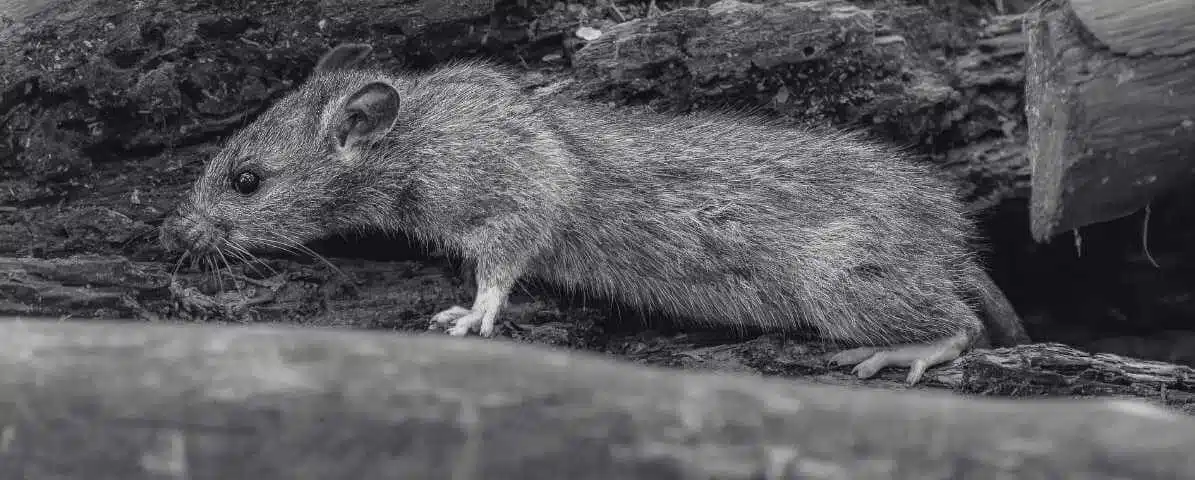
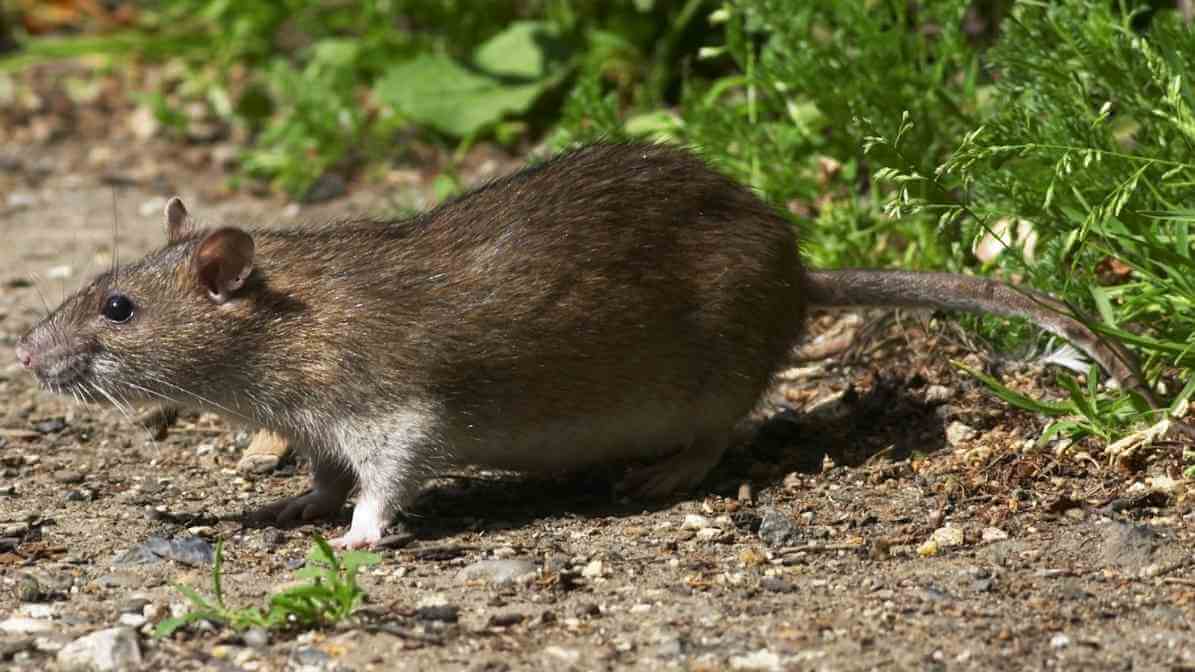
Brown Rat (Rattus norvegicus)
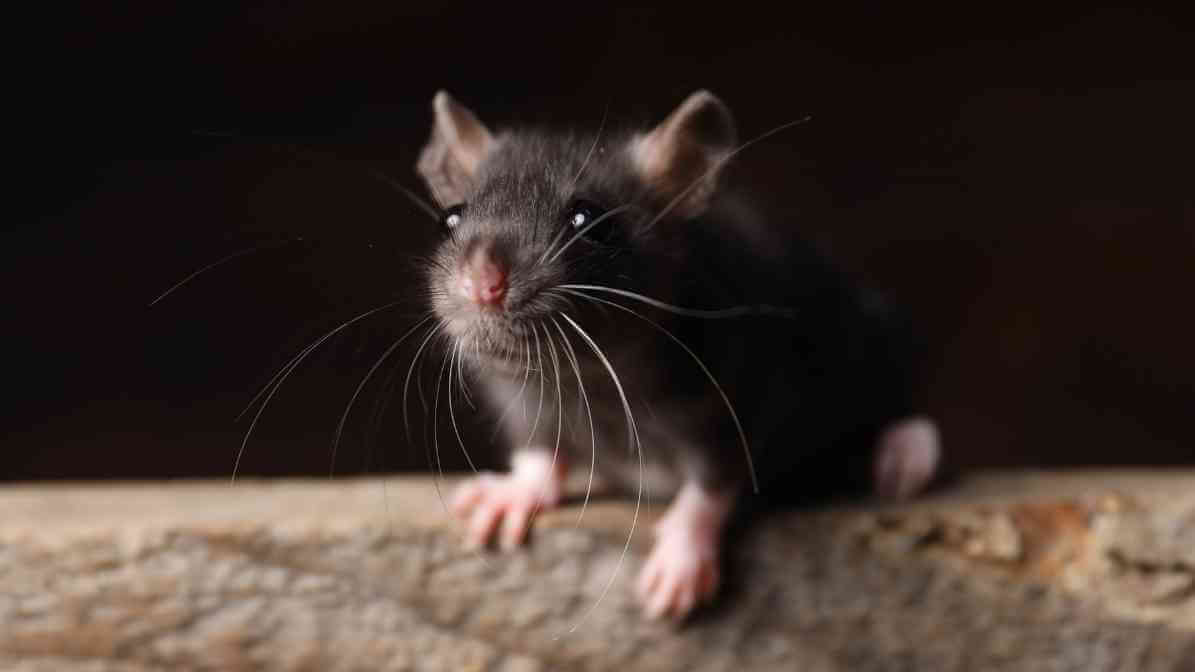
Norway Rat (Brown Rat)
●Larger in size (200–500g); stocky build with blunt snout
●Aggressive and highly adaptable to urban environments
●Prefers sewers, basements and underground structures
●Hides easily in cluttered or damp environments; highest human contact risk in service corridors and bin centres
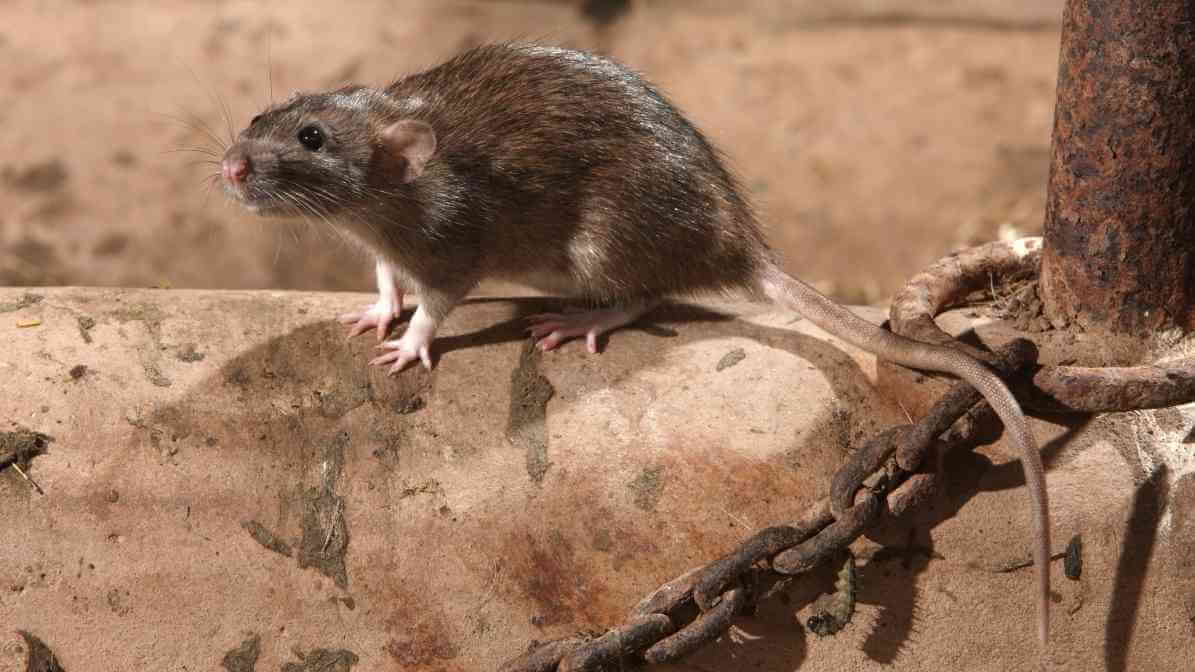
Roof Rat (Rattus rattus)
Roof Rat (Black Rat)
●Slimmer build (150–250g); long pointed snout; large eyes and ears
●Agile climber — easily scales walls, trees and stored goods
●Found in attics, rooftops, wall cavities and upper structures
●Less aggressive but enters kitchens and food storage at night; bites more likely when cornered
Section 02
What Happens When a Rat Bites? Immediate Response
A rat bite typically results in a small puncture wound on the hands, feet or lower limbs — areas most frequently exposed during cleaning, maintenance or security checks. While the bite may appear superficial, bacteria and pathogens can invade the wound immediately, making prompt action critical. Any bite or scratch from a rat warrants prompt medical evaluation to assess infection risk.
5 Immediate Steps After a Rat Bite
1
Clean thoroughly — wash the wound immediately with soap and clean, running water for at least 5 minutes to flush bacteria from the wound.
2
Apply antiseptic — use an appropriate antiseptic solution to disinfect the bite area and reduce microbial load.
3
Cover with sterile dressing — protect the wound from further contamination and monitor for signs of infection.
4
Seek medical attention promptly — especially if the wound is deep, bleeding heavily or if symptoms develop within 24–48 hours.
5
Inform your doctor — tell the treating physician it was a rat bite so they can assess the need for antibiotics, tetanus prophylaxis and leptospirosis testing.
Seek emergency care immediately if: symptoms of systemic infection develop within 24–48 hours (fever, joint pains, rash), the wound shows signs of spreading infection, or you experience allergic reactions such as difficulty breathing, swelling or dizziness.
Section 03
Warning Signs: Symptoms to Watch For After a Rat Bite
If any of these signs and symptoms develop after a rat bite, seek medical attention immediately. Early detection is crucial for effective treatment before serious complications like organ involvement or systemic infection occur:
Fever and chills
Sudden high fever, headache and malaise appearing 3–10 days after the bite
Muscle and joint pain
Aching muscles and joint pain, especially in the hands and feet — a hallmark of rat-bite fever
Skin rash
A maculopapular rash appearing on the hands, feet or trunk shortly after fever onset
Swollen lymph nodes
Lymph node swelling near the bite site indicates the body is fighting a bacterial invasion
Pus or discharge
Yellow or green discharge from the wound indicating a localised bacterial infection
Pain and swelling
Increasing pain, redness and swelling around the bite site beyond the first 24 hours
Section 04
Diseases Transmitted by Rat Bites
Three key disease categories are associated with rat bites. Each requires different medical evaluation and treatment. Understanding them empowers you to describe your symptoms accurately to your doctor and receive targeted treatment quickly:
Disease 1
Rat-Bite Fever (RBF)
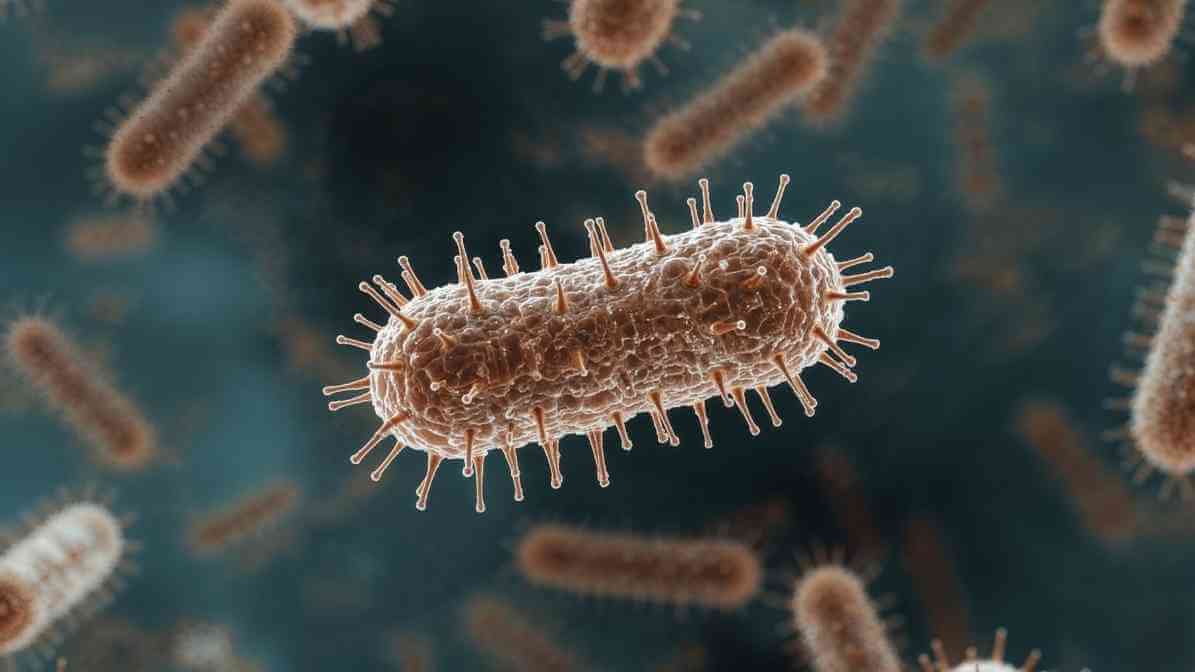
The most concerning disease transmitted by rat bites. Caused by Streptobacillus moniliformis (common in North America) or Spirillum minus (more prevalent in Asia and Singapore). Transmitted via bites, scratches, or contact with infected saliva. Incubation: 3–10 days. Treatment: antibiotics (streptomycin, gentamicin) — most effective when started early.
Symptoms: Sudden fever, rash on hands/feet, severe joint pain and muscle ache
Disease 2
Leptospirosis
Transmitted via contact with water contaminated by infected rat urine — including when a bite wound is exposed to contaminated surfaces. A serious concern in Singapore given the proximity to drains, flooding and urban rat activity. Treatment: antibiotics (penicillin, doxycycline) initiated promptly.
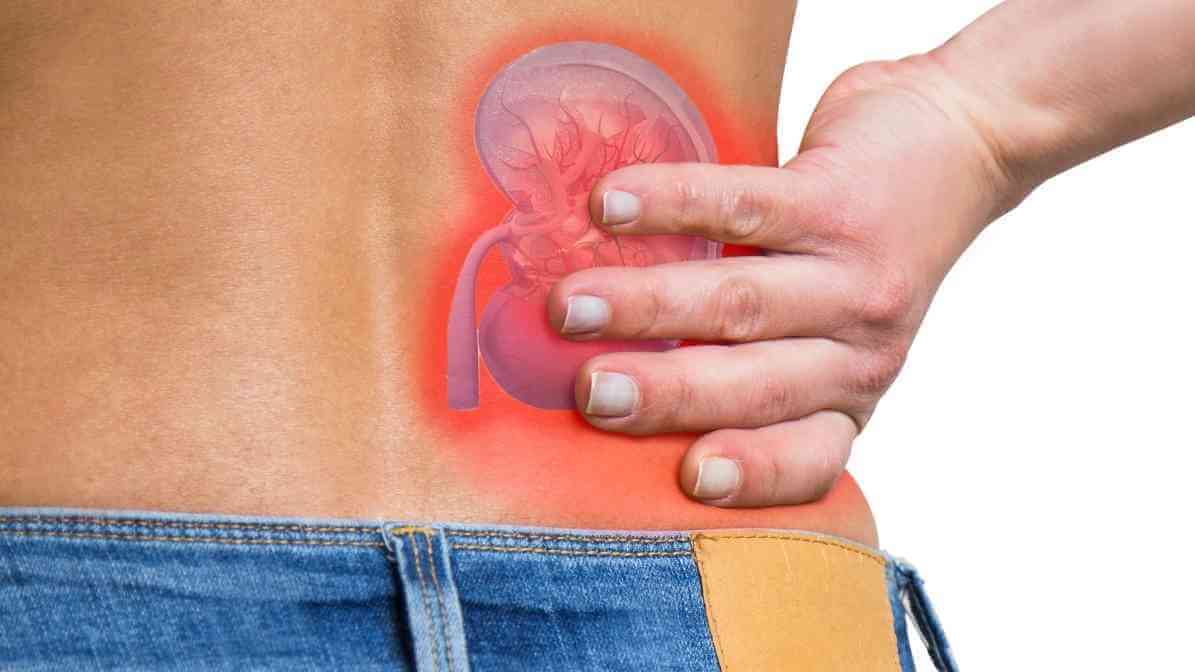
Symptoms: Fever, severe headache, muscle aches, jaundice, kidney and liver complications
Disease 3
Other Rat-Borne Bacterial Infections
●Hantavirus: Rare in Singapore, can cause severe respiratory illness but is typically not transmitted through bites — primarily through contact with infected rodent droppings or urine.
●Secondary skin infections: Bites that are not promptly cleaned can become infected by various bacteria, leading to cellulitis, abscesses and in untreated cases, systemic sepsis.
●Tetanus risk: Any puncture wound from an animal carries tetanus risk — your doctor will assess whether tetanus prophylaxis is needed based on your vaccination history.
Does a rat bite cause rabies? No — unlike dogs, cats or wild animals, rats are not known carriers of the rabies virus. A rat bite cannot transmit rabies to humans. This is a common misconception. However, the risk of bacterial infections from a rat bite remains very real and requires prompt medical treatment regardless.
Professional Rodent Control Singapore
Rodent activity in your property?
The only guaranteed way to prevent rat bites is to eliminate rat activity from your property entirely. Our NEA-licensed rodent control specialists deploy tamper-resistant bait stations, exclusion sealing and ongoing monitoring to keep your home and business rodent-free.
Preventing Rat Bites: Structural & Sanitation Measures
Prevention is your most effective defence. These measures eliminate the conditions that attract rats and reduce human–rodent contact to near zero:
Structural Measures
●Seal all entry points, cracks and holes in walls, floors and around pipes
●Install door sweeps and mesh screens over vents and drainage openings
●Eliminate standing water, leaks and excess moisture that attract rodents
●Maintain proper drainage and repair plumbing regularly
Sanitation Measures
●Store food in sealed, rodent-proof containers — especially in storage areas
●Remove clutter and organic waste that provide harbourage zones
●Implement proper waste disposal and use bins with secure lids
●Keep outdoor areas clear of fallen fruit, food waste and compostable material
Monitoring & Early Detection
●Deploy tamper-resistant bait stations at perimeter access points
●Use electronic rodent sensors to detect early activity in high-risk zones
●Schedule routine professional inspections for commercial properties
●Train staff to identify signs of rodent activity: droppings, gnaw marks, burrows
Section 06
Frequently Asked Questions
Yes, rat bites carry genuine health risks. The primary concern in Singapore is rat-bite fever (RBF) caused by Spirillum minus, which is prevalent in Asian rodent populations. Symptoms of fever, joint pain and rash can develop 3–10 days after the bite and may be severe if untreated. Leptospirosis is a secondary risk, particularly if the bite wound is exposed to contaminated water. Any rat bite should be medically evaluated within 24 hours, even if the wound appears minor and symptoms have not yet appeared.
The choice of antibiotic depends on the bacterial species identified and the patient's medical history. Streptomycin or gentamicin are first-line treatments for confirmed rat-bite fever. If the patient is allergic to penicillin, alternative drugs like doxycycline or erythromycin may be prescribed. If the wound is contaminated or deep, the treating doctor may also assess the need for tetanus prophylaxis. Do not attempt to self-medicate — only a qualified medical professional can prescribe and determine the appropriate antibiotic course after examination.
Yes. Rat-bite fever has an incubation period of 3–10 days, meaning you will feel completely normal for days before symptoms appear. Without preventive antibiotic assessment, a bacterial infection can progress silently. Additionally, even without infection, the wound should be professionally cleaned and evaluated to determine whether tetanus prophylaxis is required. Never assume you are safe simply because you feel well immediately after a rat bite.
Permanent rodent control requires three elements working together: elimination of existing rodent populations (using bait stations, traps or professional rodenticide application), exclusion of future entry (sealing all gaps 1.5cm or larger in walls, floors and around pipes) and removal of attractants (food, water and harbourage). DIY methods address rodents at the surface level but rarely eliminate an established infestation completely — particularly in commercial properties or high-density residential environments. Our NEA-licensed pest control specialists provide site-specific assessments, targeted rodenticide deployment and ongoing monitoring to ensure a property remains rodent-free long-term.
Written by
Leia Rassid
Content Specialist • Innovative Pest Management
Pest control content specialist at Innovative Pest Management. Leia writes practical identification and prevention guides to help Singapore homeowners and businesses stay pest-free.
Prevention is Your Best Defence Against Rat Bites.
The only reliable way to prevent rat bites is to eliminate rat activity from your property. Our NEA-licensed rodent control specialists deploy tamper-resistant bait stations, carry out structural exclusion assessments and provide ongoing population monitoring — ensuring your home and business stay rodent-free long-term.
I am committed to turning complex pest-management insights into clear, practical information that anyone can understand. Through my work, I aim to empower homeowners and businesses to make informed decisions that protect their health, property and environment.