How to Get Rid of Drain Flies: DIY Remedies That Actually Work
Drain flies breed in the biofilm of your kitchen and bathroom drains. Left unchecked, a small problem becomes a full infestation within days. This guide covers the full life cycle, five proven home remedies and professional control options for homes and F&B businesses across Singapore.
Innovative Pest Management
|Updated October 2025|10 min read|NEA Licensed
48 hrs
Egg to adult under ideal conditions
300+
Eggs laid by a single female
5
Proven DIY home remedies covered
NEA
Licensed fly control specialists
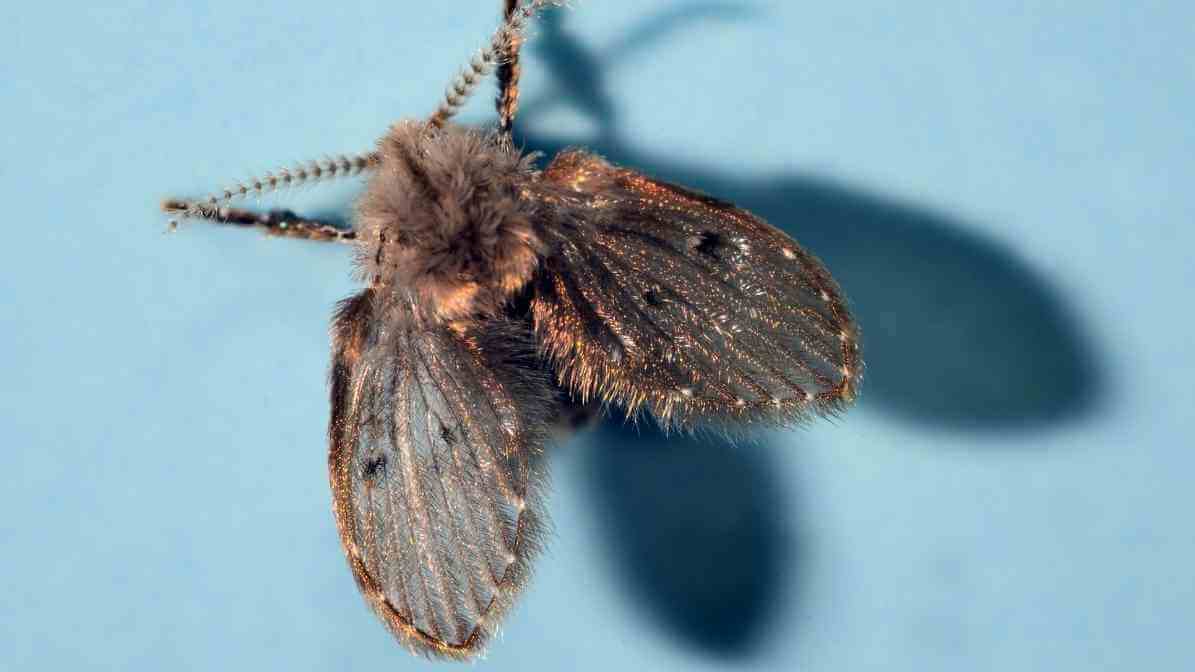
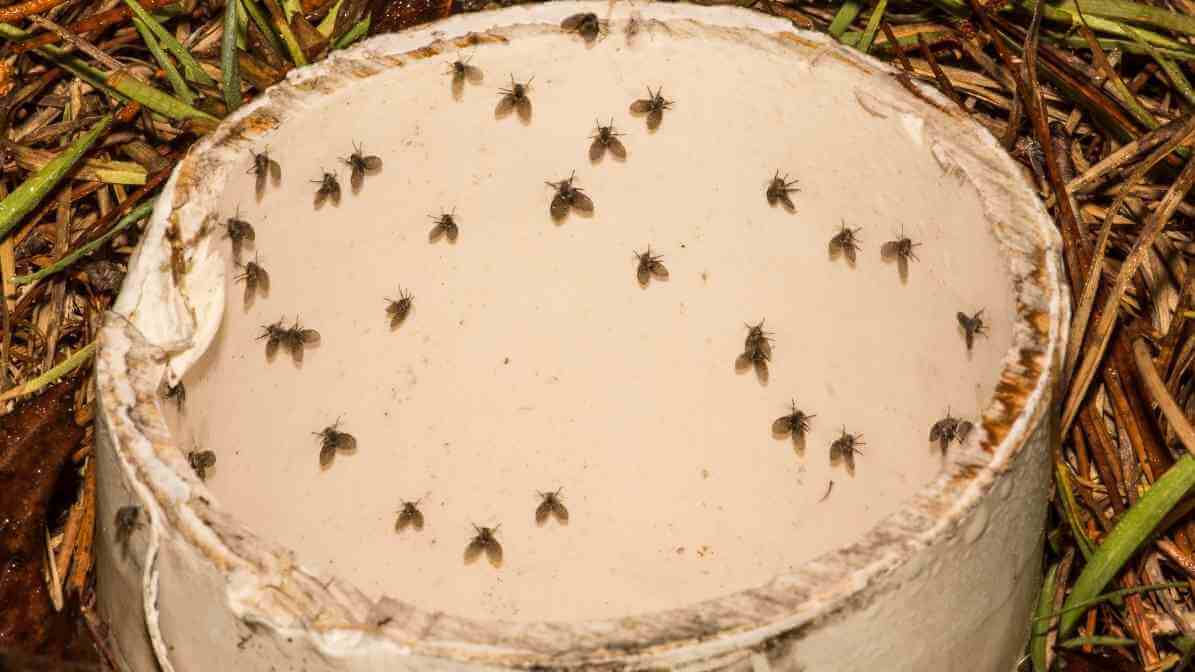
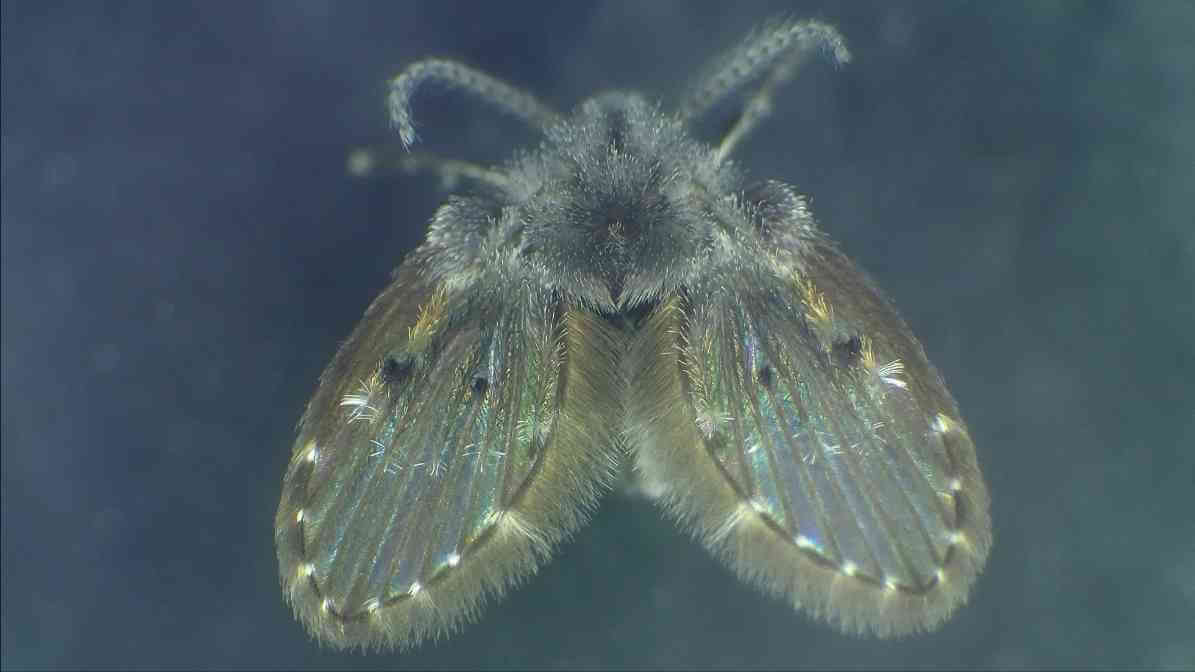
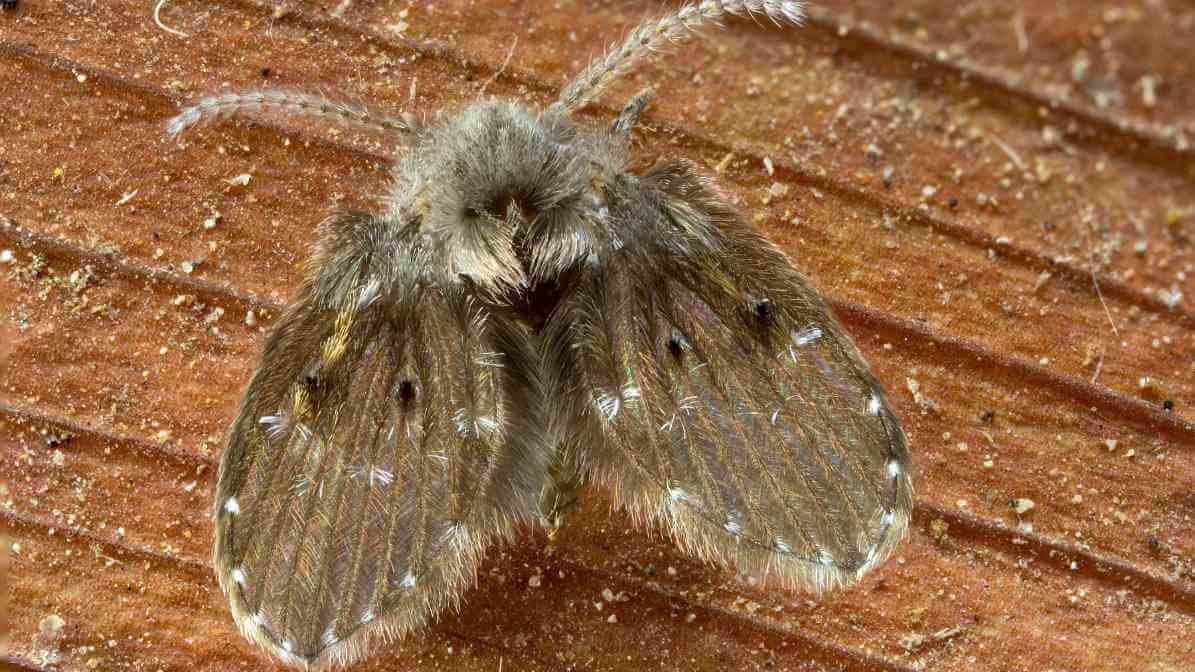
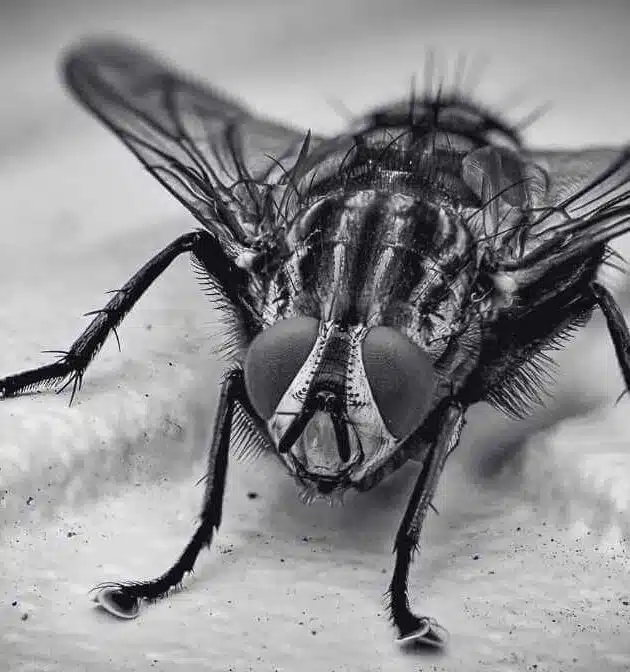
Drain flies — also known as moth flies or filter flies — are tiny, fuzzy-winged pests about 1.5–5mm in length that breed exclusively in the organic biofilm coating the inside of your drains. They thrive in kitchens, bathrooms, restaurants and food processing facilities. Despite their harmless appearance, a small drain fly problem escalates rapidly into a full infestation in Singapore's warm, humid conditions, creating hygiene concerns and contaminating food preparation areas.
Key Takeaways
✓Drain flies breed exclusively in the organic biofilm inside drains — not in standing water. Eliminating this biofilm eliminates the infestation.
✓The five most effective DIY remedies are: vinegar and dish soap trap, baking soda and vinegar flush, lemon and cloves repellent, salt/borax hot water treatment, and keeping drains covered and clean.
✓Five warning signs indicate an active infestation: frequent fly sightings near drains, larval activity in drains, decaying organic matter around plumbing, musty odours and evening fly swarms near lights.
✓Persistent drain fly problems in F&B environments require professional IPM treatment — home remedies alone are insufficient for commercial infestations.
Section 01
Understanding Drain Flies: Life Cycle & Biology
Drain flies are attracted to the decaying organic matter in drains covered with biofilms, sludge and organic debris. They thrive in stagnant water sources like sinks, floor drains and sewer systems. Understanding their life cycle is essential because disrupting it at the egg or larval stage is the most effective way to eliminate the infestation sustainably.
Stage 1
Egg
Laid in the slime layers of drains. Hatch quickly — as fast as 32–48 hours in warm Singapore conditions.
Stage 2
Larva
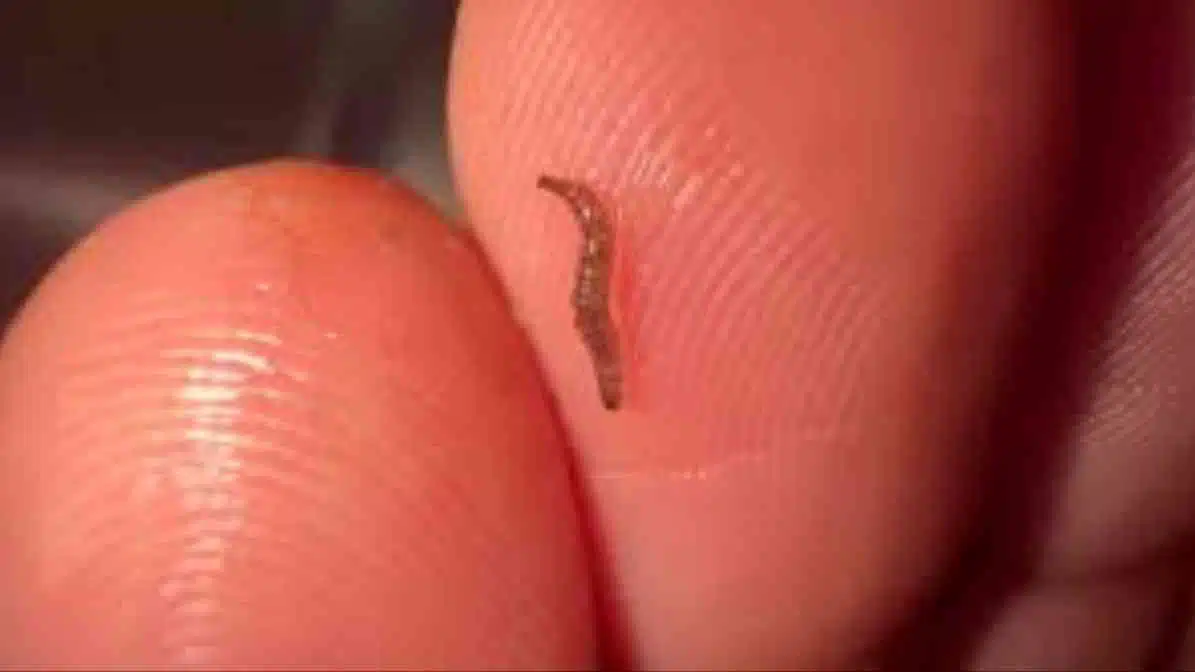
Small, worm-like and hardly visible. Feed on organic material in the biofilm coating drain walls.
Stage 3
Pupa
Develops within standing water and organic deposits in drains and damp plumbing areas.
Stage 4
Adult
Emerges and is attracted to light. Most active at dusk near moist environments and drain openings.
Why they are so persistent: The complete drain fly life cycle can finish in as little as 48 hours under ideal warm, humid conditions. A female can lay up to 300 eggs in her lifetime — all of them inside your drains. This means a small problem can become a significant infestation within days if the biofilm breeding source is not eliminated.
Section 02
5 Signs of a Drain Fly Infestation
Early identification prevents the problem from escalating. Recognising these five signs allows for timely DIY intervention before a professional treatment becomes necessary:
Sign 1
Frequent Fly Sightings
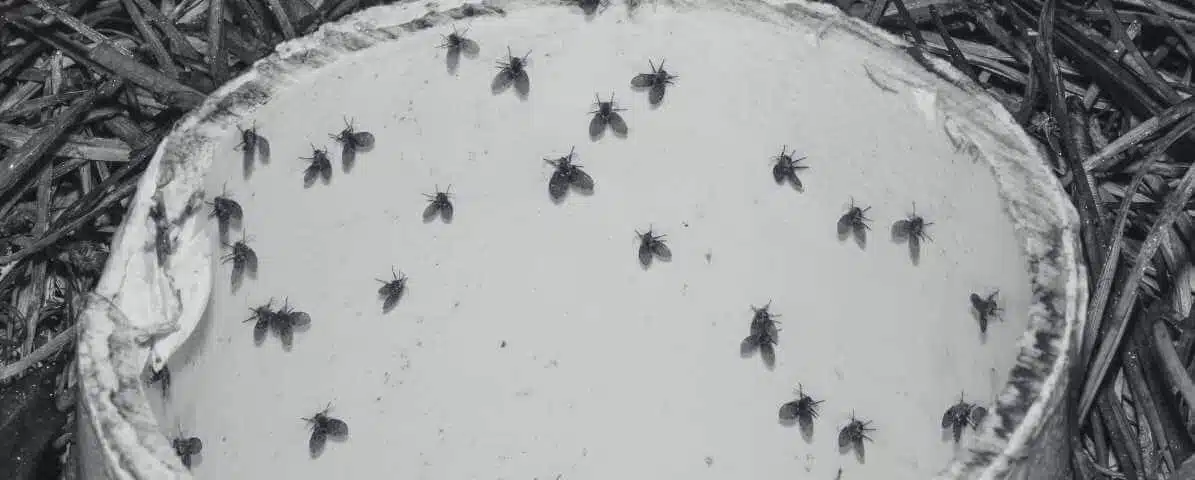
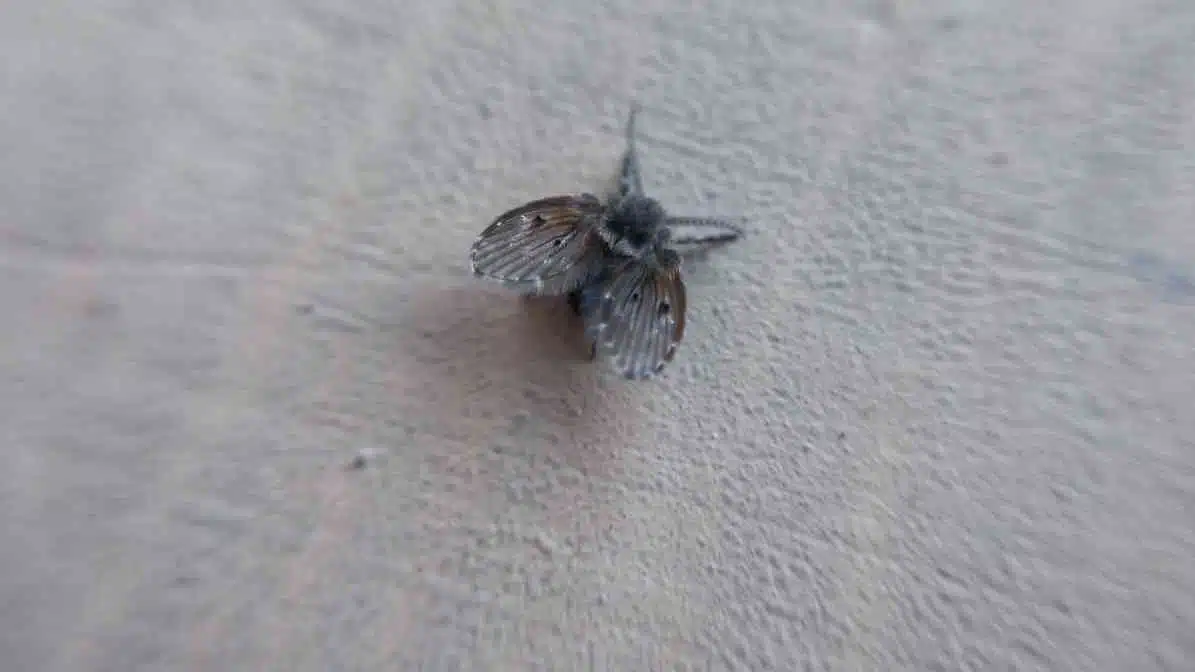
Tiny, moth-like flies hovering persistently near sinks, drains or moist areas are the most visible indicator. Drain flies rarely travel far from their breeding source — if you see them near a drain, that drain is actively infested.
Sign 2
Larval Activity Inside Drains
Visible larvae (tiny worm-like creatures) or moth fly activity inside or near the drain opening confirms active breeding. Shine a torch into the drain and check the walls for moving larvae in the biofilm.
Sign 3
Organic Matter Build-Up
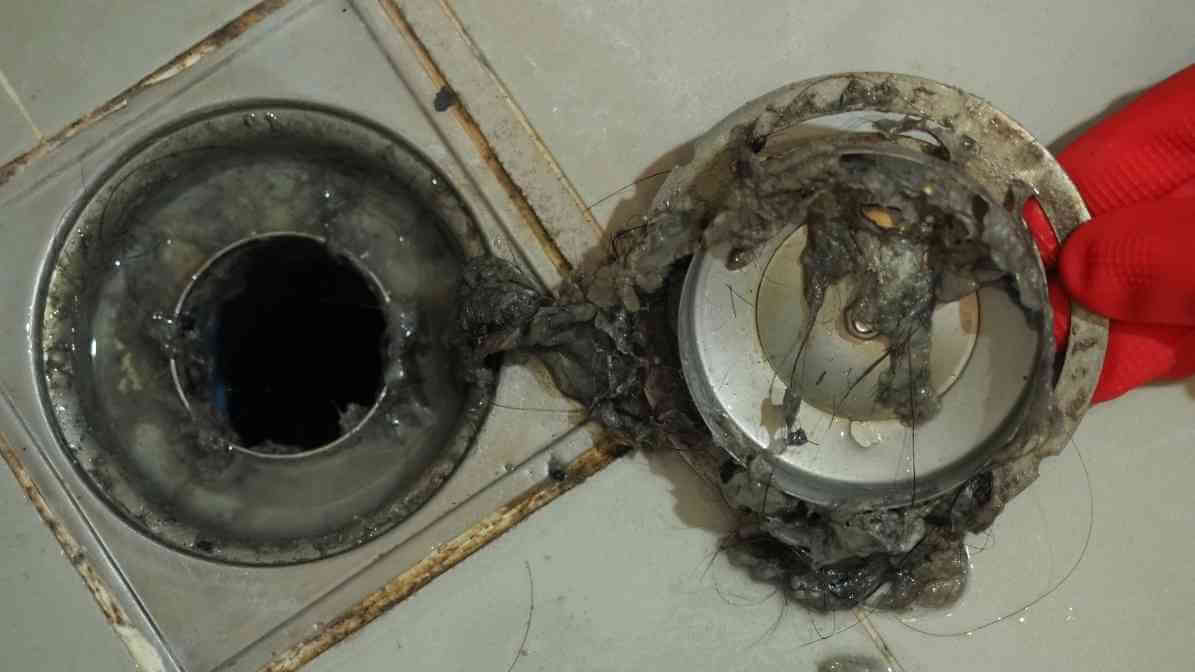
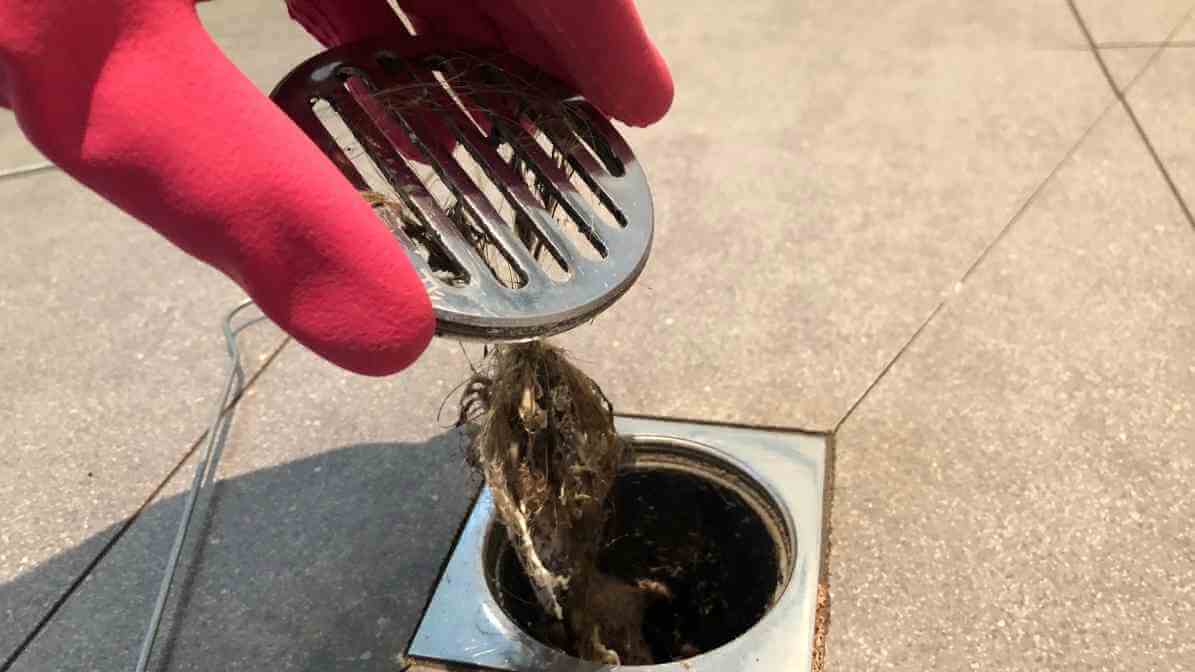
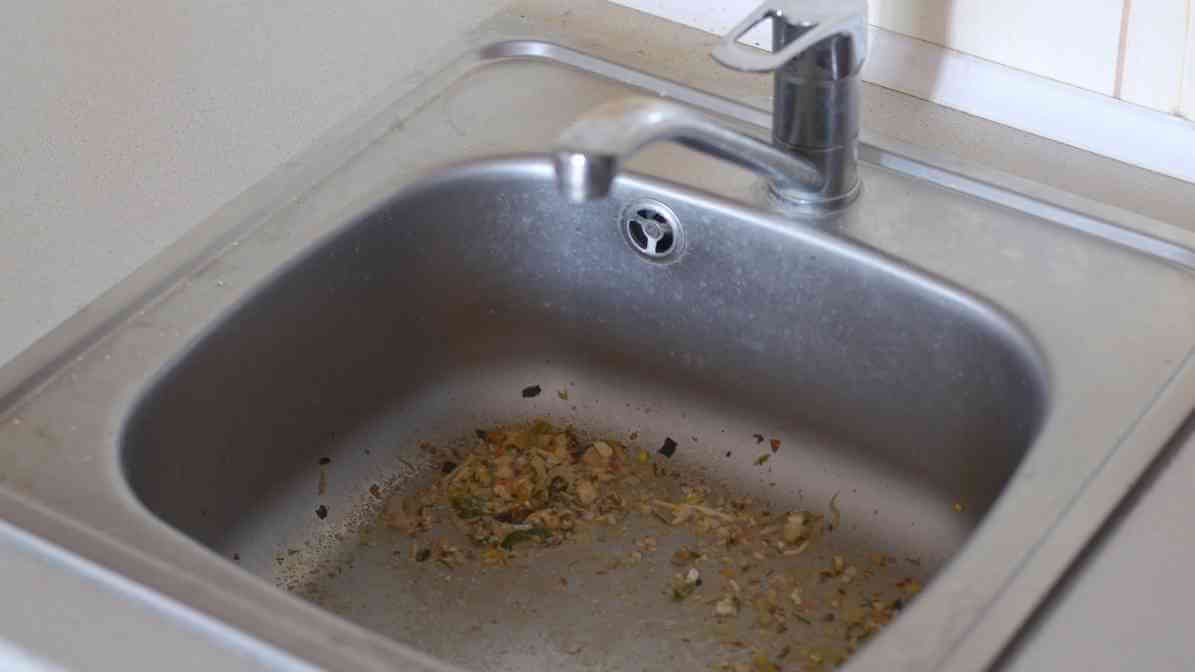
Dark specks, slime or piles of decaying organic matter around plumbing fixtures and drain openings indicate a biofilm build-up — the primary breeding ground. This is especially common in grease traps and kitchen floor drains.
Sign 4
Musty Odour from Drains
A persistent musty, stale or sewage smell emanating from drains or moist areas — even after cleaning — suggests heavy biofilm build-up. The smell is caused by decomposing organic matter and the metabolic activity of the larvae feeding within it.
Sign 5
Evening Fly Swarms Near Lights
Drain flies are attracted to light and are most active in the evening hours. Clusters of tiny fuzzy-winged flies swarming near light switches, vent openings or windows at dusk — especially in bathrooms and kitchens — is a strong indicator of a nearby drain infestation that has reached significant population density.
Section 03
5 Proven Home Remedies to Get Rid of Drain Flies
Home remedies for drain flies work by targeting the biofilm breeding source, trapping adult flies and disrupting the larval environment. These five methods are proven, affordable and safe for household use. Combine multiple methods for best results — especially for established infestations:
1
Boiled Vinegar & Dish Soap Trap
Fill a shallow bowl with white vinegar and add a few drops of dish soap. The soap breaks the surface tension, causing flies that land on the liquid to sink and drown. Secure the bowl tightly with plastic wrap, puncture small holes with a toothpick and place near drains. Drain flies are attracted to the organic odour of vinegar and once inside the holes, cannot escape.
Best for: Trapping and counting adult drain flies to gauge infestation severity
2
Baking Soda & Vinegar Drain Flush
Pour a generous amount of baking soda into the drain, followed by white vinegar. Allow the mixture to foam and fizz for 15–30 minutes — this chemical reaction breaks down the organic residue and biofilm that drain fly larvae depend on for food and shelter. Flush with boiling hot water to wash away dissolved debris. Repeat every 2–3 days until fly activity stops.
Best for: Disrupting and dissolving biofilm — the core breeding substrate
3
Lemon Peels & Cloves Repellent
Place lemon peels infused with cloves near drainage areas. The strong citrus scent attracts flies while the cloves act as a natural repellent — a combination that can help manage small infestations. Replace the peels and cloves every 2–3 days to maintain effectiveness. This method works best as a supplementary deterrent alongside active drain cleaning, not as a standalone treatment.
Best for: Supplementary deterrence for small or early-stage infestations
4
Salt or Borax Hot Water Treatment
Mix a generous amount of salt or borax with hot water and pour it down the drain every 2–3 weeks. Salt and borax are abrasive and antimicrobial — they help reduce the organic layer build-up in pipes, kill larvae and deter new egg-laying females. This treatment also keeps drain walls cleaner between more intensive cleaning sessions.
Best for: Killing larvae and reducing ongoing biofilm build-up as a maintenance routine
5
Keep Drains Covered & Regularly Cleaned
Install fine mesh drain covers to physically block adult flies from accessing their breeding sites inside the drain. Clean drains weekly with enzyme-based drain cleaners that digest organic material without harsh chemicals. Keeping drain covers sealed eliminates the breeding site access and breaks the reproductive cycle at its most vulnerable point — preventing females from reaching the biofilm to lay eggs.
Best for: Ongoing prevention after eliminating an active infestation
Professional Drain Fly Control Singapore
DIY not working for your F&B outlet?
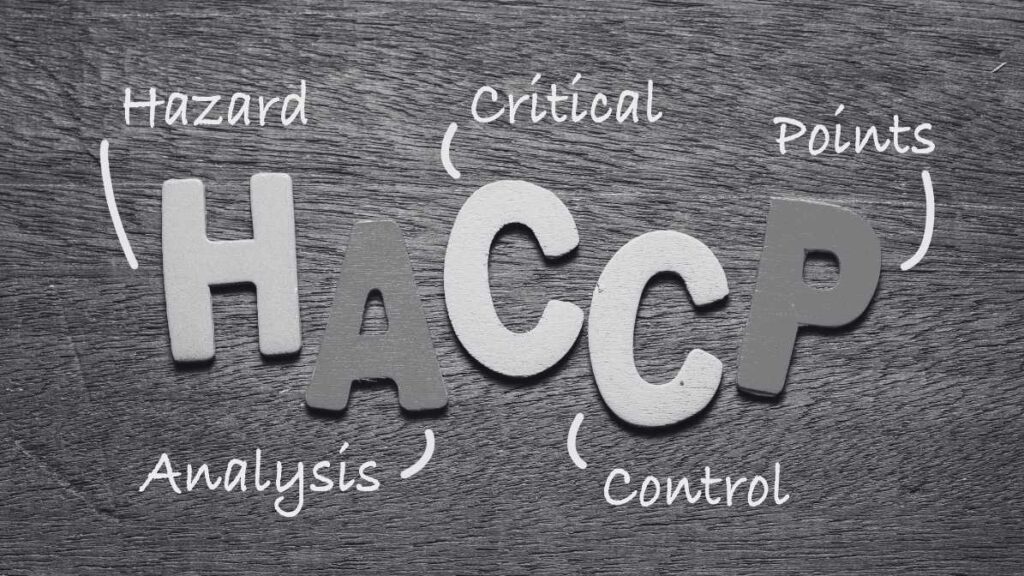
Persistent drain fly infestations in commercial kitchens require professional grease trap cleaning, drain biofilm treatment and InnoFly UV trap deployment. Our NEA-licensed team is HACCP-compliant and available same-day.
When dealing with persistent drain fly infestations — especially in restaurants, commercial kitchens and food processing facilities — a combination of DIY methods and professional pest services is the most effective approach. Professional control is recommended when:
DIY remedies have not reduced fly numbers after 2 weeks of consistent treatment
Drain flies are present in commercial food preparation or food storage areas
The infestation has spread to multiple drains or rooms in the property
A food safety audit or NEA inspection is scheduled and fly control compliance is required
Integrated Pest Management Approach (IPM)
Thorough drain inspection and biofilm assessment to locate all breeding sources
InnoFly UV trap deployment for continuous monitoring and adult population reduction
Professional enzyme drain treatment and grease trap cleaning
HACCP-compliant, eco-friendly treatments approved for use in food businesses
Section 05
Keeping Your Environment Drain Fly–Free
Effective drain fly control is not a one-time effort. In Singapore's warm, humid climate where drain fly populations grow year-round, ongoing management is required. These four ongoing practices prevent re-infestation after you have eliminated an active problem:
Regular drain cleaning. Clean all drains weekly using enzyme-based drain cleaners to prevent biofilm build-up. In commercial kitchens, clean grease traps at least twice monthly. A drain that stays clean has no breeding site for drain flies.
Eliminate standing water. Fix leaks promptly, ensure proper drainage and remove any accumulation of standing water around plumbing. Drain flies need moisture to survive — a dry environment is inhospitable for breeding.
Keep drain covers sealed. Fine mesh drain covers prevent adult females from accessing the drain to lay eggs. Combined with regular cleaning, covers provide a physical barrier that breaks the reproductive cycle at the most critical point.
Deploy light traps for early warning. UV light traps placed in kitchens and bathrooms catch adult drain flies early — before population numbers grow into a visible infestation. Monitoring trap catches weekly allows you to detect an emerging problem and treat it with DIY remedies before it escalates.
Section 06
Frequently Asked Questions
Drain flies do not bite humans and are not known to directly transmit diseases through biting. However, they are a significant hygiene concern — particularly in food handling environments. They breed in organic waste and sewage, so they carry bacteria on their bodies that can contaminate food preparation surfaces. In F&B environments, their presence constitutes a health code violation that can result in regulatory action. People with asthma or respiratory sensitivities may also experience reactions to inhaled drain fly particles or shed body parts.
The most common reason for recurring drain fly problems is incomplete biofilm removal. Simply pouring water or standard cleaning products down a drain does not remove the thick organic biofilm coating the interior walls. Drain fly larvae live inside this biofilm layer — often out of reach of surface cleaning. You must use enzyme-based drain cleaners or mechanical drain brushing to physically break down the biofilm. Additionally, if multiple drains are connected, you may be treating one visible source while the flies are breeding in a connected drain that was not treated.
With consistent daily treatment using the baking soda and vinegar method combined with drain covers, most household drain fly infestations resolve within 1–3 weeks. However, this requires daily action — not a single treatment. Adult flies that are already present will continue to be visible for several days even after the breeding source is eliminated, as they can live 20–30 days as adults. If fly numbers have not reduced significantly after 2 weeks of consistent DIY treatment, the infestation likely requires professional assessment to identify hidden breeding sources or structural drains that are not accessible for DIY cleaning.
While drain flies breed almost exclusively in drains and moist organic environments, their larvae can also be found in any consistently damp area with decaying organic material: wet soil near leaking pipes, birdbaths with algae, compost bins with moisture and even air conditioning drainage trays. Adults can disperse into the general environment and are attracted to light — which is why they are often seen on walls near windows at night, far from the actual drain. If you are seeing drain flies throughout your home but cannot identify the source, a professional inspection can locate hidden or unexpected breeding sites.
Written by
Leia Rassid
Content Specialist • Innovative Pest Management
Pest control content specialist at Innovative Pest Management. Leia writes practical identification and prevention guides to help Singapore homeowners and businesses stay pest-free.
Don't Let Drain Flies Compromise Your Hygiene Standards.
Effective fly control is not a one-time effort — it requires ongoing management. Our NEA-licensed specialists combine drain biofilm treatment, InnoFly UV trap deployment and HACCP-compliant prevention to deliver sustainable, inspection-ready results for homes and businesses.
I am committed to turning complex pest-management insights into clear, practical information that anyone can understand. Through my work, I aim to empower homeowners and businesses to make informed decisions that protect their health, property and environment.