Housefly Secrets: 10 Dangerous Diseases You Must Know
The house fly (Musca domestica) is far more than a nuisance. Every surface it touches, every piece of food it lands on, carries the risk of disease transmission. Understand the 10 diseases it spreads and the proven control strategies that keep your home and business safe.
Innovative Pest Management
|Updated October 2025|12 min read|NEA Licensed
7–10
Days for full life cycle (egg to adult)
6,000+
Eggs a single female lays in her lifetime
10+
Dangerous diseases spread by the house fly
NEA
Licensed fly control specialists
In urban and suburban environments worldwide — including Singapore — houseflies (Musca domestica) represent more than a nuisance. Despite their small size, they play a significant role transmitting disease-causing organisms, especially in crowded, food-handling and waste-accumulating areas. Understanding the 10 diseases spread by the house fly, their life cycle and the most effective pest control strategies is essential for protecting your home, business and community.
Key Takeaways
✓The house fly (Musca domestica) completes its full life cycle in just 7–10 days under Singapore's warm, humid conditions — making infestations escalate rapidly.
✓Houseflies do not bite — they spread disease by vomiting and defecating on food surfaces and by carrying pathogens on their bodies and leg hairs.
✓The 10 diseases spread by houseflies include cholera, typhoid fever, salmonellosis, dysentery, hepatitis A, leptospirosis, hepatitis E, food poisoning, and amebiasis.
✓Effective fly control requires a combination of environmental sanitation, physical barriers, biological control methods and professional pest management.
Section 01
The Biology of the House Fly: Understanding the Life Cycle
Understanding the house fly life cycle is fundamental to controlling their populations effectively. The female housefly lays eggs in breeding sites rich in decaying organic matter — waste, rotting fruit and vegetables, or sewage. Each female can lay hundreds of eggs, which hatch within 24 hours into larvae (maggots). These larvae feed on organic debris, growing rapidly before pupating into adult flies after about 4–5 days.
●
Egg
Laid in organic-rich breeding sites; hatch in as little as 24 hours
→
Larva (Maggot)
Feeds on decaying matter; grows rapidly over 4–5 days
↻
Pupa
Develops within a protective casing; metamorphosis stage
✓
Adult
Emerges and begins seeking food, breeding sites and light
The entire life cycle can complete in 7–10 days under Singapore's optimal warm, humid conditions. Houseflies are highly attracted to decaying organic matter and food sources — especially in waste management zones — making them highly efficient disease vectors. Their attraction to light frequently leads them into human environments, increasing the potential for pathogen transmission.
Section 02
10 Diseases Spread by the House Fly: An In-Depth Overview
Not understanding the diseases spread by the house fly underscores the importance of comprehensive fly management programmes. The following 10 diseases are directly or indirectly linked to Musca domestica activity in food-handling and human environments:
01
Cholera (Vibrio cholerae)
◆A severe diarrhoeal disease causing rapid dehydration, and death in untreated cases.
◆Transmission: Flies contaminate food and drinking water — especially raw fruits and vegetables in markets.
◆Symptoms: Sudden profuse watery diarrhoea, dehydration, in severe cases death.
02
Typhoid Fever (Salmonella typhi)
◆A bacterial infection causing high fever and severe intestinal complications.
◆Transmission: Flies deposit bacteria on food or utensils, particularly in open markets and hawker centres.
◆Symptoms: High fever, weakness, abdominal pain, characteristic rose-coloured rash.
03
Salmonellosis (Salmonella spp.)
◆A common food-borne illness leading to significant gastrointestinal discomfort.
◆Transmission: Flies contaminate fruits, vegetables and cooked food — especially in unhygienic environments.
◆Symptoms: Diarrhoea, fever, abdominal cramps and dehydration.
04
Dysentery (Shigella spp. / E. histolytica)
◆An infection causing severe diarrhoea, often with blood or mucus.
◆Transmission: Flies contaminate food and water sources with Shigella bacteria or protozoan parasites.
◆Symptoms: Bloody stool, severe abdominal pain and fever.
05
Hepatitis A (Hepatitis A Virus)
◆A viral liver infection with significant impact on food safety and public health.
◆Transmission: Flies contaminate food or water, especially at markets and street food stalls.
◆Symptoms: Jaundice, fatigue, nausea and fever.
06
Leptospirosis (Leptospira bacteria)
◆A bacterial disease originating from contaminated water and waste, with serious organ implications.
◆Transmission: Flies move contaminated materials from sewage or stagnant water onto exposed food and water sources.
◆Symptoms: Fever, muscle ache, kidney and liver failure in severe cases.
07
Hepatitis E (Hepatitis E Virus)
◆An acute liver disease particularly dangerous in areas with poor sanitation; severe risk for pregnant women.
◆Transmission: Flies contaminate food and water, especially in markets handling raw produce.
◆Symptoms: Jaundice, fatigue, nausea and high fever.
08
Food Poisoning (Salmonella, Listeria etc.)
◆Ingestion of contaminated food resulting in severe gastrointestinal illness.
◆Transmission: Flies land on raw produce, cooked food and utensils, depositing bacteria from previous surfaces.
◆Symptoms: Diarrhoea, vomiting, abdominal cramps and dehydration.
09
Viral Haemorrhagic Fever (Indirect)
◆Although typically transmitted by mosquitoes (Dengue, Zika), houseflies contribute indirectly by breeding in organic waste, promoting mosquito breeding habitats.
◆Symptoms: Fever, severe headache, muscle pain, bleeding and in severe cases, organ failure.
◆Transmission: Flies spread disease by contaminating food or water with faecal matter containing E. histolytica cysts.
◆Symptoms: Bloody diarrhoea, abdominal pain, fever and fatigue.
Section 03
Biological Traits of the House Fly & How They Spread Disease
Houseflies are remarkably well-adapted to spreading disease — almost perfectly engineered for contamination. Understanding these traits explains why a single house fly landing on your food is a genuine health risk:
Sponge-Like Mouthparts
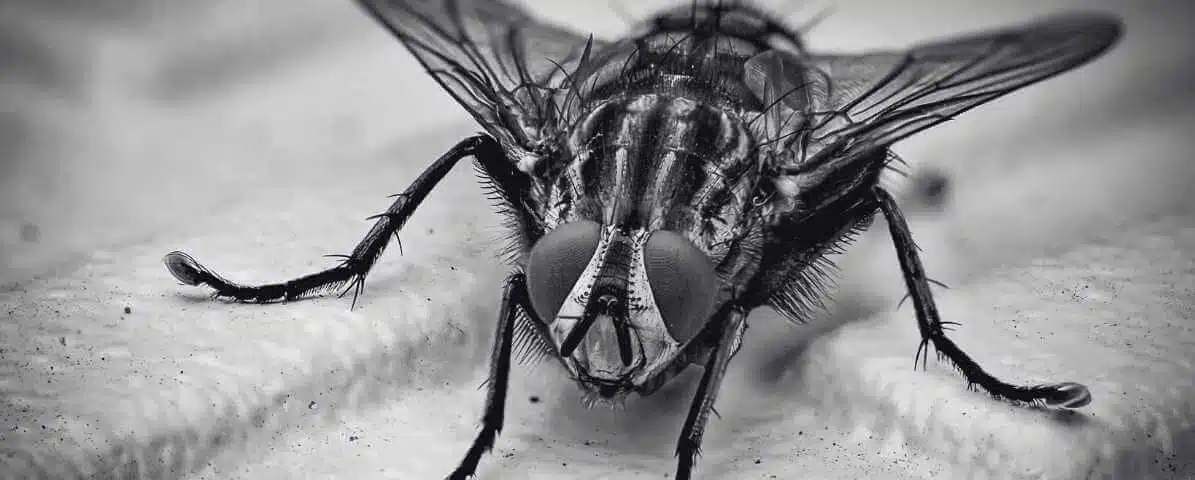
Houseflies cannot bite — they vomit digestive fluids onto food to liquefy it before consuming it. This process deposits bacteria, viruses and parasites directly onto the food surface. Every feeding event is a contamination event.
Pathogen-Carrying Leg Hairs
The six legs of a housefly are covered in tiny hairs (setae) that trap bacteria, viruses, protozoan cysts and even fungal spores from every surface they land on — transferring them to the next surface they touch, including your food.
Attraction to Light & Food
Houseflies are strongly attracted to light and use it to navigate into human environments — kitchens, food stalls and restaurants. Once inside, they target food sources, waste bins and human food simultaneously, creating continuous cross-contamination pathways.
Rapid Breeding in Waste
A single female can lay up to 6,000 eggs in her lifetime in decaying matter, sewage and waste management areas. In Singapore's year-round warmth, each generation completes in just 7–10 days — allowing populations to explode rapidly without intervention.
Professional Fly Control Singapore
Fly problem in your kitchen or F&B outlet?
Our NEA-licensed fly control specialists use InnoFly UV traps, biological control and targeted treatment to eliminate house fly infestations at source. HACCP-compliant methods for food businesses.
Effective Fly Control Solutions & Preventive Strategies
Effective house fly control requires a multi-layered approach that addresses breeding conditions, eliminates existing populations and prevents re-entry. These five strategies form the foundation of a comprehensive fly management programme:
Strategy 1
Maintain Cleanliness
Rigorous sanitation is the first and most critical line of defence. Clean food preparation surfaces immediately after use, secure rubbish bins with tight-fitting lids, eliminate standing water and remove all organic waste that can serve as housefly breeding sites.
Strategy 2
Eliminate Breeding Sites
Remove decaying organic matter from your property. This means composting correctly, cleaning grease traps in F&B environments regularly, ensuring drainage systems are maintained and eliminating any accumulation of wet organic waste that attracts egg-laying females.
Strategy 3
InnoFly UV Light Traps
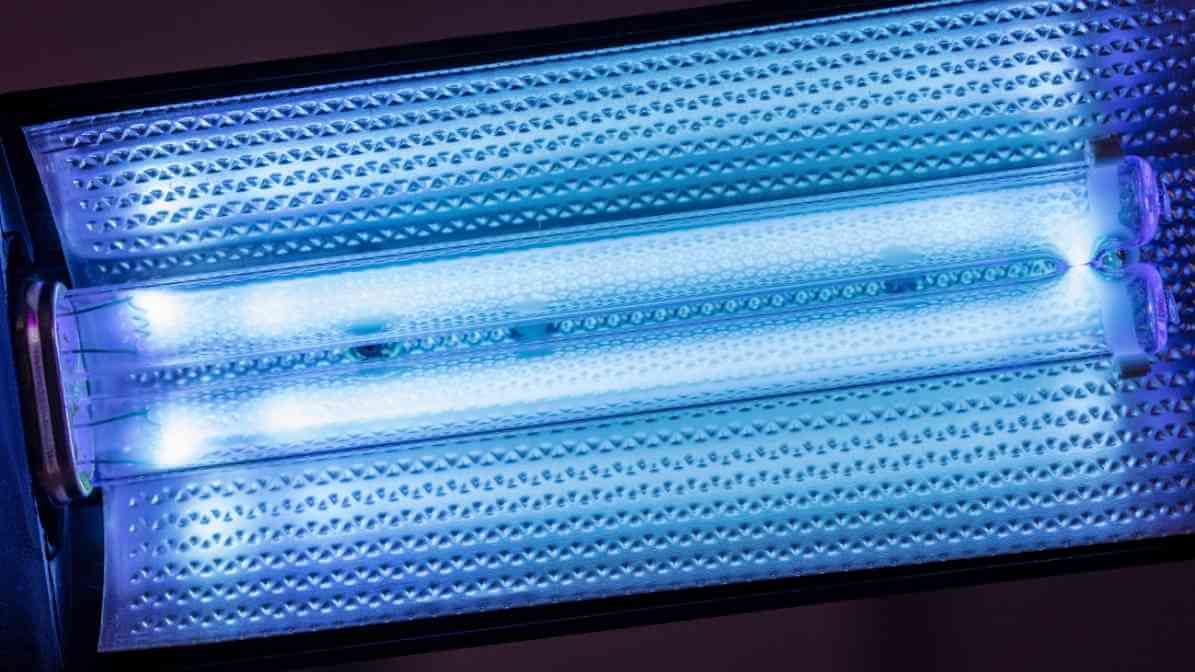
Our proprietary InnoFly traps use ultraviolet light to attract and trap house flies effectively, providing continuous monitoring and population reduction — particularly valuable in commercial kitchens and restaurants.
Strategy 4
Biological Control
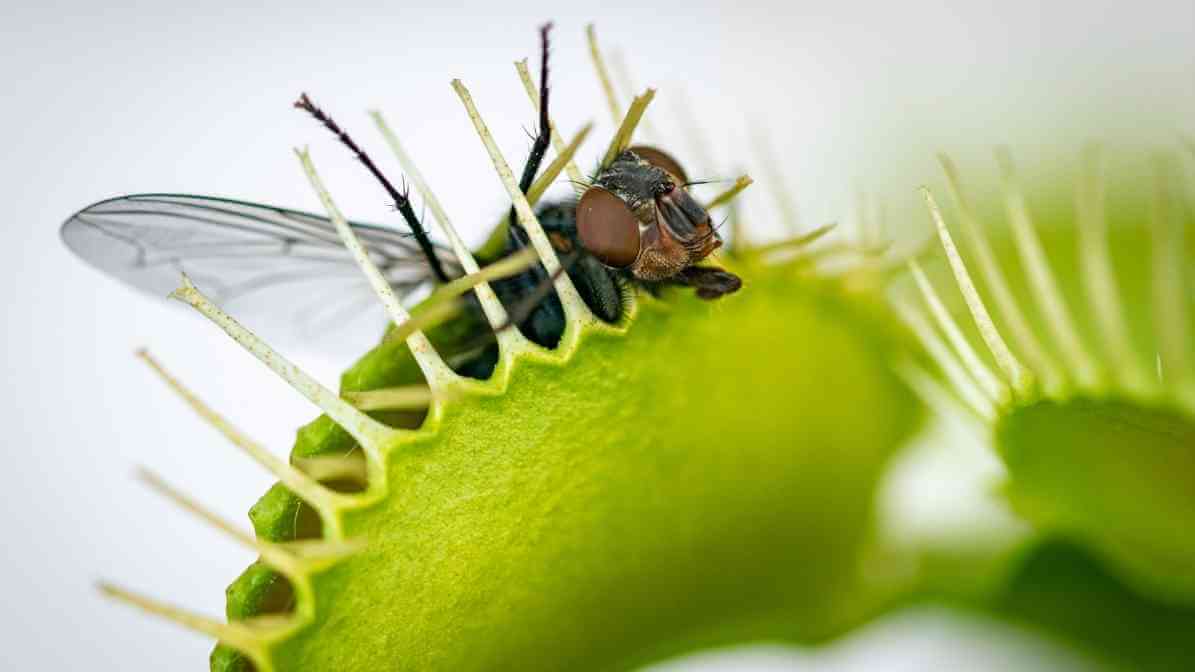
Fly paper, natural predators and biological larvicides target flies at specific life cycle stages without residual chemicals — ideal for food-safe environments where chemical applications are restricted.
Strategy 5
Install Window Screens
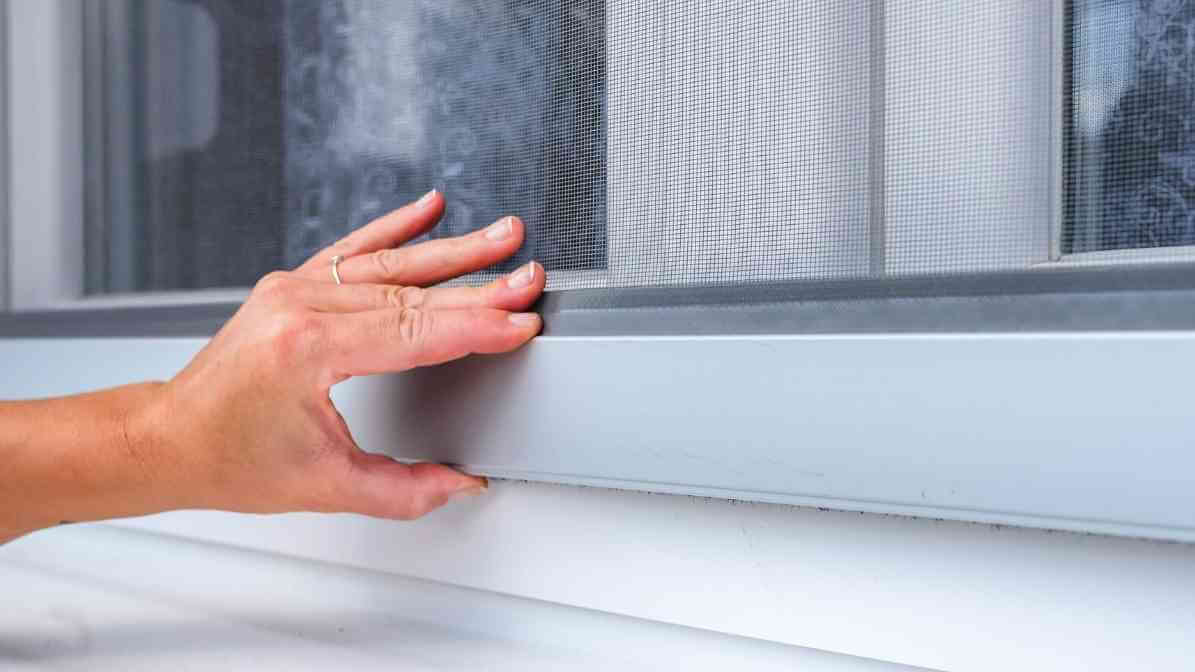
Physical barriers on windows, vents and doorways block house fly entry at the structural level. Combined with air curtains at commercial entry points, screens provide passive, chemical-free fly exclusion around the clock.
Section 05
Why Proactive Pest Management Matters
The house fly is more than a simple nuisance. Its capacity to transmit disease and contaminate human food underscores the need for an ongoing fly management programme. Combining environmental sanitation, physical barriers, biological controls and modern pest control treatments creates a pest-free environment that promotes public health.
Ongoing inspection and control services in Singapore ensure pest problems are tackled before they escalate — protecting your family, community and business reputation. Adopting an integrated pest management approach that emphasises hygiene, targeted control solutions and modern monitoring tools not only controls current infestations but also prevents future pest problems.
Our Professional Fly Control Includes
Thorough site assessment and breeding site identification
InnoFly UV trap deployment and monitoring
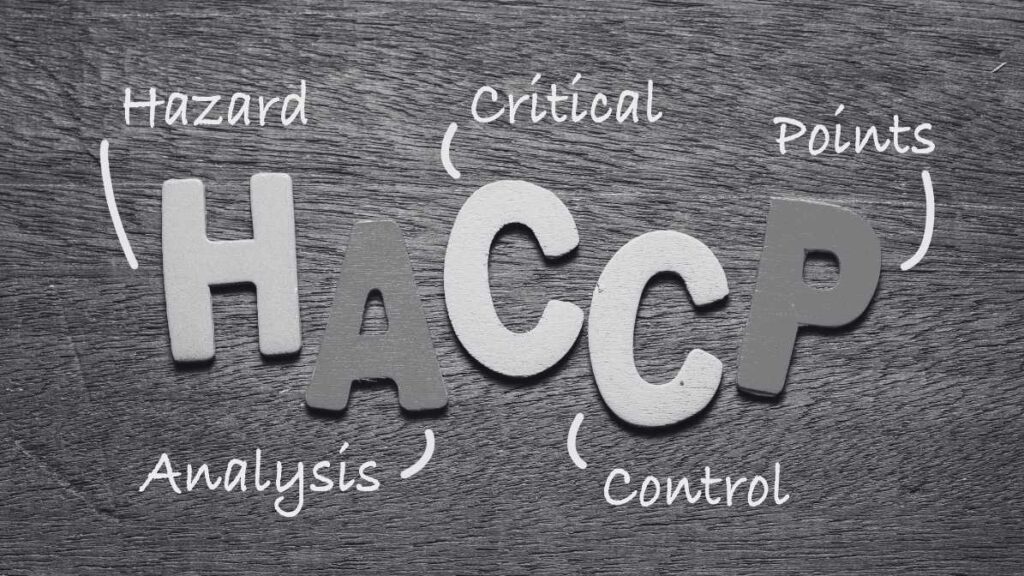
HACCP-compliant treatment for F&B environments
Sanitation and structural advisory recommendations
Regular follow-up inspections and population monitoring
Eco-friendly, food-safe treatment methods
Section 06
Frequently Asked Questions
Houseflies spread disease through three primary mechanisms. First, their sponge-like mouthparts work by vomiting digestive fluid onto food and then sucking up the liquefied mixture — this deposits any bacteria or viruses from their digestive system directly onto your food. Second, the dense hairs covering their six legs trap pathogens from every surface they land on (drains, rubbish bins, faeces) and transfer them to the next surface. Third, they defecate frequently while feeding, depositing faecal matter containing any pathogens they have consumed. A single house fly can carry over one million bacteria on its body at any given time.
The most effective fly control combines sanitation (eliminating breeding sources), physical exclusion (screens and air curtains), UV light traps for monitoring and population reduction, and targeted insecticide application where necessary. For homes, rigorous waste management and keeping food covered addresses most infestations. For commercial premises — especially F&B and food production — a professional integrated pest management programme with InnoFly UV trap deployment, regular breeding site inspections and HACCP-compliant chemical control provides the most thorough and regulatory-compliant solution.
Singapore's year-round tropical climate — warm temperatures and high humidity — creates optimal conditions for housefly breeding and population growth. Unlike temperate countries where fly populations slow during winter, Singapore's flies breed continuously throughout the year. This means faster population growth, shorter generation times (as short as 7 days) and more constant pressure on food businesses and households to maintain fly control. The density of F&B establishments, hawker centres and food markets in Singapore creates ideal conditions for fly-transmitted disease spread, making professional fly control particularly important in this environment.
A single brief landing from a housefly does not guarantee illness, but it does represent a real contamination risk. The risk level depends on where the fly has been before landing on your food — a fly that has visited a rubbish bin, an exposed drain or animal faeces before landing on your plate carries a significantly higher pathogen load than one that has only been around clean surfaces. Given that a single fly can carry over a million bacteria and that houseflies are constantly moving between dirty and clean surfaces, the precautionary approach is to discard any food that a housefly has landed on, particularly if it is uncooked or will not undergo further heat treatment.
Written by
Leia Rassid
Content Specialist • Innovative Pest Management
Pest control content specialist at Innovative Pest Management. Leia writes practical identification and prevention guides to help Singapore homeowners and businesses stay pest-free.
The House Fly Carries 10 Diseases. Don't Let It Near Your Food.
Communities and business owners must prioritise pest control to safeguard public health, maintain sanitation standards and protect property values. A pest-free environment is achievable with proactive measures and professional pest control services. Our NEA-licensed team delivers HACCP-compliant fly management for F&B, residential and commercial environments.
I am committed to turning complex pest-management insights into clear, practical information that anyone can understand. Through my work, I aim to empower homeowners and businesses to make informed decisions that protect their health, property and environment.