How to Properly Identify Flea Bites vs Bed Bug?
October 29, 2025
Proven Natural Home Remedies for Fleas and Ticks Infestations
November 5, 2025
Spot signs of fleas on dogs, learn how to kill adult fleas and discover our expert prevention methods. Learn effective flea treatments and prevention from Singapore pest experts.
Frightening Signs of Fleas on Dogs You Must Recognise
Hidden Signs of Fleas on Dogs Every Pet Owner Fears
When your dog starts scratching more than usual, we easily assume that is it just dry skin or an allergy. But in many cases, those subtle signs point to something far more persistent, an infestation of fleas on dogs. Fleas are tiny, fast-moving parasites that feed on your pet’s blood, often long before you notice any obvious symptoms.
Understanding the hidden signs of fleas on dogs can make the difference. Between early intervention and a full-blown flea infestation affecting your home. Our experts will uncover the less obvious clues that your dog may have fleas, discuss the science behind their behaviour. Exploring effective ways to treat and prevent them.
How to Spot Cat Fleas on Dogs Before It’s Too Late?
Understanding Fleas, The Silent Blood Feeders
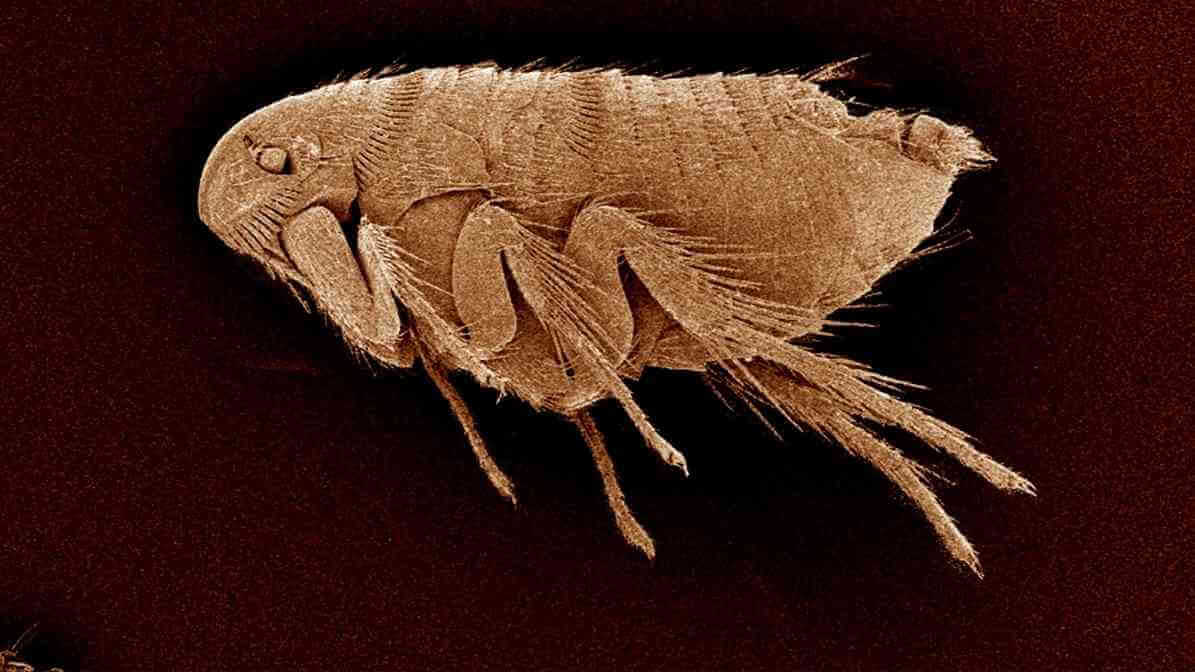

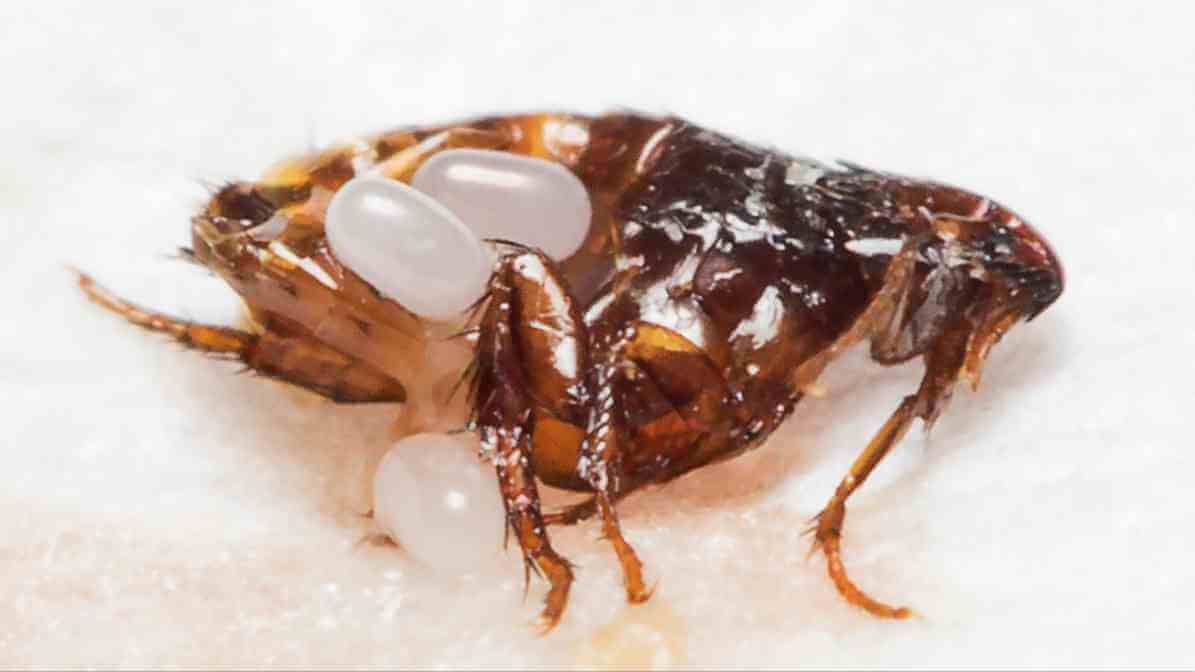
What Are Fleas?
Fleas are small, wingless insects belonging to the order Siphonaptera. Among the many species, the most common one found on dogs (and cats) is cat fleas (Ctenocephalides felis). Despite their name, these pests do not discriminate. Cat fleas are responsible for most flea infestations in dogs and even humans.
How Fleas Feed?
Adult fleas survive on a blood meal, piercing your dog’s skin with specialised mouthparts to feed. Each flea can consume up to 15 times its body weight in blood daily. This constant feeding irritates the skin, causing itching, hair loss and in severe cases. Flea bite causes anaemia, especially in smaller or younger dogs.
Flea Life Cycle
A single adult flea can lay up to 50 eggs per day, often falling off your dog into carpets, bedding and furniture. Within weeks, those eggs hatch into larvae, pupate and emerge as adult fleas ready to start feeding again. That is why even if you eliminate the visible fleas. Hidden flea eggs can restart the infestation if not properly managed.
Shocking Signs of Fleas on Dogs You Might Miss
The Hidden Signs of Fleas on Dogs
Many pet owners will expect to see fleas crawling on and around their dog fur. However, fleas are experts at staying hidden, especially in thick or dark fur. Instead, your dog’s behaviour and physical symptoms can reveal their presence.


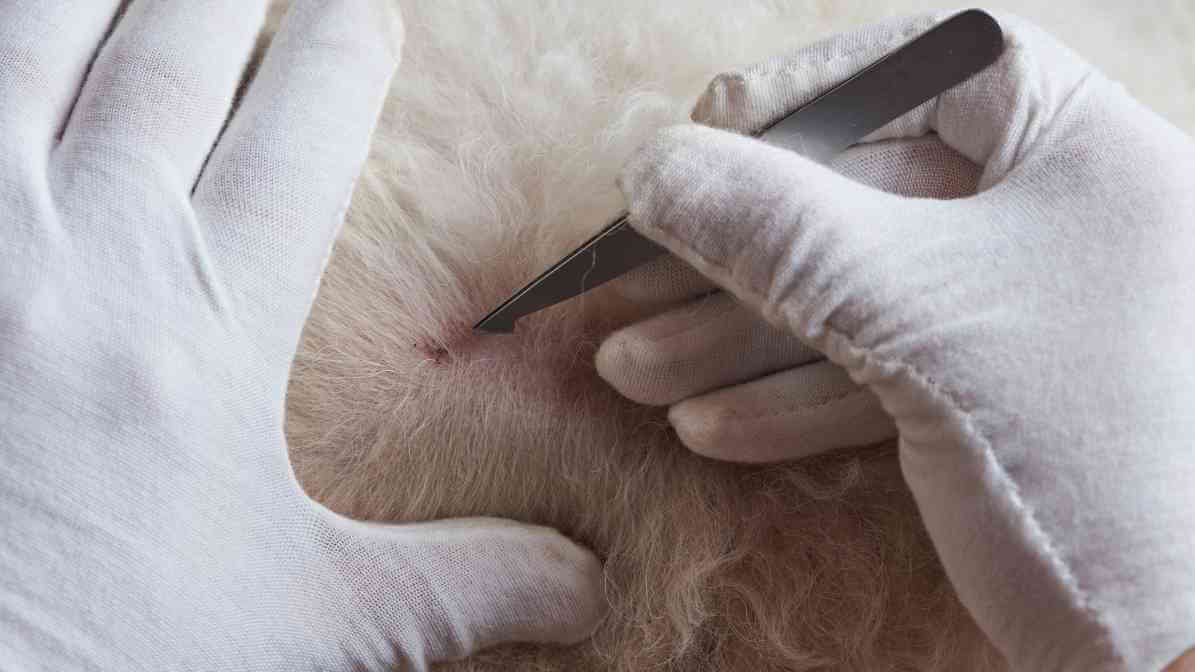
Persistent Scratching and Biting
Flea saliva contains irritating compounds that trigger intense itchiness. Dogs often bite or lick areas where fleas feed, usually around the tail base, abdomen and inner thighs.
Red Bumps or Flea Bites
Flea bites appear as small red bumps, often surrounded by irritated skin. These marks may cluster around areas with thin fur, such as the belly, armpits or groin. Sensitive dogs may even develop allergic dermatitis, worsening the irritation.
Flea Dirt, The Black Specks
One of the most reliable signs of fleas is flea dirt, tiny black specks that resemble pepper flakes. Actually they are flea faeces composed of digested blood. To confirm, place the specks on a damp tissue, if they turn reddish-brown, you are dealing with flea droppings.



Hair Loss or Thinning Patches
Repetitive scratching, licking and biting can lead to noticeable hair loss, particularly along the tail and hindquarters. Fleas may also cause allergic reactions that result in scabs, rashes and thinning fur.
Restlessness and Discomfort
Cat and dogs with fleas rarely get peaceful sleep. The constant itching can make them restless, irritable and anxious. If your usually calm pet seems agitated or unable to relax, fleas may be the hidden culprit.
Pale Gums or Weakness
In severe infestations, especially among puppies, fleas consume enough blood to cause anaemia. Pale gums, lethargy and weakness are serious warning signs that require immediate veterinary care.
Cat Fleas and Fleas on Dogs: The Hidden Connection
Why Cat Fleas Affect Dogs Too?
It surprises many owners to learn that cat fleas (Ctenocephalides felis) are responsible for most flea problems in dogs. These adaptable parasites prefer cats but thrive equally on dogs and other mammals. This cross-species adaptability makes flea prevention a household-wide effort. Treating only your dog without addressing your cat or environment can cause recurring infestations.
Cat fleas can:
Infest both cats and dogs in the same household.
Jump from one animal to another easily.
Reproduce rapidly if not addressed with flea prevention measures.
Unseen Signs of Fleas on Dogs That Reveal Infestation
Confirming a Flea Infestation
Use a Flea Comb
A flea comb is an essential tool for pet owners, its fine teeth trap fleas, flea dirt and eggs. Comb your pet, especially around the neck and tail and inspect the comb for live fleas or black specks.
Check Bedding and Carpets
Fleas spend more time off your pet than on them. Regularly inspect their bedding, carpets and furniture seams for flea dirt or eggs. A flashlight and magnifying glass can help detect them in fabric fibres.
White Sock Test
Wear white socks and walk across carpeted areas. If fleas are present, you may notice tiny dark dots jumping onto your socks. This simple method helps identify hidden flea infestations indoors.
Proven Ways to Kill Fleas and Stop the Infestation Fast
How to Kill Fleas? Effective Treatments and Prevention
Once you’ve confirmed fleas, immediate treatment is crucial. A multi-step approach ensures all life stages from flea eggs to adult fleas are eliminate.
Topical Flea Treatments
Topical products, apply between dog’s shoulder blades, the contain ingredients kills adult fleas and disrupt their life cycle. Always choose veterinarian-approved flea treatments designed for your pet’s size and species.
Oral Medications
Oral flea control pills offer fast-acting results, killing fleas within hours of ingestion. Some formulas also provide protection against ticks and other parasites.
Flea and Tick Shampoos
Medicated shampoo products help wash away live fleas and relieve itching. However, they’re best used as part of a larger flea control plan, not as a standalone solution.
Environmental Cleaning
To prevent re-infestation, regularly wash pet bedding in hot water weekly, vacuum carpets and upholstery thoroughly. Ensure that you dispose of vacuum bags immediately. And treat your home with approved flea products or seek professional Innovative Pest Management.
Silent Signs of Fleas on Dogs That Cause Hair Loss
Preventing Future Flea Problems
Regular Preventive Treatments
Consistent flea prevention is key. Monthly topical flea or oral treatments can break the life cycle of flea ctenocephalides, ensuring long-term protection.
Grooming and Hygiene
Regular brushing and bathing not only keep your dog’s coat healthy but also help detect fleas early. Use a flea comb during grooming sessions for early detection.
Home Maintenance
Maintain cleanliness by vacuuming regularly and washing fabrics. Consider our professional pest control if you experience recurring infestations, fleas can hide deep in flooring or upholstery.
Pet Health Monitoring
Healthy pets are less attractive to parasites. Balanced diets, regular vet checkups and clean environments contribute to stronger immunity and fewer flea infestations.
Proven Ways to Kill Fleas and Stop the Infestation Fast
When to Call Innovative Pest Control and Management Professional?
At Innovative Pest Management, our specialists understand the biology of flea ctenocephalides. Our experts use targeted, safe and effective treatments to eliminate fleas from both your pets and your environment. We combine scientific insight with practical experience to ensure long-term protection. Despite your best efforts, some infestations require our expert help.
If you notice: …it’s time to consult both a veterinarian and our professional pest management service.
Repeated infestations despite treatment
Fleas spreading to multiple pets or rooms
Severe allergic reactions or skin infections
Professional Fleas and Ticks Control Services, Stay Ahead of the Flea Problem
Innovative Pest Blog Summary
The signs of fleas and ticks on dogs are not always obvious. But catching them early can save your pet from weeks of discomfort and your property from infestation. By understanding their habits, monitoring for subtle clues like flea dirt or hair loss. Committing to regular flea prevention can keep your pet happy, healthy and flea-free.
Remember that rat flea, cat fleas, dog fleas and even flea eggs can coexist in your environment. But with knowledge, consistency and professional care, you can protect your pet and your peace of mind.