
How to Safely Remove Hornets Nest on Roof Quickly?
November 8, 2025
Are Hornets Threatening? The Truth About Hornet Hives
November 9, 2025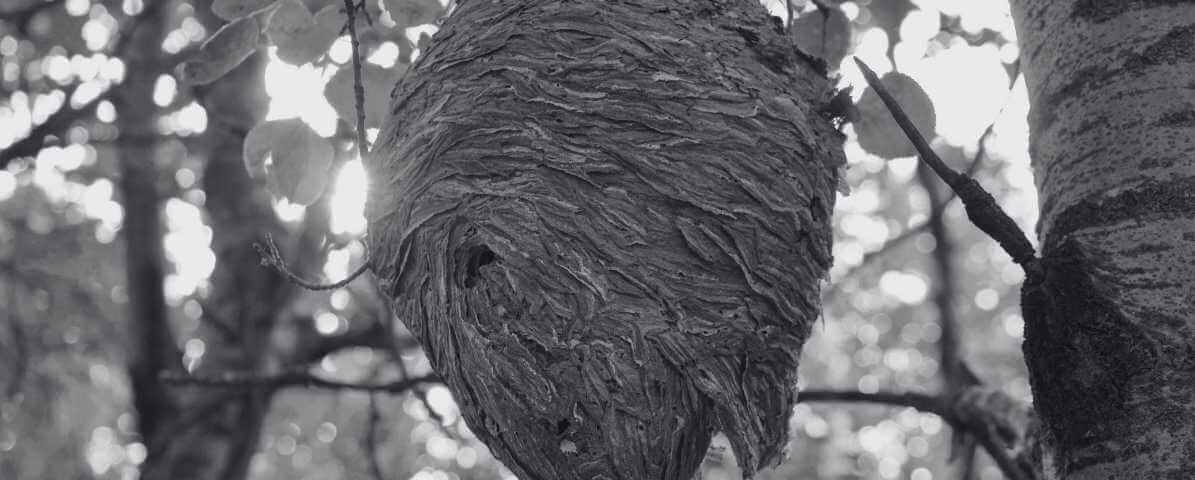
In July 2022, Ronnie Ang — a 60-year-old cyclist — set out for a routine morning ride along the Sembawang Park Connector. Near the God of Wealth Temple, he encountered a swarm of Vespa affinis (lesser banded hornets) defending a nest approximately 12 metres high in a tree, likely disturbed by a natural predator moments earlier. Ronnie sustained multiple stings. Despite prompt medical care at Khoo Teck Puat Hospital, his body entered organ failure, aggravated by an undiagnosed heart condition. The coroner ruled it a tragic misadventure.
At Innovative Pest Management, we honour Ronnie's memory by championing public awareness and professional nest removal. His story is a reminder that hornet attacks in Singapore can turn fatal — and that prevention begins with education.
- ✓The first 60 seconds after a hornet sting are the most critical — how you respond determines the severity of the outcome.
- ✓Hornets release alarm pheromones when they sting — these signal other colony members to attack the same target. Retreat calmly and immediately.
- ✓Anaphylaxis can occur even in people with no previous allergic history. Seek emergency hospital treatment after multiple stings, regardless of how you feel.
- ✓Never attempt to remove a hornet nest yourself. Every day a nest grows larger and more dangerous — early professional removal saves lives.
Understanding the Hornet Sting: Why It's So Dangerous
Hornets are among the most dangerous stinging insects found in Asia. Species common to Singapore — including the greater banded hornet (Vespa tropica) and the lesser banded hornet (Vespa affinis) — possess potent venom capable of causing severe localised tissue damage, systemic reactions and, in vulnerable individuals, fatal anaphylactic shock.
Unlike honeybees, whose barbed stingers remain lodged in skin after a single sting, hornet stingers are smooth. A single hornet can sting repeatedly without harm to itself, delivering a fresh dose of venom with each strike. A colony under threat can mobilise hundreds of defenders within seconds.
Hornet venom causes an intense burning sensation and radiating pain that begins within seconds and can persist for hours.
Even a single sting can trigger a life-threatening whole-body allergic reaction in sensitised individuals, requiring emergency adrenaline.
Multiple stings deliver a toxic venom load that can cause fever, organ stress, and systemic failure even in people without known allergies.
Unlike bees, hornets sting multiple times. One individual can deliver 5 or more stings in a single attack before disengaging.
Hornet Sting vs. Wasp Sting: Understanding the Difference
People often mistake hornets for wasps, which matters: the two have meaningfully different venom profiles and aggression levels. Understanding the distinction helps you assess the urgency of treatment correctly.
- ●Higher concentrations of acetylcholine and histamine
- ●Intense burning pain radiating well beyond the sting site
- ●Swelling that can extend several centimetres within minutes
- ●Higher systemic risk — dizziness, nausea, organ stress
- ●Mass attack possible from a colony of 700+ workers
- ●Lower venom volume per sting than a hornet
- ●Sharp, localised pain that typically subsides faster
- ●Swelling usually contained to a smaller area
- ●Systemic reactions are less common but still possible
- ●Smaller colonies, less coordinated group defence
Important: Regardless of species, any sting that produces difficulty breathing, facial or throat swelling, rapid heartbeat, extreme dizziness or loss of consciousness requires immediate emergency medical attention. Do not wait to see if symptoms worsen.
Emergency Hornet Sting Treatment: Step-by-Step
Every minute matters after a hornet sting. These are the steps recommended by emergency responders and pest management experts — follow them in order and do not wait to see if symptoms stabilise before seeking medical help.
When a hornet stings, it releases alarm pheromones that signal other workers to attack the same target. Do not swat at hornets, shout or make sudden movements — these actions escalate the attack. Move calmly but urgently away from the area and get indoors or into a vehicle as quickly as possible. Avoid running in circles, which can draw more attackers.
Once you are safe, carefully count the number of sting sites. Multiple stings significantly raise the risk of systemic toxicity. Even if you feel relatively well, five or more stings in an adult — or any sting in a young child or elderly person — warrants hospital assessment. Document the location and rough time of the attack for medical staff.
Wash each sting site thoroughly with soap and water to remove surface venom and reduce the risk of secondary infection. Unlike bees, hornets do not leave their stingers behind, so there is nothing to scrape out. Avoid squeezing or rubbing the area, which increases venom absorption into the surrounding tissue.
Apply a cold pack or cloth-wrapped ice to the sting site for 10 to 15 minutes. Cold constricts blood vessels and slows venom absorption into the bloodstream, reducing localised swelling and dulling pain. Do not apply ice directly to skin. Elevate the affected limb if possible to further reduce swelling.
An oral antihistamine such as cetirizine or loratadine can help manage the allergic component of the sting reaction, reducing itching and limiting localised swelling. These are not a substitute for medical treatment in cases of multiple stings or allergic reactions — they only address mild histamine-related symptoms.
Go to the nearest A&E immediately if you experience any of the following: difficulty breathing, throat tightening, facial or lip swelling, rapid or weak pulse, dizziness, vomiting, loss of consciousness — or if you received 5 or more stings. These are signs of anaphylaxis or systemic envenomation. Medical professionals will administer adrenaline, antihistamines and corticosteroids as required. Do not drive yourself — call for help.
Where Hornet Attacks Happen in Singapore
Singapore's tropical climate — high humidity, dense greenery and year-round warmth — creates ideal conditions for hornets to establish large, active colonies close to human activity. Attacks rarely happen without warning; in most cases, the victim has unknowingly come close to a nest. Knowing where hornets nest is the first step in avoiding an encounter.
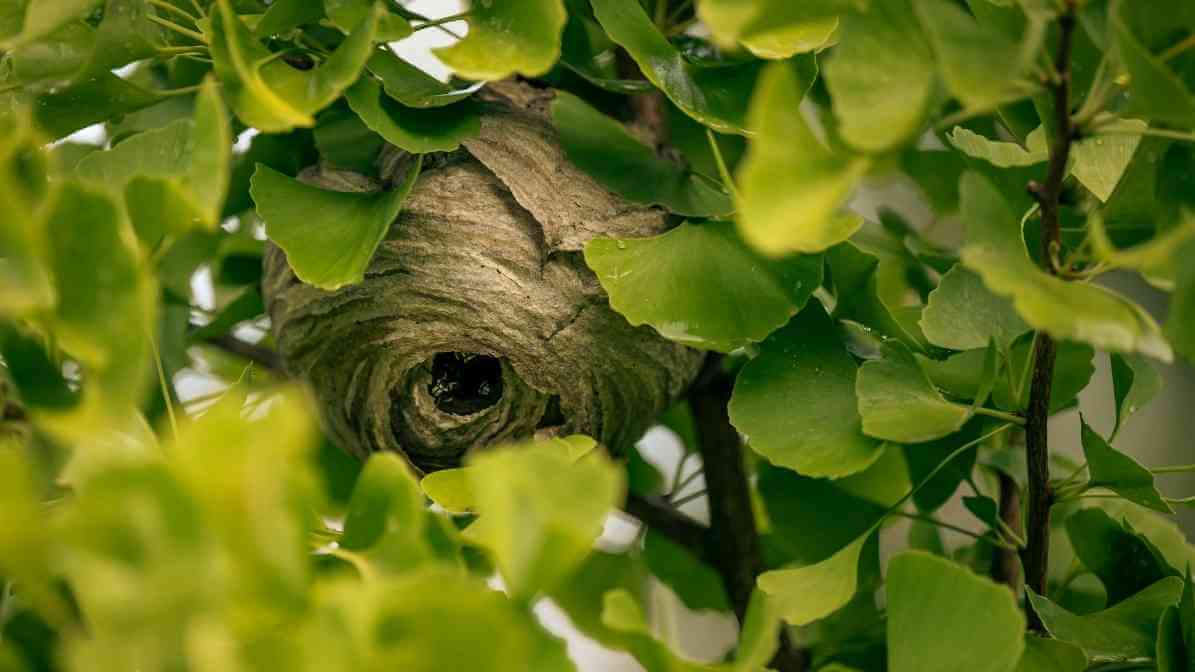
Park connectors, nature reserves and tree-lined paths are high-risk areas. Nests hidden high in tree canopies often go unnoticed until a jogger, cyclist or dog walker inadvertently disturbs them by passing directly beneath. Ronnie Ang's fatal encounter occurred on a park connector.
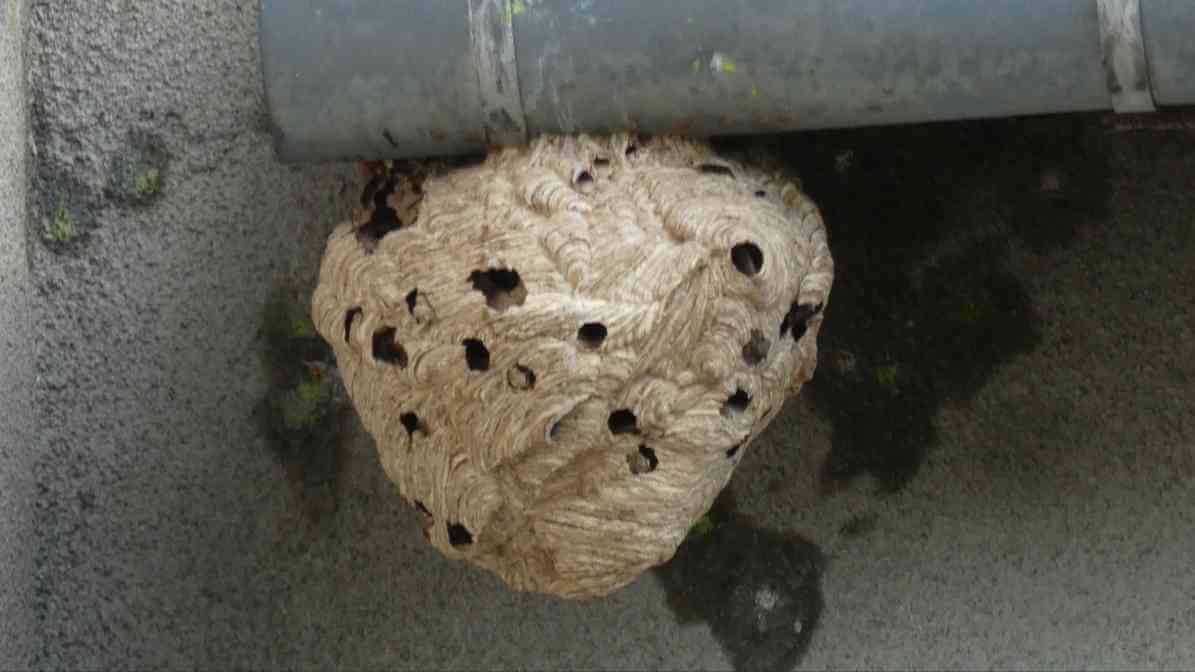
Sheltered overhangs under roof eaves, balcony corners and window ledges are prime nesting sites for hornets in residential Singapore. These nests are particularly dangerous as homeowners may unknowingly disturb them during routine maintenance, window cleaning or gardening activities.
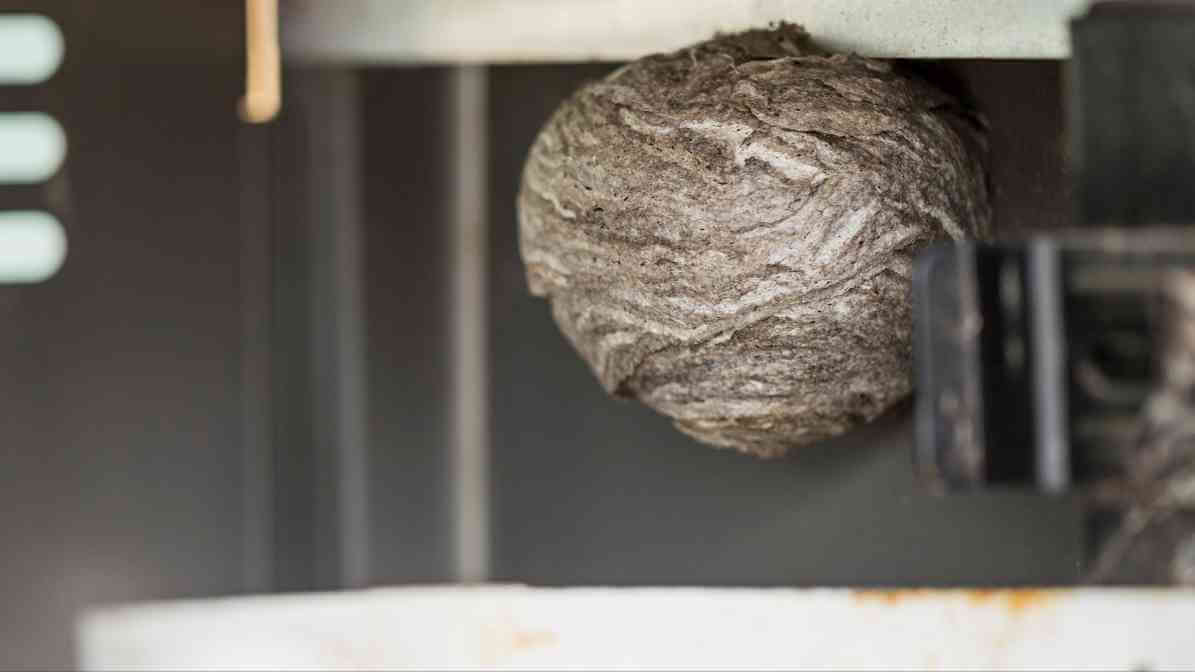
The warm, recessed spaces around external air-conditioning units, compressors and service ducts on HDB blocks, condominiums and commercial buildings provide ideal nesting conditions. Maintenance workers, electricians and service personnel are at particular risk during routine servicing work.
Our NEA-licensed specialists respond 24/7 across Singapore for emergency hornet nest removal — with full protective equipment and same-day service.
Expert Insight: How Hornet Venom Works in the Body
Understanding the biochemistry of hornet venom explains why even a small number of stings can escalate rapidly and why certain individuals — including those with underlying heart conditions, like Ronnie Ang — face disproportionately higher risk.
Present in significantly higher concentrations than in bee venom. Acetylcholine is a neurotransmitter that, in excess, directly stimulates nerve endings — causing the intense, burning pain characteristic of hornet stings that persists long after the initial strike.
Triggers the immediate redness, swelling and itching at the sting site. In people with hypersensitivity, histamine also drives the systemic allergic cascade that leads to anaphylaxis — a whole-body reaction that can progress to fatal shock.
Enzymes that break down cell membranes at the sting site, causing direct tissue damage. With multiple stings, the combined enzymatic action creates significant localised tissue destruction and amplifies the overall inflammatory response.
Each hornet species contains unique venom proteins that can trigger immune sensitisation over time. Repeated exposure to hornet venom increases the risk that a future sting will provoke a faster and more severe allergic response.
Why pre-existing conditions matter: Hornet venom causes cardiovascular stress — elevated heart rate, blood pressure fluctuations and, in mass envenomation, potential cardiac strain. Individuals with undiagnosed or managed heart conditions, hypertension or respiratory disease face significantly elevated risk from even moderate stinging incidents. This is why Ronnie Ang's encounter proved fatal where it might not have been for a younger or fully healthy individual.
Prevention: Protecting Your Family and Property
The single most effective way to avoid a hornet sting is to prevent nesting on your property in the first place. These recommendations apply to both residential and commercial environments:
- ▶Inspect roof eaves, balconies and attic vents monthly for early nest activity
- ▶Seal gaps around air-conditioning pipes, fascia boards and window frames
- ▶Keep bins sealed and clean up outdoor food spills and sweet drinks
- ▶Trim shrubs and trees that overhang the building structure
- ▶Schedule quarterly pest audits covering exterior structures and vegetation
- ▶Train maintenance and operations staff to identify and report nest sightings
- ▶Maintain clear vegetation boundaries around building perimeters
- ▶Reduce outdoor lighting near nesting-prone areas (hornets hunt near bright lights)
Innovative Pest Management responds to emergency hornet reports across Singapore — from HDB residential estates to industrial parks and construction sites. We provide professional consultation, on-site inspection and complete, safe nest eradication. Every case is handled by NEA-licensed technicians with full protective equipment and targeted treatment solutions.
Frequently Asked Questions

Pest control content specialist at Innovative Pest Management. Leia writes practical identification and prevention guides to help Singapore homeowners and businesses stay pest-free.
View all articles

Don't Let a Hornet Nest
Put Your Family at Risk.
Our NEA-licensed specialists operate 24/7 across Singapore for emergency hornet nest removal — using full professional protective equipment, targeted treatments and post-removal prevention to keep your property safe.