Home›Pest Blog›Life Cycle of Cockroach Species Singapore
CockroachesPest Control Singapore
Life Cycle of Cockroach Species in Singapore
Understanding the cockroach life cycle is the foundation of effective pest control. From egg cases to nymphs to reproducing adults, each stage presents different treatment opportunities — and different risks. This guide covers the complete life cycle of cockroach species in Singapore, the cockroach lifespan of the two most common species (German and American), and proven strategies to break the cycle before infestations escalate.
Innovative Pest Management
|Updated August 2025|9 min read|NEA Licensed
3
Life stages: egg, nymph and adult cockroach
30–40
Eggs per egg case in German cockroaches
200 days
Average lifespan of a German cockroach
1 year+
American cockroach lifespan in ideal conditions
Cockroaches are among the most resilient pests on earth — and in Singapore's warm, humid climate they thrive year-round. Understanding the life cycle of cockroach species in Singapore is not academic; it is the essential framework for effective control. Each stage of the cycle presents a different treatment opportunity. Targeting only adult cockroaches while leaving egg cases and nymphs untreated guarantees the infestation re-emerges within weeks. This guide gives you the complete picture.
Key Takeaways
✓The life cycle of cockroach species has three stages: egg (in an ootheca), nymph (multiple moults) and adult. All three must be targeted for effective eradication.
✓The average cockroach lifespan varies significantly by species — German cockroaches live 100–200 days with shorter, faster cycles; American cockroaches live up to 1 year or more with slower reproduction.
✓Singapore's warm, humid climate accelerates development at all lifecycle stages — nymphs moult faster, adults reproduce sooner and egg cases hatch within weeks rather than months.
✓Breaking the cockroach life cycle requires simultaneous treatment of all three stages: removing egg cases, applying targeted nymph-effective baits and eliminating adult harbouring and food access.
Section 01
The 3-Stage Life Cycle of Cockroach
The cockroach life cycle follows three stages — egg, nymph and adult — in a process known as incomplete metamorphosis (no pupal stage). Recognising each stage is critical to applying pest control at the right moment:
Stage 1
Egg Stage (Ootheca)
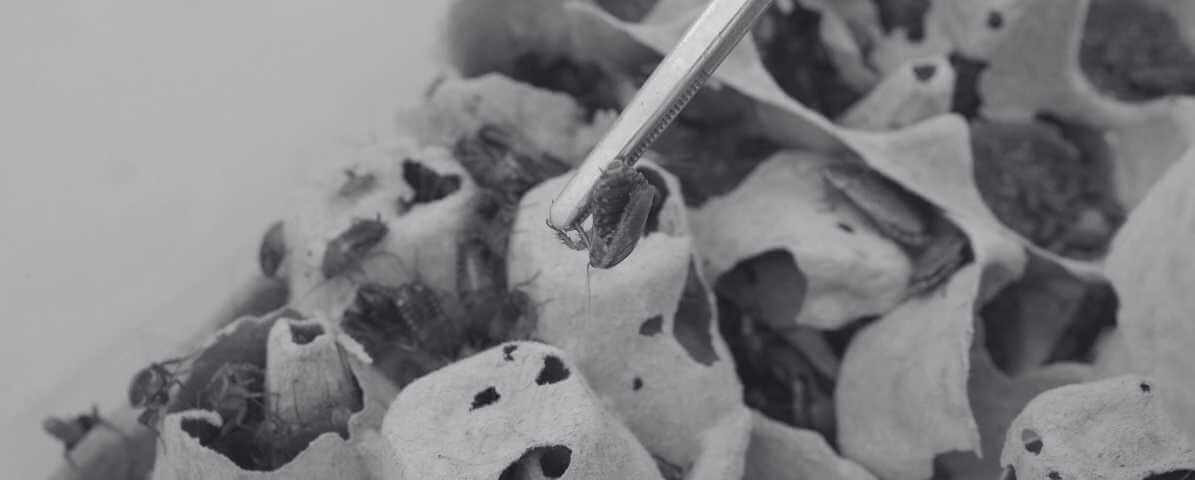
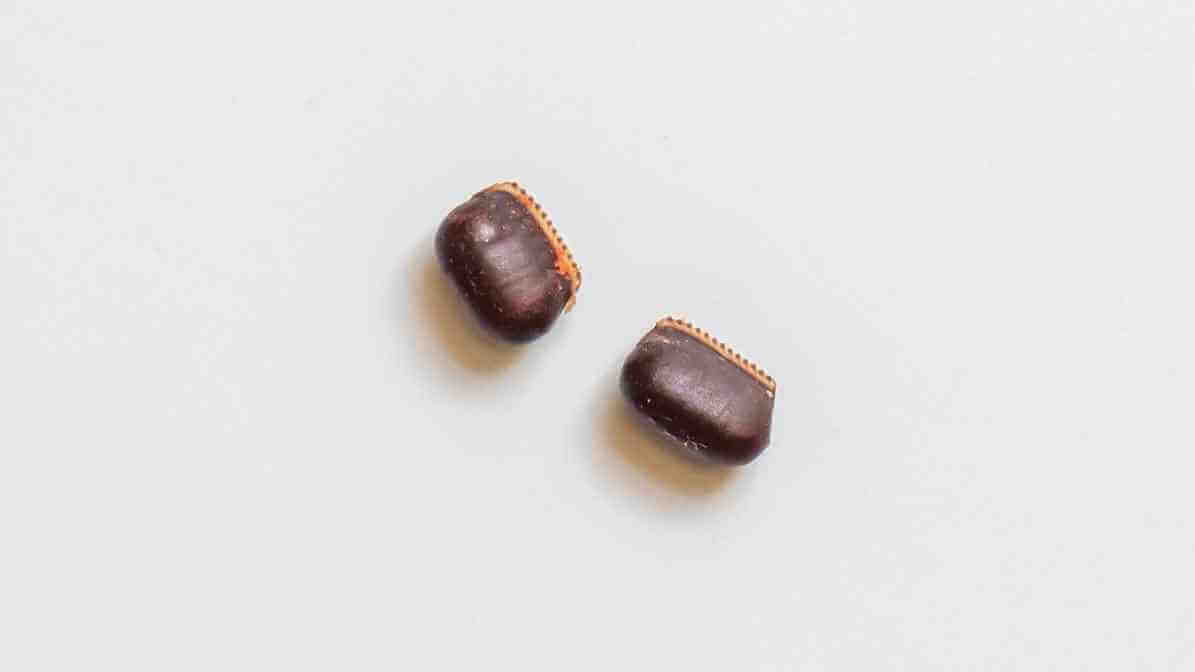
Female cockroaches produce egg cases (oothecae) containing 16–50 eggs depending on species. German cockroaches carry their ootheca until shortly before hatching; American cockroaches deposit them in sheltered areas. In Singapore's warm climate, eggs hatch within 2–6 weeks. Egg cases are concealed in dark, moist cracks — making visual detection difficult without professional inspection.
Stage 2
Nymph Stage
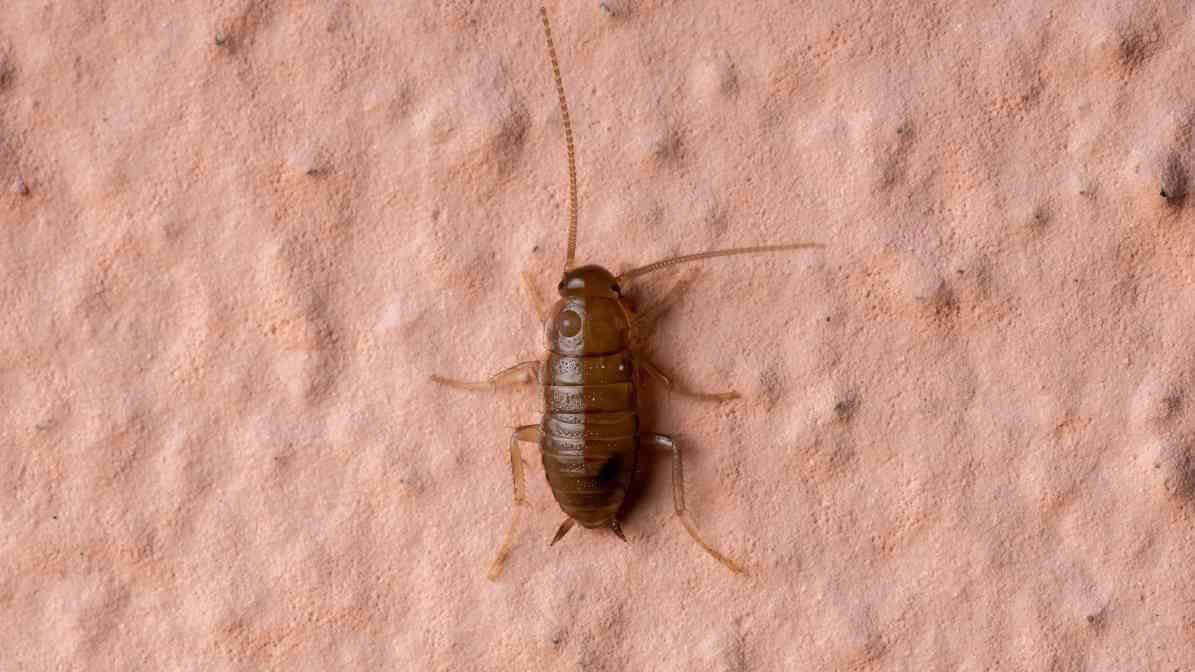
Hatched nymphs resemble miniature wingless adults and undergo 5–14 moults (instars) before maturity. German cockroach nymphs moult 6–7 times and reach adulthood in as little as 6–7 weeks in Singapore's heat. This stage is the most critical treatment window — nymphs that survive to adulthood will immediately begin reproducing, multiplying the infestation exponentially.
Stage 3
Adult Stage
The final moult produces a fully developed adult with wings (in most species), reproductive organs and the ability to produce egg cases continuously throughout their adult cockroach lifespan. A single German cockroach female can produce 4–8 oothecae during her lifetime, each releasing 30–40 nymphs. Untreated, a single pair can lead to hundreds of cockroaches within months.
Section 02
Cockroach Lifespan: German vs American Cockroach
The two most common cockroach species in Singapore have very different lifespans and life cycle speeds — requiring different control strategies:
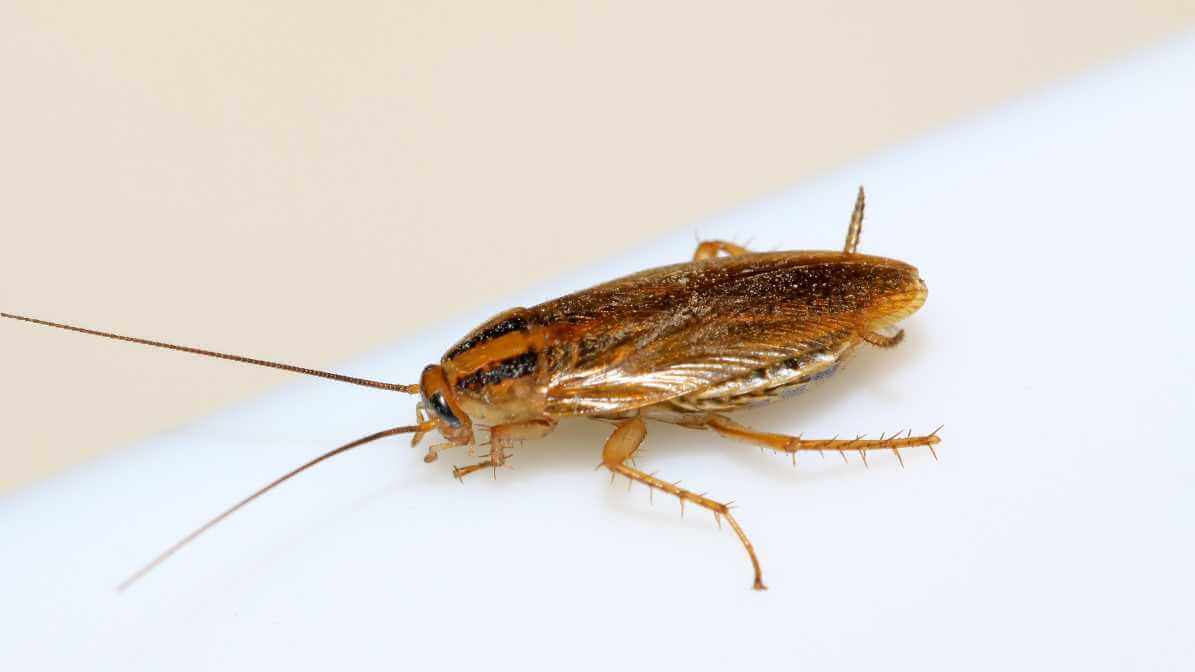
German Cockroach
Blattella germanica
Lifespan
100–200 days
Eggs per case
30–40
Size
12–15mm
Nymph moults
6–7
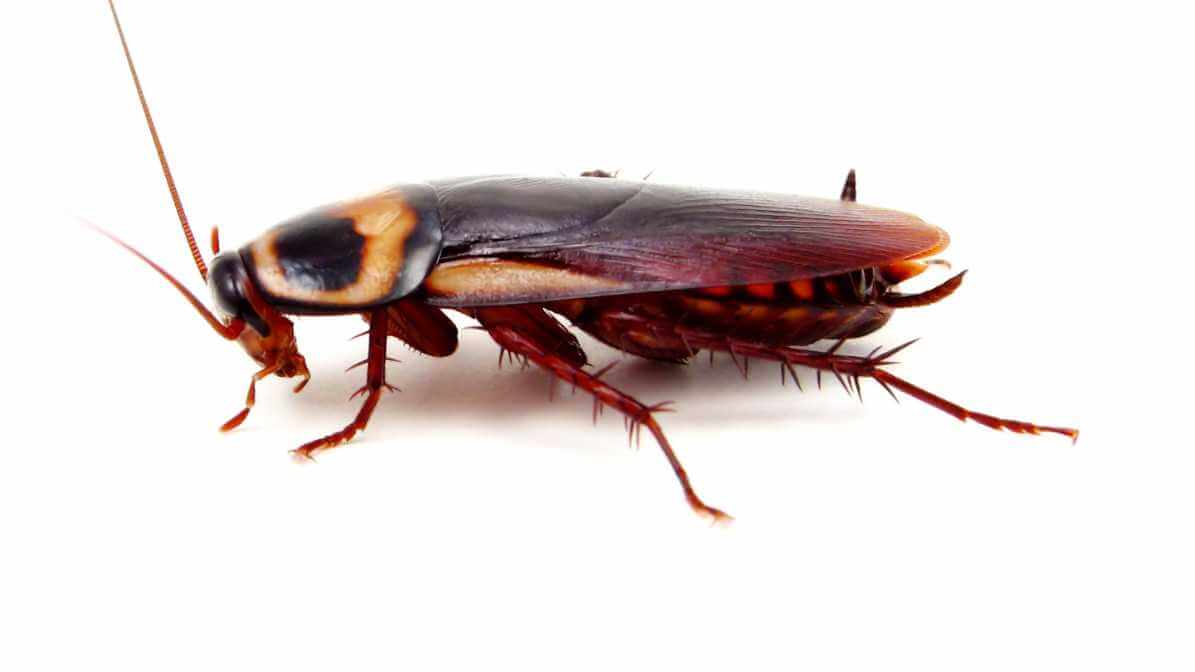
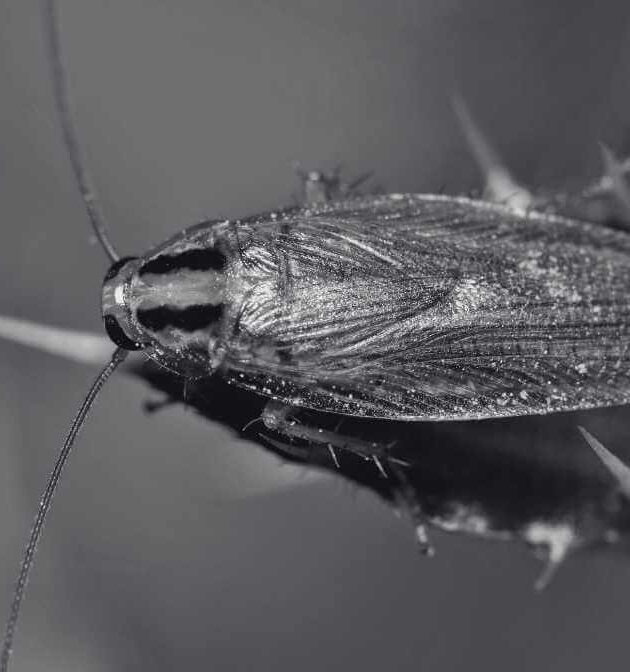
The most dangerous species for restaurants and homes. Although the German cockroach lifespan is relatively short, they reproduce extremely fast — producing multiple oothecae and reaching maturity in just 6–7 weeks. They stay close to food and moisture sources, making kitchens, drains and electrical appliances prime harbouring sites.
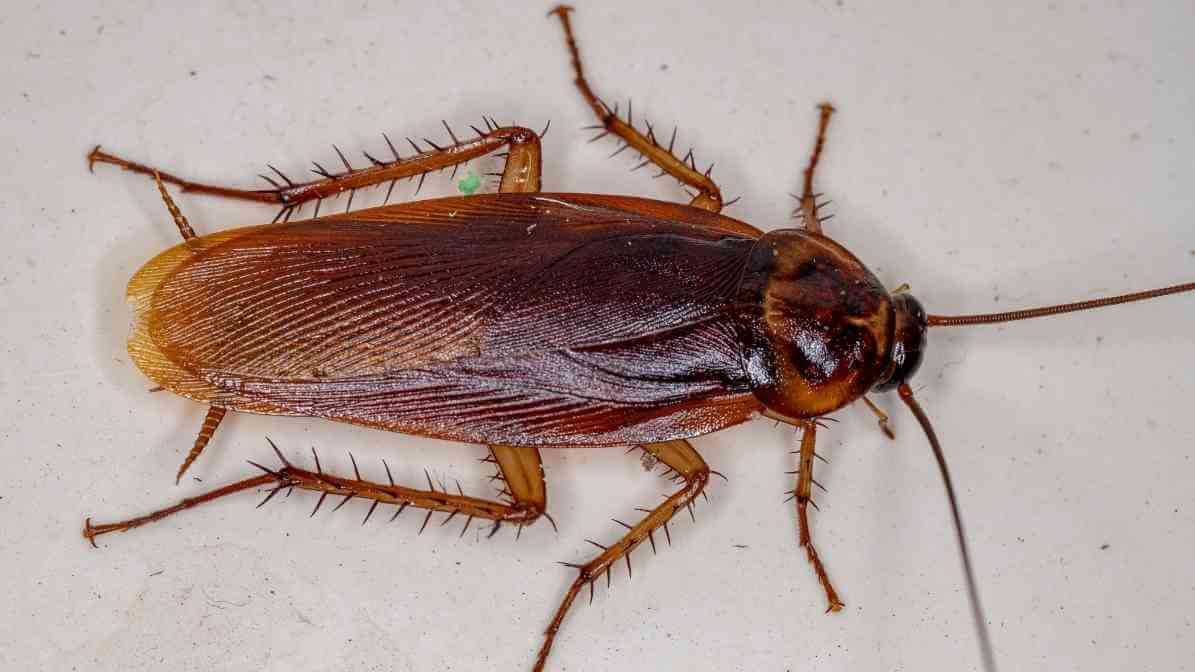
American Cockroach
Periplaneta americana
Lifespan
1–2 years
Eggs per case
14–16
Size
35–40mm
Nymph moults
10–13
Singapore's largest common cockroach. The American cockroach lifespan is significantly longer — up to two years in ideal conditions. They typically enter from drains and sewers, preferring moist areas. While reproducing more slowly than German cockroaches, a mature female can produce up to 150 oothecae during her lifetime.
What is the average lifespan of a cockroach?
The average lifespan of a cockroach in Singapore depends significantly on species: German cockroaches live 100–200 days; American cockroaches live 1–2 years; Oriental cockroaches live approximately 6 months to 1 year. Singapore's warm, humid climate shortens development time but sustains all species year-round without the seasonal die-offs seen in temperate climates. This is why year-round pest management is essential in Singapore rather than seasonal treatment.
Professional Cockroach Control Singapore
Treating adults but still seeing cockroaches?
Surface spraying only kills adults. Egg cases and nymphs survive and re-establish the infestation within weeks. Innovative Pest Management's comprehensive cycle-breaking treatment targets all three life stages simultaneously — gel baiting, residual treatments and egg case removal — for permanent eradication.
Egg Case RemovalRemove and properly dispose of oothecae from cracks, crevices and dark corners. Clean regularly and seal entry points where cockroaches lay eggs. German cockroach egg cases can be distinguished by their rectangular shape and ridged surface — typically found near food sources.
2
Nymph-Targeting Gel BaitProfessional gel baits attract nymphs and adults. The slow-acting toxin is carried back to the colony, killing other nymphs that consume it — including the most recently hatched. Consistent treatment across several weeks is necessary to target all nymph instar stages.
3
Adult EliminationResidual insecticides applied to harbourage zones, sticky traps for monitoring and insecticide dusts in wall voids target the reproducing adult population. Eliminate access to food and water by sealing gaps, fixing leaks and maintaining cleanliness.
4
Environmental ControlReduce humidity, fix leaking pipes, clear clutter and seal all cracks and crevices. These measures deprive cockroaches of hiding spots and moisture — making your property inhospitable regardless of life cycle stage. Environmental control is the only way to prevent re-infestation after treatment.
Section 04
Frequently Asked Questions
The average lifespan of a cockroach depends primarily on species. German cockroaches — the most common indoor species in Singapore — live approximately 100 to 200 days (roughly 3–7 months). American cockroaches, which are larger and more common in drains and sewers, live significantly longer: up to 1–2 years in ideal conditions. Oriental cockroaches live approximately 6 months to 1 year. In Singapore's warm climate, all species benefit from accelerated development — eggs hatch faster, nymphs mature sooner and adults begin reproducing earlier than they would in temperate climates. This means a single pair of German cockroaches can theoretically produce hundreds of offspring in their lifetime, making early intervention essential.
Re-infestation after treatment almost always occurs because egg cases (oothecae) or deep-harboured nymphs survived the treatment. Surface sprays and many consumer insecticides effectively kill adult cockroaches on contact but have no effect on eggs within sealed oothecae. If the egg cases are not physically removed or exposed to the insecticide, a new generation of nymphs will emerge 2–6 weeks after treatment — making it appear the infestation has returned. Professional gel bait treatments are significantly more effective because they are consumed by nymphs and spread through the colony via grooming and cannibalism, targeting life stages that surface sprays miss. Additionally, if the environmental conditions (moisture, food access, structural harbourage) are not addressed alongside the chemical treatment, re-colonisation from adjacent areas is almost inevitable.
For a gel bait programme targeting German cockroaches, significant reduction in activity is typically observed within 3–5 days of the first treatment as bait is consumed and shared through the colony. Complete population elimination usually requires 3–6 weeks of sustained treatment to address all nymph instars as they hatch and mature. For American cockroaches in drains and sewers, a combined drain treatment plus residual barrier application typically shows results within 1–2 weeks, with follow-up treatment at 3–4 weeks to address newly arrived individuals from the drainage network. A professional follow-up inspection at 4–6 weeks confirms eradication and identifies any remaining activity points requiring retreatment. Ongoing quarterly monitoring is recommended to detect any re-infestation before it re-establishes.
Written by
Leia Rassid
Content Specialist • Innovative Pest Management
Pest control content specialist at Innovative Pest Management. Leia writes practical identification and prevention guides to help Singapore homeowners and businesses stay pest-free.
Break the Cockroach Cycle. Eradicate All Three Stages.
Effective cockroach control in Singapore requires targeting all three life stages simultaneously. Innovative Pest Management's cycle-breaking treatment programme combines egg case removal, gel bait deployment effective against all nymph instars and residual adult treatment — with environmental control guidance to prevent re-infestation. NEA-licensed. SFA-compliant documentation available for food establishments.
I am committed to turning complex pest-management insights into clear, practical information that anyone can understand. Through my work, I aim to empower homeowners and businesses to make informed decisions that protect their health, property and environment.