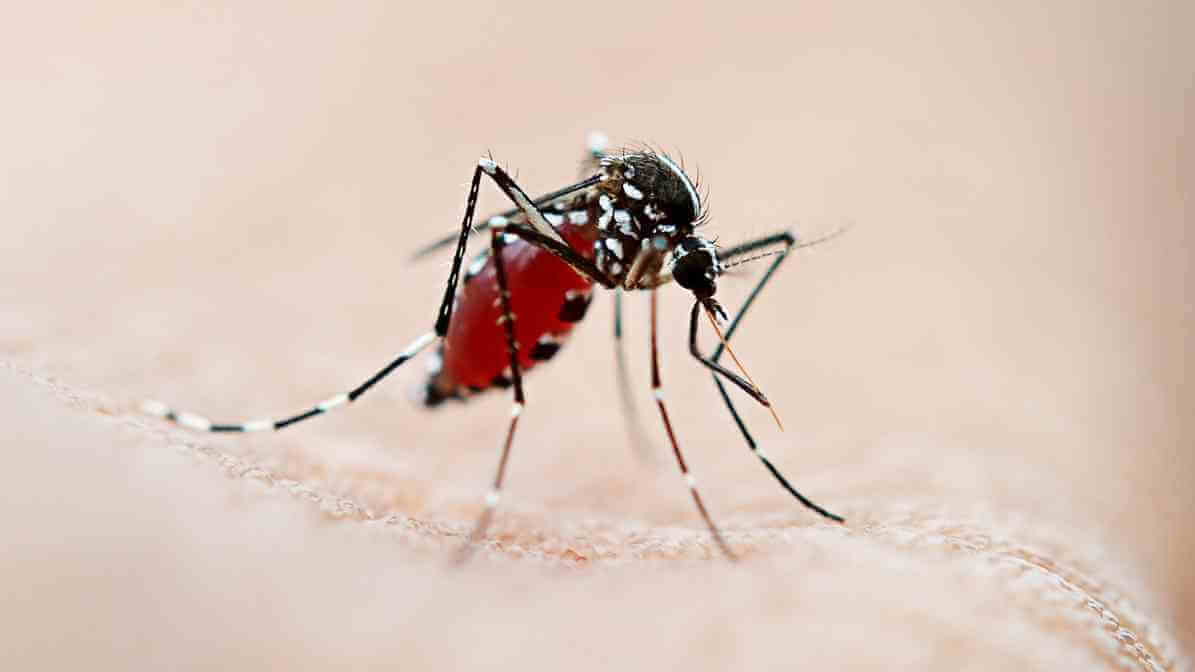
Learn More About Aedes Mosquito in Singapore — The Dengue Truth
Facts about the Aedes mosquito — its biting habits, active time and how to protect yourself from bites. Discover effective prevention tips to stay safe from dengue and other mosquito-borne diseases in Singapore. The dengue mosquito time to bite and its difference from a normal mosquito explained.
By Leia Rassid | Updated March 2026 | 10 min read | NEA Licensed
88%
Fewer Dengue Cases (Wolbachia)
2–3 days
Dengue Mosquito Bite Cycle
$5,000
Max NEA Fine for Breeding
3,600+
Mosquito Species Worldwide
With the help from an Integrated Pest Management (IPM) solution against mosquito species and dengue outbreak, we take into account ecology and public health concerning disease transmission. An IPM requires the involvement of NEA, local authorities, private partners and local communities. Public awareness helps prevent mosquito breeding and authorities implementing insecticides can reduce the risk of dengue transmission.
01
Species Overview
What is the Aedes Mosquito?
Aedes are small, aggressive mosquito species famous for transmitting several viral infections — most notably dengue fever, zika virus and chikungunya in Singapore. The aedes aegypti and aedes albopictus are the primary species involved in dengue transmission. These mosquitoes thrive in urban environments, breeding around water storage containers, flower pots and other areas with standing water.
Aedes Aegypti
Primary dengue vector in Singapore
Distinctive white stripes on body and legs
Breeds in clean, stagnant water
Bites predominantly during daylight hours
Aedes Albopictus
Tiger mosquito — also transmits dengue
More aggressive biter than Ae. aegypti
Breeds in smaller water collections
More tolerant of cooler temperatures
02
Activity Patterns
Aedes Mosquito Active Time — When Do They Bite?
Unlike the normal mosquito that bites during nighttime, the Aedes mosquito active time is during the day — it is diurnal, meaning it actively bites during daylight hours. This trait makes it particularly challenging to control since people are often outdoors or indoors (but near windows) during active hours.
Aedes Mosquito Daily Activity Peak Hours
🌉
7am – 10am
Morning Peak Activity
🌓
4pm – 7pm
Afternoon Peak Activity
The dengue mosquito time to bite is influenced by environmental factors like temperature, humidity and recent feeding activity. Typically, after resting or feeding, females seek blood meals every 2 to 3 days — aligning with their reproductive cycle for egg production.
03
Comparison Guide
Aedes Mosquito vs. Normal Mosquito — Key Differences
While all mosquitoes are pests and potential disease vectors, the dengue mosquito has unique behaviours that distinguish it from normal mosquitoes. Understanding dengue mosquito vs normal mosquito differences is key to effective prevention.
Characteristic
Aedes (Dengue) Mosquito
Normal Mosquito (Culex)
Active Time
Day (diurnal)
Night (nocturnal)
Appearance
White & black stripes
Brown, no markings
Breeding Site
Clean stagnant water
Dirty water, drains
Primary Disease
Dengue, Zika, Chikungunya
Japanese Encephalitis
Signs of Aedes Mosquito Activity in Your Property
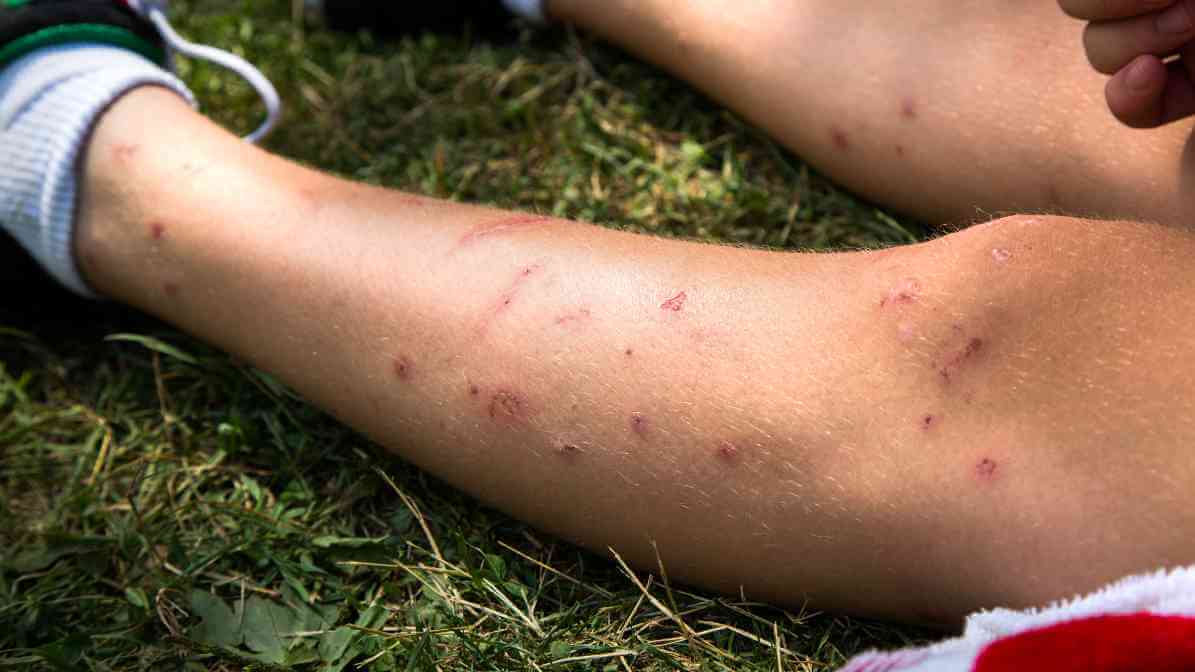
Evidence of Bites
Multiple red welts appearing during daytime indicate Aedes activity nearby.
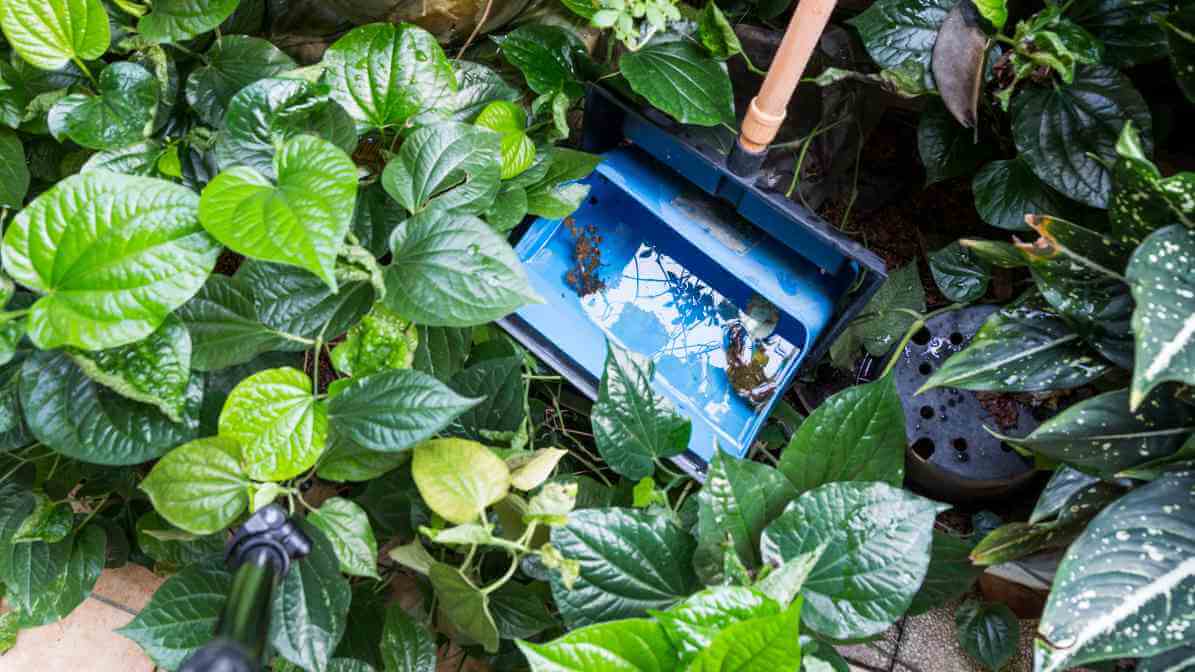
Stagnant Water
Even 5ml of water in a saucer or pot can support Aedes breeding.
Daytime Activity
If you see mosquitoes during the day, they are likely Aedes — not normal mosquitoes.
Shaded Resting Spots
Aedes rest in dark, cool areas — under furniture, in wardrobes and behind curtains.
High Humidity Areas
Bathrooms, kitchens and balconies with poor ventilation attract Aedes.
Hovering Near Fruit
Aedes are attracted to certain scents — ripe fruit and floral fragrances included.
Itching After Daytime Outdoors
Dengue mosquito bite welts typically appear within minutes of being bitten during the day.
High-Pitched Buzzing
Aedes have a distinctive high-pitched buzz due to their smaller wing size.
04
Public Health Impact
Aedes Mosquito Impact on Public Health in Singapore
The aedes mosquito Singapore population poses a continuous public health challenge. NEA monitors dengue clusters island-wide and conducts enforcement operations when breeding is detected — fines of up to $5,000 apply. Understanding the health threat drives the urgency to control breeding sites.
🔴
Dengue Fever
High fever, severe headache, muscle and joint pain. Can be fatal in severe cases.
🥊
Zika Virus
Mild symptoms in adults but can cause serious birth defects in pregnant women.
🧉
Chikungunya
Severe joint pain that can persist for months. No specific antiviral treatment.
05
Prevention & IPM
How to Prevent Aedes Mosquito Bites — The IPM Approach
Learning how to prevent aedes mosquito bite starts at home. NEA's Wolbachia suppression technology has shown an 88% reduction in dengue cluster cases — but community-level prevention remains the most powerful tool. The IPM approach combines environmental management, biological control and targeted pesticide application.
5-Step Aedes Prevention Protocol (B-L-O-C-K)
B — Break up solid waste that can collect water (coconut shells, tins, tyres)
L — Lift and empty all flower pot plates and drip trays
O — Overturn pails, drums and containers when not in use
C — Change water in vases and bowls every other day
K — Keep roof gutters clear and flow freely
NEA-Licensed Mosquito Control
Is Dengue Mosquito Active in Your Home?
Professional inspection, larviciding and fogging treatments by NEA-licensed specialists.
The Aedes mosquito is most active during daylight hours — specifically between 7am–10am and 4pm–7pm. Unlike normal mosquitoes (Culex), which bite at night, the dengue mosquito bites during the day, making it particularly difficult to avoid.
The Aedes mosquito has distinctive black and white stripes, is active during the day, breeds in clean stagnant water and transmits dengue, Zika and chikungunya. Normal mosquitoes (Culex) are brown, bite at night, breed in dirty water and transmit Japanese Encephalitis. Aedes mosquitoes are also more aggressive biters.
Female Aedes mosquitoes seek a blood meal every 2–3 days to support egg production. The dengue mosquito time to bite is influenced by temperature, humidity and feeding history. A single blood meal can provide enough protein for one batch of eggs.
CO2-based mosquito traps and UV light traps can help reduce Aedes populations, but are most effective as part of a comprehensive IPM programme that also includes source reduction (eliminating breeding sites) and larviciding. Professional mosquito control is recommended for persistent infestations.
To prevent Aedes mosquito bites when outdoors: wear long-sleeved clothing, apply DEET-based repellent (at least 20% concentration), avoid peak activity hours (7–10am and 4–7pm), use mosquito coils or devices in shaded outdoor areas, and stay away from areas with stagnant water.
NEA Licensed • Singapore Dengue Prevention
Stop Aedes Mosquitoes Before They Bite
Our NEA-licensed mosquito specialists conduct comprehensive breeding site inspections, larviciding and targeted fogging — protecting your home, condominium or business from dengue outbreaks.
I am committed to turning complex pest-management insights into clear, practical information that anyone can understand. Through my work, I aim to empower homeowners and businesses to make informed decisions that protect their health, property and environment.