Learn More About the Different Groups of Ants & Their Characteristics
Singapore is home to more than 200 ant species, organised into distinct biological groups based on behaviour, colony structure, diet, and morphology. Understanding which group an ant belongs to is the first step in identifying the correct control strategy for your home or business.
Leia Rassid•July 2023•12 min read•NEA-Licensed
200+
Species in Singapore
7
Key Ant Groups
20+yrs
IPM Experience
NEA
Licensed
Not all ants behave the same — and not all treatments work the same way. The ant species infesting a Singapore kitchen requires a completely different approach from those nesting in a garden, wall void, or timber beam. This guide profiles the major ant groups found in and around Singapore properties so you can recognise them and understand their behaviour before choosing a response.
Key Takeaways
✓Ants are divided into functional groups by diet, colony structure, and nesting habits
✓Singapore’s urban environment supports tramp species, carpenter ants, weaver ants, fire ants and more
✓Correct species identification is essential before any pest control treatment is applied
✓Colony structure (single vs. multi-queen) determines whether gel bait, direct nest treatment, or perimeter barriers are needed
01
Foundation
Inside the Ant Colony: Roles & Structure
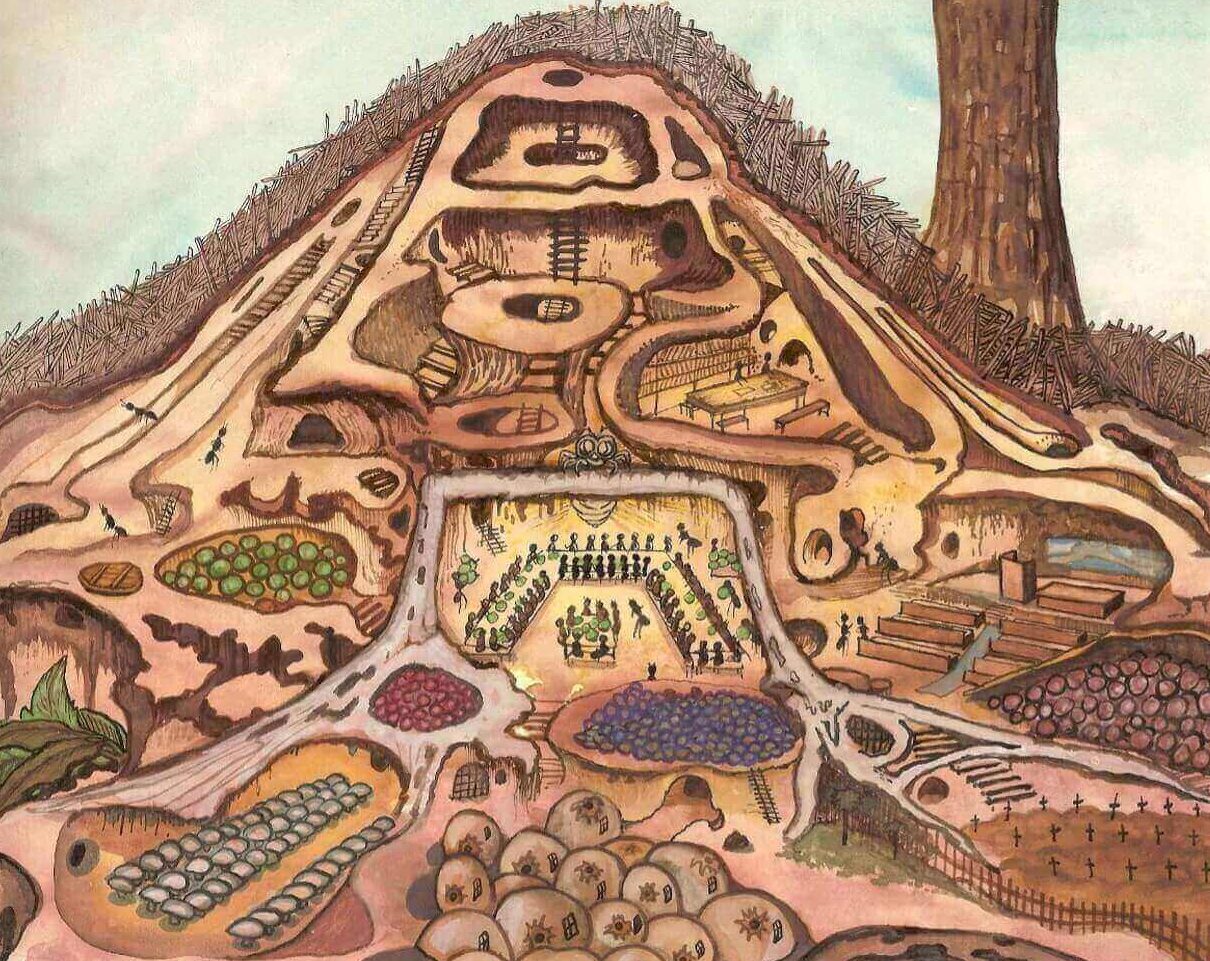
Every ant colony, regardless of species, operates as a superorganism with clearly defined castes. Understanding the structure helps explain why surface-level pest control so often fails:
👑
Queen(s)
The sole reproductive caste. One or many, depending on species. Eliminating queens is the only route to permanent colony collapse.
👷
Workers
Sterile females. They forage for food, maintain the nest, nurse larvae, and defend the colony. These are the ants you see.
🩺
Males & Alates
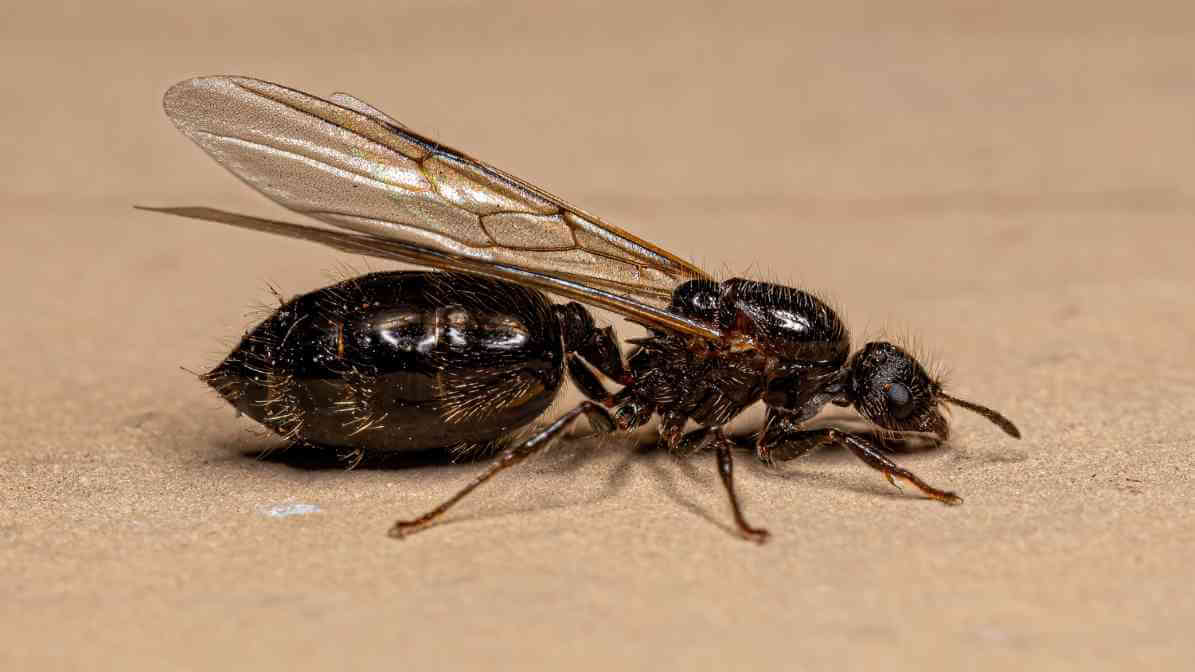
Winged reproductives that swarm seasonally to mate and start new colonies. Often confused with termite alates.
02
Video Guide
Ant Species Identification in Singapore
Innovative Pest Management — Ant Species Guide Singapore
03
Species Profiles
6 Key Ant Groups Found in Singapore
Group 1: Tramp Ants (Urban Household Pests)
Tramp ants are the most common household ant group in Singapore. They are characterised by multi-queen colonies, high adaptability to urban environments, and the ability to spread rapidly between buildings via human movement. This group includes the Ghost Ant, Pharaoh Ant, and Crazy Ant — the three species most responsible for residential infestations in Singapore HDB and condo properties.
Control Method: Non-repellent gel bait only. Never spray. Colony budding is the primary risk.
Group 2: Carpenter Ants
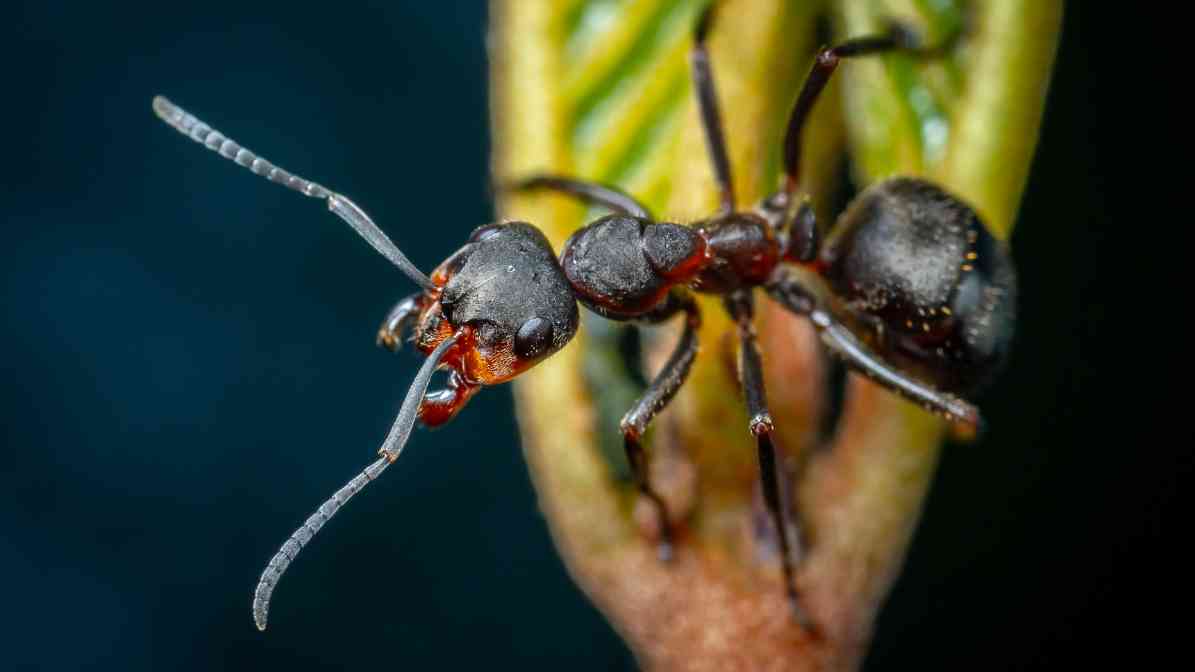
Carpenter Ants (Camponotus spp.) are Singapore’s largest urban ant species, reaching up to 13 mm. Unlike termites, they do not eat wood — they excavate galleries within it for nesting, causing significant structural damage to wooden beams, furniture, and window frames in landed properties. They are identified by their large size, segmented body, and preference for moist or decaying timber. Carpenter Ant swarmers (winged alates) are frequently mistaken for termite swarmers.
Control Method: Direct nest treatment with residual insecticide. Address moisture and decaying timber to prevent re-entry.
Group 3: Weaver Ants (Oecophylla smaragdina)
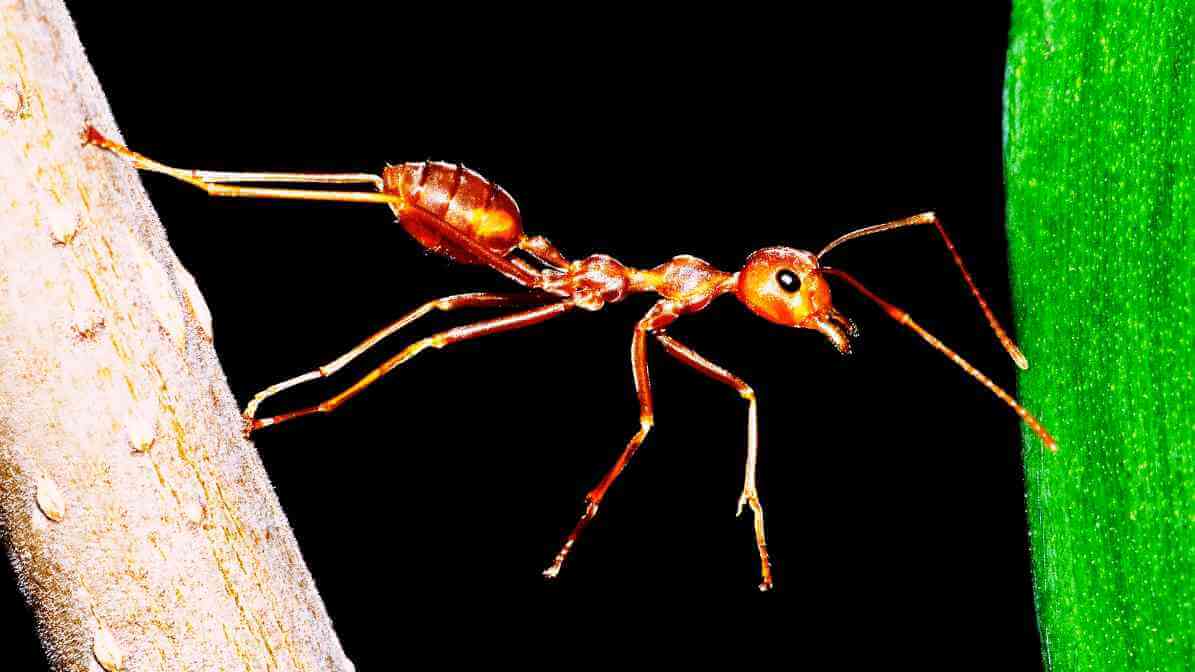
Weaver Ants are large, bright orange-green ants that build distinctive silk leaf nests in trees and vegetation. Common in Singapore’s parks, gardens, and landed property greenery, they are highly territorial and deliver a painful bite (though no sting). Weaver Ants are actually beneficial in many contexts — they prey on other insects and protect fruit trees from caterpillars — but they become a nuisance when they nest on buildings or near high-traffic outdoor areas.
Control Method: Remove or relocate nests. Trim vegetation contact with buildings. Avoid disruption — they bite aggressively when disturbed.
Group 4: Fire Ants (Solenopsis invicta)
Fire Ants are an invasive species from South America now established in Singapore, particularly in outdoor grassy areas, parks, and construction sites. They build large mounded nests and are identified by their red-brown colouring and aggressive swarming response when disturbed. Their venom causes intense burning pain and can trigger anaphylaxis in sensitive individuals — making them a medical concern. Fire Ant stings can be life-threatening for children and the elderly.
Control Method: Professional-grade fire ant bait around the mound perimeter. Direct nest treatment for large infestations. Report to NEA if found on public land.
Group 5: Big-Headed Ants (Pheidole megacephala)
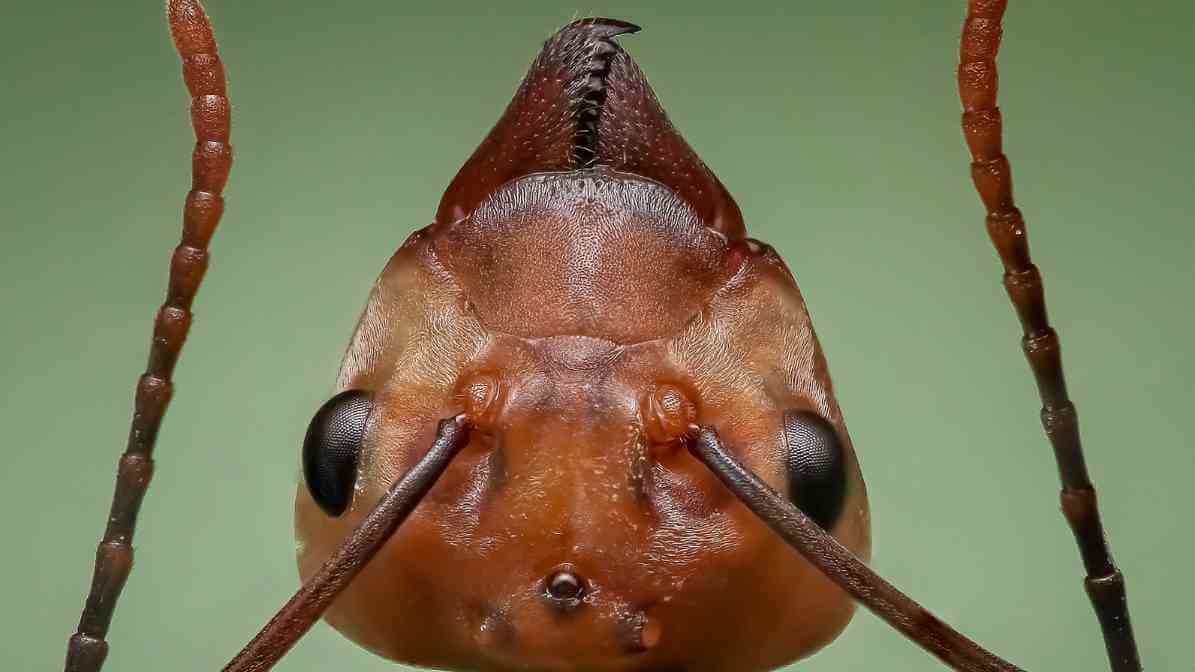
Big-Headed Ants are named for the disproportionately large heads of their soldier caste — an immediately recognisable feature. They are ground-nesting ants that prefer disturbed soil, sandy substrate, and garden beds. In Singapore, they commonly invade through balcony potted plants, ground-floor landscaping, and garden-level units. They feed on both sweet and protein-based foods and form large, sprawling colonies that can span significant outdoor areas. They are an invasive species in many regions and can displace native ant species.
Control Method: Perimeter granular bait combined with gel bait for indoor entry points. Treat outdoor nesting sites directly.
Group 6: Garden & Soil-Nesting Ants
This broad group includes numerous Singapore ant species that nest exclusively in soil, garden beds, grass, and outdoor substrate. Unlike tramp ants, most garden-nesting ants have a single queen per colony and do not readily enter buildings unless food sources draw them in. Common examples include the Black Garden Ant and various Lasius species. While generally less problematic than tramp ants, large outdoor colonies adjacent to structures can cause persistent indoor foraging, particularly through ground-floor gaps and drain channels.
Control Method: Perimeter barrier treatment combined with sealing of ground-level entry points. Remove attractive food sources outdoors.
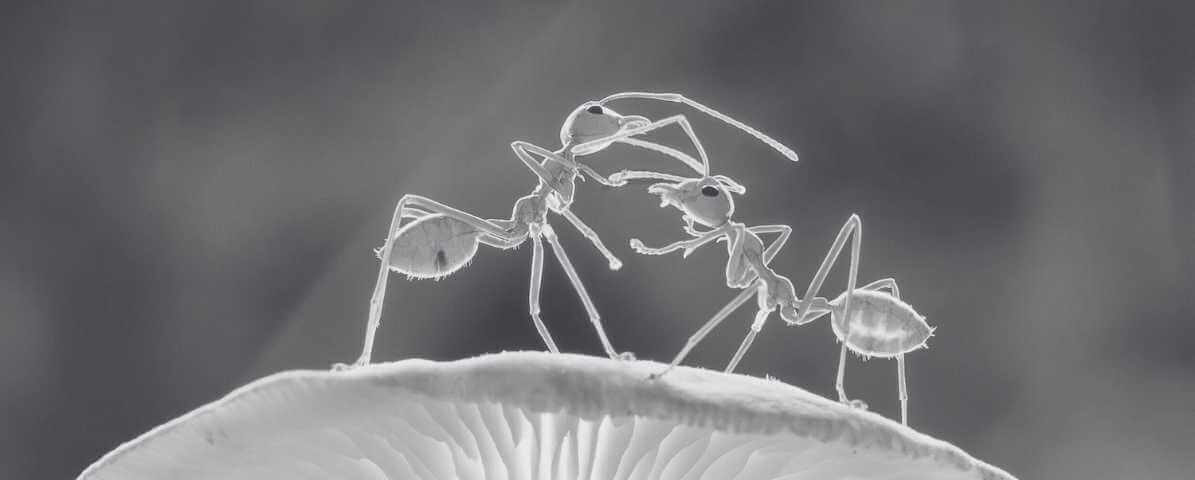
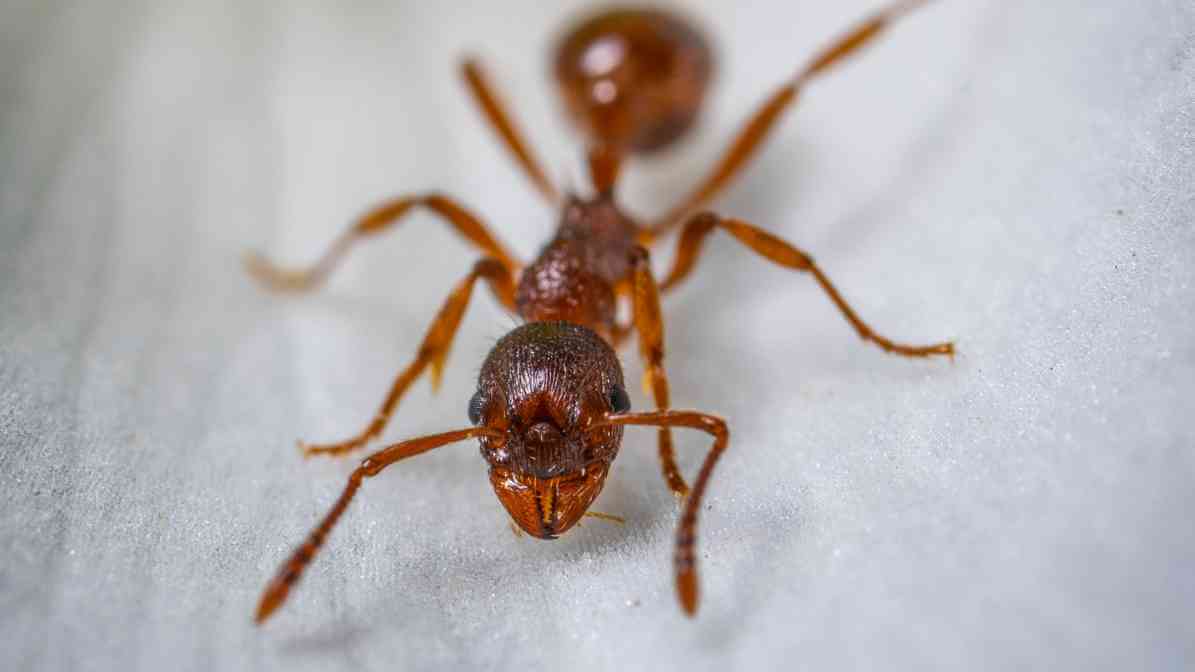
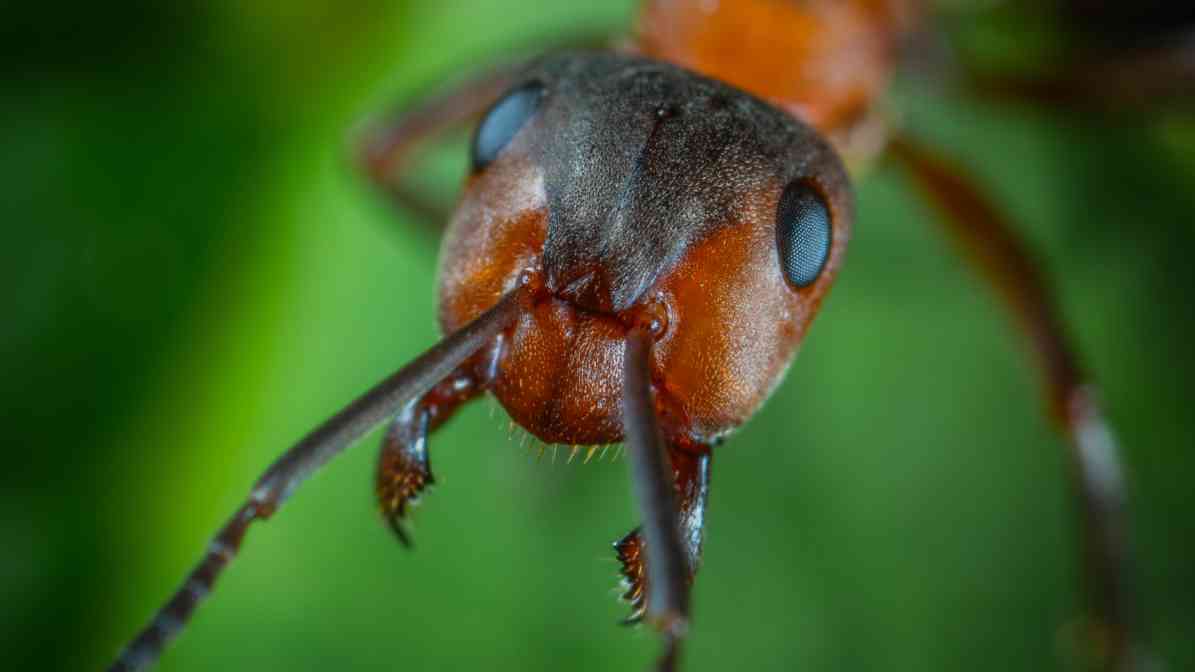
The image above shows the key morphological features used to distinguish ant groups: body segment count (ants have 3 clear segments), antenna length and curve, node structure on the petiole (the connector between thorax and abdomen), and whether the species has a stinger. These features — combined with colony behaviour and nesting location — are what licensed pest control specialists use to make an accurate species identification in the field.
Not sure which ant species you have?
Free Species Identification & Inspection
Our NEA-licensed specialists accurately identify the ant group in your property and recommend the correct targeted treatment — whether it's gel bait, perimeter barriers, or direct nest treatment. Don’t guess; get it right the first time.
Quick ID Guide: Identifying Ants in Your Singapore Property
By Appearance
Near-transparent / dark head: Ghost Ant
Dark, moves erratically: Crazy Ant
Pale yellow-orange, 1.5–2 mm: Pharaoh Ant
Large orange-green, in trees: Weaver Ant
Red-brown, mound nest: Fire Ant
Large, black, near timber: Carpenter Ant
Large-headed soldier caste: Big-Headed Ant
By Behaviour
Kitchen, sweet foods, invisible: Ghost Ant
Random paths, electrical gear: Crazy Ant
In walls, protein & sweet: Pharaoh Ant
Arboreal, aggressive bite: Weaver Ant
Outdoor swarm, painful sting: Fire Ant
Wood galleries, sawdust: Carpenter Ant
Garden beds, disturbed soil: Big-Headed Ant
FAQ
Common Questions
Frequently Asked Questions
Singapore is home to over 200 recorded ant species, though only a small number are considered structural or household pests. The most common pest species are Ghost Ants, Pharaoh Ants, and Crazy Ants (tramp ant group). Carpenter Ants, Fire Ants, Weaver Ants, and Big-Headed Ants round out the species most frequently requiring professional pest control intervention.
Both can damage wood, but they are biologically distinct. Carpenter Ants have a pinched waist (three clear body segments), elbowed antennae, and leave clean, smooth galleries with sawdust-like frass outside. Termites have a broad waist (no pinch), straight antennae, and consume wood entirely — leaving a muddy, gritty residue. If you see winged insects (alates) swarming, check the wings: termite wings are equal in length; carpenter ant wings have a larger front wing. If in doubt, contact a pest specialist immediately.
Multi-queen tramp species (Ghost Ant, Pharaoh Ant, Crazy Ant) react to repellent sprays by splitting their colony — a survival mechanism called budding. This worsens the infestation. Non-repellent gel bait works because ants cannot detect it and carry it back to the colony, spreading it to queens. Single-queen species with fixed nest locations (Carpenter Ants, garden species) can be controlled with direct nest treatment and residual sprays because they do not bud and the queen location is fixed.
Our NEA-licensed technicians accurately identify your ant species group and apply the correct targeted treatment. No guesswork. No worsening the infestation with the wrong approach.
I am committed to turning complex pest-management insights into clear, practical information that anyone can understand. Through my work, I aim to empower homeowners and businesses to make informed decisions that protect their health, property and environment.