Powerful Tactics for Defending Your Space Against Ants Infestation
July 14, 2023
The Expert Guide to Prevent Ants and Home Remedies
July 14, 2023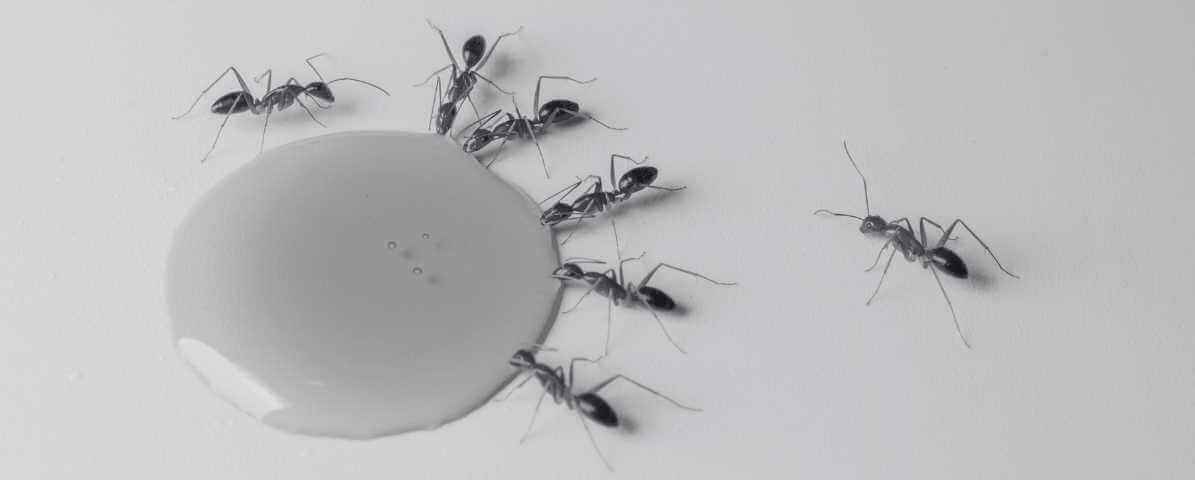

Most homeowners notice ants when the problem is already serious. Singapore’s warm, humid climate allows ant colonies to grow year-round — a colony of 10,000 can develop in just a few months. Recognising the early signs gives you the best chance of quick, effective treatment before structural damage or food contamination occurs.
- ✓Flying ants (alates) indoors signal a mature colony — often inside your walls
- ✓Visible ant trails mean the colony is actively foraging — the nest is nearby
- ✓Mounds of dirt or sand are the outward sign of underground nesting
- ✓Hollow or crumbling wood indicates carpenter ant activity, not just wood rot
- ✓Contaminated food and rustling wall sounds are late-stage infestation signs — act immediately
Visible Ant Trails
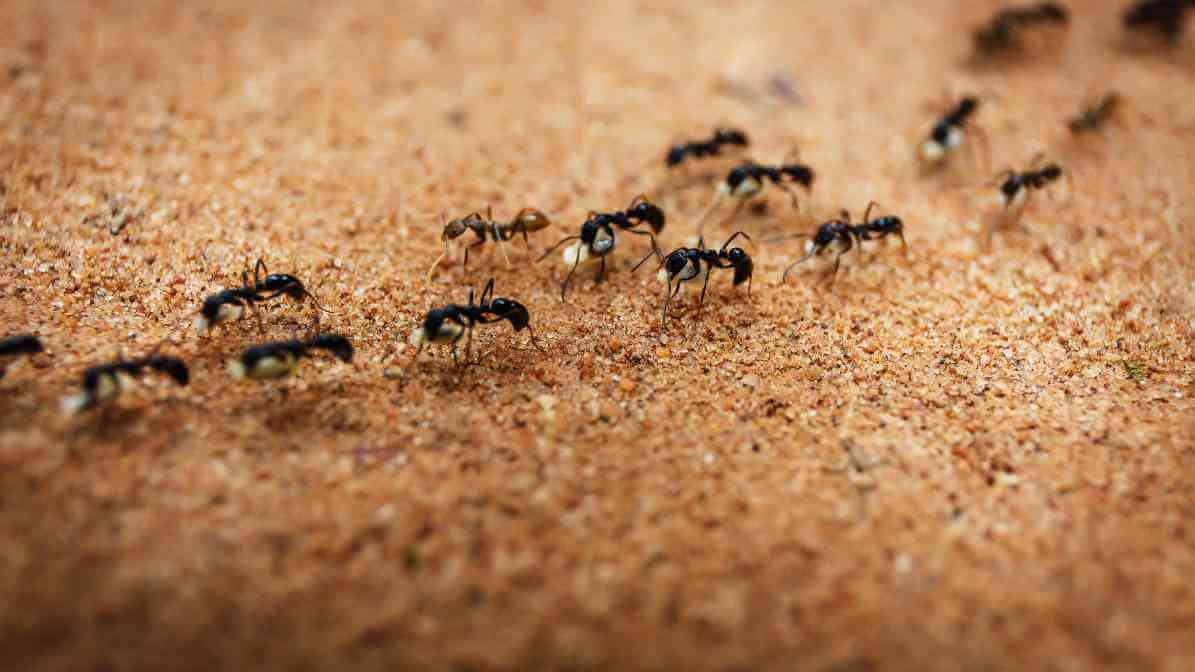
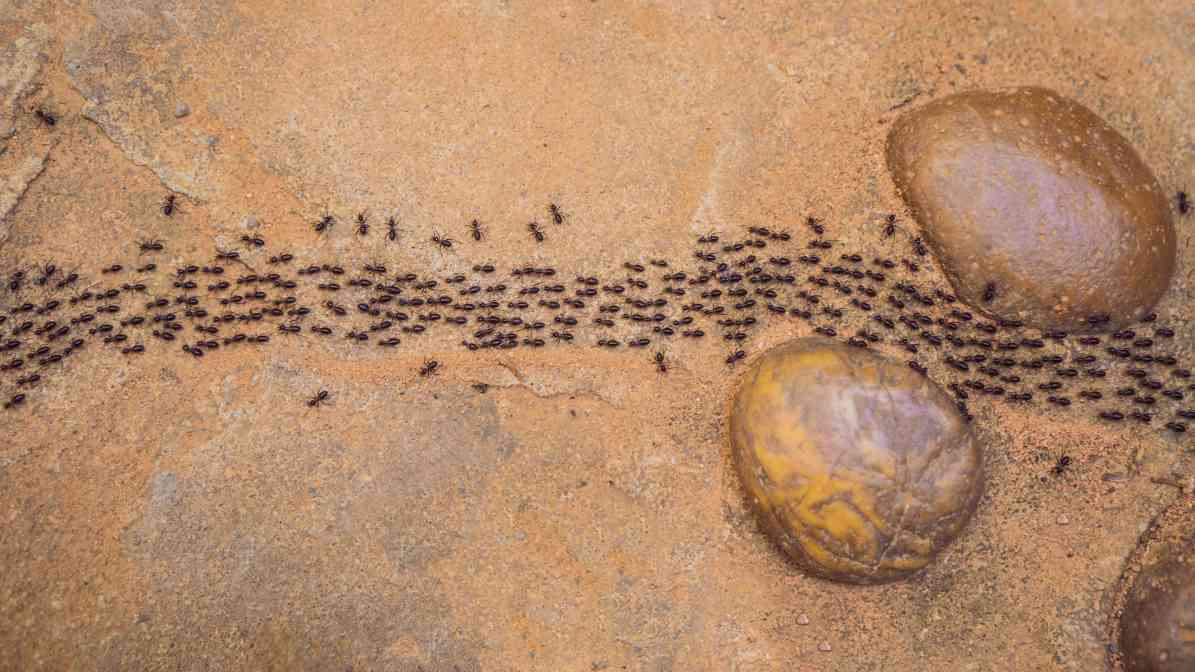
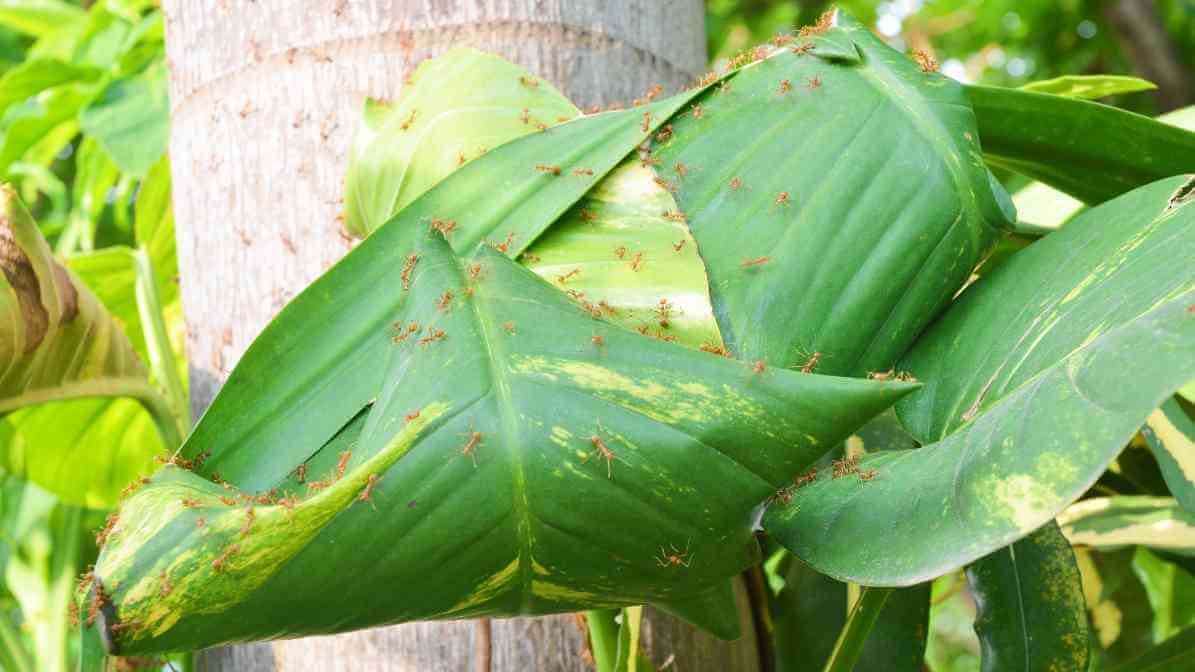
A visible line of ants — even just 5 or 6 workers moving in single file — is one of the clearest signs of an active infestation. Ants communicate using pheromone trails. When a scout finds food, it lays a chemical path back to the nest. Other workers follow this path, reinforcing it with every trip, until a steady highway forms between the food source and the colony.
In Singapore homes, trails most commonly appear along skirting boards, kitchen counter edges, grout lines between tiles, and pipe runs. They are most visible at night when foraging peaks. Seeing a trail during daylight means the colony is large enough that workers are active even at off-peak times.
Mounds of Dirt, Sand, or Debris
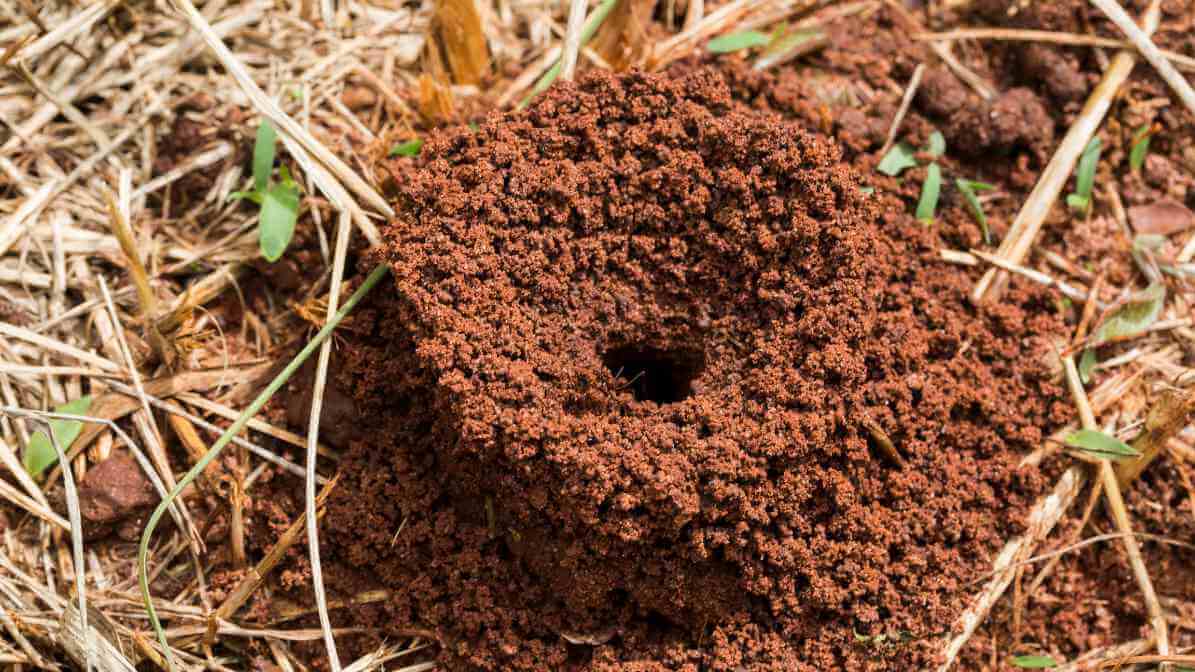
Small piles of loose soil, fine sand, or powdery debris appearing near walls, skirting boards, expansion joints in floor tiles, or around the base of door frames are a sign of active ant nesting. Ants excavate underground galleries and push displaced material to the surface as they expand their colony.
Pavement ants — extremely common in Singapore HDB estates and landed properties — create fine sand mounds that emerge through pavement cracks, floor grouting, and gaps around pipes. Carpenter ants produce a different material: coarse, fibrous frass resembling sawdust, mixed with ant body parts and soil. Spotting frass near timber structures warrants immediate inspection for structural damage.
Flying Ants in Singapore
Seeing flying ants in Singapore is one of the most alarming — and most misunderstood — signs of a serious ant infestation. If you see winged ants inside your home, you almost certainly have a mature colony already established in or near your structure.
What Are Flying Ants?
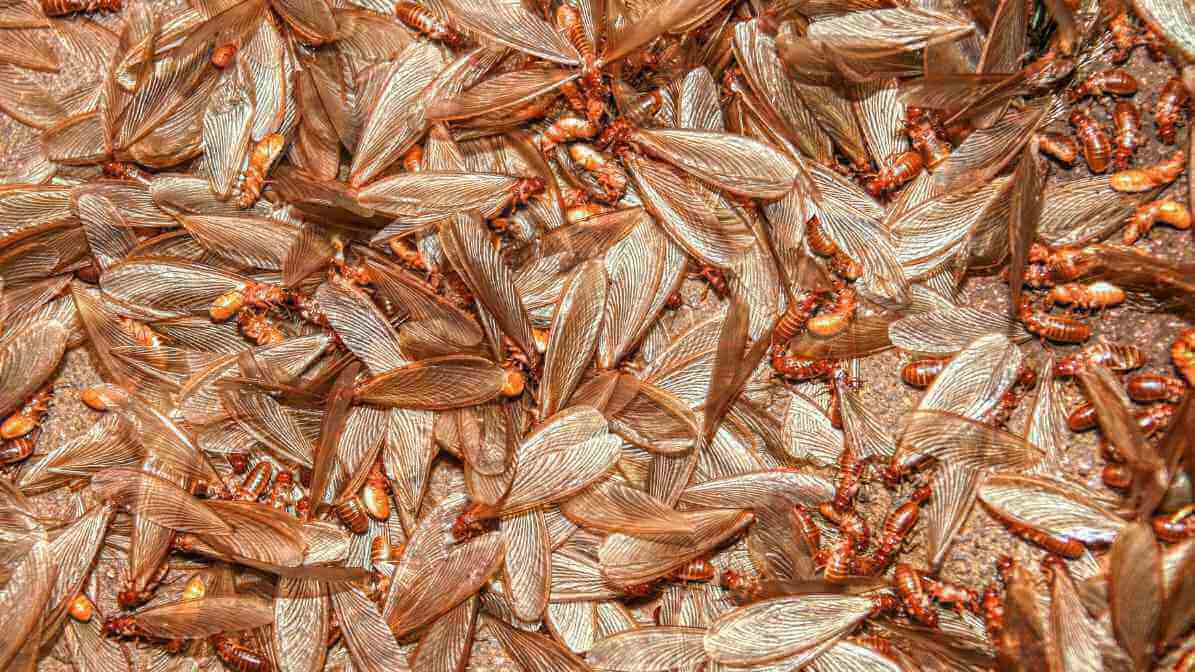
Flying ants are not a separate species — they are winged reproductive ants (called alates) produced by a mature ant colony. When a colony reaches a certain size, it begins producing males and virgin queens with wings. These alates take to the air in a coordinated “nuptial flight” to mate and establish new colonies. In Singapore, this swarming behaviour is triggered by high humidity, temperature spikes, and often occurs after rainfall — particularly common during the rainy season from November to January.
Flying Ants vs. Flying Termites in Singapore
This is one of the most frequently asked questions we receive. Both are common in Singapore and both swarm. Here is how to tell them apart at a glance:
What Do Flying Ants Mean for Your Singapore Home?
If you spot flying ants in Singapore inside your home — particularly in large numbers near windows, light fixtures, or skylights — it means:
A mature colony — usually 3–5 years old with thousands of workers — is established in or near your structure
The colony is actively trying to reproduce and spread to new nesting sites
If the flying ants are carpenter ants, structural timber damage may already be extensive
Do not rely on DIY sprays to deal with flying ants. The alates you see are only a small fraction of the colony — killing them has no impact on the queens, workers, or eggs in the nest. Professional inspection and targeted colony treatment is the only effective response.
Hollow or Damaged Wood
Hollow-sounding wood when tapped, buckling or blistering paint on timber surfaces, and small round exit holes in wooden structures are signs of carpenter ant activity. Unlike termites, carpenter ants do not eat wood — they excavate smooth-walled galleries to nest inside. The damage, however, can be equally catastrophic to structural integrity.
In Singapore landed properties, carpenter ants most commonly attack roof beams, floor joists, window frames, and areas where moisture has softened the timber. Damaged wood associated with carpenter ants will have a clean, smooth interior surface — as opposed to termite-damaged wood, which appears muddy and packed with soil.
Contaminated Food
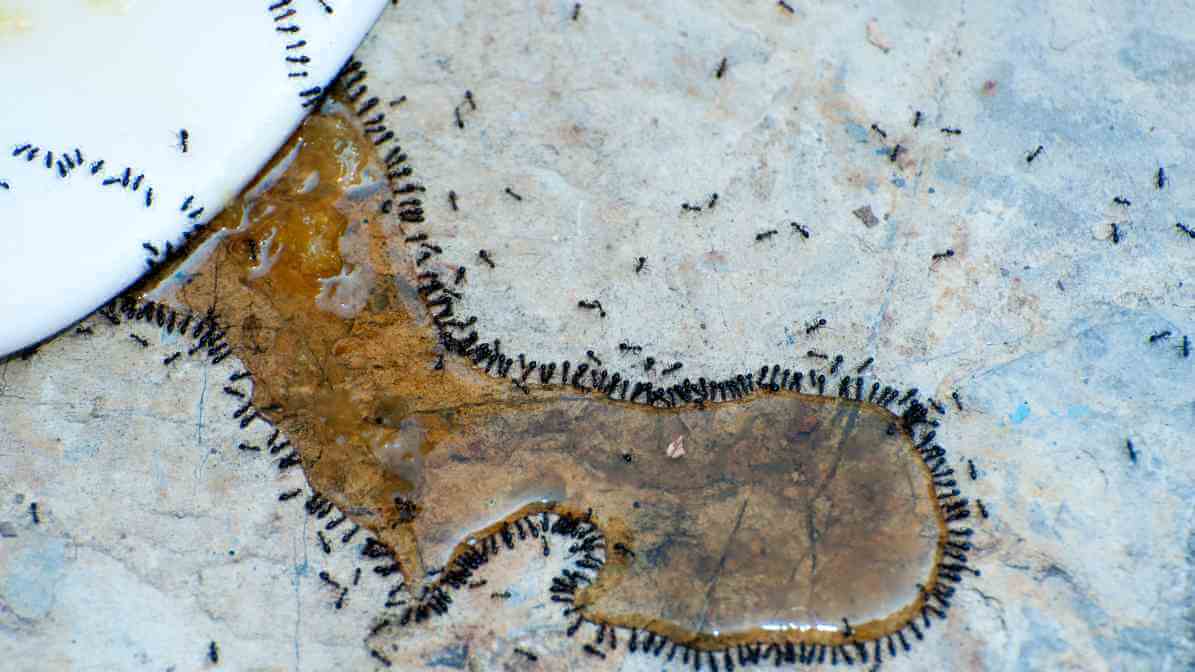
Finding live ants inside food packaging, containers, or cupboards is a clear sign that a colony has established reliable foraging routes into your kitchen. Ants can chew through paper, cardboard, thin plastic, and foil packaging to access food. Once inside, they contaminate everything they touch — carrying bacteria including Salmonella, Staphylococcus, and E. coli on their bodies.
In Singapore, sugar, honey, syrup, cereal, pet food, and ripe fruit are the most common targets. Even a few drops of spilled juice are enough to attract a scouting ant, which will then lay a pheromone trail bringing hundreds of workers within hours. Any food product that has had ant contact should be discarded immediately.
Rustling Sounds in Walls
A faint, dry rustling or crackling sound coming from inside walls, especially at night or after rain, can indicate a large ant colony nesting within wall cavities. This sign is most associated with carpenter ants and large odorous house ant colonies. As thousands of workers move through excavated galleries, the sound is faint but detectable in a quiet room.
This is one of the most serious signs because it indicates the colony is not accessible for surface treatment. Wall-nesting colonies require professional intervention using injection treatments, drill-and-treat techniques, or gel bait placed at strategic entry points. By the time you can hear a colony, it has typically been established for months or years.
Get a Professional Ant Inspection Today
Our NEA-licensed team will identify the species, locate the colony, and apply targeted treatment that eliminates the nest — including the queen. Flying ants, carpenter ant damage, and wall-nesting colonies all treated.
What to Do If You Spot These Signs
The right response depends on which signs you are seeing. Here is a quick triage guide:
Occasional ants on counters, no trails: Increase food storage hygiene, apply white vinegar or peppermint spray at entry points, seal visible gaps. Monitor for 5–7 days.
Visible trails, dirt mounds, food contamination: Apply borax bait near trails, seal entry points, store all food in airtight containers. If trails persist after 7 days, call a professional.
Flying ants indoors, damaged wood, wall sounds: Call a NEA-licensed pest specialist immediately. Do not spray. These signs indicate a large, established colony requiring professional colony-elimination treatment. See our Ant Control Singapore service for details.
Frequently Asked Questions
Spotted the Signs? Act Before It Spreads
From flying ants to wall-nesting colonies, our NEA-licensed specialists identify, target, and eliminate ant infestations at the source. Free inspection. Same-day response available.