
Learn More About Rodent Singapore’s Worst Nightmare
June 2, 2023
How to Get Rid of Rats Infestation in Restaurants?
June 3, 2023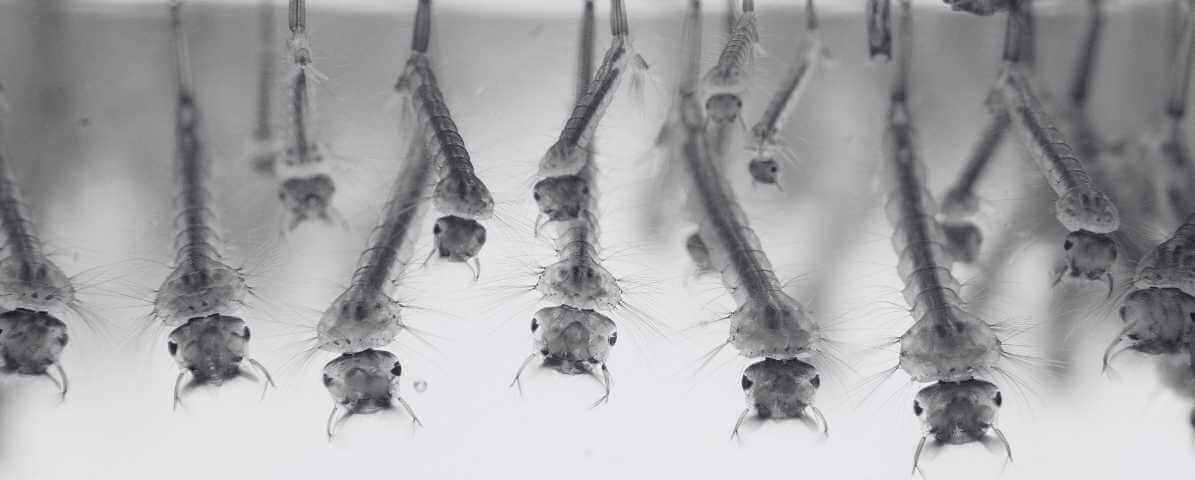


The Zika virus is a mosquito-borne disease spread by Aedes aegypti and Aedes albopictus — the same species responsible for dengue in Singapore. While most infections are mild, Zika carries serious risks for pregnant women and their unborn children, particularly microcephaly and Congenital Zika Syndrome.
- ✓Transmitted by Aedes mosquitoes — the same dengue vectors found across Singapore
- ✓Up to 80% of infections are asymptomatic — making silent community spread possible
- ✓Pregnant women face the highest risk — infection can cause severe foetal brain defects
- ✓No vaccine exists — prevention depends entirely on eliminating breeding sites and mosquito control
What Is the Zika Virus?
Zika is a flavivirus first identified in Uganda's Zika forest in 1947. It remained little known until large outbreaks struck the Pacific Islands (2007, 2013) and then swept the Americas in 2015–2016. Singapore recorded its first cluster of locally transmitted cases in August 2016, with over 400 confirmed cases. The World Health Organisation declared a Public Health Emergency of International Concern in February 2016.
Zika remains a legally notifiable disease in Singapore. MOH and NEA maintain active surveillance, and cases must be reported within 24 hours of diagnosis. The Aedes mosquito population across Singapore means the risk of localised transmission is always present.
Aedes aegypti is the dominant carrier in Singapore, also responsible for dengue, chikungunya, and yellow fever.
Aedes albopictus (tiger mosquito) can also carry Zika, widening the potential transmission zone beyond dense urban areas.
Zika vs Dengue: Key Differences
Both diseases share the same mosquito vector, but they differ significantly. Dengue causes more intense systemic illness, while Zika is often mild or completely silent — yet its impact on foetal development makes it uniquely dangerous.
| Feature | Zika | Dengue |
|---|---|---|
| Fever | Low-grade or absent | High (39–40°C) |
| Rash | Common (maculopapular) | Present in later stages |
| Conjunctivitis | Common (red eyes) | Rare |
| Hospitalisation Rate | Very low | Higher (severe dengue) |
| Risk to Pregnancy | Critical (microcephaly) | High (premature birth) |
| Sexual Transmission | Yes (possible) | No |
Symptoms of Zika Infection
Symptoms appear 3–14 days after an infected bite and resolve within 2–7 days. Because most infections are asymptomatic, Zika can spread silently through a community without people realising they are infected or infectious.
Usually low-grade, often below 38.5°C. Many patients feel mildly unwell without a clear fever.
Non-purulent conjunctivitis (redness without discharge) is a hallmark of Zika, distinguishing it from dengue.
A fine, itchy maculopapular rash starting on the face and trunk, spreading outward within 1–3 days of fever onset.
Arthralgia and myalgia are common, particularly in the small joints of the hands and feet, similar to chikungunya.
Who Is Most at Risk?
Zika infection during pregnancy can cause microcephaly (abnormally small head circumference) and other severe foetal brain defects known collectively as Congenital Zika Syndrome. Risk is highest during the first trimester.
MOH advises pregnant women or those planning pregnancy to take extra precautions and seek immediate medical attention if Zika is suspected. Men who have been infected should practice safe sex for at least 2 months due to the virus persisting in semen.
People with weakened immune systems may experience more severe illness and a longer recovery period.
Returning travellers from Zika-active countries should monitor for symptoms and inform their doctor of travel history.
Concerned About Mosquitoes at Home?
Our specialists conduct thorough breeding site surveys, larviciding, and residual spraying to protect your family from Zika and dengue.
How to Prevent Zika in Singapore
There is no approved vaccine or specific antiviral treatment for Zika. Prevention is entirely dependent on avoiding mosquito bites and eliminating breeding sites. NEA's proven S-B-A approach remains the backbone of Singapore's strategy.
Apply DEET, Picaridin, or IR3535-based repellents to exposed skin and reapply every 4–6 hours. Peak Aedes biting times are early morning (7–9am) and late afternoon (5–7pm).
Install mosquito screens on windows and doors. Wear long-sleeved clothing and long trousers when outdoors, especially in parks and wooded areas.
Turn over or remove containers holding stagnant water every 7 days — flowerpot trays, pails, gutters, old tyres. Aedes can complete their life cycle in just 7 days in a teaspoon of water.
Treatment & What to Do If You Suspect Zika
There is no specific antiviral treatment for Zika. Management is supportive and focused on relieving symptoms. Most patients recover fully within a week without hospitalisation.
Get plenty of bed rest and drink fluids frequently to prevent dehydration, especially in Singapore's heat and humidity.
Paracetamol relieves fever and joint pain safely. Avoid aspirin and NSAIDs as they may increase bleeding risk, particularly if dengue co-infection is suspected.
Zika is a notifiable disease in Singapore. Your doctor will arrange RT-PCR blood or urine tests and notify MOH. Do not self-medicate and delay seeking care.
Seek medical care immediately. Your obstetrician will arrange enhanced foetal monitoring, ultrasound scans, and additional testing to assess the risk to your baby.
Professional Mosquito Control in Singapore
Individual precautions matter, but professional mosquito control provides systematic coverage that is especially important for large premises, recurring hotspots, and high-density housing. NEA-licensed companies like Innovative Pest Management use a combination of thermal fogging, residual spraying, larviciding, and breeding site surveys tailored to each property.
Our mosquito control service covers HDB flats, landed homes, condominiums, hotels, F&B premises, and construction sites across Singapore. All technicians are NEA-licensed and all insecticides are MOH-approved.
Frequently Asked Questions
Protect Your Home From Zika-Carrying Mosquitoes
Our certified technicians eliminate mosquito breeding sites, apply targeted treatments, and ensure your home is protected from Zika and dengue year-round.